

BoJ’s Ueda Warns Temporary Oil Shocks Risk Becoming Persistent Inflation Drivers
BitcoinWorld
BoJ’s Ueda Warns Temporary Oil Shocks Risk Becoming Persistent Inflation Drivers
Bank of Japan (BoJ) Governor Kazuo Ueda issued a notable caution on Wednesday, warning that what begins as a temporary oil price shock can evolve into a persistent inflationary force, complicating the central bank’s carefully calibrated monetary policy path.
Ueda’s Remarks on Oil and Inflation Dynamics
Speaking during a parliamentary session, Ueda acknowledged that recent fluctuations in global crude oil prices have introduced fresh uncertainty into Japan’s inflation outlook. While the BoJ has maintained that current price pressures are largely transitory and supply-driven, the Governor emphasized that sustained energy cost increases risk embedding higher inflation expectations into the economy.
“If temporary shocks persist, they can become entrenched through expectations and pricing behavior,” Ueda stated. The remarks signal that the central bank is closely monitoring whether energy-driven price rises will spill over into broader wage and consumption patterns.
Japan, a major energy importer, is particularly vulnerable to oil price volatility. A sustained rise in energy costs could pressure household budgets and corporate margins, potentially derailing the BoJ’s goal of achieving stable 2% inflation driven by domestic demand rather than external factors.
Implications for BoJ Monetary Policy
Ueda’s comments come at a critical juncture. The BoJ has been gradually moving away from its ultra-loose monetary stance, including ending negative interest rates and scaling back yield curve control. However, policymakers remain cautious about tightening too quickly amid fragile economic growth.
The Governor’s warning suggests that the BoJ may need to factor in a more persistent energy price component when assessing the sustainability of inflation. Analysts note that if oil prices remain elevated, the central bank could face pressure to adjust its inflation forecasts upward, potentially accelerating the timeline for further rate normalization.
Market participants interpreted the remarks as a signal that the BoJ is preparing markets for a less dovish outlook, should energy costs continue to climb. The yen, which has been under pressure against the dollar, showed limited immediate reaction, but bond yields edged higher on the day.
Global Energy Context and Japan’s Exposure
Global crude oil prices have been volatile in recent months, influenced by geopolitical tensions, OPEC+ production decisions, and shifting demand expectations from major economies. For Japan, which imports nearly all of its crude oil, even modest price increases translate into measurable impacts on import costs and consumer energy bills.
The BoJ’s core inflation measure, which excludes fresh food but includes energy, has remained above the 2% target for over a year. However, the central bank has argued that this overshoot is primarily cost-push rather than demand-driven, justifying a cautious approach to tightening.
Ueda’s latest remarks acknowledge a risk that the distinction between transitory and persistent may blur if energy prices remain high for an extended period. This could force the BoJ to reassess its narrative and potentially revise its inflation forecasts in upcoming quarterly reports.
Conclusion
Bank of Japan Governor Kazuo Ueda’s warning that temporary oil shocks can become persistent underscores the delicate balance the central bank must strike between supporting economic recovery and preventing inflation from becoming entrenched. With energy prices remaining a key variable, the BoJ’s policy path will depend heavily on whether global crude markets stabilize or continue to exert upward pressure on Japan’s import costs. Markets will closely watch the BoJ’s next policy meeting for any shift in language or guidance.
FAQs
Q1: What did BoJ Governor Ueda say about oil shocks?
Ueda warned that temporary oil price shocks can become persistent if they influence inflation expectations and pricing behavior over time, potentially complicating the BoJ’s monetary policy outlook.
Q2: Why are oil prices particularly important for Japan?
Japan imports nearly all of its crude oil, making its economy highly sensitive to global energy price fluctuations. Higher oil costs directly increase import bills, household energy expenses, and corporate input costs.
Q3: How might Ueda’s remarks affect BoJ policy decisions?
The remarks suggest the BoJ may need to consider persistent energy costs when assessing inflation sustainability, potentially leading to earlier or more aggressive monetary policy normalization if oil prices remain elevated.
This post BoJ’s Ueda Warns Temporary Oil Shocks Risk Becoming Persistent Inflation Drivers first appeared on BitcoinWorld.


You May Also Like
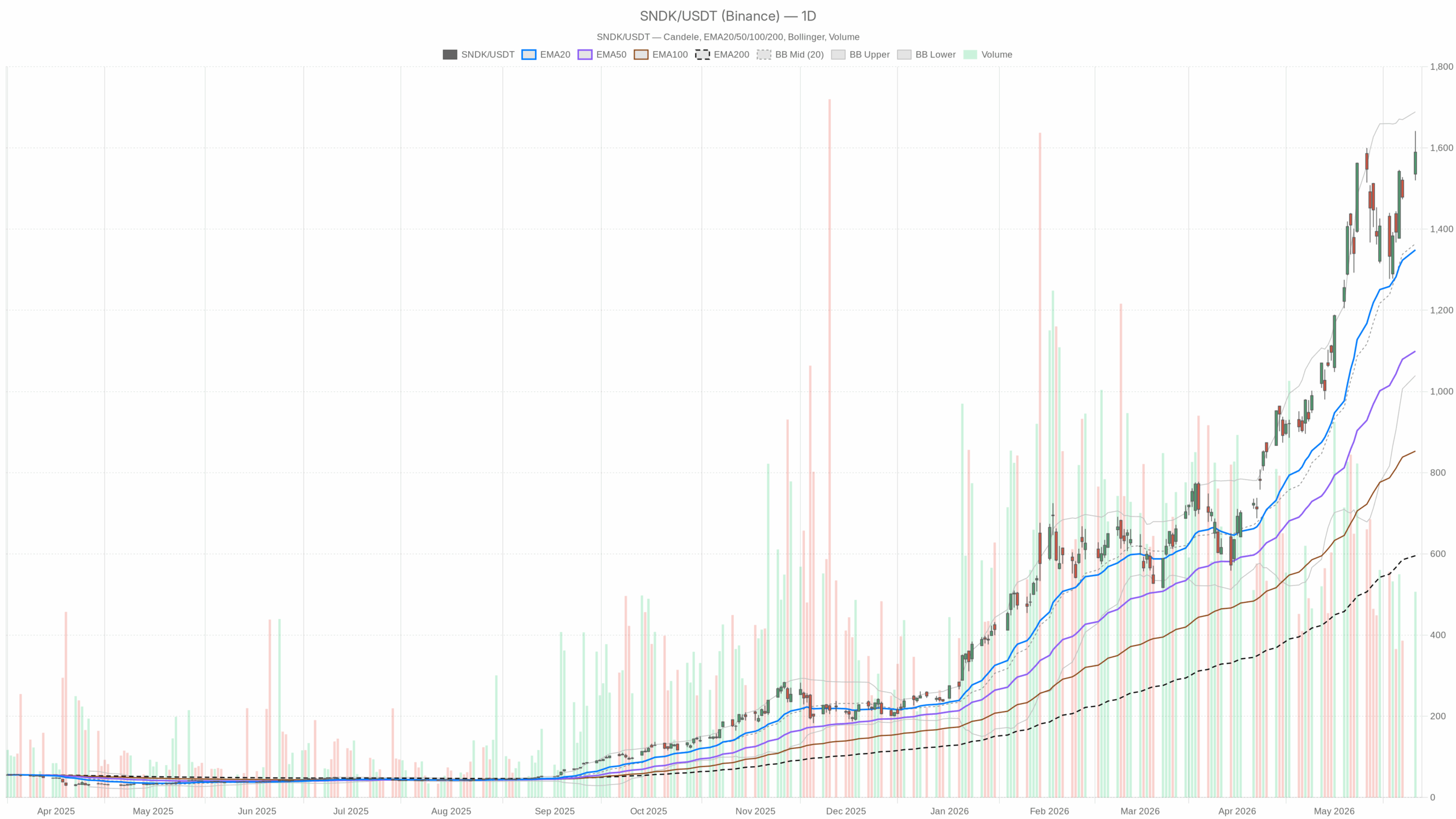
SanDisk Stock Holds Bullish Breakout as Momentum Cools Near 1,600

OpenAI Faces Scrutiny as Civic Groups Question Sam Altman’s Investment Links

Ghana Ex-President-Linked CWU Token Faces Rug Pull Claims After Insider Sales


Trending News
More24/7 Live News
MoreQuick Reads
More
