

EXPLORE: Next Crypto to Explode in 2026
Uganda Crypto Warning: What It Means for Ripple's Africa ODL The post XRP News: Uganda’s Crypto Warning and Ripple’s African ODL Corridor appeared first on icobenchUganda Crypto Warning: What It Means for Ripple's Africa ODL The post XRP News: Uganda’s Crypto Warning and Ripple’s African ODL Corridor appeared first on icobench
XRP News: Uganda’s Crypto Warning and Ripple’s African ODL Corridor
For feedback or concerns regarding this content, please contact us at crypto.news@mexc.com
In XRP News today, the Bank of Uganda has reiterated, most recently in October 2023, that it does not license cryptocurrency operations, that only the Ugandan shilling constitutes legal tender, and that supervised financial institutions are barred from facilitating crypto-related transactions, a posture that now sits in direct tension with Ripple’s stated ambition to extend its On-Demand Liquidity corridor deeper into East Africa.
That warning landed against a backdrop of fresh XRPL activity in Uganda, where the DNA Protocol confirmed a genomic identity pilot anchoring zero-knowledge proofs on the XRP Ledger Testnet, adding another layer of institutional signal to a market already parsing a technical squeeze in XRP at $1.33.
This is not a blanket prohibition on blockchain infrastructure; it is a consumer-protection and institutional-compliance directive aimed at retail trading and licensed payment providers.
 Photo: Bank of Uganda
The open question the market now has to answer is whether Uganda’s regulatory posture constitutes a structural barrier to Ripple’s African ODL expansion or whether it is localized headline noise that the institutional corridor narrative absorbs without lasting damage to the broader regional thesis.
XRP News: What the African ODL Corridor Actually Is for Cross-Border Payments
Ripple’s On-Demand Liquidity product uses XRP as a bridge asset to settle cross-border payments in real time, eliminating the pre-funded nostro accounts that make traditional SWIFT-based remittances slow and expensive.
Instead of a sending institution holding local currency reserves at a destination bank, ODL sources liquidity on demand through XRP, converting the originating currency into XRP and immediately converting at the destination – the entire sequence typically completing in seconds rather than days.
Africa is not a peripheral market for this thesis; it is central to it. According to World Bank data, personal remittances into Uganda alone run approximately $1.2 to $1.3 billion annually, with significant flows originating from Europe and the Middle East, precisely the corridors where Ripple already operates active ODL channels.
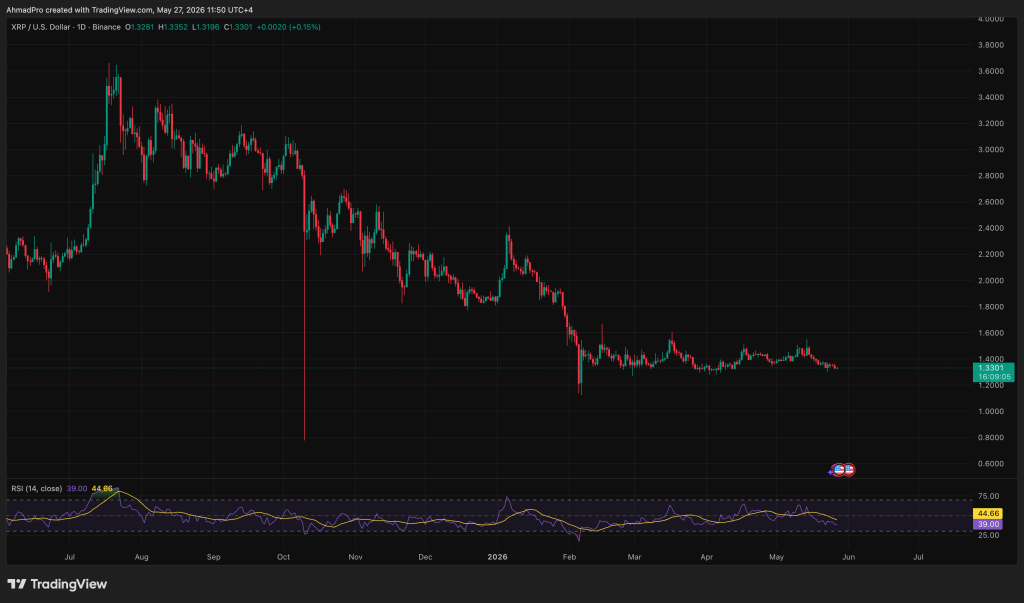 Source: Tradingview
In November 2022, Ripple announced a partnership with Onafriq, formerly MFS Africa, connecting payment corridors across Africa, Europe, the Gulf region, and the UK and reaching over 400 million mobile wallets across 35 African countries.
The African crypto remittances opportunity is structurally compelling: mobile money penetration in Uganda exceeds 50% of adults, the cost of inbound remittances via traditional rails remains well above the UN’s 3% target, and regional payment fragmentation creates exactly the liquidity mismatch that ODL is designed to resolve.
Uganda itself is not a listed live ODL endpoint in Ripple’s public disclosures, but its neighbors – Nigeria, Rwanda, Kenya, and Tanzania – are all within the Onafriq network.
That proximity is what makes the Bank of Uganda’s warning relevant to the corridor thesis, even if Uganda is not yet a direct node. The DNA Protocol’s genomic identity pilot on the XRP Ledger Testnet is the latest signal that XRPL infrastructure is accumulating institutional use cases in the country, and it now runs directly into that regulatory headwind.
EXPLORE: Next Memecoins to Explode in 2026
The post XRP News: Uganda’s Crypto Warning and Ripple’s African ODL Corridor appeared first on icobench.com.
Market Opportunity
XRP Price(XRP)
$1.3317
$1.3317$1.3317
USD
XRP (XRP) Live Price Chart


Disclaimer: The articles reposted on this site are sourced from public platforms and are provided for informational purposes only. They do not necessarily reflect the views of MEXC. All rights remain with the original authors. If you believe any content infringes on third-party rights, please contact crypto.news@mexc.com for removal. MEXC makes no guarantees regarding the accuracy, completeness, or timeliness of the content and is not responsible for any actions taken based on the information provided. The content does not constitute financial, legal, or other professional advice, nor should it be considered a recommendation or endorsement by MEXC.
You May Also Like

Retail Investors Keep Buying Altcoins as Crypto Market Slumps, Analyst Reports
BitcoinWorld Retail Investors Keep Buying Altcoins as Crypto Market Slumps, Analyst Reports While the broader cryptocurrency market faces a period of stagnation
Share
bitcoinworld2026/05/27 16:55
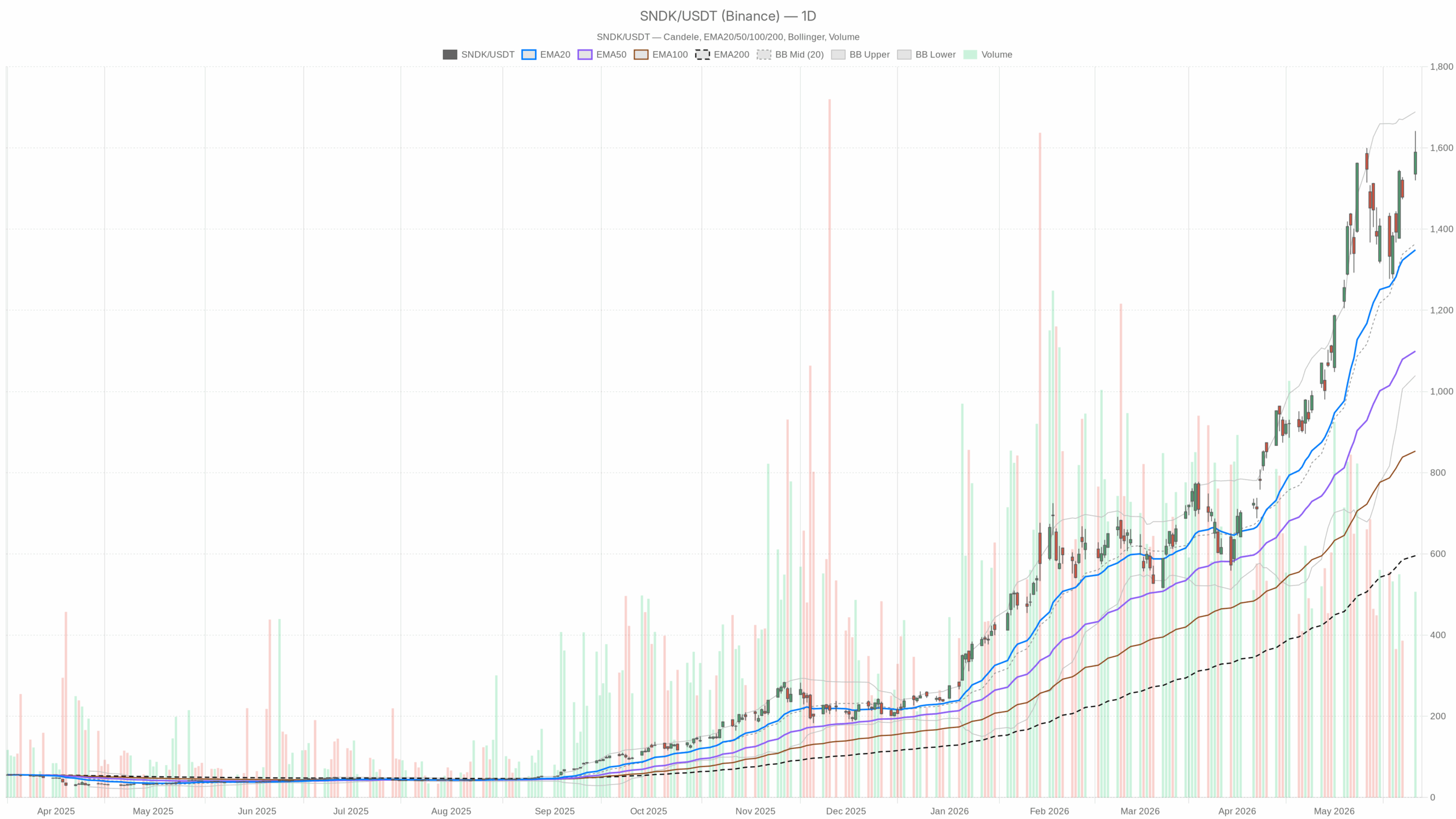
SanDisk Stock Holds Bullish Breakout as Momentum Cools Near 1,600
SanDisk Stock (SNDK) extended its breakout to records and closed strong, but momentum cooled near 1,600 as new highs were digested. The bias stays bullish, with
Share
The Cryptonomist2026/05/27 17:44

OpenAI Faces Scrutiny as Civic Groups Question Sam Altman’s Investment Links
A coalition of more than 60 civic organizations has reportedly called on the California Attorney General to investigate OpenAI over allegations of potential
Share
Hokanews2026/05/27 17:54


Trending News
More24/7 Live News
MoreQuick Reads
More
