Ethereum AI Agent Thesis Gains Momentum as Tokenization Demand Returns to Focus
Key Takeaways
- Investor Jordi Visser said he recently bought Ether due to the tokenization and AI-agent thesis.
- AI agents may need crypto rails because they cannot easily use traditional bank accounts.
- Ethereum remains a major network for real-world asset tokenization.
- The thesis is promising, but real demand depends on measurable transaction volume and fee generation.
Ethereum AI Agents Become a New Market Narrative
The Ethereum AI agents narrative is gaining attention as investors look for the next major source of onchain demand. Macro investor Jordi Visser recently said he bought Ether because he believes tokenization and AI agents could become deeply connected.
The idea is simple: autonomous AI agents need a way to pay for services, data, APIs and execution. Traditional banks are not built for software agents that operate independently online. Crypto networks, stablecoins and smart contracts may be better suited for that role.
Why AI Agents Need Tokens
AI agents can perform tasks without constant human input, but they still need economic rails. They may need to pay for cloud services, data access, software tools, subscriptions, trading execution or other agents.
Visser argued that tokens could become the “food” for AI agents. In practice, that means stablecoins, ETH and other digital assets may become payment assets for machine-to-machine commerce.
This is one reason the market is watching Ethereum. Ethereum already has smart contracts, DeFi liquidity, token standards and a large developer ecosystem.
What Tokenization Has to Do With AI
Tokenization turns assets, rights or claims into programmable blockchain-based instruments. That can include Treasuries, private credit, funds, equities, invoices or data rights.
AI agents could use tokenized assets to make autonomous financial decisions. For example, an agent could allocate stablecoins, rebalance a tokenized Treasury position, pay another agent for research or access liquidity without a traditional banking interface.
This connects two major themes: AI automation and real-world asset tokenization.
Why Ethereum Is Central to the Thesis
Ethereum remains one of the most important networks for tokenized assets. According to RWA.xyz data cited by Cointelegraph, Ethereum and its Layer 2 networks account for more than 60% of tokenized assets.
That matters because liquidity attracts developers and users. If tokenized assets continue to grow, Ethereum may benefit from more settlement activity, smart contract usage and demand for blockspace.
However, the value capture question is still important. Ethereum benefits most when activity creates sustained fee demand or strengthens ETH’s role as collateral, gas or settlement infrastructure.
Early Signs of Agent Payment Activity
Autonomous online payments are already emerging. Cointelegraph cited x402.org data showing more than $24 million in transaction volume over the past month on Coinbase’s x402 standard.
That number is still small compared with traditional payment networks or DeFi volume, but it gives the market an early signal that agentic payments are moving from theory to experiments.
Other chains and foundations are also working on agentic commerce, so Ethereum will not have the field to itself.
Risks to Watch
The biggest risk is hype running ahead of usage. AI-agent payments could become a major crypto use case, but investors need to track real metrics: active agents, transaction volume, fee generation, retention and whether agents use Ethereum mainnet, Layer 2s or competing chains.
Another risk is that stablecoins capture more value than ETH. If agents mostly pay in USDC or other stablecoins, Ethereum may still benefit from settlement activity, but ETH price impact may be indirect.
What Comes Next?
The next phase will be data. Investors should watch x402 growth, Ethereum Layer 2 activity, RWA tokenization volume, stablecoin settlement flows and AI-agent wallet adoption.
Ethereum’s AI-agent thesis is powerful because it links crypto to a broader technology trend. But the strongest version of the story will require measurable onchain demand, not just a compelling narrative.
FAQ
What are Ethereum AI agents?
Ethereum AI agents are autonomous software systems that use Ethereum or Ethereum-based networks for payments, smart contracts or onchain actions.
Why would AI agents use crypto?
AI agents may use crypto because blockchain wallets and stablecoins can support autonomous online payments without traditional bank accounts.
How does tokenization relate to Ethereum?
Ethereum hosts a large share of tokenized assets, including real-world assets such as Treasuries and private credit products.
Will AI agents increase ETH demand?
They could, but only if agent activity creates sustained Ethereum transaction fees, collateral demand or settlement usage.
المقالات الشعبية
عرض المزيد
كيفية استخدام الذكاء الاصطناعي لتحليل سوق الكريبتو
يتضمن تحليل سوق الكريبتو أكثر بكثير من مجرد التحقق مما إذا كان البيتكوين أو أي أصل آخر يرتفع أو ينخفض. يحتاج المتداولون إلى فهم بنية الأسعار، وحجم التداول، والتقلب، والمؤشرات الفنية، وأخبار السوق، وات
ما هو مساعد التداول بالذكاء الاصطناعي وكيف يمكن للمتداولين استخدامه?
الذكاء الاصطناعي يغيّر طريقة تفاعل المتداولين مع المعلومات المالية. لسنوات، كان استخدام أدوات التداول يعني عادةً التنقل عبر واجهات متعددة: فتح الرسوم البيانية، البحث عن الأخبار، فحص المؤشرات، مقارنة ا
كيفية استخدام الذكاء الاصطناعي للعثور على فرص التداول في الكريبتو
تنتج أسواق الكريبتو معلومات أكثر مما يمكن لأي متداول فردي معالجته بشكل واقعي. تتحرك الأسعار على مدار الساعة، وتتغير أحجام التداول بسرعة، وتظهر روايات جديدة عبر القطاعات، ويمكن للتطورات الإخبارية أو عب
الأخبار الرائجة
عرض المزيد
التقرير اليومي على السلسلة من MEXC: تسعير الطرح العام الأولي لـ SpaceX بـ 135 دولارًا للسهم
يواصل سوق الكريبتو مسيرته مدفوعًا بالتقارب بين التمويل التقليدي والذكاء الاصطناعي والبنية التحتية لتقنية البلوكتشين. حصلت شركة Digital Asset على جولة تمويل كبرى بقيمة 355 مليون دولار بقيادة a16z crypt

التقرير اليومي على السلسلة من MEXC: صندوق ETF البيتكوين الفوري الأمريكي سجّل صافي تدفقات خارجة بلغت 319 مليون دولار الأسبوع الماضي
شهدت أسواق الكريبتو تدفقات خارجة من ETF، وتحولات تنظيمية، وتصاعداً في اتجاهات التوكنة. تشمل أبرز النقاط: تفاؤل بشأن الطرح العام الأولي لـ SpaceX، وخطط سياسة التوكنة لدى SEC، وتوسع CFTC في المشتقات الم
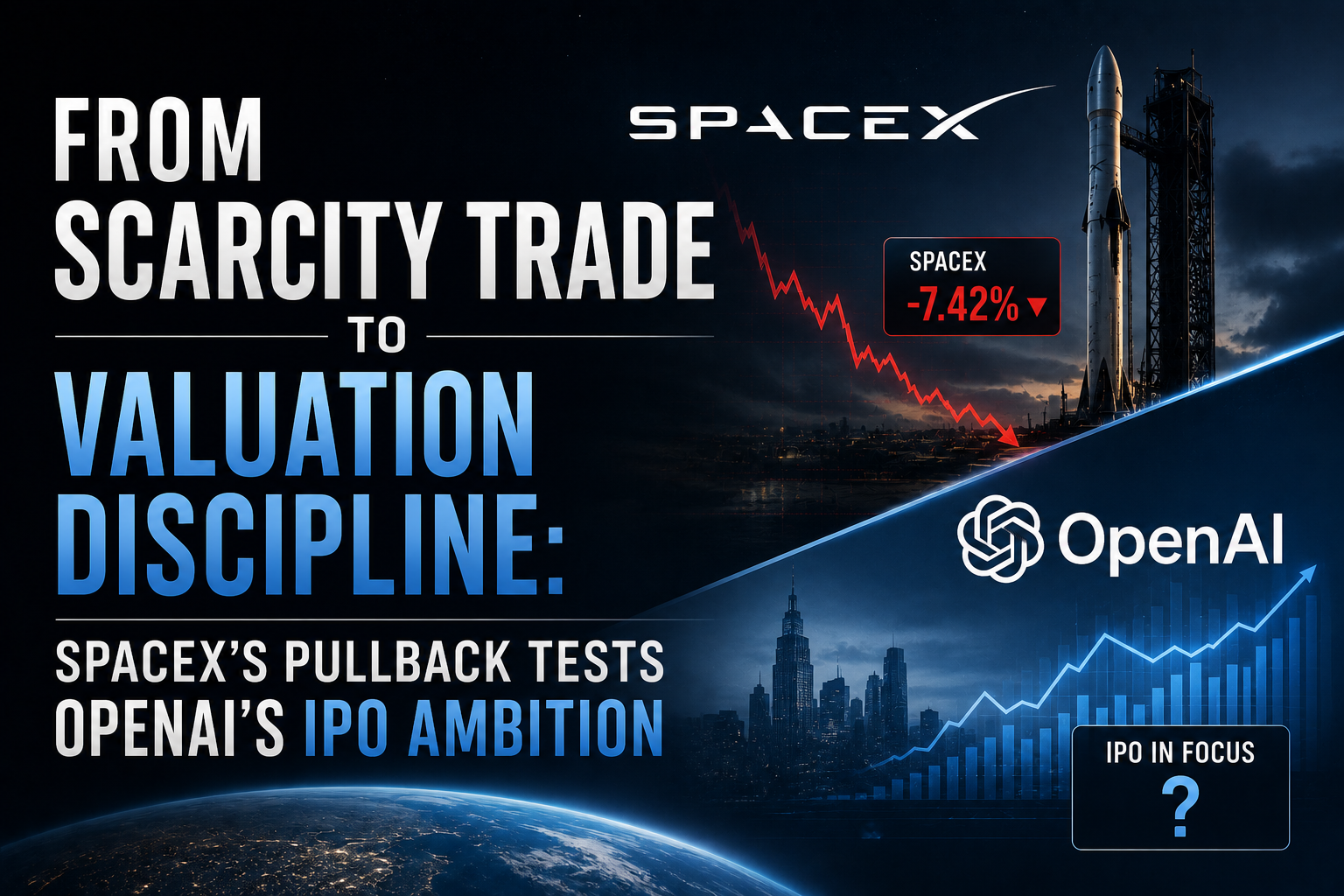
من تجارة الندرة إلى انضباط التقييم: تراجع SpaceX يختبر طموح OpenAI في الطرح العام الأولي
يُشار إلى أن OpenAI تميل نحو تأجيل طرحها العام الأولي (IPO) حتى عام 2027، غير أن الإشارة الأحدّ من السوق تأتي من SpaceX. أغلقت SpaceX منخفضةً بنسبة 16.4% عند 154.60 دولار في 22 يونيو، بانخفاض 31.5% عن
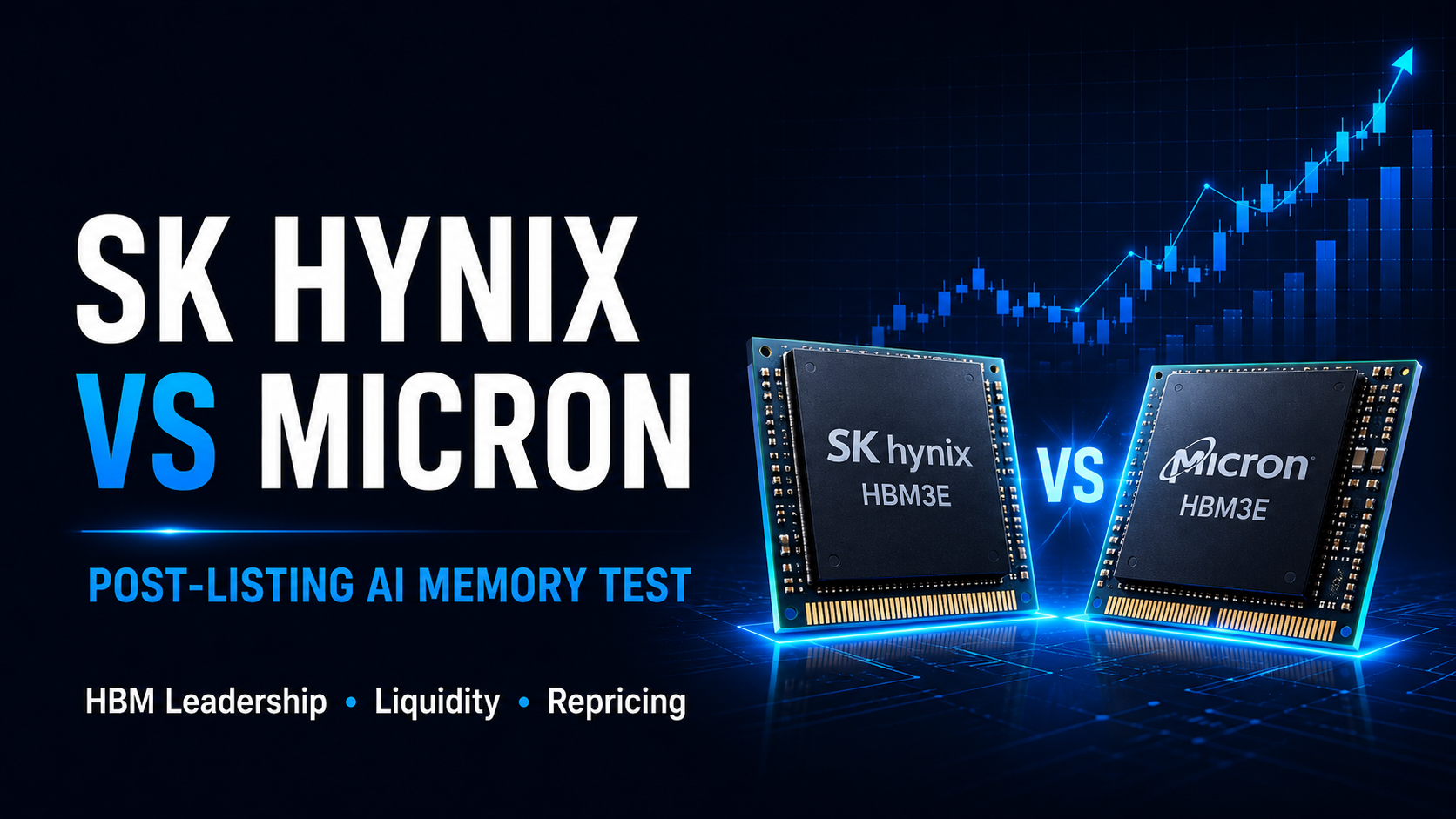
إس كيه هاينيكس مقابل مايكرون: كيف يعيد إدراج إس كيه إتش واي القادم تسعير قيادة ذاكرة الذكاء الاصطناعي وذاكرة HBM
من المتوقع أن يغير الطرح المرتقب بشدة لشركة SK Hynix في بورصة ناسداك تحت الرمز SKHY طريقة تقييم المستثمرين الأمريكيين لأسهم ذاكرة الذكاء الاصطناعي. لسنوات، كانت شركة ميكرون (MU) هي الوكيل المعتمد المت
مقالات ذات صلة
عرض المزيد
توقعات USDJPY بعد ارتفاع الين في 30 يوليو 2026: لماذا انخفض الدولار وماذا سيحدث لاحقاً
شهد زوج USDJPY انعكاساً حاداً وغير معتاد خلال مساء 30 يوليو 2026 بتوقيت هونغ كونغ. انخفض الدولار الأمريكي بنسبة تصل إلى 3% مقابل الين الياباني، مما دفع زوج USDJPY مؤقتاً إلى مستوى حوالي 158.34 بعد أن
تدفقات الأصول الذكية للكريبتو إلى MEXC: ما تكشفه صافي التدفقات الداخلة خلال 24 ساعة و7 أيام
ملخصفي سوق الكريبتو، غالباً ما تتجه رؤوس الأموال نحو المنصات التي توفر سيولة تنافسية، وتغطية واسعة للأصول، وبنية تحتية تداول فعالة، ومعلومات شفافة عن الاحتياطيات. في هذه المقالة، يشير مصطلح أصل كريبتو
عملة OSOR: رمز احتياطي النفط السعودي بين الادعاءات الكبيرة والتساؤلات الأكبر
التحقق من الوضع "الرسمي": على الرغم من الاسم، لا توجد أدلة عامة على أن OSOR مدعوم من أرامكو السعودية أو الحكومة السعودية.مخاطر عنوان العقد: تظهر عناوين عقود متعددة لـ OSOR عبر منصات مختلفة، مما قد يؤد