The Ethereum network is one of the most important technologies in crypto — and it does far more than move money. Whether you're curious about what powers USDT and USDC, how smart contracts work, orThe Ethereum network is one of the most important technologies in crypto — and it does far more than move money. Whether you're curious about what powers USDT and USDC, how smart contracts work, or
تعلم/Cryptocurrency Knowledge/Hot Concepts/Ethereum Ne... It Matters

Ethereum Network: What It Is, How It Works, and Why It Matters

متوسط
Sep 21, 2026James Mitchell
0m
Lagrange
LA$0.07166-5.58%
Smart Blockchain
SMART$0.004966-0.95%
USDCoin
USDC$1.00012--%
Cardano
ADA$0.2384-6.61%
DeFi
DEFI$0.0001166-10.10%
The Ethereum network is one of the most important technologies in crypto — and it does far more than move money.
Whether you're curious about what powers USDT and USDC, how smart contracts work, or why gas fees go up and down, this guide covers everything you need to know about the Ethereum blockchain network in plain English.

Key Takeaways
  • The Ethereum network is a decentralized blockchain that runs smart contracts and powers thousands of applications, tokens, and DeFi protocols.
  • Ethereum operates on Proof-of-Stake consensus, where validators lock up ETH to verify transactions and earn rewards — no mining required.
  • ERC-20 is the token standard built on the Ethereum network, and major stablecoins like USDT and USDC both use it for every transfer.
  • The Dencun upgrade (March 2024) introduced blob transactions via EIP-4844, dramatically cutting fees on Layer 2 networks.
  • Pectra, Ethereum's largest upgrade to date, went live on May 7, 2025, improving staking flexibility, blob capacity, and smart wallet functionality.
  • Gas fees on the Ethereum mainnet fluctuate with network congestion — Layer 2 solutions like Base now offer the most cost-effective way to transact.

What Is the Ethereum Network?

The Ethereum network is a decentralized blockchain network launched in July 2015 by Vitalik Buterin and seven co-founders.
At its core, it is made up of thousands of independent computers — called nodes — spread across the world.
These nodes work together to store data, run programs, and record every transaction on a shared public ledger that no single person or company controls.
Unlike Bitcoin, which was designed mainly as digital money, Ethereum was built as a programmable blockchain.
That programmability is what makes the Ethereum main network the foundation for thousands of applications, digital assets, and decentralized services running around the clock.


How the Ethereum Network Works: Nodes, Validators, and the EVM

Every time you send ETH or interact with an app on Ethereum, your transaction gets broadcast to the network and picked up by validators.
Validators are people who lock up their ETH — a process called staking — to earn the right to verify and add new transactions to the blockchain.
Each confirmed batch of transactions is packaged into a block, processed by the Ethereum Virtual Machine (EVM), and permanently recorded across all nodes.
The EVM is the engine of the network — it's what allows Ethereum to run smart contracts consistently, no matter where in the world a node is located.
To use the Ethereum network, you simply connect a wallet like MetaMask, which handles all the technical communication between you and the blockchain.


Smart Contracts and ERC-20 Tokens on the Ethereum Network


What Are Smart Contracts?


Smart contracts are self-executing programs stored directly on the Ethereum network.
Once their conditions are met — say, sending payment when an item is delivered — they execute automatically, with no need for a bank, lawyer, or middleman.
This is what makes Ethereum the backbone of DeFi (decentralized finance) and NFT platforms worldwide.


ERC-20 Tokens — USDT, USDC, and More


Major stablecoins like USDT on the Ethereum network and USDC on the Ethereum network are both ERC-20 tokens, meaning they use Ethereum's infrastructure for every transfer.
When you send USDT or USDC using the ERC-20 option, you are using the Ethereum network — and you will pay an Ethereum network fee to do so.


Coins and Tokens on the Ethereum Network


Beyond stablecoins, thousands of coins on the Ethereum network exist — from DeFi governance tokens to meme coins and wrapped assets like Wrapped BTC (WBTC).
All of them rely on Ethereum's smart contract layer and pay network fees in ETH.
This is why ETH itself has real utility: it's the fuel the entire ecosystem runs on.


Ethereum Network Upgrades: Dencun, Pectra, and What's Next

The Ethereum network has gone through several major upgrades, each one making it faster, cheaper, or more secure.
The most significant shift was The Merge in September 2022, when Ethereum switched from Proof-of-Work to Proof-of-Stake, cutting energy consumption by approximately 99.95%.
In March 2024, the Dencun upgrade introduced blob transactions through EIP-4844, which dramatically reduced fees on Layer 2 networks by giving rollups a cheaper way to post data to the Ethereum mainnet.
Pectra doubled blob capacity from 3 to 6 per block, improved staking flexibility by raising the validator cap from 32 ETH to 2,048 ETH, and introduced smart wallet features that allow regular accounts to temporarily behave like smart contracts.
Looking ahead, the next planned network upgrade — Glamsterdam — targets parallel transaction execution and higher block gas limits, with the goal of further improving Ethereum's throughput and decentralization.


Ethereum Network Fees: What Gas Costs and How to Reduce Them

Every transaction on the Ethereum network requires a gas fee, paid in ETH.
Gas is a unit that measures how much computing work a transaction needs — simple transfers cost less gas, while complex smart contract interactions cost more.
The Ethereum network fee changes based on congestion: when many people are using the network at the same time, validators prioritize higher-paying transactions, and fees spike.
This is what people mean when they ask why the Ethereum network fee is so high — it's supply and demand for block space, not a fixed price set by anyone.
The good news is that Ethereum network congestion on the mainnet has eased significantly since EIP-4844, and Layer 2 networks like Base now process most everyday transactions at a fraction of mainnet cost — fees that were once several dollars are now often just cents.
If you want to reduce your Ethereum network fees, using a Layer 2 solution is the most effective approach available today.
You can also use an Ethereum network fee calculator to estimate costs before sending, which helps you decide whether to transact on the mainnet or switch to a Layer 2 option.


FAQ

What is the Ethereum network?
The Ethereum network is a decentralized blockchain platform that runs smart contracts, supports thousands of tokens, and powers most of the world's DeFi and NFT applications.


Is ERC-20 the Ethereum network?
ERC-20 is a token standard built on the Ethereum network, not the network itself — but all ERC-20 tokens use Ethereum's infrastructure.


Is USDT on the Ethereum network?
Yes — USDT is available as an ERC-20 token, meaning it runs on the Ethereum network when you select the ERC-20 option during transfers.


What is gas in the Ethereum network?
Gas is the unit that measures how much computing power a transaction or smart contract requires, and it determines how much you pay in ETH as a fee.


Why is the Ethereum network fee so high?
Fees rise during periods of high network congestion when more users compete for limited block space, driving up the price validators will accept.


How does the Ethereum network work?
Validators stake ETH to earn the right to verify transactions, which are then packaged into blocks and recorded permanently across thousands of nodes worldwide.


Is USDC on the Ethereum network?
Yes — USDC is an ERC-20 stablecoin issued by Circle that operates natively on the Ethereum network.


Conclusion

The Ethereum network is the engine behind much of what makes crypto useful — from stablecoins and DeFi to NFTs and programmable money.
With major upgrades like Dencun and Pectra already live, and more improvements on the horizon, Ethereum continues to evolve as the world's leading smart contract platform.
Ready to get started? Trade ETH on MEXC and explore the full Ethereum ecosystem today.
  • A network of nodes, contracts, and value — see our full Ethereum guide for the view from above.
فرصة السوق
شعار Lagrange
سعر Lagrange (LA)
$0.07166
$0.07166$0.07166
-2.47%
USD
مخطط أسعار Lagrange (LA) المباشر

الأخبار الرائجة

عرض المزيد
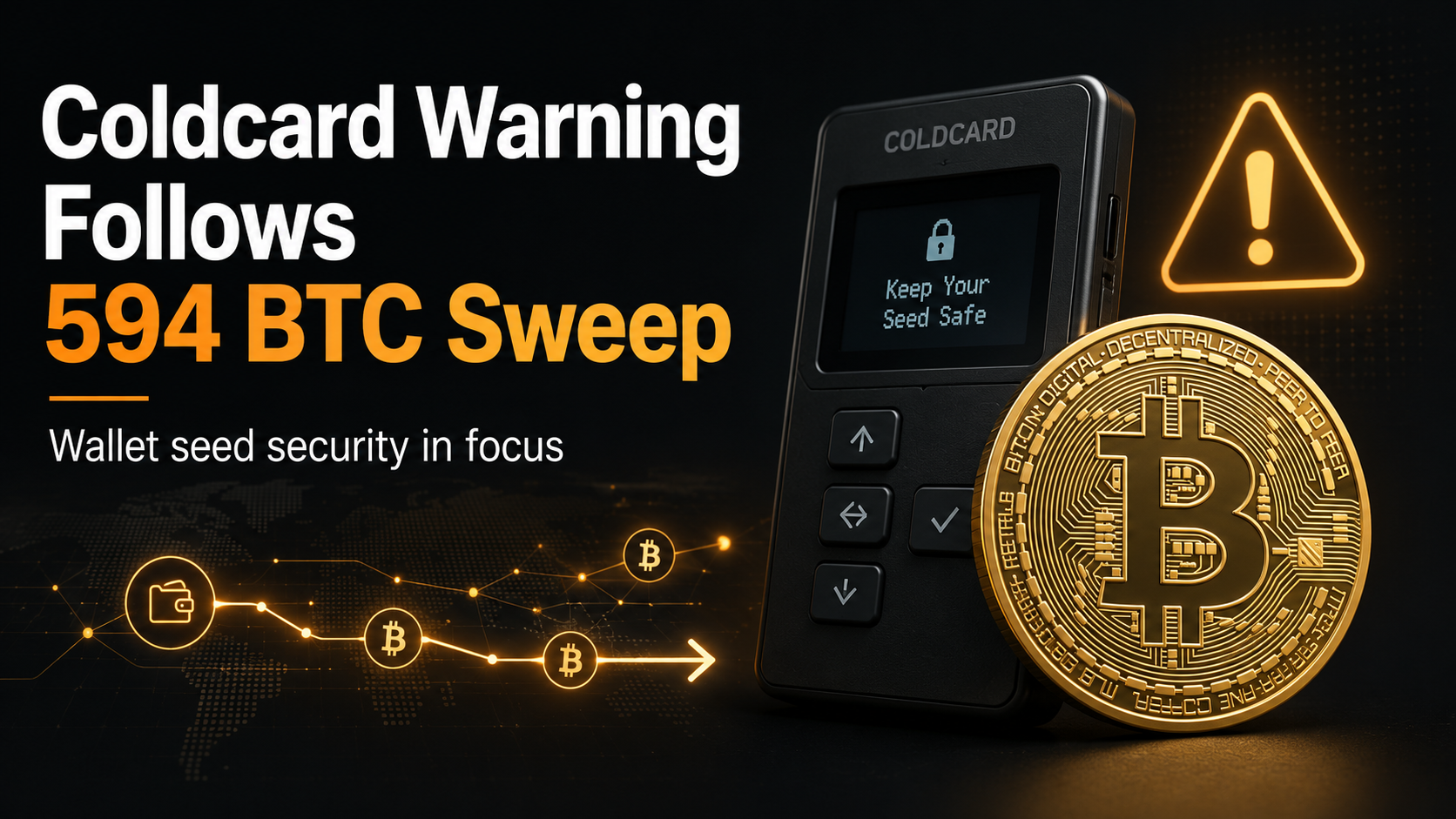
تحذير Coldcard Mk3 يتبع مسح Bitcoin بقيمة 38 مليون دولار، لكن السبب لا يزال غير مؤكد

تحذير Coldcard Mk3 يتبع مسح Bitcoin بقيمة 38 مليون دولار، لكن السبب لا يزال غير مؤكد

حذرت شركة Coinkite، صانعة محافظ البيتكوين المادية، المستخدمين من مشكلة في توليد البذور تؤثر على أجهزة Coldcard، بما في ذلك كل إصدارات البرامج الثابتة Mk3 بدءاً من الإصدار 4.0.1 فصاعداً. وقد ظهرت هذه ا
انسحاب Bitget من اليابان: انتهاء خدمات المقيمين اليابانيين في 31 ديسمبر 2026

انسحاب Bitget من اليابان: انتهاء خدمات المقيمين اليابانيين في 31 ديسمبر 2026

ستقوم Bitget بإنهاء خدماتها للمستخدمين في اليابان في 31 ديسمبر 2026. يجب على المستخدمين المتأثرين إغلاق المراكز المفتوحة وسحب الأصول قبل الموعد النهائي.


ماستركارد تكمل استحواذها على BVNK بقيمة تصل إلى 1.8 مليار دولار—العملات المستقرة تدخل صلب المدفوعات العالمية

ماستركارد تكمل استحواذها على BVNK بقيمة تصل إلى 1.8 مليار دولار—العملات المستقرة تدخل صلب المدفوعات العالمية

أكملت ماستركارد استحواذها على مزود البنية التحتية للعملات المستقرة BVNK في 3 أغسطس 2026، بعد الإعلان عن الصفقة في مارس.

نسبة حجم التداول الفوري من DEX إلى CEX تصل إلى 24% مع ضعف نشاط البورصات المركزية

نسبة حجم التداول الفوري من DEX إلى CEX تصل إلى 24% مع ضعف نشاط البورصات المركزية

وفقاً لسلسلة البيانات الحالية من The Block، بلغت نسبة حجم التداول الفوري في المنصات اللامركزية (DEX) إلى حجم التداول الفوري في المنصات المركزية (CEX) 24.14% في يوليو 2026. لا يعني هذا الرقم أن منصات D

مقالات ذات صلة

عرض المزيد
ما هي العملة المستقرة؟ دليل شامل للمبتدئين في العملات المشفرة المستقرة

ما هي العملة المستقرة؟ دليل شامل للمبتدئين في العملات المشفرة المستقرة

هل أنت مهتم بالعملات المستقرة ولكنك تجد عالم العملات المشفرة شاقًا؟ لست وحدك. قد تكون العملات المشفرة معقدة، خاصةً للمبتدئين في هذا المجال. يقدم هذا الدليل الشامل مقدمة واضحة وسهلة الفهم عن العملات ال
هل يجب بيع XRP؟ نظرة واقعية على قرار الاستثمار الخاص بك

هل يجب بيع XRP؟ نظرة واقعية على قرار الاستثمار الخاص بك

تقلبات سعر XRP تدفع العديد من المستثمرين لطرح سؤال صعب: هل أبيع XRP الآن، أم أحتفظ به؟هذا ليس قرارًا سهلاً. حقق XRP مكاسب طويلة الأجل مثيرة للإعجاب لكنه يواجه ضغوطًا تنافسية حقيقية. الوضوح القانوني ال
توقع سعر أوندو فاينانس (ONDO) لعام 2026: مستقبل قطاع الأصول الواقعية (RWA)

توقع سعر أوندو فاينانس (ONDO) لعام 2026: مستقبل قطاع الأصول الواقعية (RWA)

أوندو فاينانس (ONDO) هو البروتوكول الرائد في توكنة الأصول الواقعية من حيث القيمة الإجمالية المقفلة، مع أصول مُدارة تبلغ 3 مليارات دولار اعتباراً من أوائل أبريل 2026 وقيمة سوقية تقارب 1.24 مليار دولار.

كيف تسترد الأموال المفقودة في عمليات الاحتيال عبر تحويل ETH؟ طرق الاسترداد خطوة بخطوة

كيف تسترد الأموال المفقودة في عمليات الاحتيال عبر تحويل ETH؟ طرق الاسترداد خطوة بخطوة

خسارة الإيثيريوم بسبب عمليات الاحتيال عبر التحويل أمر مدمّر، لكن قد تظل هناك إمكانية للاسترداد إذا تصرفت بسرعة.يرشدك هذا الدليل عبر الخطوات الحاسمة التي يجب اتخاذها فور اكتشاف الاحتيال، بدءاً من توثيق

اشترك في MEXC
اشترك واحصل على ما يصل إلى 10,000 USDT بونص
ما نمطك الاستثماري في وول ستريت؟
ما نمطك الاستثماري في وول ستريت؟ما نمطك الاستثماري في وول ستريت؟
6 شخصيات. الجميع يفوز بحصة 30K$ من NVDAX.