Is the AI Tech Sector Entering a Bear Market?

The AI tech sector is under real pressure. Semiconductor stocks have suffered one of their sharpest pullbacks of the year, the Nasdaq-100 has moved close to correction territory, and traders are questioning whether the AI trade that lifted NVDAUSDT and SOXLUSDT has finally gone too far. The clean answer is this: parts of the AI trade are already in a bear market, but the broader AI technology cycle has not yet clearly broken.
That distinction matters. A sector can go through a violent valuation reset without the underlying business cycle ending. In late July 2026, the weakest parts of the AI market are not the companies with the best earnings visibility. They are the names that were priced as if AI demand would grow in a straight line forever.
The Selloff Is Real, But It Is Not Evenly Distributed
The most important data point is the semiconductor drawdown. The PHLX Semiconductor Index recently fell more than 20% from its late-June high, which technically puts it in bear-market territory. Some memory and AI infrastructure names have fallen much more than that. Market reports also showed the iShares Semiconductor ETF down around 21% for July even after a sharp rebound session.
That is not a normal dip. It is a major reset in the most crowded part of the AI trade.
But the broader market picture is less extreme. The Nasdaq-100 has been close to correction territory, while the S&P 500 has remained far from a full bear-market decline. That suggests investors are not abandoning equities altogether. They are reducing exposure to the most expensive and most crowded AI winners while rotating into companies with stronger cash flow visibility, lower valuation risk, or more defensive earnings profiles.
So if the question is “are AI chip stocks in a bear market?” the answer for parts of the group is yes. If the question is “has the entire AI tech industry entered a bear market?” the answer is not yet.
The AI Spending Debate Has Changed
The market is no longer asking whether big tech companies will spend on AI. They clearly will. Alphabet, Meta, Microsoft, and other major cloud and platform companies continue to signal large capital expenditure plans for data centers, GPUs, networking, power infrastructure, and AI services.
The new question is different: will that spending generate enough return?
That is why the same capex headline can now create opposite reactions. More AI spending used to be automatically bullish for chipmakers. Now it can worry investors because it raises questions about margins, free cash flow, debt, depreciation, and whether customers will pay enough for AI products to justify the infrastructure buildout.
This is the key change in the AI trade. In 2024 and 2025, investors rewarded the size of the AI buildout. In 2026, they are starting to demand proof of AI monetization.
A Bear Market in Expectations
The most useful way to describe the current setup is not “AI is dead.” It is “AI expectations are in a bear market.”
For the last two years, investors often treated AI demand as almost limitless. That made sense while revenue beats were large, supply was tight, and every major enterprise seemed willing to pay for compute. But as valuations expanded, the burden of proof moved higher. Companies now need to show not only that AI demand exists, but that it can support today’s market caps.
This explains why some stocks can report strong numbers and still fall. The problem is not always bad earnings. Sometimes the problem is that the market has already priced in near-perfect earnings.
That is especially true in memory, networking, power equipment, AI servers, and high-beta semiconductor names. Many of these stocks rose sharply before the recent correction. A 20% or 30% decline may look dramatic, but in some cases it is also the market taking back excess multiple expansion from earlier in the year.
The Bull Case Has Not Disappeared
The AI tech sector still has real support. Microsoft’s latest earnings and capex commentary helped revive confidence in parts of the trade. Chip stocks also staged a strong rebound after several days of heavy selling, showing that buyers are still willing to step in when valuations reset.
The long-term AI infrastructure cycle remains intact because the demand drivers are not fictional. Cloud providers need accelerators. Enterprises are deploying AI assistants and workflow tools. Data centers need memory, networking, storage, cooling, and power. Software companies are still trying to turn AI features into subscription revenue. None of that disappears because the sector had a bad month.
The bullish case is that this selloff removes the weakest speculation, resets valuations, and allows earnings growth to catch up. If AI capex remains strong and companies show better monetization over the next few quarters, the current pullback may eventually look like a painful but healthy correction.
The Bear Case Is About ROI, Debt, and Crowding
The bearish case is stronger than it was earlier this year. Investors are now worried about three things.
The first is return on investment. If cloud companies spend hundreds of billions of dollars on AI infrastructure but cannot charge enough for AI services, the trade becomes less attractive. Revenue growth would still exist, but margins could compress.
The second is balance-sheet pressure. AI infrastructure is expensive. Data centers, GPUs, power contracts, and networking equipment require enormous capital. If companies fund too much of this through debt or long-term commitments, investors may start treating AI capex like a financial risk rather than a growth signal.
The third is crowding. When too many funds own the same AI winners, selling can feed on itself. A small disappointment in one name can trigger de-risking across the whole basket. That is why recent declines have felt faster than normal. The trade had become too popular.
What Would Confirm a Real AI Bear Market?
A true AI tech bear market would require more than a semiconductor correction. Investors should watch for four signals.
First, broad index damage. If the Nasdaq-100 breaks well beyond correction territory and the broader market starts following AI lower, the risk becomes more systemic.
Second, capex cuts. If major cloud companies begin reducing AI spending plans rather than simply managing the pace of investment, that would be a serious warning.
Third, earnings misses from the core winners. The AI trade can survive valuation resets. It is harder to survive if revenue growth, margins, or forward guidance begin to crack.
Fourth, credit stress. If investors become meaningfully worried about debt used to finance AI infrastructure, the sector could shift from an equity-growth story to a balance-sheet-risk story.
Without those confirmations, the current move still looks more like a severe correction and rotation than a full industry bear market.
What Investors Should Do With This Setup
The worst response is to treat every AI stock the same. The easy AI trade was buying almost anything attached to chips, cloud, data centers, or automation. That phase is probably over.
The next phase is selection. Investors need to separate companies that sell mission-critical AI infrastructure from companies that merely use AI language in their story. They also need to distinguish firms with pricing power and earnings visibility from those relying on future monetization that has not yet appeared.
For traders, this is a volatility market. Sharp rebounds can happen quickly because the AI trade remains heavily watched. But rebounds can also fail if they are driven only by short covering rather than renewed conviction.
For longer-term investors, the better question is not “is AI over?” It is “which companies still have durable earnings if AI multiples compress?”
Bottom Line
The AI tech sector is not in a clean, broad bear market yet. But the AI momentum trade has clearly broken. Semiconductor stocks have already entered bear-market territory in some indexes, high-beta AI names have been punished, and the market is no longer willing to pay any price for future compute demand.
That does not mean the AI cycle is finished. It means the market has moved from belief to verification. AI spending still matters, but now investors want to see returns. Revenue still matters, but margins matter more. Growth still matters, but valuation discipline is back.
The best summary is this: AI technology is not dead, but the no-questions-asked AI trade is.
FAQ
Is the AI tech sector in a bear market?
Parts of the AI tech sector, especially semiconductors and high-beta infrastructure names, have entered bear-market-style drawdowns. The broader AI technology industry has not clearly entered a full bear market yet.
Why are AI stocks falling?
AI stocks are falling because investors are worried about high valuations, crowded positioning, rising capital spending, uncertain returns on AI infrastructure, and pressure from higher rates or tighter financial conditions.
Are semiconductor stocks in a bear market?
Several semiconductor indexes and AI-linked chip groups have seen declines of more than 20% from recent highs, which is commonly viewed as bear-market territory for that segment.
Is AI still a good long-term investment theme?
AI remains an important long-term technology theme, but investors need to be more selective. The market is shifting from broad AI excitement to proof of revenue, margins, and return on investment.
What should traders watch next?
Traders should watch cloud capex guidance, semiconductor earnings, AI infrastructure margins, Nasdaq-100 technical levels, credit spreads tied to AI buildout, and whether rebounds are supported by real buying rather than short covering.
Risk Warning
Technology stocks, semiconductor assets, and stock-index futures can be highly volatile. AI-related assets may be affected by valuation compression, earnings disappointment, capital spending changes, interest rates, credit conditions, geopolitical risk, and investor positioning. This article is for informational purposes only and does not constitute investment advice.
المقالات الشعبية
عرض المزيد
كيفية استخدام الذكاء الاصطناعي لتحليل سوق الكريبتو
يتضمن تحليل سوق الكريبتو أكثر بكثير من مجرد التحقق مما إذا كان البيتكوين أو أي أصل آخر يرتفع أو ينخفض. يحتاج المتداولون إلى فهم بنية الأسعار، وحجم التداول، والتقلب، والمؤشرات الفنية، وأخبار السوق، وات

ما هو مساعد التداول بالذكاء الاصطناعي وكيف يمكن للمتداولين استخدامه?
الذكاء الاصطناعي يغيّر طريقة تفاعل المتداولين مع المعلومات المالية. لسنوات، كان استخدام أدوات التداول يعني عادةً التنقل عبر واجهات متعددة: فتح الرسوم البيانية، البحث عن الأخبار، فحص المؤشرات، مقارنة ا

كيفية استخدام الذكاء الاصطناعي للعثور على فرص التداول في الكريبتو
تنتج أسواق الكريبتو معلومات أكثر مما يمكن لأي متداول فردي معالجته بشكل واقعي. تتحرك الأسعار على مدار الساعة، وتتغير أحجام التداول بسرعة، وتظهر روايات جديدة عبر القطاعات، ويمكن للتطورات الإخبارية أو عب

الأخبار الرائجة
عرض المزيد
التقرير اليومي على السلسلة من MEXC: تسعير الطرح العام الأولي لـ SpaceX بـ 135 دولارًا للسهم
يواصل سوق الكريبتو مسيرته مدفوعًا بالتقارب بين التمويل التقليدي والذكاء الاصطناعي والبنية التحتية لتقنية البلوكتشين. حصلت شركة Digital Asset على جولة تمويل كبرى بقيمة 355 مليون دولار بقيادة a16z crypt

التقرير اليومي على السلسلة من MEXC: صندوق ETF البيتكوين الفوري الأمريكي سجّل صافي تدفقات خارجة بلغت 319 مليون دولار الأسبوع الماضي
شهدت أسواق الكريبتو تدفقات خارجة من ETF، وتحولات تنظيمية، وتصاعداً في اتجاهات التوكنة. تشمل أبرز النقاط: تفاؤل بشأن الطرح العام الأولي لـ SpaceX، وخطط سياسة التوكنة لدى SEC، وتوسع CFTC في المشتقات الم

من تجارة الندرة إلى انضباط التقييم: تراجع SpaceX يختبر طموح OpenAI في الطرح العام الأولي
يُشار إلى أن OpenAI تميل نحو تأجيل طرحها العام الأولي (IPO) حتى عام 2027، غير أن الإشارة الأحدّ من السوق تأتي من SpaceX. أغلقت SpaceX منخفضةً بنسبة 16.4% عند 154.60 دولار في 22 يونيو، بانخفاض 31.5% عن
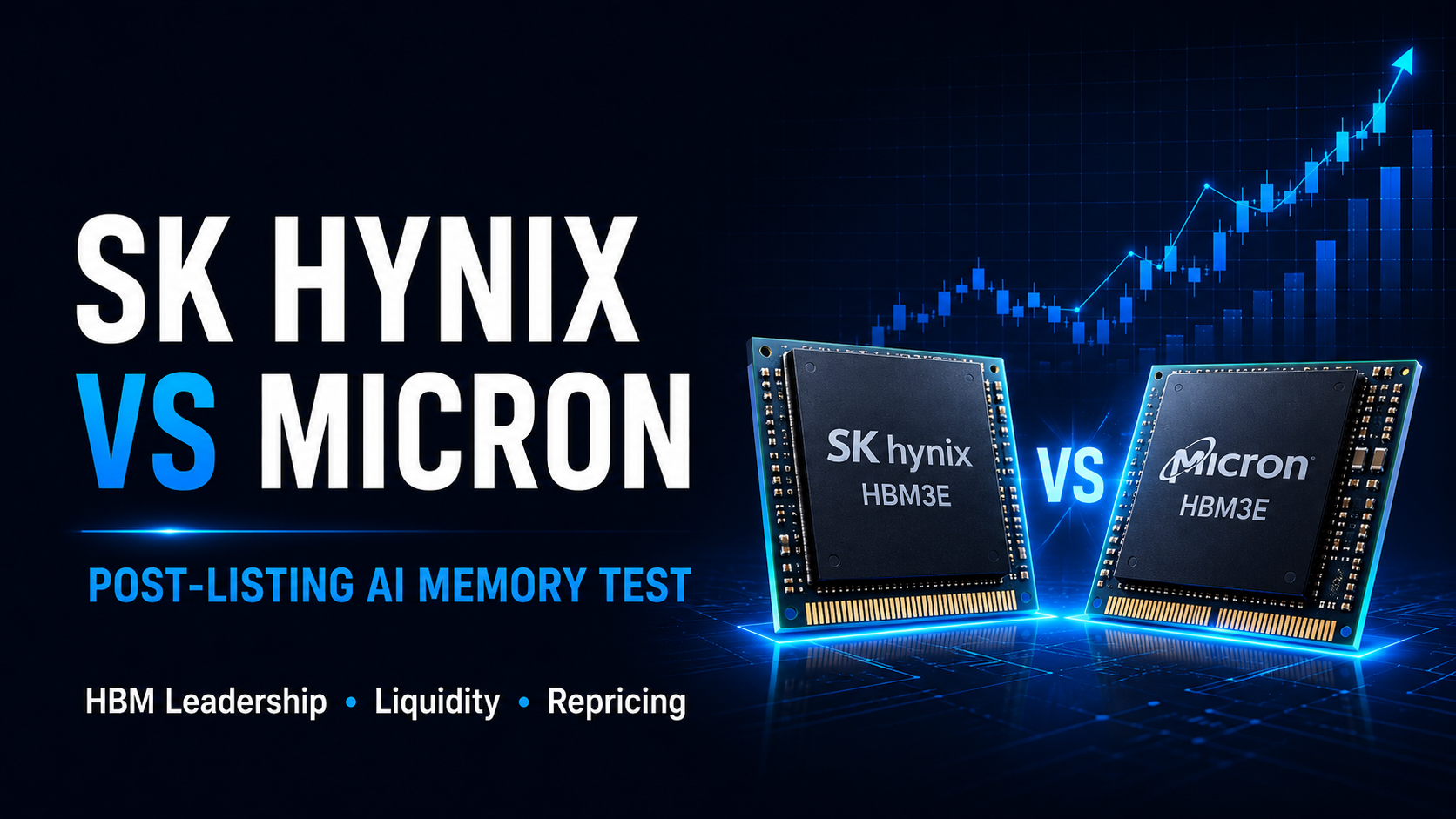
إس كيه هاينيكس مقابل مايكرون: كيف يعيد إدراج إس كيه إتش واي القادم تسعير قيادة ذاكرة الذكاء الاصطناعي وذاكرة HBM
من المتوقع أن يغير الطرح المرتقب بشدة لشركة SK Hynix في بورصة ناسداك تحت الرمز SKHY طريقة تقييم المستثمرين الأمريكيين لأسهم ذاكرة الذكاء الاصطناعي. لسنوات، كانت شركة ميكرون (MU) هي الوكيل المعتمد المت
مقالات ذات صلة
عرض المزيد
توقعات USDJPY بعد ارتفاع الين في 30 يوليو 2026: لماذا انخفض الدولار وماذا سيحدث لاحقاً
شهد زوج USDJPY انعكاساً حاداً وغير معتاد خلال مساء 30 يوليو 2026 بتوقيت هونغ كونغ. انخفض الدولار الأمريكي بنسبة تصل إلى 3% مقابل الين الياباني، مما دفع زوج USDJPY مؤقتاً إلى مستوى حوالي 158.34 بعد أن
تدفقات الأصول الذكية للكريبتو إلى MEXC: ما تكشفه صافي التدفقات الداخلة خلال 24 ساعة و7 أيام
ملخصفي سوق الكريبتو، غالباً ما تتجه رؤوس الأموال نحو المنصات التي توفر سيولة تنافسية، وتغطية واسعة للأصول، وبنية تحتية تداول فعالة، ومعلومات شفافة عن الاحتياطيات. في هذه المقالة، يشير مصطلح أصل كريبتو
عملة OSOR: رمز احتياطي النفط السعودي بين الادعاءات الكبيرة والتساؤلات الأكبر
التحقق من الوضع "الرسمي": على الرغم من الاسم، لا توجد أدلة عامة على أن OSOR مدعوم من أرامكو السعودية أو الحكومة السعودية.مخاطر عنوان العقد: تظهر عناوين عقود متعددة لـ OSOR عبر منصات مختلفة، مما قد يؤد