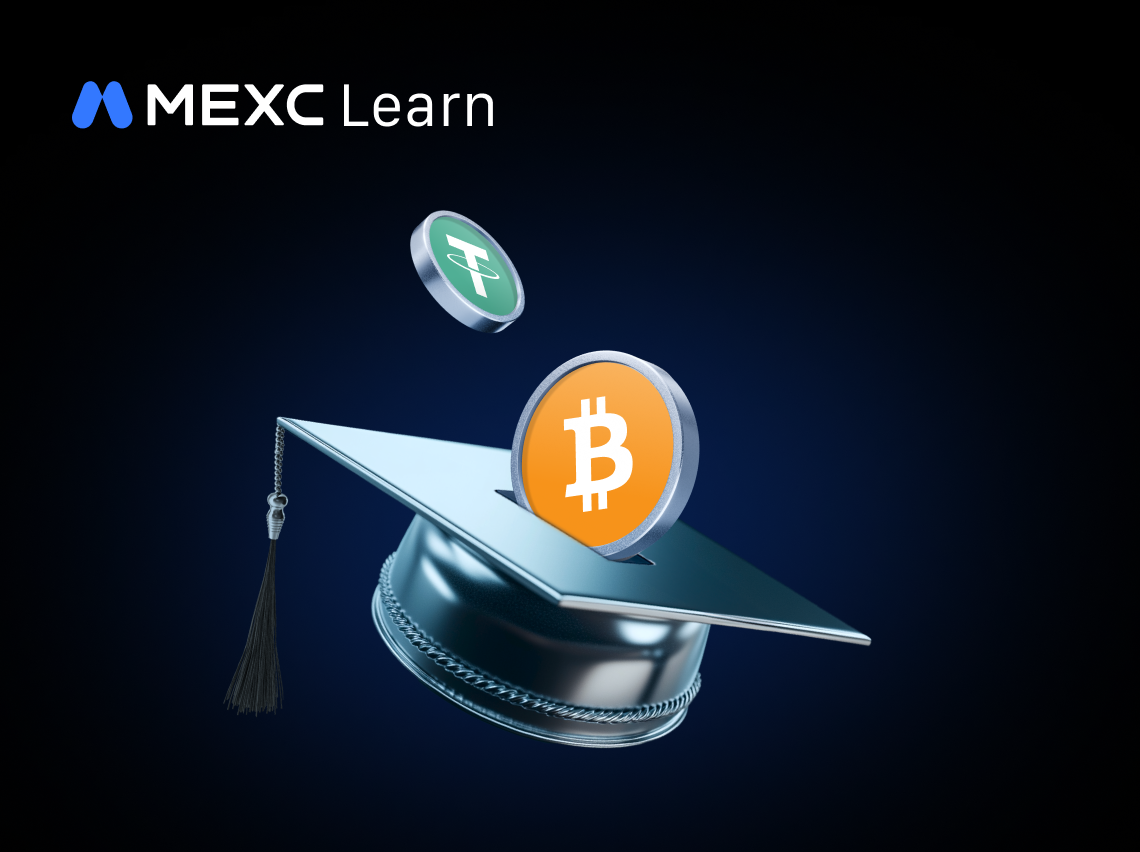
Have you ever wondered if your cryptocurrency could work for you while you sleep? Staking crypto offers exactly that opportunity—a way to earn passive income simply by holding certain digital assets.Have you ever wondered if your cryptocurrency could work for you while you sleep? Staking crypto offers exactly that opportunity—a way to earn passive income simply by holding certain digital assets.
تعلم/Cryptocurrency Knowledge/Hot Concepts/What Is Sta...ner's Guide

What Is Staking Crypto and How Does It Work? Complete Beginner's Guide

مبتدئ
Sep 21, 2026MEXC
0m
ELYSIA
EL$0.001903+2.64%
Have you ever wondered if your cryptocurrency could work for you while you sleep?
Staking crypto offers exactly that opportunity—a way to earn passive income simply by holding certain digital assets.
This guide explains what crypto staking means, how it actually works, and whether it's the right choice for your investment goals.
You'll learn about the rewards you can earn, the risks you need to understand, and the simple steps to start staking today.

Key Takeaways:
  • Staking crypto lets you earn passive income by locking digital assets to help secure blockchain networks.
  • Only Proof-of-Stake cryptocurrencies like Ethereum, Cardano, and Solana support staking.
  • Rewards vary based on network conditions, validator performance, and the amount you stake.
  • Your crypto becomes temporarily locked during staking periods, limiting immediate access to funds.
  • Market volatility can affect the overall value of your staked holdings regardless of rewards earned.
  • Reputable platforms and established cryptocurrencies help minimize staking risks.

What Is Staking Crypto and How Does It Work?

Crypto staking is a process where you lock up your digital assets to help secure a blockchain network.
Think of it like depositing money into a savings account, except instead of a bank paying you interest, the blockchain network rewards you with more cryptocurrency.
When you stake crypto, you're participating in what's called a Proof-of-Stake system, which is different from the energy-intensive mining used by Bitcoin.
Your staked coins help validate transactions and keep the network running smoothly and securely.

How Does Crypto Staking Work?

The staking process starts when you deposit your cryptocurrency into a staking wallet or platform.
The network then uses an algorithm to randomly select validators from the pool of stakers to confirm new transactions.
The more crypto you stake, the higher your chances of being selected, though most networks include randomness to give everyone a fair opportunity.
When validators successfully confirm a block of transactions, they receive newly minted cryptocurrency as rewards, which are distributed proportionally to stakers.

What Is Proof of Stake in Crypto Staking?

Proof-of-Stake is the technology that makes staking possible.
Unlike Proof-of-Work blockchains that require expensive mining equipment and massive electricity consumption, Proof-of-Stake networks select validators based on the amount of cryptocurrency they've staked.
This system is significantly more energy-efficient and accessible to everyday investors.
Validators who act dishonestly risk losing their staked coins through a penalty called "slashing," which keeps everyone honest and the network secure.


Benefits of Staking Crypto

Staking has become popular because it offers a straightforward way to earn passive income without selling your crypto holdings.
Many investors stake coins they plan to hold long-term anyway, turning idle assets into productive ones that generate regular rewards.
For example, when you stake Ethereum, you can earn rewards that vary based on network conditions, while other cryptocurrencies like Solana or Cardano may offer different rates.
Beyond the financial incentive, staking helps you actively support blockchain networks you believe in by contributing to their security and efficiency.
The process requires no expensive hardware or technical expertise, making it accessible even for beginners.
  • New projects like Arichain offer beginner-friendly staking—see our Arichain guide.
Additionally, staking is more environmentally friendly than traditional cryptocurrency mining, which appeals to investors concerned about energy consumption.


Risks of Staking Crypto


1. Lock-Up Periods and Liquidity Concerns

One major consideration when staking crypto is that your funds become temporarily locked.
During the staking period, you cannot sell, trade, or transfer your cryptocurrency, which means you're unable to react quickly if market prices suddenly drop.
Different cryptocurrencies have different lock-up requirements—some allow flexible staking with no minimum period, while others require you to commit for weeks or even months.
Even after you decide to unstake, there's often an "unbonding period" where you must wait several days before accessing your funds again.


2. Market Volatility and Price Risk

Cryptocurrency prices are notoriously volatile and can fluctuate dramatically in short periods.
Even if you earn 10% staking rewards over a year, your overall position could lose value if the cryptocurrency's price drops by 20% or more.
This means the rewards you earn from staking might not offset losses from price declines, especially during bear markets.
Because your crypto is locked during staking, you can't exit your position to prevent losses when you see concerning market trends.
  • Want stable yields without price risk? Consider USDT staking for stablecoin rewards.
  • Or explore USDC staking for similar stable returns.


3. Validator and Network Risks

When you stake through a validator, you're trusting them to act honestly and maintain their systems properly.
If your chosen validator experiences technical problems, goes offline frequently, or behaves maliciously, you could miss out on rewards or even face slashing penalties.
Slashing occurs when validators violate network rules, resulting in partial or complete loss of staked funds, which can also affect those who delegated to that validator.
Researching validator performance history and uptime records before choosing where to stake is essential for protecting your investment.


How to Stake Crypto? 5 Simple Steps to Start

Step 1: Choose the Best Crypto for Staking

Not all cryptocurrencies offer staking—only those using Proof-of-Stake or similar consensus mechanisms do.
Popular options include Ethereum, Cardano, and Solana, each offering competitive staking rewards that vary based on network conditions and validator performance.
Other established staking cryptocurrencies include Polkadot, Avalanche, and Cosmos, each with their own reward structures and network characteristics.
Research each cryptocurrency's staking requirements, including minimum amounts needed and lock-up periods, before making your choice.

Step 2: Select a Crypto Staking Platform

You have several options for how to stake your cryptocurrency.
Cryptocurrency exchanges like MEXC offer the simplest approach, handling all technical aspects while you earn rewards directly in your account.
Staking pools allow multiple investors to combine their holdings, lowering the minimum investment required and sharing rewards proportionally.
For those seeking more control, direct staking involves running your own validator node, though this requires technical knowledge and meeting higher minimum thresholds.

Step 3: Purchase Your Crypto for Staking

Once you've decided which cryptocurrency to stake and where to stake it, you'll need to acquire the tokens.
Most platforms allow you to purchase crypto directly with traditional currency through bank transfers or credit cards.
Check the minimum staking requirements for your chosen cryptocurrency—some like Ethereum historically required 32 ETH for direct validation, though pooled staking significantly lowers these barriers.
Make sure you buy slightly more than the minimum to account for any transaction fees when transferring to your staking wallet.

Step 4: Start Staking Your Crypto

After purchasing your cryptocurrency, navigate to the staking section of your chosen platform.
Select the amount you want to stake and review the terms carefully, including the annual percentage yield (APY), lock-up period, and unstaking timeline.
Confirm your staking transaction, and your coins will be locked into the network.
Most platforms show your staked balance separately from your available balance, and you can typically track your accumulated rewards in real-time through your account dashboard.

Step 5: Track Your Crypto Staking Rewards

After staking, rewards typically begin accumulating within days, though some networks have bonding periods before rewards start.
Payment frequency varies by cryptocurrency—some distribute rewards daily, others weekly or monthly, depending on the network's design.
Many platforms offer automatic reward compounding, where earned rewards are automatically restaked to generate additional returns over time.
You can unstake your cryptocurrency whenever you choose, though remember to account for any unbonding periods before your funds become available again.


FAQ

What does staking crypto mean?
Staking crypto means locking your cryptocurrency to help secure a blockchain network in exchange for earning rewards.


Is staking crypto worth it?
Staking is worth it for long-term holders who want passive income, but consider your risk tolerance and whether you need quick access to your funds.


Is staking crypto safe?
Staking carries risks including market volatility and platform security, but using reputable platforms and established cryptocurrencies significantly reduces these concerns.


How does staking crypto work?
Staking works by locking your coins in a network that randomly selects validators to confirm transactions, rewarding them with newly minted cryptocurrency.


What are the risks of staking crypto?
The main risks include lock-up periods preventing access to funds, cryptocurrency price volatility, potential slashing penalties, and validator performance issues.


What is the highest APY for crypto staking?
The highest staking APY varies constantly depending on the cryptocurrency, network conditions, and platform used, with different projects offering different reward structures.


Conclusion

Staking crypto offers an accessible way to earn passive income from your cryptocurrency holdings without expensive equipment or technical expertise.
By understanding both the rewards and risks, you can make informed decisions about whether staking fits your investment strategy.
Start small with established cryptocurrencies on reputable platforms like MEXC, and gradually increase your staking as you become more comfortable with the process.
Remember that staking works best for long-term holders who can afford to lock up their assets during the staking period.
فرصة السوق
شعار ELYSIA
سعر ELYSIA (EL)
$0.001903
$0.001903$0.001903
+2.09%
USD
مخطط أسعار ELYSIA (EL) المباشر

المقالات الشعبية

عرض المزيد
قفزة مؤشر أسعار المستهلك تؤجج مخاوف رفع أسعار الفائدة؛ عوائد سندات الخزانة الأمريكية تتجاوز 5% لتسجل أعلى مستوى خلال 19 عامًا: ما الذي تسعّره الأسواق؟ | التقرير البحثي الأسبوعي لمتداول Alpha من MEXC

قفزة مؤشر أسعار المستهلك تؤجج مخاوف رفع أسعار الفائدة؛ عوائد سندات الخزانة الأمريكية تتجاوز 5% لتسجل أعلى مستوى خلال 19 عامًا: ما الذي تسعّره الأسواق؟ | التقرير البحثي الأسبوعي لمتداول Alpha من MEXC

سبتمبر 2026، الأسبوع الثاني فترة التقرير: 9 سبتمبر – 15 سبتمبر 2026 تاريخ انتهاء جمع البيانات: 15 سبتمبر 2026 نظرة عامة على السوق واجه سوق العملات المشفرة ضغوطًا مستمرة خلال الأسبوع الماضي نتيجة تضافر
MEXC تقرير متداول Alpha الأسبوعي | تباين نادر بين NFP وADP يشعل شدًّا وجذبًا في السوق: رفع الفائدة أم التوقف؟

MEXC تقرير متداول Alpha الأسبوعي | تباين نادر بين NFP وADP يشعل شدًّا وجذبًا في السوق: رفع الفائدة أم التوقف؟

الأسبوع الأول من سبتمبر 2026 الفترة الإحصائية: 2 سبتمبر 2026 – 8 سبتمبر تاريخ قطع البيانات: 8 سبتمبر 2026 السرد الأساسي مدفوعًا بالبيانات الاقتصادية الكلية والتوترات الجيوسياسية، شهد سوق الكريبتو تقلب
MEXC موجز أبحاث متداول Alpha الأسبوعي | تصريحات متشددة من واشنطن تعيد تشكيل التوقعات: ترتفع احتمالات رفع أسعار الفائدة إلى 56%، ما يضغط على الأصول عالية المخاطر

MEXC موجز أبحاث متداول Alpha الأسبوعي | تصريحات متشددة من واشنطن تعيد تشكيل التوقعات: ترتفع احتمالات رفع أسعار الفائدة إلى 56%، ما يضغط على الأصول عالية المخاطر

الأسبوع الرابع من أغسطس 2026 الفترة: 26 أغسطس 2026 – 1 سبتمبر 2026 تاريخ قطع البيانات: 1 سبتمبر 2026 السرد الأساسي خلال الأسبوع الماضي، شهد سوق الكريبتو انعكاسًا حادًا، حيث انتقل بسرعة من الهوس إلى ال
MEXC Alpha Trader Investment Research Weekly | "US Dollar Depreciation Trade" Ignites the Market, BTC and Gold Break Through Simultaneously—A New Paradigm or a Short-Term Frenzy?

MEXC Alpha Trader Investment Research Weekly | "US Dollar Depreciation Trade" Ignites the Market, BTC and Gold Break Through Simultaneously—A New Paradigm or a Short-Term Frenzy?

الأسبوع الثالث من أغسطس 2026 الفترة الإحصائية: 19 أغسطس 2026 – 25 أغسطس 2026 الموعد النهائي للبيانات: 25 أغسطس 2026 السرد الأساسي خلال الأسبوع الماضي، شهد سوق الكريبتو ارتفاعًا أحاديًا نادرًا. بيتكوين

الأخبار الرائجة

عرض المزيد

تحذير Coldcard Mk3 يتبع مسح Bitcoin بقيمة 38 مليون دولار، لكن السبب لا يزال غير مؤكد

تحذير Coldcard Mk3 يتبع مسح Bitcoin بقيمة 38 مليون دولار، لكن السبب لا يزال غير مؤكد

حذرت شركة Coinkite، صانعة محافظ البيتكوين المادية، المستخدمين من مشكلة في توليد البذور تؤثر على أجهزة Coldcard، بما في ذلك كل إصدارات البرامج الثابتة Mk3 بدءاً من الإصدار 4.0.1 فصاعداً. وقد ظهرت هذه ا

انسحاب Bitget من اليابان: انتهاء خدمات المقيمين اليابانيين في 31 ديسمبر 2026

انسحاب Bitget من اليابان: انتهاء خدمات المقيمين اليابانيين في 31 ديسمبر 2026

ستقوم Bitget بإنهاء خدماتها للمستخدمين في اليابان في 31 ديسمبر 2026. يجب على المستخدمين المتأثرين إغلاق المراكز المفتوحة وسحب الأصول قبل الموعد النهائي.


ماستركارد تكمل استحواذها على BVNK بقيمة تصل إلى 1.8 مليار دولار—العملات المستقرة تدخل صلب المدفوعات العالمية

ماستركارد تكمل استحواذها على BVNK بقيمة تصل إلى 1.8 مليار دولار—العملات المستقرة تدخل صلب المدفوعات العالمية

أكملت ماستركارد استحواذها على مزود البنية التحتية للعملات المستقرة BVNK في 3 أغسطس 2026، بعد الإعلان عن الصفقة في مارس.

نسبة حجم التداول الفوري من DEX إلى CEX تصل إلى 24% مع ضعف نشاط البورصات المركزية

نسبة حجم التداول الفوري من DEX إلى CEX تصل إلى 24% مع ضعف نشاط البورصات المركزية

وفقاً لسلسلة البيانات الحالية من The Block، بلغت نسبة حجم التداول الفوري في المنصات اللامركزية (DEX) إلى حجم التداول الفوري في المنصات المركزية (CEX) 24.14% في يوليو 2026. لا يعني هذا الرقم أن منصات D

مقالات ذات صلة

عرض المزيد
ما هي العملة المستقرة؟ دليل شامل للمبتدئين في العملات المشفرة المستقرة

ما هي العملة المستقرة؟ دليل شامل للمبتدئين في العملات المشفرة المستقرة

هل أنت مهتم بالعملات المستقرة ولكنك تجد عالم العملات المشفرة شاقًا؟ لست وحدك. قد تكون العملات المشفرة معقدة، خاصةً للمبتدئين في هذا المجال. يقدم هذا الدليل الشامل مقدمة واضحة وسهلة الفهم عن العملات ال
هل يجب بيع XRP؟ نظرة واقعية على قرار الاستثمار الخاص بك

هل يجب بيع XRP؟ نظرة واقعية على قرار الاستثمار الخاص بك

تقلبات سعر XRP تدفع العديد من المستثمرين لطرح سؤال صعب: هل أبيع XRP الآن، أم أحتفظ به؟هذا ليس قرارًا سهلاً. حقق XRP مكاسب طويلة الأجل مثيرة للإعجاب لكنه يواجه ضغوطًا تنافسية حقيقية. الوضوح القانوني ال
توقع سعر أوندو فاينانس (ONDO) لعام 2026: مستقبل قطاع الأصول الواقعية (RWA)

توقع سعر أوندو فاينانس (ONDO) لعام 2026: مستقبل قطاع الأصول الواقعية (RWA)

أوندو فاينانس (ONDO) هو البروتوكول الرائد في توكنة الأصول الواقعية من حيث القيمة الإجمالية المقفلة، مع أصول مُدارة تبلغ 3 مليارات دولار اعتباراً من أوائل أبريل 2026 وقيمة سوقية تقارب 1.24 مليار دولار.

كيف تسترد الأموال المفقودة في عمليات الاحتيال عبر تحويل ETH؟ طرق الاسترداد خطوة بخطوة

كيف تسترد الأموال المفقودة في عمليات الاحتيال عبر تحويل ETH؟ طرق الاسترداد خطوة بخطوة

خسارة الإيثيريوم بسبب عمليات الاحتيال عبر التحويل أمر مدمّر، لكن قد تظل هناك إمكانية للاسترداد إذا تصرفت بسرعة.يرشدك هذا الدليل عبر الخطوات الحاسمة التي يجب اتخاذها فور اكتشاف الاحتيال، بدءاً من توثيق

اشترك في MEXC
اشترك واحصل على ما يصل إلى 10,000 USDT بونص
ما نمطك الاستثماري في وول ستريت؟
ما نمطك الاستثماري في وول ستريت؟ما نمطك الاستثماري في وول ستريت؟
6 شخصيات. الجميع يفوز بحصة 30K$ من NVDAX.