BitcoinWorld PYUSD Token Burn: Unpacking the Astonishing 600 Million Vanish The cryptocurrency world is abuzz with a significant event: a massive PYUSD token burn involving 600 million units of the stablecoin. This astonishing development, first reported by Whale Alert, saw a substantial portion of PYUSD removed from circulation from an unknown wallet. Such an event naturally sparks curiosity and raises questions about its implications for the stablecoin’s stability and future trajectory. What does it mean when such a large sum simply vanishes? What Exactly is a PYUSD Token Burn? Before diving into the specifics of this event, it is crucial to understand what a token burn entails. In simple terms, a token burn is the permanent removal of cryptocurrency tokens from circulation. This is achieved by sending tokens to an unspendable wallet address, often referred to as a “burner” address, where they can never be retrieved or used again. This process effectively reduces the total supply of the cryptocurrency. Why Burn Tokens? Token burns are often executed for several reasons: To reduce supply and potentially increase scarcity, which could lead to an increase in value if demand remains constant. To stabilize a cryptocurrency’s price, particularly for stablecoins. As part of a deflationary mechanism or to implement specific tokenomics strategies. To signal commitment to the project’s long-term health and value. The 600 Million PYUSD Token Burn: What Happened? Whale Alert, a well-known blockchain tracker, recently flagged a colossal transaction: 600 million PYUSD being transferred to an unknown wallet, which was subsequently identified as a burn address. The details surrounding the origin and specific intent behind this particular burn remain somewhat mysterious. However, the outcome is clear: these 600 million PYUSD tokens are now permanently out of circulation. This scale of a PYUSD token burn is not an everyday occurrence. It represents a substantial reduction in the overall supply of the stablecoin. While the exact reasoning from the entity initiating the burn is not public, such large-scale actions are typically strategic, aimed at influencing market dynamics or fulfilling predefined tokenomic policies. Why Does This PYUSD Token Burn Matter for the Stablecoin? A burn of this magnitude carries significant weight, especially for a stablecoin like PYUSD. Stablecoins are designed to maintain a stable value, often pegged to a fiat currency like the US dollar. Reducing the supply can have several implications: Scarcity and Value: By decreasing the total available supply, the burn could theoretically enhance the scarcity of PYUSD. For a stablecoin, this often means reinforcing its peg rather than driving up its price above the peg. Peg Stability: A controlled burn can be a mechanism to help maintain the stablecoin’s peg to its underlying asset. If the stablecoin’s market price deviates below its peg, reducing supply can help bring it back into line. Market Confidence: Large, well-communicated burns can sometimes boost investor confidence, signaling that the issuers are actively managing the token’s supply to ensure its stability and health. However, an ‘unknown wallet’ aspect adds a layer of intrigue. What Are the Potential Impacts of Such a Large PYUSD Token Burn? The immediate impact of the 600 million PYUSD token burn is a reduction in the total circulating supply. This action, while seemingly straightforward, can ripple through the broader cryptocurrency ecosystem. For PYUSD holders and potential investors, understanding these potential impacts is key. One primary effect is on the supply-demand equilibrium. With fewer tokens available, if demand for PYUSD remains consistent or grows, the stablecoin’s peg could be strengthened. Moreover, such a substantial burn might also be part of a larger strategy to comply with regulatory requirements or to adjust the stablecoin’s backing reserves. It is important to consider the transparency surrounding such events. While the act of burning is verifiable on the blockchain, the ‘unknown wallet’ aspect of this particular burn leaves room for speculation about its origins and ultimate goals. Transparency in such large-scale operations often builds greater trust within the community. In conclusion, the recent 600 million PYUSD token burn is a remarkable event that underscores the dynamic nature of the stablecoin market. While the exact motivations behind this specific burn from an unknown wallet remain to be fully clarified, its immediate effect is a significant reduction in PYUSD’s circulating supply. This move has the potential to influence the stablecoin’s scarcity, strengthen its peg, and shape market perceptions, ultimately contributing to the ongoing evolution of the digital asset landscape. Frequently Asked Questions About the PYUSD Token Burn Here are some common questions regarding token burns and the recent PYUSD event: Q1: What is a cryptocurrency token burn? A1: A token burn is the process of permanently removing cryptocurrency tokens from circulation by sending them to an unspendable wallet address. This reduces the total supply of the token. Q2: Why do projects conduct token burns? A2: Projects burn tokens for various reasons, including reducing supply to potentially increase scarcity, maintaining a stable price (especially for stablecoins), implementing deflationary tokenomics, or signaling commitment to the project’s long-term health. Q3: How does a PYUSD token burn affect its value? A3: For a stablecoin like PYUSD, a token burn is typically used to help maintain its peg to the US dollar by adjusting supply. While it reduces scarcity, its primary goal is usually to reinforce stability rather than to increase its price above the peg. Q4: Is the 600 million PYUSD burn a positive or negative event? A4: Generally, a controlled token burn is considered a positive mechanism for managing supply and potentially strengthening a stablecoin’s peg. The specific details, like the ‘unknown wallet’ in this case, might raise questions about transparency, but the act of burning itself is a common strategy. Q5: How can I verify a token burn? A5: Token burns are recorded on the blockchain. You can typically verify a burn by looking up the transaction on a blockchain explorer, where you will see tokens sent to a known burn address (an address with no private key, making the funds irretrievable). The world of stablecoins is constantly evolving, and events like this PYUSD token burn are crucial to understanding its dynamics. If you found this article insightful, please consider sharing it with your network on social media. Your shares help us bring important crypto news and analysis to a wider audience! To learn more about the latest crypto market trends, explore our article on key developments shaping stablecoin market stability. This post PYUSD Token Burn: Unpacking the Astonishing 600 Million Vanish first appeared on BitcoinWorld.BitcoinWorld PYUSD Token Burn: Unpacking the Astonishing 600 Million Vanish The cryptocurrency world is abuzz with a significant event: a massive PYUSD token burn involving 600 million units of the stablecoin. This astonishing development, first reported by Whale Alert, saw a substantial portion of PYUSD removed from circulation from an unknown wallet. Such an event naturally sparks curiosity and raises questions about its implications for the stablecoin’s stability and future trajectory. What does it mean when such a large sum simply vanishes? What Exactly is a PYUSD Token Burn? Before diving into the specifics of this event, it is crucial to understand what a token burn entails. In simple terms, a token burn is the permanent removal of cryptocurrency tokens from circulation. This is achieved by sending tokens to an unspendable wallet address, often referred to as a “burner” address, where they can never be retrieved or used again. This process effectively reduces the total supply of the cryptocurrency. Why Burn Tokens? Token burns are often executed for several reasons: To reduce supply and potentially increase scarcity, which could lead to an increase in value if demand remains constant. To stabilize a cryptocurrency’s price, particularly for stablecoins. As part of a deflationary mechanism or to implement specific tokenomics strategies. To signal commitment to the project’s long-term health and value. The 600 Million PYUSD Token Burn: What Happened? Whale Alert, a well-known blockchain tracker, recently flagged a colossal transaction: 600 million PYUSD being transferred to an unknown wallet, which was subsequently identified as a burn address. The details surrounding the origin and specific intent behind this particular burn remain somewhat mysterious. However, the outcome is clear: these 600 million PYUSD tokens are now permanently out of circulation. This scale of a PYUSD token burn is not an everyday occurrence. It represents a substantial reduction in the overall supply of the stablecoin. While the exact reasoning from the entity initiating the burn is not public, such large-scale actions are typically strategic, aimed at influencing market dynamics or fulfilling predefined tokenomic policies. Why Does This PYUSD Token Burn Matter for the Stablecoin? A burn of this magnitude carries significant weight, especially for a stablecoin like PYUSD. Stablecoins are designed to maintain a stable value, often pegged to a fiat currency like the US dollar. Reducing the supply can have several implications: Scarcity and Value: By decreasing the total available supply, the burn could theoretically enhance the scarcity of PYUSD. For a stablecoin, this often means reinforcing its peg rather than driving up its price above the peg. Peg Stability: A controlled burn can be a mechanism to help maintain the stablecoin’s peg to its underlying asset. If the stablecoin’s market price deviates below its peg, reducing supply can help bring it back into line. Market Confidence: Large, well-communicated burns can sometimes boost investor confidence, signaling that the issuers are actively managing the token’s supply to ensure its stability and health. However, an ‘unknown wallet’ aspect adds a layer of intrigue. What Are the Potential Impacts of Such a Large PYUSD Token Burn? The immediate impact of the 600 million PYUSD token burn is a reduction in the total circulating supply. This action, while seemingly straightforward, can ripple through the broader cryptocurrency ecosystem. For PYUSD holders and potential investors, understanding these potential impacts is key. One primary effect is on the supply-demand equilibrium. With fewer tokens available, if demand for PYUSD remains consistent or grows, the stablecoin’s peg could be strengthened. Moreover, such a substantial burn might also be part of a larger strategy to comply with regulatory requirements or to adjust the stablecoin’s backing reserves. It is important to consider the transparency surrounding such events. While the act of burning is verifiable on the blockchain, the ‘unknown wallet’ aspect of this particular burn leaves room for speculation about its origins and ultimate goals. Transparency in such large-scale operations often builds greater trust within the community. In conclusion, the recent 600 million PYUSD token burn is a remarkable event that underscores the dynamic nature of the stablecoin market. While the exact motivations behind this specific burn from an unknown wallet remain to be fully clarified, its immediate effect is a significant reduction in PYUSD’s circulating supply. This move has the potential to influence the stablecoin’s scarcity, strengthen its peg, and shape market perceptions, ultimately contributing to the ongoing evolution of the digital asset landscape. Frequently Asked Questions About the PYUSD Token Burn Here are some common questions regarding token burns and the recent PYUSD event: Q1: What is a cryptocurrency token burn? A1: A token burn is the process of permanently removing cryptocurrency tokens from circulation by sending them to an unspendable wallet address. This reduces the total supply of the token. Q2: Why do projects conduct token burns? A2: Projects burn tokens for various reasons, including reducing supply to potentially increase scarcity, maintaining a stable price (especially for stablecoins), implementing deflationary tokenomics, or signaling commitment to the project’s long-term health. Q3: How does a PYUSD token burn affect its value? A3: For a stablecoin like PYUSD, a token burn is typically used to help maintain its peg to the US dollar by adjusting supply. While it reduces scarcity, its primary goal is usually to reinforce stability rather than to increase its price above the peg. Q4: Is the 600 million PYUSD burn a positive or negative event? A4: Generally, a controlled token burn is considered a positive mechanism for managing supply and potentially strengthening a stablecoin’s peg. The specific details, like the ‘unknown wallet’ in this case, might raise questions about transparency, but the act of burning itself is a common strategy. Q5: How can I verify a token burn? A5: Token burns are recorded on the blockchain. You can typically verify a burn by looking up the transaction on a blockchain explorer, where you will see tokens sent to a known burn address (an address with no private key, making the funds irretrievable). The world of stablecoins is constantly evolving, and events like this PYUSD token burn are crucial to understanding its dynamics. If you found this article insightful, please consider sharing it with your network on social media. Your shares help us bring important crypto news and analysis to a wider audience! To learn more about the latest crypto market trends, explore our article on key developments shaping stablecoin market stability. This post PYUSD Token Burn: Unpacking the Astonishing 600 Million Vanish first appeared on BitcoinWorld.

PYUSD Token Burn: Unpacking the Astonishing 600 Million Vanish

BitcoinWorld
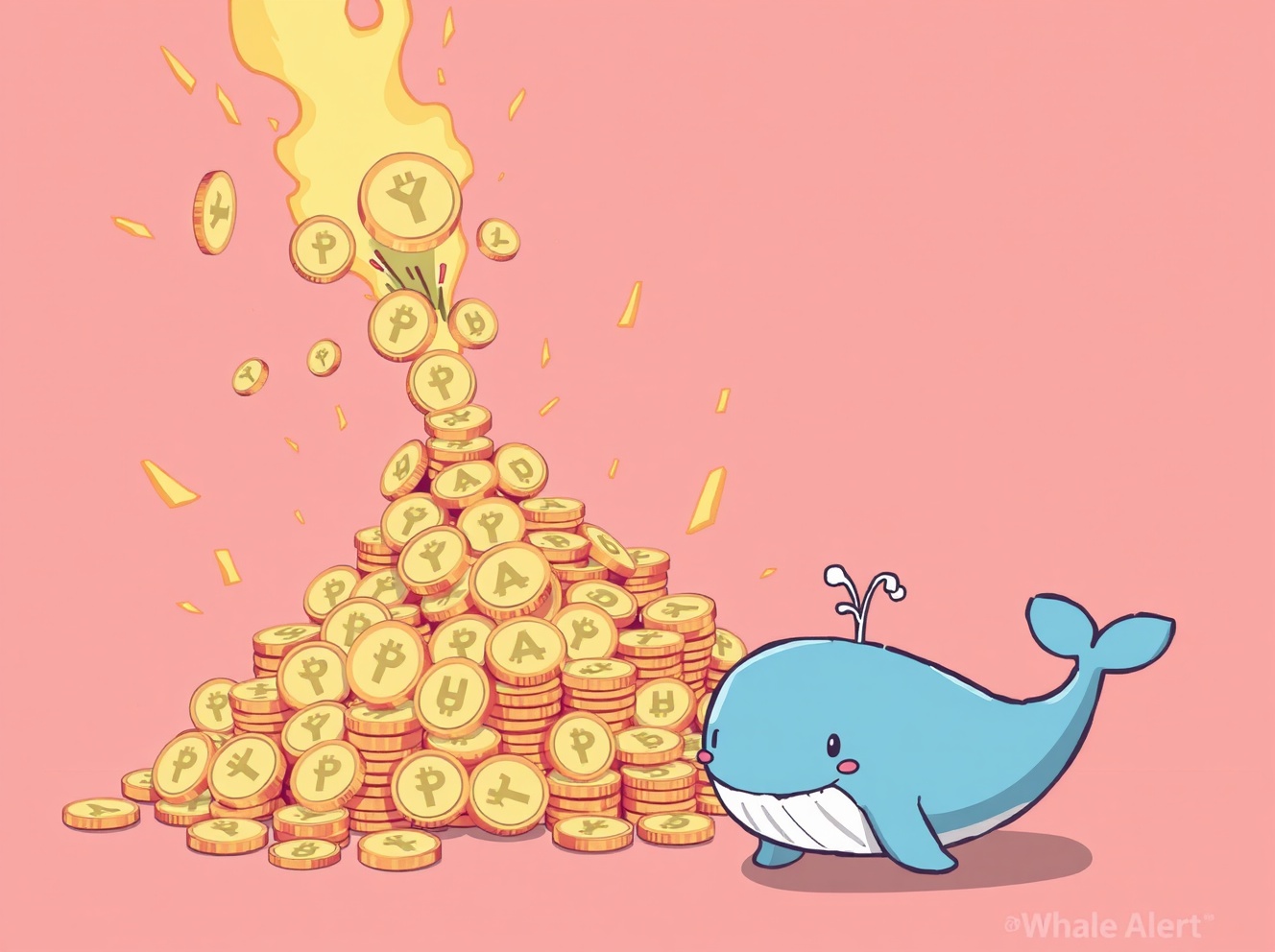
PYUSD Token Burn: Unpacking the Astonishing 600 Million Vanish

The cryptocurrency world is abuzz with a significant event: a massive PYUSD token burn involving 600 million units of the stablecoin. This astonishing development, first reported by Whale Alert, saw a substantial portion of PYUSD removed from circulation from an unknown wallet. Such an event naturally sparks curiosity and raises questions about its implications for the stablecoin’s stability and future trajectory. What does it mean when such a large sum simply vanishes?

What Exactly is a PYUSD Token Burn?

Before diving into the specifics of this event, it is crucial to understand what a token burn entails. In simple terms, a token burn is the permanent removal of cryptocurrency tokens from circulation. This is achieved by sending tokens to an unspendable wallet address, often referred to as a “burner” address, where they can never be retrieved or used again. This process effectively reduces the total supply of the cryptocurrency.

  • Why Burn Tokens? Token burns are often executed for several reasons:
  • To reduce supply and potentially increase scarcity, which could lead to an increase in value if demand remains constant.
  • To stabilize a cryptocurrency’s price, particularly for stablecoins.
  • As part of a deflationary mechanism or to implement specific tokenomics strategies.
  • To signal commitment to the project’s long-term health and value.

The 600 Million PYUSD Token Burn: What Happened?

Whale Alert, a well-known blockchain tracker, recently flagged a colossal transaction: 600 million PYUSD being transferred to an unknown wallet, which was subsequently identified as a burn address. The details surrounding the origin and specific intent behind this particular burn remain somewhat mysterious. However, the outcome is clear: these 600 million PYUSD tokens are now permanently out of circulation.

This scale of a PYUSD token burn is not an everyday occurrence. It represents a substantial reduction in the overall supply of the stablecoin. While the exact reasoning from the entity initiating the burn is not public, such large-scale actions are typically strategic, aimed at influencing market dynamics or fulfilling predefined tokenomic policies.

Why Does This PYUSD Token Burn Matter for the Stablecoin?

A burn of this magnitude carries significant weight, especially for a stablecoin like PYUSD. Stablecoins are designed to maintain a stable value, often pegged to a fiat currency like the US dollar. Reducing the supply can have several implications:

  • Scarcity and Value: By decreasing the total available supply, the burn could theoretically enhance the scarcity of PYUSD. For a stablecoin, this often means reinforcing its peg rather than driving up its price above the peg.
  • Peg Stability: A controlled burn can be a mechanism to help maintain the stablecoin’s peg to its underlying asset. If the stablecoin’s market price deviates below its peg, reducing supply can help bring it back into line.
  • Market Confidence: Large, well-communicated burns can sometimes boost investor confidence, signaling that the issuers are actively managing the token’s supply to ensure its stability and health. However, an ‘unknown wallet’ aspect adds a layer of intrigue.

What Are the Potential Impacts of Such a Large PYUSD Token Burn?

The immediate impact of the 600 million PYUSD token burn is a reduction in the total circulating supply. This action, while seemingly straightforward, can ripple through the broader cryptocurrency ecosystem. For PYUSD holders and potential investors, understanding these potential impacts is key.

One primary effect is on the supply-demand equilibrium. With fewer tokens available, if demand for PYUSD remains consistent or grows, the stablecoin’s peg could be strengthened. Moreover, such a substantial burn might also be part of a larger strategy to comply with regulatory requirements or to adjust the stablecoin’s backing reserves.

It is important to consider the transparency surrounding such events. While the act of burning is verifiable on the blockchain, the ‘unknown wallet’ aspect of this particular burn leaves room for speculation about its origins and ultimate goals. Transparency in such large-scale operations often builds greater trust within the community.

In conclusion, the recent 600 million PYUSD token burn is a remarkable event that underscores the dynamic nature of the stablecoin market. While the exact motivations behind this specific burn from an unknown wallet remain to be fully clarified, its immediate effect is a significant reduction in PYUSD’s circulating supply. This move has the potential to influence the stablecoin’s scarcity, strengthen its peg, and shape market perceptions, ultimately contributing to the ongoing evolution of the digital asset landscape.

Frequently Asked Questions About the PYUSD Token Burn

Here are some common questions regarding token burns and the recent PYUSD event:

  • Q1: What is a cryptocurrency token burn?
    A1: A token burn is the process of permanently removing cryptocurrency tokens from circulation by sending them to an unspendable wallet address. This reduces the total supply of the token.
  • Q2: Why do projects conduct token burns?
    A2: Projects burn tokens for various reasons, including reducing supply to potentially increase scarcity, maintaining a stable price (especially for stablecoins), implementing deflationary tokenomics, or signaling commitment to the project’s long-term health.
  • Q3: How does a PYUSD token burn affect its value?
    A3: For a stablecoin like PYUSD, a token burn is typically used to help maintain its peg to the US dollar by adjusting supply. While it reduces scarcity, its primary goal is usually to reinforce stability rather than to increase its price above the peg.
  • Q4: Is the 600 million PYUSD burn a positive or negative event?
    A4: Generally, a controlled token burn is considered a positive mechanism for managing supply and potentially strengthening a stablecoin’s peg. The specific details, like the ‘unknown wallet’ in this case, might raise questions about transparency, but the act of burning itself is a common strategy.
  • Q5: How can I verify a token burn?
    A5: Token burns are recorded on the blockchain. You can typically verify a burn by looking up the transaction on a blockchain explorer, where you will see tokens sent to a known burn address (an address with no private key, making the funds irretrievable).

The world of stablecoins is constantly evolving, and events like this PYUSD token burn are crucial to understanding its dynamics. If you found this article insightful, please consider sharing it with your network on social media. Your shares help us bring important crypto news and analysis to a wider audience!

To learn more about the latest crypto market trends, explore our article on key developments shaping stablecoin market stability.

This post PYUSD Token Burn: Unpacking the Astonishing 600 Million Vanish first appeared on BitcoinWorld.


Market Opportunity
Brainedge Logo
Brainedge Price(LEARN)
$0.00889
$0.00889$0.00889
-3.99%
USD
Brainedge (LEARN) Live Price Chart
Disclaimer: The articles reposted on this site are sourced from public platforms and are provided for informational purposes only. They do not necessarily reflect the views of MEXC. All rights remain with the original authors. If you believe any content infringes on third-party rights, please contact service@support.mexc.com for removal. MEXC makes no guarantees regarding the accuracy, completeness, or timeliness of the content and is not responsible for any actions taken based on the information provided. The content does not constitute financial, legal, or other professional advice, nor should it be considered a recommendation or endorsement by MEXC.

You May Also Like

Crucial Fed Rate Cut: October Probability Surges to 94%

Crucial Fed Rate Cut: October Probability Surges to 94%

BitcoinWorld Crucial Fed Rate Cut: October Probability Surges to 94% The financial world is buzzing with a significant development: the probability of a Fed rate cut in October has just seen a dramatic increase. This isn’t just a minor shift; it’s a monumental change that could ripple through global markets, including the dynamic cryptocurrency space. For anyone tracking economic indicators and their impact on investments, this update from the U.S. interest rate futures market is absolutely crucial. What Just Happened? Unpacking the FOMC Statement’s Impact Following the latest Federal Open Market Committee (FOMC) statement, market sentiment has decisively shifted. Before the announcement, the U.S. interest rate futures market had priced in a 71.6% chance of an October rate cut. However, after the statement, this figure surged to an astounding 94%. This jump indicates that traders and analysts are now overwhelmingly confident that the Federal Reserve will lower interest rates next month. Such a high probability suggests a strong consensus emerging from the Fed’s latest communications and economic outlook. A Fed rate cut typically means cheaper borrowing costs for businesses and consumers, which can stimulate economic activity. But what does this really signify for investors, especially those in the digital asset realm? Why is a Fed Rate Cut So Significant for Markets? When the Federal Reserve adjusts interest rates, it sends powerful signals across the entire financial ecosystem. A rate cut generally implies a more accommodative monetary policy, often enacted to boost economic growth or combat deflationary pressures. Impact on Traditional Markets: Stocks: Lower interest rates can make borrowing cheaper for companies, potentially boosting earnings and making stocks more attractive compared to bonds. Bonds: Existing bonds with higher yields might become more valuable, but new bonds will likely offer lower returns. Dollar Strength: A rate cut can weaken the U.S. dollar, making exports cheaper and potentially benefiting multinational corporations. Potential for Cryptocurrency Markets: The cryptocurrency market, while often seen as uncorrelated, can still react significantly to macro-economic shifts. A Fed rate cut could be interpreted as: Increased Risk Appetite: With traditional investments offering lower returns, investors might seek higher-yielding or more volatile assets like cryptocurrencies. Inflation Hedge Narrative: If rate cuts are perceived as a precursor to inflation, assets like Bitcoin, often dubbed “digital gold,” could gain traction as an inflation hedge. Liquidity Influx: A more accommodative monetary environment generally means more liquidity in the financial system, some of which could flow into digital assets. Looking Ahead: What Could This Mean for Your Portfolio? While the 94% probability for a Fed rate cut in October is compelling, it’s essential to consider the nuances. Market probabilities can shift, and the Fed’s ultimate decision will depend on incoming economic data. Actionable Insights: Stay Informed: Continue to monitor economic reports, inflation data, and future Fed statements. Diversify: A diversified portfolio can help mitigate risks associated with sudden market shifts. Assess Risk Tolerance: Understand how a potential rate cut might affect your specific investments and adjust your strategy accordingly. This increased likelihood of a Fed rate cut presents both opportunities and challenges. It underscores the interconnectedness of traditional finance and the emerging digital asset space. Investors should remain vigilant and prepared for potential volatility. The financial landscape is always evolving, and the significant surge in the probability of an October Fed rate cut is a clear signal of impending change. From stimulating economic growth to potentially fueling interest in digital assets, the implications are vast. Staying informed and strategically positioned will be key as we approach this crucial decision point. The market is now almost certain of a rate cut, and understanding its potential ripple effects is paramount for every investor. Frequently Asked Questions (FAQs) Q1: What is the Federal Open Market Committee (FOMC)? A1: The FOMC is the monetary policymaking body of the Federal Reserve System. It sets the federal funds rate, which influences other interest rates and economic conditions. Q2: How does a Fed rate cut impact the U.S. dollar? A2: A rate cut typically makes the U.S. dollar less attractive to foreign investors seeking higher returns, potentially leading to a weakening of the dollar against other currencies. Q3: Why might a Fed rate cut be good for cryptocurrency? A3: Lower interest rates can reduce the appeal of traditional investments, encouraging investors to seek higher returns in alternative assets like cryptocurrencies. It can also be seen as a sign of increased liquidity or potential inflation, benefiting assets like Bitcoin. Q4: Is a 94% probability a guarantee of a rate cut? A4: While a 94% probability is very high, it is not a guarantee. Market probabilities reflect current sentiment and data, but the Federal Reserve’s final decision will depend on all available economic information leading up to their meeting. Q5: What should investors do in response to this news? A5: Investors should stay informed about economic developments, review their portfolio diversification, and assess their risk tolerance. Consider how potential changes in interest rates might affect different asset classes and adjust strategies as needed. Did you find this analysis helpful? Share this article with your network to keep others informed about the potential impact of the upcoming Fed rate cut and its implications for the financial markets! To learn more about the latest crypto market trends, explore our article on key developments shaping Bitcoin price action. This post Crucial Fed Rate Cut: October Probability Surges to 94% first appeared on BitcoinWorld.
Share
Coinstats2025/09/18 02:25
Pump Fun Fund Launches $3M Hackathon: Market-Driven Startups

Pump Fun Fund Launches $3M Hackathon: Market-Driven Startups

The post Pump Fun Fund Launches $3M Hackathon: Market-Driven Startups appeared on BitcoinEthereumNews.com. In a bid to evolve beyond its roots as a memecoin launchpad
Share
BitcoinEthereumNews2026/01/20 20:06
WhatsApp Web to get group voice and video calls soon

WhatsApp Web to get group voice and video calls soon

The post WhatsApp Web to get group voice and video calls soon appeared on BitcoinEthereumNews.com. WhatsApp is developing voice and video calling features for group
Share
BitcoinEthereumNews2026/01/20 20:13