

U.S. Israel Airstrike Devastates Iran’s Critical Mahshahr Petrochemical Zone; Casualties Mount
BitcoinWorld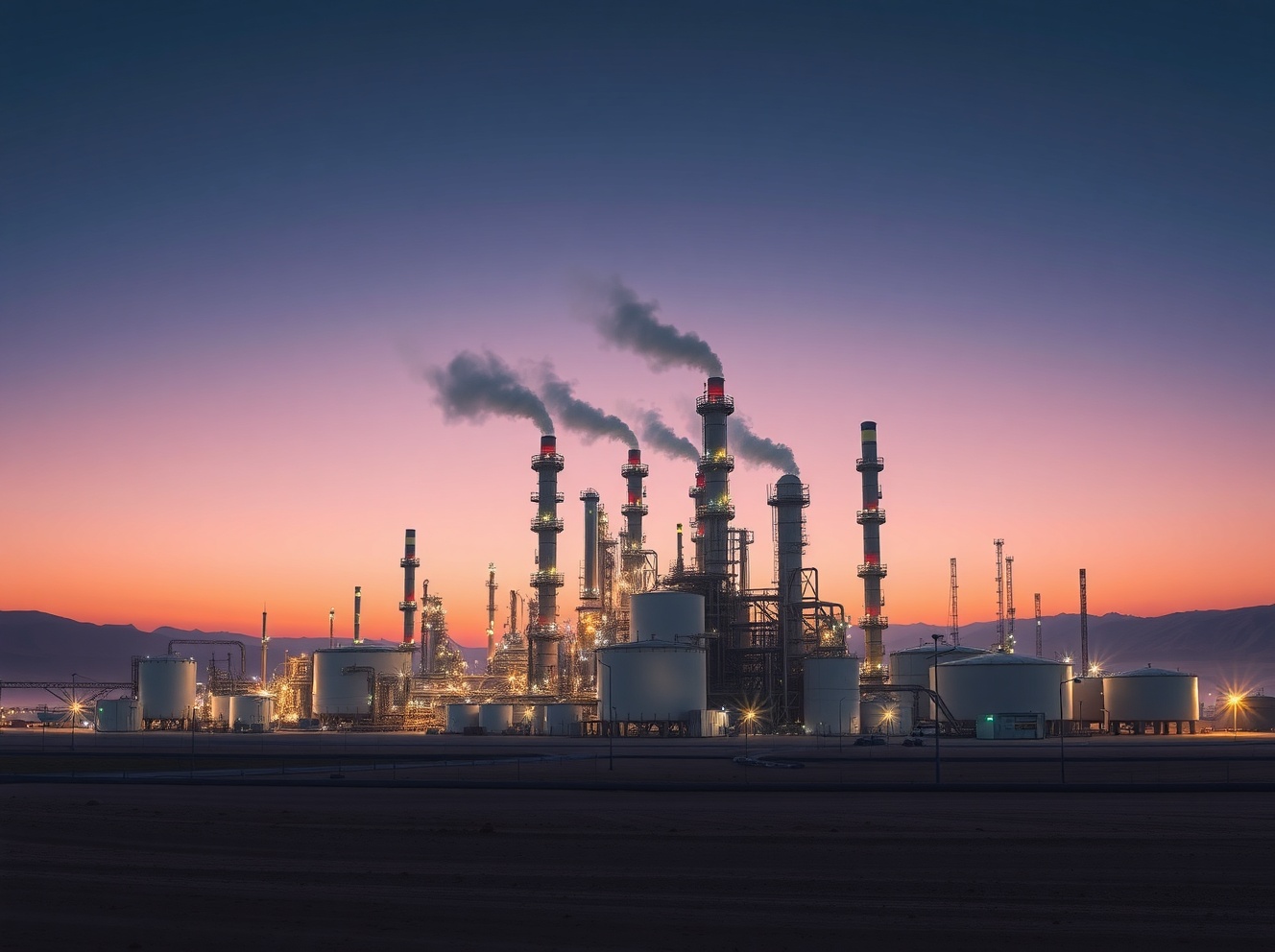
U.S. Israel Airstrike Devastates Iran’s Critical Mahshahr Petrochemical Zone; Casualties Mount
MAHSHAHR, Iran – March 15, 2025: A coordinated military strike by the United States and Israel has targeted Iran’s strategic Mahshahr Petrochemical Special Economic Zone, according to official Iranian reports. The Iran Student News Agency (ISNA) confirmed the attack today, indicating significant damage and likely casualties at one of the nation’s most vital energy complexes. This development marks a severe escalation in regional tensions, directly impacting global energy markets and Middle Eastern security dynamics.
U.S. Israel Airstrike Targets Critical Iranian Infrastructure
The reported military operation focused specifically on the Mahshahr Petrochemical Special Economic Zone in Khuzestan province. Consequently, this facility represents a cornerstone of Iran’s petrochemical industry. Furthermore, the complex processes natural gas and produces various derivatives including ethylene, methanol, and polymers. Importantly, Khuzestan province contains approximately 85% of Iran’s onshore oil reserves. Therefore, attacks on this region directly threaten national economic security.
Initial reports from Iranian media describe multiple explosions across the industrial site. However, official statements from U.S. and Israeli defense departments remain pending at publication time. Meanwhile, regional observers note increased military aircraft activity over the Persian Gulf preceding the incident. Additionally, commercial satellite imagery from earlier today showed unusual security deployments around the facility.
Geopolitical Context of the Mahshahr Attack
This military action occurs within a complex geopolitical landscape. Specifically, tensions between Iran and Western powers have intensified over several key issues:
- Nuclear Program Disputes: Stalled negotiations regarding Iran’s uranium enrichment activities
- Regional Proxy Conflicts: Iranian support for militant groups across the Middle East
- Maritime Security: Recent incidents involving commercial shipping in strategic waterways
- Energy Market Competition: Iran’s expanding petrochemical exports affecting global prices
The Mahshahr facility itself holds particular strategic significance. Actually, it processes feedstock from the South Pars gas field, which Iran shares with Qatar. Moreover, the zone exports approximately $12 billion worth of petrochemical products annually. Thus, any disruption creates immediate ripple effects across global supply chains.
Historical Precedents and Escalation Patterns
Military analysts identify concerning escalation patterns in recent years. For instance, targeted strikes against infrastructure have increased since 2020. Previously, attacks focused on individual facilities or isolated military assets. However, the scale of the Mahshahr operation suggests a strategic shift. Meanwhile, Iran has consistently warned against attacks on its economic infrastructure. Subsequently, Tehran may consider proportional responses according to its declared defense doctrine.
| Date | Target | Attributed To | Reported Damage |
|---|---|---|---|
| Sept 2023 | Abqaiq Oil Facility | Unclaimed | Temporary production halt |
| Jan 2024 | Khalij Fars Gas Terminal | Regional Militants | Minor structural damage |
| Nov 2024 | Bandar Imam Petrochemical | Cyber Attack | Control system disruption |
Immediate Impacts and Regional Security Implications
The attack’s immediate consequences extend beyond physical damage. First, global oil prices surged 8% in early trading following the news. Second, shipping insurers increased war risk premiums for vessels transiting the Strait of Hormuz. Third, regional airlines began rerouting flights away from potential conflict zones. Fourth, neighboring countries enhanced military alert levels along their borders.
Energy market analysts express particular concern about supply disruptions. Specifically, the Mahshahr zone produces crucial petrochemical feedstocks for global manufacturing. Consequently, automotive, electronics, and packaging industries face potential material shortages. Meanwhile, alternative suppliers in Saudi Arabia and the United Arab Emirates report increased inquiry volumes.
Military Strategy and Proportional Response Considerations
Military strategists examine several possible objectives for the operation. Primarily, degrading Iran’s economic capacity to fund regional activities represents one potential goal. Alternatively, demonstrating capability to penetrate Iranian air defenses may serve as another purpose. Additionally, disrupting specific military-relevant chemical production could provide technical justification.
However, proportional response calculations remain complex. Traditionally, Iran employs asymmetric warfare tactics rather than direct confrontation. Therefore, retaliatory actions might target U.S. or Israeli interests through proxy forces. Alternatively, cyber attacks against critical infrastructure represent another plausible response vector. Meanwhile, diplomatic channels reportedly remain active despite the military action.
International Reactions and Diplomatic Channels
Global responses to the incident demonstrate divided positions. The European Union called for immediate de-escalation and restraint from all parties. Conversely, several Gulf Cooperation Council members issued carefully worded statements emphasizing regional stability. Meanwhile, Russia and China condemned the attack as violation of international law. Subsequently, emergency United Nations Security Council consultations commenced in New York.
Regional diplomatic efforts face significant challenges. Actually, multiple mediation attempts have failed to resolve underlying tensions in recent months. Moreover, domestic political considerations in involved nations complicate negotiation flexibility. Nevertheless, backchannel communications reportedly continue through neutral intermediaries in Oman and Switzerland.
Conclusion
The U.S. Israel airstrike on Iran’s Mahshahr Petrochemical Zone represents a critical escalation in Middle Eastern conflicts. This military action directly targets Iran’s economic infrastructure with likely casualties reported. Consequently, regional stability faces immediate testing while global energy markets experience significant disruption. Furthermore, the attack’s aftermath will likely influence geopolitical alignments and security calculations for all regional actors. Ultimately, diplomatic efforts must address both immediate de-escalation and underlying tensions to prevent further deterioration.
FAQs
Q1: What is the Mahshahr Petrochemical Special Economic Zone?
The Mahshahr Petrochemical Special Economic Zone is a major industrial complex in Iran’s Khuzestan province. It processes natural gas from the South Pars field and produces various petrochemical products for domestic use and export.
Q2: Why would the U.S. and Israel target this specific facility?
Analysts suggest several possible reasons: disrupting Iran’s economic resources, demonstrating military capability, or targeting dual-use chemical production that could support military programs.
Q3: How might Iran respond to this attack?
Potential responses include asymmetric warfare through proxy groups, cyber attacks against U.S. or Israeli infrastructure, diplomatic pressure through international organizations, or limited direct military actions.
Q4: What are the immediate global impacts of this attack?
Global oil prices have increased significantly, shipping insurance costs have risen in the Persian Gulf, and manufacturing industries face potential petrochemical feedstock shortages.
Q5: How does this attack affect nuclear negotiations with Iran?
The attack significantly complicates diplomatic efforts, potentially hardening positions and reducing trust between negotiating parties while increasing regional tensions.
This post U.S. Israel Airstrike Devastates Iran’s Critical Mahshahr Petrochemical Zone; Casualties Mount first appeared on BitcoinWorld.


You May Also Like

When Will the Next Crypto Bull Run Begin? Key Timelines to Watch

NYSE-Listed Bitgo Rolls out Stablecoin Minting Platform for Institutional Clients – Bitcoin News




