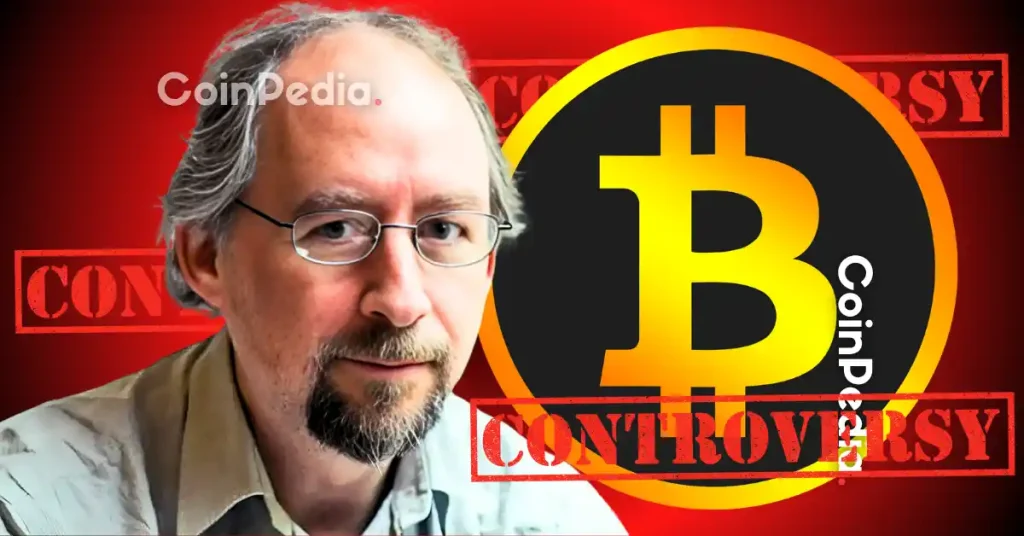
Bitcoin’s Satoshi Finally Unmasked? New Report Names Adam Back, community React
A fresh wave of Satoshi speculation is back in full force after a new report claimed the 17-year hunt now points to Adam Back, the British cryptographer behind Hashcash and current Blockstream CEO.
The story has spread fast across crypto feeds because if markets believe a credible identity case is forming, traders immediately start pricing one thing: what happens if early Satoshi-era coins ever move.

What is verified right now: a report and discussion cycle are circulating.
What is not verified: conclusive identity proof that Adam Back is Satoshi.
What Was Reported
The New York Times published an investigative piece arguing Adam Back is likely Satoshi Nakamoto. The case is built on linguistic matches, technical overlap such as Hashcash-era ideas, Cypherpunk network ties, and timeline alignment. Back has denied the claim and called the evidence circumstantial.
This is currently the strongest mainstream case in circulation, but it is still not conclusive. No hard proof exists yet. Markets generally treat coin movement from known Satoshi-era wallets as the only definitive confirmation path.
The report thesis centers on:
- Back’s Hashcash history and Bitcoin whitepaper linkage
- Technical and timeline overlap with Bitcoin’s early design era
- Behavior and forum-era pattern analysis
Primary source context: New York Times investigation and follow-on social distribution.
For prior identity-cycle context, see Is Jack Dorsey Really Satoshi Nakamoto? Why It’s Possible.
Adam Back’s Position
The same reporting cycle says Back has denied being Satoshi. That keeps the market in a familiar state: high narrative heat, low legal certainty, and headline-driven volatility.
Reference: New York Times investigation and public denial chatter.
Why Bitcoin Traders Care Immediately
This is not only an identity story. It is a market structure story.
When Satoshi speculation spikes, desks typically track:
- Probability of Satoshi-era wallet movement fear
- Derivatives positioning shifts and leverage cuts
- Correlation jumps between BTC and large-cap altcoins on rumor flow
Even without on-chain movement, narrative risk premium can reprice BTC quickly, then spill into XRP and other high-beta names. A broader baseline for this type of repricing is covered in Satoshi Nakamoto Now 11th Richest With $120B Bitcoin.
BTC, XRP, And Pi Network Angle
If this claim keeps circulating into U.S. hours, expect:
- BTC to react first as the liquidity anchor
- XRP to show sharper percentage swings on beta days, similar to prior XRP volatility structure
- Pi Network to remain noisy because ticker and pricing feeds are less consistent across aggregators
For Pi Network specifically, data-provider mapping can vary, so editors should verify symbol source before publishing hard intraday levels.
Pi Network reference note: use your internal desk source or exchange terminal print to avoid symbol-mapping mismatch at publish time.
What To Watch Next
- Any direct statement from Adam Back or Blockstream channels
- Whether major outlets independently corroborate the same evidence set
- On-chain alerts for legacy wallet movement chatter
- BTC perp funding and open interest reaction if rumor intensity rises
Bottom line: this remains a high-impact narrative, low-confirmation event. Until independently verified by top-tier primary reporting and hard evidence, traders will treat it as a volatility catalyst, not final truth.
The post Bitcoin’s Satoshi Finally Unmasked? New Report Names Adam Back, community React appeared first on Live Bitcoin News.


You May Also Like

Oil: Prices slump below $100 on ceasefire – ING

Thailand SEC Targets Hidden Crypto Funding With New Rules