

MoonPay’s Revolutionary Stablecoin Payments Transform Offline Retail Shopping Experience
BitcoinWorld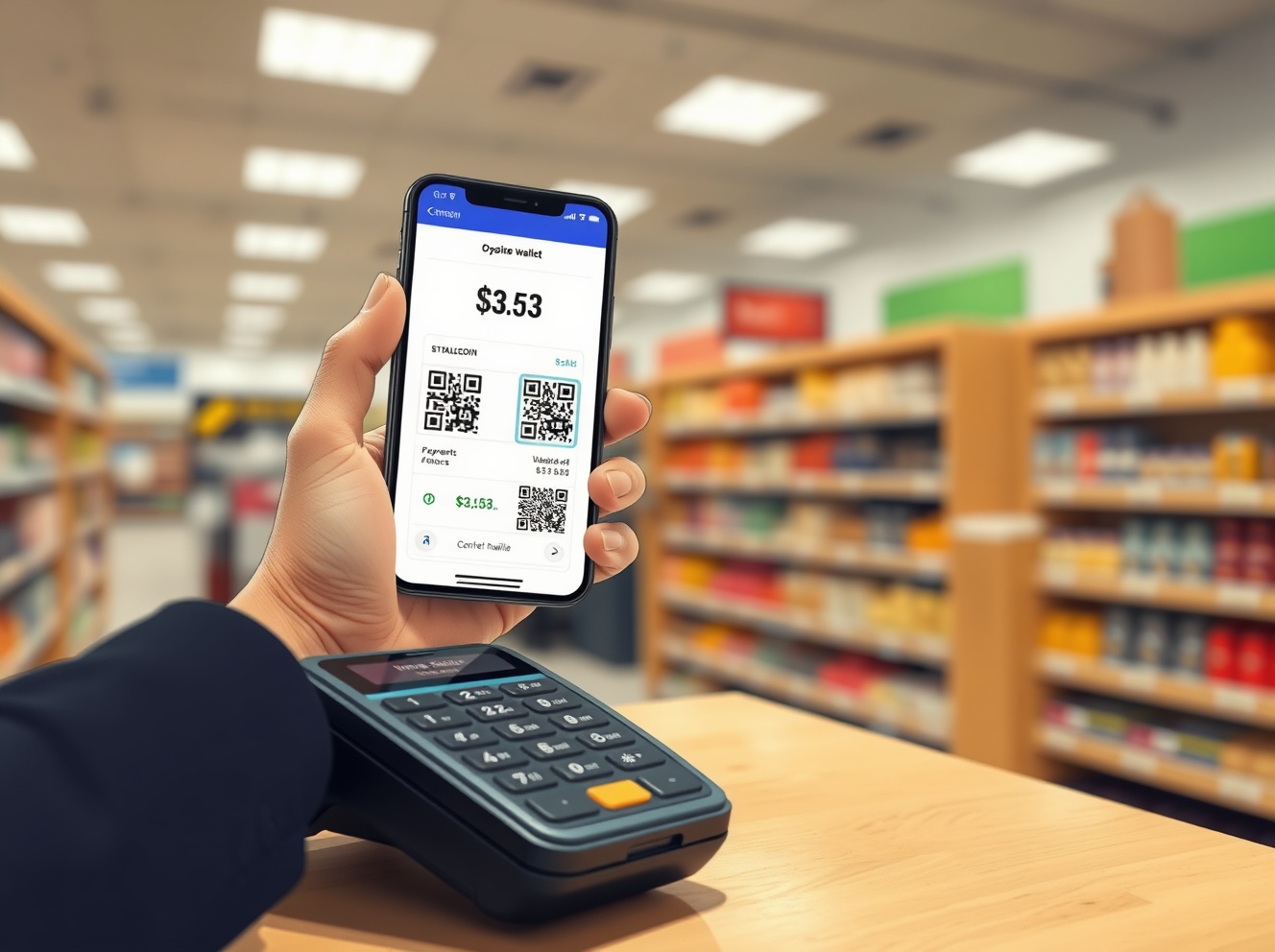
MoonPay’s Revolutionary Stablecoin Payments Transform Offline Retail Shopping Experience
In a groundbreaking development for cryptocurrency adoption, MoonPay has announced a transformative partnership with WalletConnect and global payment platform Ingenico that will enable stablecoin payments at physical retail stores worldwide, fundamentally changing how consumers interact with digital assets in everyday transactions.
MoonPay’s Stablecoin Payment System Revolutionizes Retail
MoonPay, the leading cryptocurrency infrastructure provider, revealed its strategic collaboration with WalletConnect (WCT) and Ingenico this week. This partnership creates a seamless bridge between digital asset wallets and traditional point-of-sale systems. Consequently, consumers can now use stablecoins like USDC, USDT, and DAI for everyday purchases at physical stores equipped with Ingenico terminals. The system automatically converts cryptocurrency to fiat currency during transactions. Therefore, merchants receive traditional currency while customers enjoy the benefits of crypto payments.
The technical implementation involves several sophisticated components. First, WalletConnect establishes secure communication between the user’s cryptocurrency wallet and the payment terminal. Second, MoonPay’s conversion engine processes the stablecoin-to-fiat exchange in real-time. Finally, Ingenico’s payment infrastructure settles the transaction through conventional banking channels. This multi-layered approach ensures compatibility with existing financial systems while introducing cryptocurrency functionality.
Technical Architecture and Implementation Details
The payment flow follows a carefully designed sequence. Initially, the customer selects stablecoin payment at the Ingenico terminal. Subsequently, the terminal generates a QR code containing transaction details. Then, the customer scans this code with their cryptocurrency wallet application. Afterward, WalletConnect facilitates the secure connection between devices. Meanwhile, MoonPay’s system verifies the transaction and initiates the conversion process. Finally, the merchant receives confirmation within seconds, mirroring traditional card payment speeds.
Industry Expert Analysis and Market Impact
Financial technology analysts recognize this development as significant. According to payment industry reports, global point-of-sale transactions exceeded $45 trillion in 2024. Furthermore, cryptocurrency adoption has grown steadily, with stablecoins representing over 70% of all crypto transaction volume. This integration potentially bridges two massive financial ecosystems. Payment processing experts note that traditional systems typically charge merchants 1.5-3.5% per transaction. Conversely, stablecoin transactions could reduce these costs substantially while maintaining security and reliability.
The partnership leverages each company’s specialized expertise. MoonPay provides cryptocurrency infrastructure and regulatory compliance. WalletConnect offers secure communication protocols between wallets and applications. Ingenico contributes its extensive retail payment network, which processes billions of transactions annually across 170 countries. This collaborative approach addresses multiple challenges simultaneously, including technical integration, user experience, and merchant adoption.
Comparative Analysis with Existing Payment Methods
The table below illustrates key differences between payment methods:
| Payment Method | Transaction Speed | Typical Fees | Settlement Time |
|---|---|---|---|
| Credit Card | 2-5 seconds | 1.5-3.5% | 1-3 days |
| Debit Card | 2-5 seconds | 0.5-2.0% | 1-2 days |
| Mobile Wallet | 1-3 seconds | 0.5-2.5% | Instant-1 day |
| Stablecoin (New System) | 3-7 seconds | 0.1-1.0% (estimated) | Near-instant |
Key advantages of the stablecoin payment system include:
- Lower transaction costs for merchants compared to traditional payment methods
- Global accessibility without currency conversion complexities
- Enhanced privacy through cryptographic security measures
- Financial inclusion for unbanked populations with smartphone access
- Reduced chargeback risk due to blockchain transaction finality
Regulatory Considerations and Compliance Framework
Financial regulators worldwide have monitored cryptocurrency payment developments closely. The MoonPay system incorporates multiple compliance measures. Specifically, it adheres to anti-money laundering (AML) regulations through transaction monitoring. Additionally, it follows know-your-customer (KYC) requirements for user verification. Moreover, the conversion to fiat currency occurs within regulated financial channels. Consequently, merchants avoid direct cryptocurrency exposure and associated regulatory complexities.
Payment industry experts emphasize the importance of this regulatory approach. Traditional financial institutions often hesitate to engage with cryptocurrency due to compliance concerns. However, this system maintains separation between cryptocurrency and traditional banking systems. Therefore, it reduces regulatory risk for participating merchants. Furthermore, the conversion process occurs through licensed financial entities, ensuring proper oversight and reporting.
Implementation Timeline and Global Rollout Strategy
The partnership follows a phased implementation approach. Initially, pilot programs will launch in select markets during Q2 2025. Subsequently, broader deployment will occur throughout 2025-2026. Regional considerations will influence rollout schedules. For instance, jurisdictions with clear cryptocurrency regulations may receive priority access. Meanwhile, markets with developing regulatory frameworks may follow later implementations.
Technical integration requires minimal changes for merchants. Existing Ingenico terminals need only software updates rather than hardware replacement. This approach significantly reduces adoption barriers. Additionally, merchant education programs will accompany the technical rollout. These programs will explain system operation, benefits, and best practices. Consequently, merchants can make informed decisions about implementation.
Consumer Experience and Adoption Factors
User experience design prioritizes simplicity and familiarity. The payment process mirrors existing mobile payment methods. Customers select stablecoin payment, scan a QR code, and confirm the transaction. No additional steps complicate the process. Importantly, price displays remain in local fiat currencies. Thus, customers avoid cryptocurrency volatility concerns during transactions.
Several factors may influence consumer adoption rates:
- Cryptocurrency ownership among general populations continues growing
- Stablecoin familiarity has increased significantly since 2023
- Mobile wallet usage for payments has become commonplace
- Financial incentive structures may encourage stablecoin usage
- Merchant acceptance will create network effects over time
Consumer education remains crucial for successful adoption. Many potential users understand cryptocurrency conceptually but lack practical experience. Therefore, clear communication about benefits and operation will support adoption. Additionally, security assurances will address common concerns about digital asset protection.
Conclusion
MoonPay’s partnership with WalletConnect and Ingenico represents a pivotal moment for cryptocurrency integration into mainstream commerce. This stablecoin payment system bridges digital assets and physical retail environments effectively. The technical implementation balances innovation with practicality, while the regulatory approach ensures compliance and security. As rollout progresses through 2025, this development may fundamentally alter payment ecosystems worldwide. Ultimately, successful adoption could accelerate cryptocurrency’s transition from investment vehicles to practical payment instruments, making MoonPay’s stablecoin payments a cornerstone of future financial infrastructure.
FAQs
Q1: How does the MoonPay stablecoin payment system work at retail stores?
The system uses Ingenico payment terminals to generate QR codes that customers scan with cryptocurrency wallets. WalletConnect establishes secure connections, while MoonPay converts stablecoins to fiat currency instantly, settling with merchants through traditional banking channels.
Q2: Which stablecoins are supported by this payment system?
The initial implementation supports major stablecoins including USDC, USDT, and DAI. The system may expand to include additional stablecoins based on market demand and regulatory approval in different jurisdictions.
Q3: Do merchants receive cryptocurrency or traditional currency?
Merchants receive traditional fiat currency in their local denomination. MoonPay’s conversion system handles the stablecoin-to-fiat exchange during the transaction, shielding merchants from cryptocurrency volatility and regulatory complexities.
Q4: What are the main benefits for consumers using this payment method?
Consumers benefit from potentially lower transaction fees, enhanced privacy features, global accessibility without currency conversion issues, and the ability to utilize cryptocurrency holdings for everyday purchases.
Q5: How does this system address regulatory compliance concerns?
The system incorporates AML and KYC protocols through MoonPay’s infrastructure, converts to fiat through regulated channels, and maintains separation between cryptocurrency transactions and traditional banking systems to ensure regulatory compliance.
This post MoonPay’s Revolutionary Stablecoin Payments Transform Offline Retail Shopping Experience first appeared on BitcoinWorld.


You May Also Like

‘Crypto Robin Hood’ faked prison for clout, rugged memecoins for Palestine

Washington’s Policies Stir Bitcoin and Altcoin Markets




