

Operation Atlantic Disrupts $45M Crypto Fraud, Freezes $12M in Stolen Funds
Global crackdown halts $45M in crypto fraud as scammers shift tactics toward phishing and data-driven attacks.
Law enforcement agencies have intensified efforts against crypto-related fraud, targeting large-scale phishing and investment scams. Tens of millions in illicit flows have been disrupted by authorities while exposing the scale of cross-border scam networks. Investigators also flagged evolving tactics, including the use of leaked personal data and physical mail attacks.

Crypto Fraud Network Disrupted as Authorities Track Wallets
Authorities have shut down a large-scale crypto fraud network following a coordinated enforcement effort led by the U.S. Secret Service. The operation interrupted illicit flows exceeding $45 million and secured $12 million in assets linked to victim losses.
Investigators mapped out a wide cluster of fraudulent activity, flagging over 20,000 wallet addresses tied to scams. The exposure spans more than 30 jurisdictions, pointing to a cross-border structure.
In addition, Operation Atlantic led to the takedown of more than 120 domains used in phishing campaigns. These websites played a key role in tricking users into granting access to their crypto wallets. By removing this infrastructure, investigators disrupted active fraud pipelines.
Brent Daniels, Assistant Director for the Secret Service’s Office of Field Operations, emphasized the importance of global coordination. He stated that the operation prevented further losses while blocking ongoing fraudulent transactions. Daniels added that collaboration remains critical in tackling crypto-related crime.
Authorities Warn of New Crypto Scam Methods Using Leaked User Data
The Operation Atlantic campaign ran for one week and involved agencies from the U.S., UK, and Canada. Investigators focused primarily on approval phishing scams. These schemes often trick users into signing malicious transactions that grant attackers full control of their wallets.
Data from blockchain security firm Scam Sniffer shows phishing losses dropped sharply over the past year. Losses fell from $494 million in 2024 to $83.85 million in 2025. Despite the decline, risks remain active across both digital and physical attack methods.
Recent reports indicate a rise in physical scam attempts. Crypto users have received letters posing as hardware wallet providers like Ledger and Trezor. These messages often urge victims to scan QR codes or visit fake links for “security checks.”
Investigators believe some campaigns rely on leaked personal data from previous crypto-related breaches. As fraud tactics shift, authorities warn users to remain cautious and verify all communications linked to wallet security.
The post Operation Atlantic Disrupts $45M Crypto Fraud, Freezes $12M in Stolen Funds appeared first on Live Bitcoin News.


You May Also Like

Why Stablecoins Don’t Work Without Boring Infrastructure
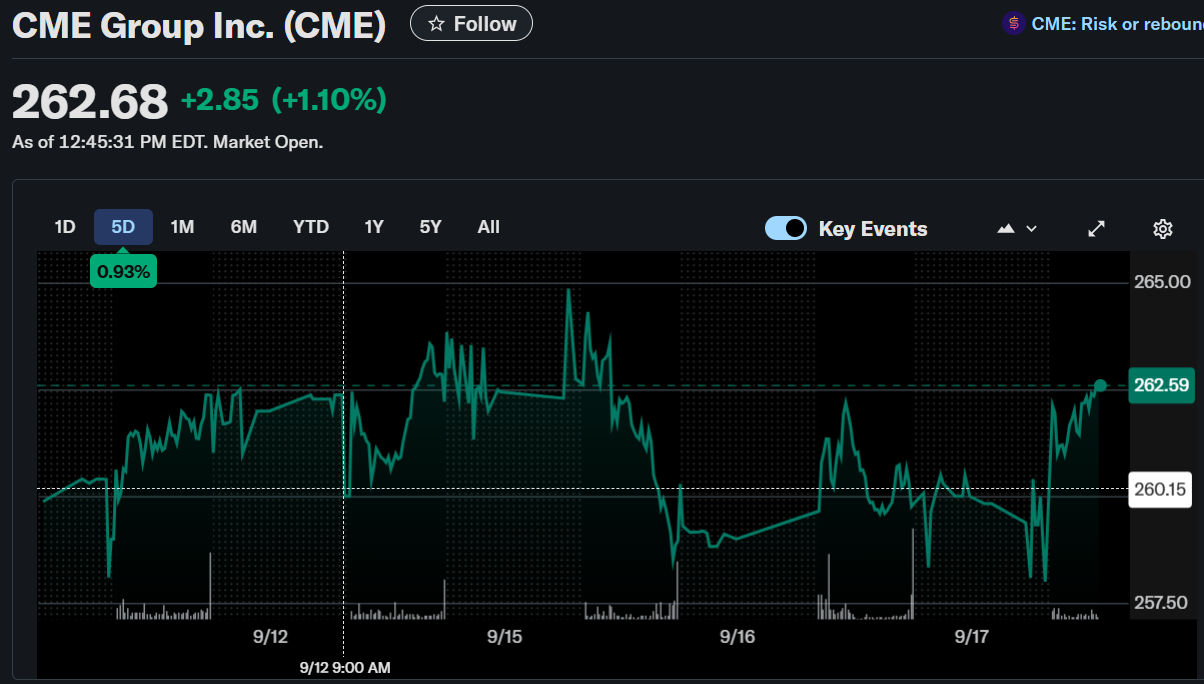
CME Group (CME) Stock: Gains on Upcoming Launch of Solana and XRP Futures Options




