Iran US Negotiations: Critical Ceasefire Hinges on Final 10-Point Proposal
BitcoinWorld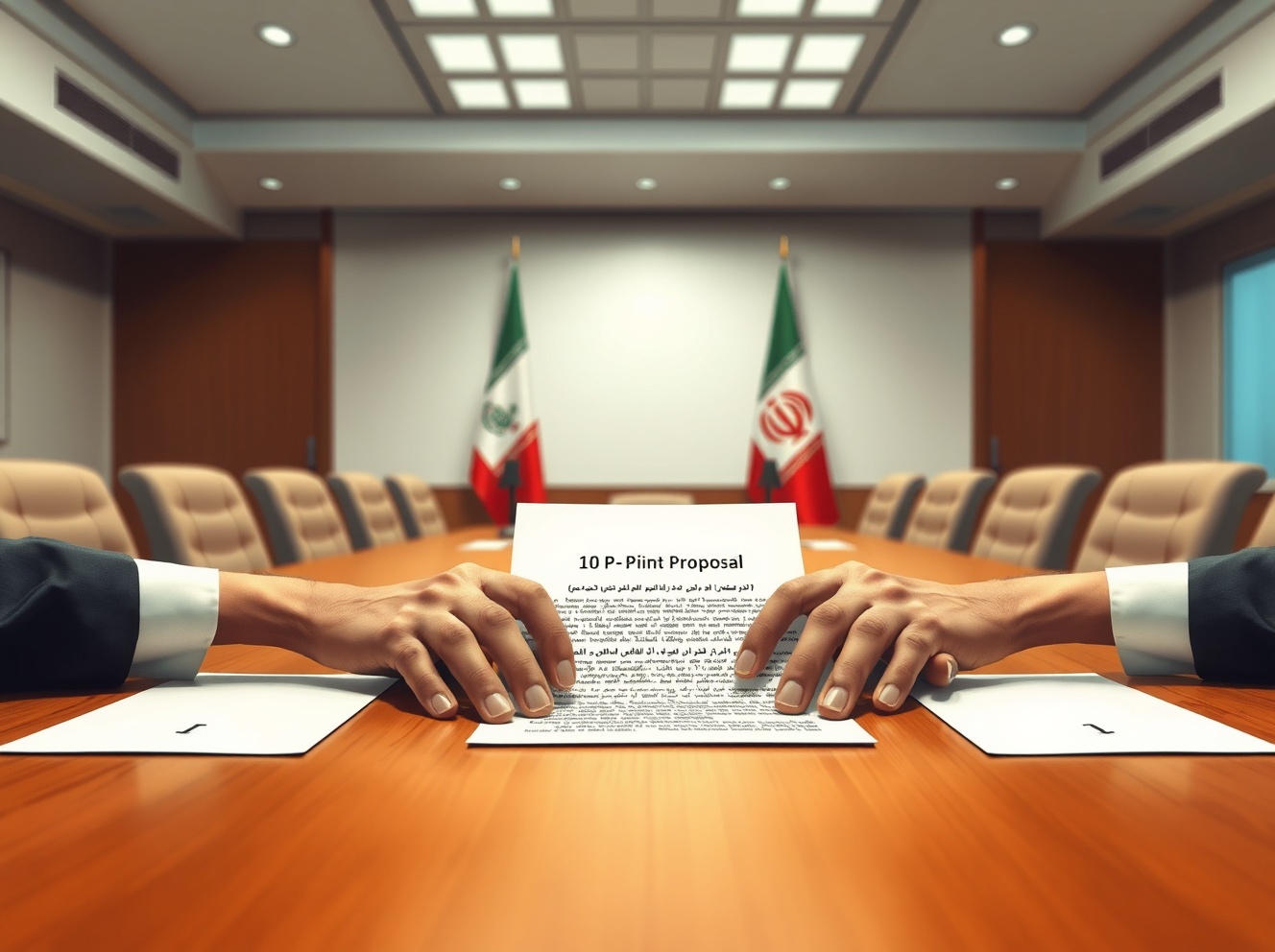
Iran US Negotiations: Critical Ceasefire Hinges on Final 10-Point Proposal
TEHRAN, Iran – In a significant development for Middle Eastern geopolitics, Iranian officials have formally confirmed ongoing negotiations with the United States. Crucially, they state that achieving a sustainable ceasefire is directly contingent upon the finalization of a detailed 10-point diplomatic proposal. This announcement marks a pivotal moment in a long-standing and complex conflict, potentially altering the regional security landscape. The confirmation comes after weeks of indirect talks mediated through third-party channels, signaling a possible thaw in relations that have been frozen for years.
Iran US Negotiations: The 10-Point Proposal Framework
The core of the current diplomatic effort revolves around a comprehensive 10-point plan. While the full text remains confidential, informed sources and regional analysts suggest it addresses several longstanding points of contention. Furthermore, the proposal reportedly includes verifiable measures for de-escalation and a mutual framework for security guarantees. Each point requires meticulous negotiation, as both nations seek to protect their core strategic interests. Consequently, the path to finalization is expected to be arduous and detail-oriented.
Key areas believed to be covered in the proposal include:
- Nuclear Program Limits: Specific caps on uranium enrichment levels and stockpiles.
- Sanctions Relief: A phased schedule for the lifting of key economic sanctions.
- Regional Proxy Activities: Commitments to curb support for militant groups.
- Military Deconfliction: Mechanisms to prevent accidental clashes in the Persian Gulf.
- Verification Protocols: Robust inspection and monitoring regimes for all agreements.
Historical Context and Diplomatic Timeline
These negotiations do not exist in a vacuum. They represent the latest chapter in a decades-long adversarial relationship. The 2015 Joint Comprehensive Plan of Action (JCPOA), commonly known as the Iran nuclear deal, serves as a critical historical reference point. Its subsequent collapse in 2018 led to renewed tensions and a series of regional incidents. Therefore, current talks are built upon the lessons, and the mistrust, generated from that previous agreement.
A brief recent timeline illustrates the path to this confirmation:
- 2023: Indirect talks resume in Oman, focusing on prisoner exchanges and frozen assets.
- Early 2024: Communications intensify following a dangerous escalation in regional hostilities.
- Mid-2024: A draft framework for broader discussions is exchanged via European intermediaries.
- Early 2025: Iranian Foreign Ministry publicly acknowledges “ongoing diplomatic contacts.”
- Present: Full confirmation of negotiations, with the 10-point proposal as the central agenda.
Expert Analysis on Strategic Stakes
Regional security analysts emphasize the high stakes for both parties. “For Iran, the primary goal is securing tangible economic relief from suffocating sanctions,” explains Dr. Leila Karami, a senior fellow at the Institute for Regional Studies. “For the United States, the objective is to permanently cap Iran’s nuclear capabilities and reduce its ability to project force through proxies. The 10-point proposal is the battlefield where these competing priorities must find a balance.” She notes that the ceasefire linkage is a powerful Iranian bargaining chip, directly connecting regional calm to diplomatic progress.
Military experts also highlight the immediate impact. A formal ceasefire would likely reduce the frequency of attacks on international shipping in the Red Sea and Persian Gulf. It could also decrease the risk of direct military confrontation between Iranian forces and U.S. assets stationed in the region. However, they caution that any agreement will require strong enforcement mechanisms to be credible.
Potential Regional and Global Impacts
The ripple effects of a successfully finalized proposal would be profound. Regionally, it could recalibrate alliances and reduce proxy conflicts in Yemen, Syria, and Iraq. Gulf Cooperation Council (GCC) states, while wary, have expressed cautious support for diplomatic solutions that enhance stability. Globally, energy markets would react positively to reduced geopolitical risk in a key oil-producing region. Additionally, it could free up significant diplomatic resources currently dedicated to managing this crisis.
Conversely, a collapse in talks carries severe risks. A return to overt hostility could trigger a rapid escalation cycle. This scenario might involve more aggressive naval posturing, accelerated nuclear advancement by Iran, and increased proxy attacks on U.S. interests. Therefore, the pressure on negotiators to bridge the final gaps is immense, with war and peace potentially hanging in the balance.
Conclusion
The confirmation of Iran US negotiations, with a ceasefire explicitly tied to a 10-point proposal, opens a critical diplomatic window. While significant hurdles remain, the structured nature of the talks provides a clearer path than the ambiguous tensions of recent years. The coming weeks will test the political will in both capitals to compromise on core security issues. Ultimately, the success or failure of this effort will define the security architecture of the Middle East for the next decade, making the finalization of this proposal one of the most consequential diplomatic challenges of the era.
FAQs
Q1: What is the main condition Iran has set for a ceasefire?
The Iranian government states that a sustainable ceasefire is dependent on the United States agreeing to and finalizing the specific terms of their comprehensive 10-point diplomatic proposal.
Q2: What are the likely key points in the negotiation proposal?
Based on past conflicts and expert analysis, the proposal almost certainly addresses Iran’s nuclear program limits, the phased lifting of U.S. sanctions, commitments on regional proxy activities, and detailed verification protocols.
Q3: How is this different from the previous 2015 nuclear deal (JCPOA)?
This 10-point proposal appears broader in scope. While it includes nuclear issues, it also directly tackles regional security behavior and ties a ceasefire to the diplomatic process, which the JCPOA did not explicitly do.
Q4: Who is mediating the Iran US negotiations?
While not officially confirmed, several reports indicate that European nations, particularly Oman and Switzerland, have acted as key intermediaries in facilitating communication and hosting preliminary talks between the two sides.
Q5: What would a ceasefire mean for global oil prices?
A successful ceasefire and reduction in tensions would likely lower the “geopolitical risk premium” in oil prices, leading to more stable or slightly lower prices due to decreased fear of supply disruptions from the Strait of Hormuz.
This post Iran US Negotiations: Critical Ceasefire Hinges on Final 10-Point Proposal first appeared on BitcoinWorld.


You May Also Like

Solo Bitcoin Miner With 70 TH/s Wins Full Block Against 1-in-100,000 Odds

No Consensus Changes Needed: Starkware CPO Builds Quantum-Safe Bitcoin Transactions From Existing Rules – Featured Bitcoin News