

India’s Strategic Energy Price Management: How Gradual Pass-Through Fuels RBI’s Patient Monetary Stance
BitcoinWorld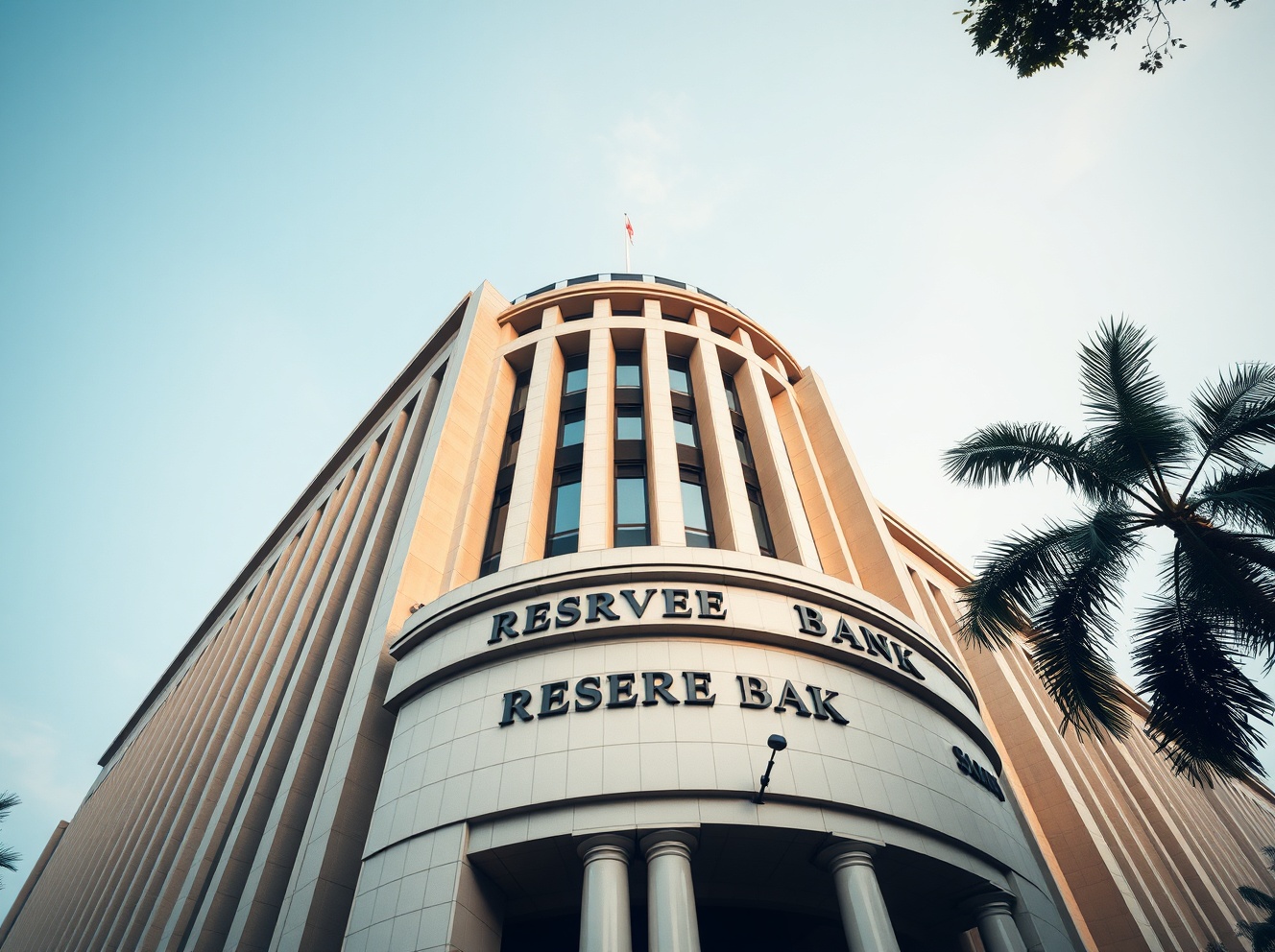
India’s Strategic Energy Price Management: How Gradual Pass-Through Fuels RBI’s Patient Monetary Stance
MUMBAI, INDIA – March 2025: India’s measured approach to energy price adjustments continues to provide crucial breathing room for the Reserve Bank of India’s monetary policy committee, according to recent analysis from DBS Bank. This strategic management of fuel price transmission mechanisms represents a significant factor in maintaining economic stability amid global volatility.
Understanding India’s Energy Price Transmission Mechanism
India’s energy pricing structure operates through a complex system of administered prices, taxes, and market mechanisms. The government maintains strategic control over key fuel prices, including petrol, diesel, and cooking gas. Consequently, this control enables gradual adjustments rather than immediate pass-through of global price fluctuations. Furthermore, this approach prevents sudden inflationary shocks that could destabilize household budgets and business planning.
The current framework evolved significantly after 2014 when India moved toward greater market linkage. However, authorities retained important safeguards. For instance, during periods of extreme global price volatility, the government frequently adjusts excise duties and value-added taxes. These adjustments cushion domestic consumers from international market turbulence. Additionally, state-owned oil marketing companies sometimes absorb portions of price increases temporarily.
This system creates several important effects:
- Inflation smoothing: Gradual adjustments prevent CPI spikes
- Predictability: Businesses can forecast energy costs more accurately
- Political stability: Avoids public discontent from sudden price hikes
- Monetary policy space: Provides RBI with flexibility in rate decisions
RBI’s Monetary Policy Patience in Context
The Reserve Bank of India maintains a flexible inflation targeting framework with a 4% midpoint target within a 2-6% band. Recently, the Monetary Policy Committee has demonstrated notable patience regarding interest rate adjustments. This patience stems partly from the controlled nature of energy price transmission. Specifically, when global oil prices surge, India’s domestic response typically unfolds over months rather than weeks.
DBS Bank economists highlight this dynamic in their latest research. They note that core inflation—which excludes food and fuel—has shown greater stability than headline numbers. Therefore, the central bank can focus on underlying price pressures rather than temporary energy spikes. Moreover, this distinction proves crucial for medium-term policy formulation.
Historical data reveals important patterns:
| Period | Global Oil Price Change | Domestic Fuel Price Adjustment | Time Lag |
|---|---|---|---|
| Q2 2022 | +34% | +18% | 6-8 weeks |
| Q4 2023 | -22% | -12% | 4-5 weeks |
| Q1 2025 | +15% | +8% (projected) | 8-10 weeks |
This graduated approach provides multiple benefits. First, it allows economic agents to adjust consumption patterns gradually. Second, it prevents second-round effects where temporary energy inflation becomes embedded in wage demands and pricing expectations. Third, it supports the RBI’s communication strategy by providing clearer inflation trajectories.
Expert Analysis from DBS Research Team
DBS Bank’s economics team, led by Chief Economist Radhika Rao, provides detailed quarterly analysis of India’s macroeconomic landscape. Their research indicates that India’s energy pricing strategy creates approximately 30-45 days of buffer period during global price surges. This buffer enables more measured policy responses from monetary authorities.
“The phased nature of fuel price adjustments acts as an automatic stabilizer,” explains Rao in the bank’s latest India Economic Brief. “While complete insulation from global prices is impossible, the current system prevents imported inflation from overwhelming domestic price stability efforts.” The research further notes that this approach has become increasingly sophisticated over the past decade.
Several structural factors support this mechanism:
- Diversified energy mix: Growing renewable capacity reduces oil dependency
- Strategic reserves: Government maintains petroleum reserves for emergencies
- Tax flexibility: Adjustable excise duties provide fiscal cushioning
- Subsidy targeting: Direct benefit transfers for cooking gas protect vulnerable households
Comparative International Perspectives
India’s approach contrasts with several other major economies. Many developed nations experience near-immediate pass-through of global energy prices to consumers. For example, European countries typically see retail fuel prices adjust within days of Brent crude movements. Similarly, the United States exhibits relatively quick transmission despite its domestic production capacity.
Emerging markets display varied approaches. Brazil and Indonesia maintain subsidy systems that sometimes create fiscal pressures. China employs a hybrid system with periodic adjustments. Meanwhile, India’s calibrated method represents a middle path between market pricing and complete insulation. This balance has drawn attention from international policymakers studying inflation management techniques.
The International Monetary Fund’s latest Article IV consultation with India acknowledged this framework’s effectiveness. Specifically, IMF staff noted that “the graduated pass-through of energy prices has supported disinflation efforts while limiting fiscal costs.” However, they also cautioned about maintaining this balance as energy transitions accelerate globally.
Future Challenges and Policy Considerations
Looking ahead, India’s energy pricing framework faces several tests. The global transition toward cleaner energy sources will reshape price dynamics fundamentally. Additionally, geopolitical uncertainties continue to threaten supply stability. Meanwhile, domestic factors including rising vehicle electrification and changing consumption patterns will influence demand.
The RBI’s monetary policy committee must monitor these evolving conditions carefully. Their patience depends on continued effective management of energy price transmission. Should global prices become exceptionally volatile, the current buffer mechanisms might face strain. Consequently, policymakers are developing contingency plans for extreme scenarios.
Key monitoring indicators include:
- Global crude oil price volatility indices
- Domestic fuel consumption patterns
- Inflation expectations surveys
- Fiscal space for potential interventions
- Exchange rate impacts on import costs
Energy security considerations are gaining prominence in policy discussions. India’s substantial import dependency makes it vulnerable to supply disruptions. Therefore, strategic reserves and diversified sourcing receive increased attention. These factors indirectly support monetary policy stability by reducing extreme price shock risks.
Conclusion
India’s gradual energy price pass-through mechanism serves as a critical pillar supporting the Reserve Bank’s patient monetary stance. This approach, analyzed extensively by institutions like DBS Bank, provides valuable inflation management tools. Furthermore, it demonstrates how calibrated price adjustments can balance multiple economic objectives. As global energy markets evolve, India’s experience offers important lessons for emerging economies worldwide. The RBI’s continued policy flexibility will depend on maintaining this delicate balance between market signals and stability considerations.
FAQs
Q1: What does “energy price pass-through” mean in the Indian context?
Energy price pass-through refers to how changes in global fuel prices translate to domestic retail prices. India employs a gradual adjustment system rather than immediate full transmission, providing inflation stability.
Q2: How does this affect RBI interest rate decisions?
The gradual pass-through gives the RBI more time to assess whether energy price changes are temporary or persistent. This prevents knee-jerk rate hikes and supports more measured monetary policy responses.
Q3: What role do oil marketing companies play in this system?
State-owned oil marketing companies sometimes absorb portions of price increases temporarily. They act as buffers between international markets and domestic consumers, smoothing price adjustments.
Q4: How does India’s approach compare with other major economies?
Many developed economies experience faster price transmission. India’s calibrated middle path between market pricing and insulation has proven effective for inflation management while avoiding excessive fiscal costs.
Q5: Could this system change in the future?
As India’s energy mix evolves with more renewables and electric vehicles, pricing mechanisms will adapt. However, the principle of managed adjustment is likely to continue given its success in maintaining economic stability.
This post India’s Strategic Energy Price Management: How Gradual Pass-Through Fuels RBI’s Patient Monetary Stance first appeared on BitcoinWorld.


You May Also Like

UGI Utilities Announces Night Work in Easton for System Upgrade Project

Najin, One of the Last White Rhinos, Killed in Poaching Attack




