Hezbollah Defiantly Rejects Crucial Lebanon-Israel Border Agreement, Escalating Regional Tensions
BitcoinWorld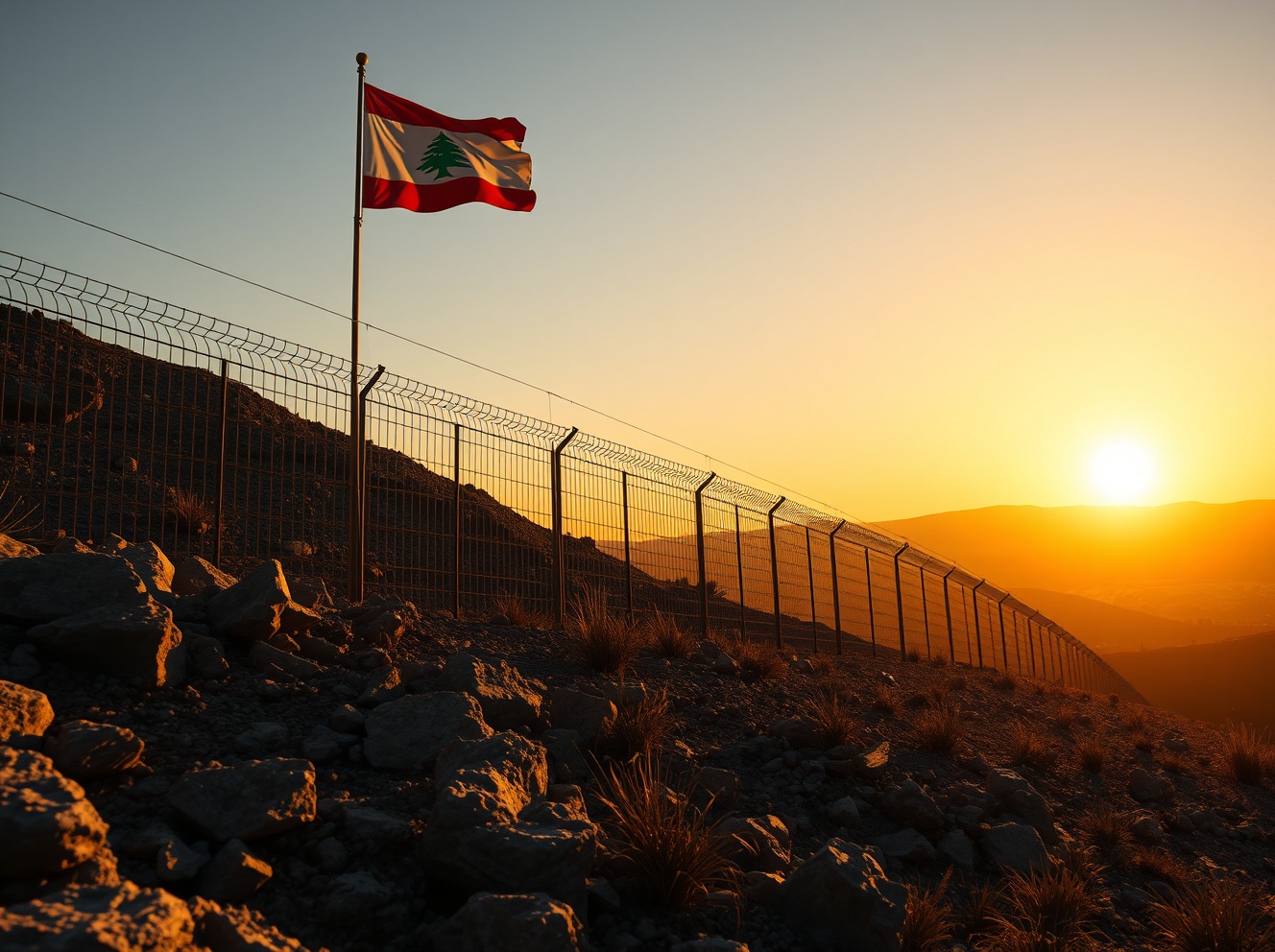
Hezbollah Defiantly Rejects Crucial Lebanon-Israel Border Agreement, Escalating Regional Tensions
BEIRUT, Lebanon — March 2025: Hezbollah has declared it will not comply with any agreement emerging from ongoing Lebanon-Israel talks, directly challenging diplomatic efforts to stabilize their volatile border region. This defiant stance threatens to unravel months of negotiations and could reignite conflict along the Blue Line, the United Nations-monitored demarcation between the two nations.
Hezbollah’s Defiance of Lebanon-Israel Border Talks
Senior Hezbollah officials confirmed their rejection this week, stating the group operates independently of the Lebanese government’s diplomatic initiatives. Consequently, this position creates a significant obstacle for negotiators. The talks, mediated indirectly through United Nations and U.S. channels, aim to establish a formal border framework. Furthermore, they seek to resolve longstanding disputes over land and maritime territories.
Hezbollah’s Secretary-General, Hassan Nasrallah, articulated this position clearly in a recent speech. He emphasized the group’s role as a “resistance movement” rather than a political party bound by state agreements. Additionally, he referenced historical conflicts, including the 2006 war with Israel, to justify maintaining military readiness. This rhetoric underscores the deep ideological divide between Hezbollah’s armed wing and Lebanon’s formal state institutions.
Historical Context of Lebanon-Israel Relations
The current negotiations represent the most sustained diplomatic contact between Lebanon and Israel in over fifteen years. Previously, the 2006 war caused widespread destruction and created a tense stalemate. Since then, sporadic clashes and border incidents have occurred regularly. The talks gained momentum in late 2024 following U.S. diplomatic pressure and European Union involvement.
Key discussion points include:
- Land Border Demarcation: Thirteen disputed points along the Blue Line
- Maritime Boundaries: Potentially gas-rich Mediterranean waters
- Security Arrangements: UNIFIL peacekeeper mandates and rules of engagement
- Prisoner Exchanges: Remains of soldiers and detained individuals
However, Hezbollah’s rejection now jeopardizes all these potential agreements. The group maintains substantial military assets along the border, including an estimated 150,000 rockets and missiles according to Israeli defense assessments.
Expert Analysis of the Political Landscape
Middle East analysts note Hezbollah’s position reflects broader regional dynamics. Specifically, Iran’s influence plays a crucial role in the group’s decision-making. Dr. Leila Fawaz, a professor of Middle Eastern studies at the American University of Beirut, explains this connection. “Hezbollah cannot make strategic security decisions independently of Tehran,” she states. “Their rejection likely coordinates with Iran’s regional calculations regarding nuclear negotiations and proxy warfare.”
Simultaneously, Lebanon’s domestic crisis complicates the situation. The country faces its worst economic collapse in modern history, with hyperinflation and banking sector failure. The government struggles to provide basic services, creating a power vacuum that Hezbollah increasingly fills. This domestic weakness undermines the state’s authority in international negotiations.
Potential Impacts on Regional Stability
The rejection carries immediate consequences for regional security. Israeli defense forces have heightened alert status along the northern border. Meanwhile, the United Nations Interim Force in Lebanon (UNIFIL) faces increased patrol challenges. The following table illustrates key risk factors:
| Risk Area | Likelihood | Potential Impact |
|---|---|---|
| Border Skirmishes | High | Limited casualties, temporary escalation |
| Full-Scale Conflict | Medium | Regional war, massive destruction |
| Diplomatic Collapse | Certain | Ended negotiations, frozen relations |
| Economic Consequences | High | Further Lebanese collapse, refugee crisis |
European diplomats express particular concern about energy exploration. Previously, U.S. mediator Amos Hochstein had nearly finalized a maritime boundary agreement. This deal would have allowed Lebanon to explore offshore gas fields. Now, Hezbollah’s position threatens this economic lifeline for the bankrupt nation.
International Reactions and Next Steps
The United States State Department issued a carefully worded statement urging all parties to continue negotiations. However, they acknowledged the “complex realities” of Lebanese politics. France, as Lebanon’s former colonial power, offered to host further talks. Meanwhile, Israel’s government maintains its right to defend itself against any threats.
Regional powers watch developments closely. Syria’s government, a Hezbollah ally, supports the rejection. Conversely, Gulf states like Saudi Arabia and the United Arab Emirates hope for agreement. They view Hezbollah as an Iranian proxy threatening regional stability. This geopolitical divide mirrors broader Middle East conflicts between Iranian and Saudi spheres of influence.
Possible scenarios include:
- Continued Talks Without Hezbollah: Lebanon proceeds independently, risking internal conflict
- Security-Only Agreement: Limited deal focusing on border incidents
- Complete Breakdown: Return to pre-negotiation hostility and periodic violence
- International Pressure: Sanctions or incentives to change Hezbollah’s position
Conclusion
Hezbollah’s rejection of the Lebanon-Israel agreement represents a critical juncture for Middle East diplomacy. The militant group’s defiance underscores the fundamental challenge of negotiating with non-state actors in conflict zones. Consequently, regional stability now hangs in precarious balance. The coming weeks will determine whether diplomatic channels remain open or whether the region returns to confrontation. Ultimately, the Lebanon-Israel talks have exposed the limits of traditional diplomacy when facing ideologically committed armed groups.
FAQs
Q1: What specific agreement is Hezbollah rejecting?
Hezbollah rejects any comprehensive border agreement between the Lebanese and Israeli governments, particularly regarding security arrangements and territorial demarcations along their shared border.
Q2: Can Lebanon make agreements without Hezbollah’s approval?
Technically yes, as Hezbollah isn’t the formal government. However, practically no, because Hezbollah maintains significant military control over border areas and can violate any agreement unilaterally.
Q3: How does this affect ordinary Lebanese citizens?
It prolongs economic crisis by preventing offshore gas exploration, maintains high defense spending, and keeps the country in a perpetual state of tension that discourages investment and tourism.
Q4: What is Israel’s likely response?
Israel will probably maintain defensive positions while pursuing diplomatic pressure through the United States. Military response would likely follow only in case of direct attacks or border violations.
Q5: Could this lead to another war like 2006?
While possible, both sides currently show restraint. Hezbollah faces domestic pressure in crisis-ridden Lebanon, while Israel focuses on other regional threats. However, miscalculation or escalation could trigger broader conflict.
This post Hezbollah Defiantly Rejects Crucial Lebanon-Israel Border Agreement, Escalating Regional Tensions first appeared on BitcoinWorld.


You May Also Like

Wall Street Memes Casino Review & Bonuses 2026

X Product Chief Teases Crypto Launch Ahead of X Money Rollout