Trump Iran Talks Pakistan: Surprising Diplomatic Move Could Reshape Middle East Relations
BitcoinWorld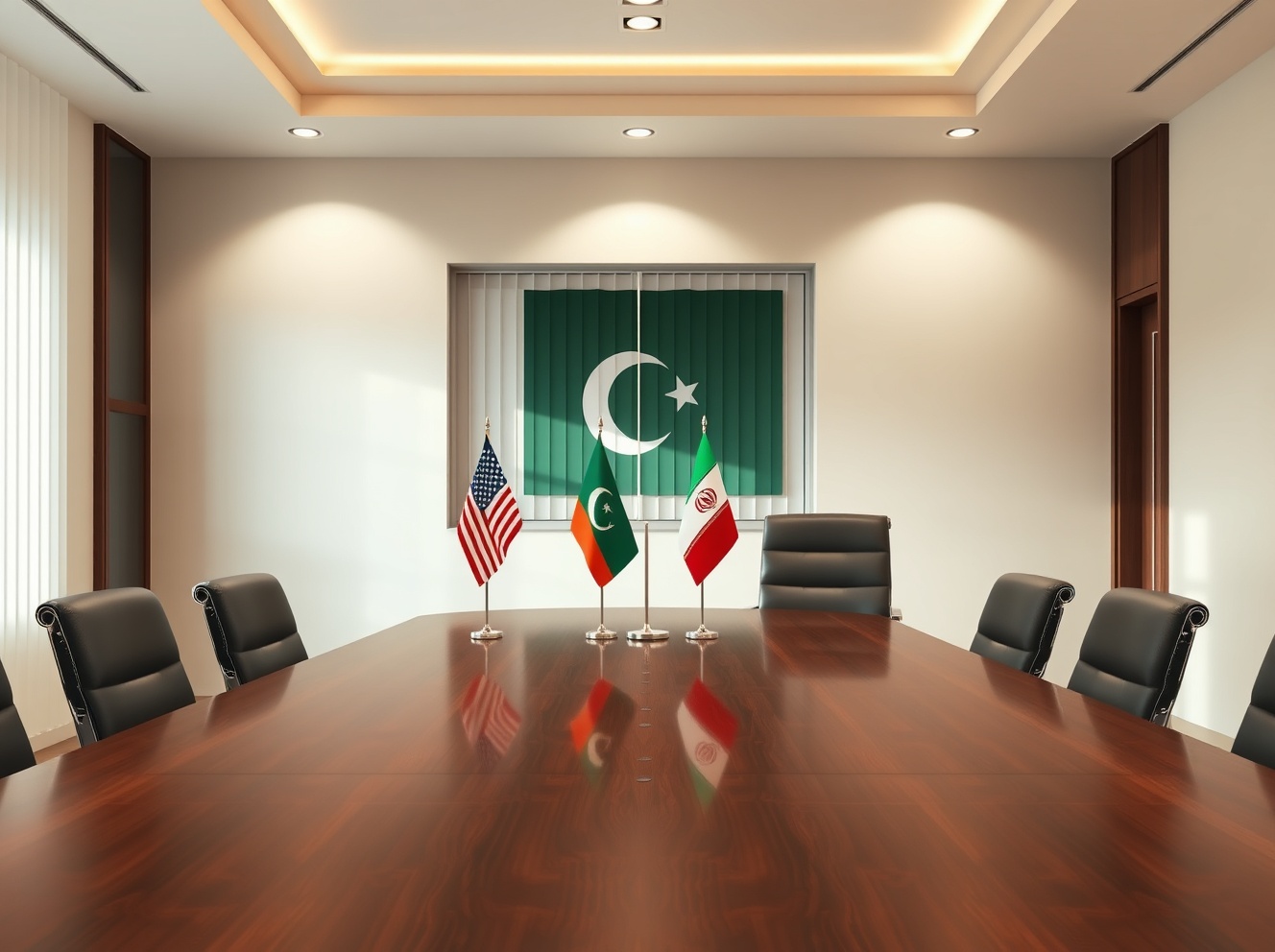
Trump Iran Talks Pakistan: Surprising Diplomatic Move Could Reshape Middle East Relations
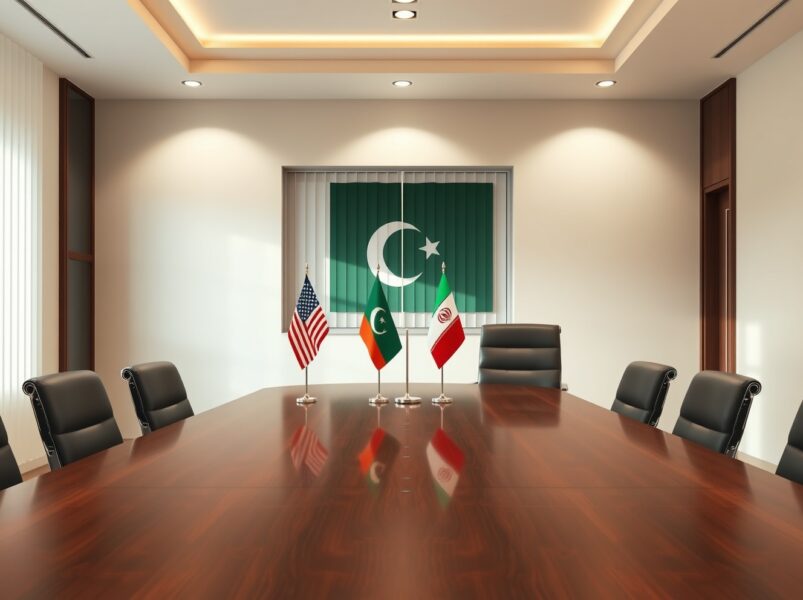
WASHINGTON, D.C. — In a significant diplomatic development, President Donald Trump revealed that negotiations with Iran could potentially occur in Pakistan within the next 48 hours, marking a surprising shift in Middle East diplomacy that experts say could reshape regional relations. The announcement came during an exclusive interview with the New York Post, where the President specifically expressed his preference for Pakistan as the venue for these critical talks.
Trump Iran Talks Pakistan: The Immediate Context
President Trump’s statement arrives amid escalating tensions between Washington and Tehran. Consequently, diplomatic channels have remained largely frozen for months. The President’s specific mention of a two-day timeframe suggests urgent preparations may already be underway behind the scenes. Furthermore, his expressed preference for Pakistan represents a notable departure from traditional neutral venues like Switzerland or Austria.
Historically, Pakistan has maintained complex relationships with both nations. Significantly, Islamabad has diplomatic ties with Tehran while simultaneously cooperating with Washington on security matters. This unique positioning potentially makes Pakistan an intriguing mediator. Additionally, the country’s geographic proximity to Iran offers logistical advantages for rapid diplomatic engagement.
Pakistan’s Diplomatic History and Current Role
Pakistan possesses extensive experience hosting international negotiations. For instance, the country facilitated Afghanistan peace talks in recent years. Moreover, Islamabad maintains working relationships with various global powers. The nation’s diplomatic corps has developed particular expertise in Middle Eastern affairs through decades of regional engagement.
Several factors make Pakistan a potentially suitable venue:
- Neutral Ground: While maintaining ties with both nations, Pakistan hasn’t taken sides in recent U.S.-Iran disputes
- Security Infrastructure: The country has extensive experience securing high-profile diplomatic events
- Geographic Proximity: Shared border with Iran enables easier access for Iranian officials
- Diplomatic Experience: History of hosting complex multilateral negotiations
Expert Analysis: Strategic Implications
Regional experts immediately noted the strategic significance of this potential venue choice. Dr. Amina Chaudhry, Senior Fellow at the Middle East Institute, explains, “Pakistan represents a bridge between multiple worlds in this conflict. Islamabad maintains working relationships with both capitals while avoiding direct entanglement in their bilateral disputes. This positioning could facilitate more open dialogue than traditional European venues.”
The proposed timeline—within two days—suggests preliminary discussions may have already occurred. Typically, high-level diplomatic meetings require weeks of preparation regarding security, logistics, and agenda setting. This accelerated schedule indicates either exceptional diplomatic efficiency or pre-existing groundwork.
Historical Precedents for Third-Country Negotiations
International diplomacy frequently utilizes neutral third countries for sensitive negotiations. For example, the Iran nuclear deal negotiations occurred primarily in Switzerland and Austria. Similarly, North Korean talks have taken place in Singapore and Vietnam. Pakistan’s potential role follows this established diplomatic pattern while introducing new regional dynamics.
The table below illustrates comparable diplomatic venues in recent history:
| Negotiating Parties | Venue Country | Year | Outcome |
|---|---|---|---|
| US-North Korea | Singapore | 2018 | Summit Meeting |
| Iran-P5+1 | Switzerland | 2015 | Nuclear Agreement |
| Afghanistan-Taliban | Qatar | 2020 | Peace Agreement |
| US-Taliban | Pakistan | 2023 | Preliminary Talks |
Regional Reactions and Potential Impacts
Neighboring countries closely monitor these developments. Specifically, Saudi Arabia and Israel maintain significant concerns about U.S.-Iran negotiations. Meanwhile, Afghanistan watches carefully given its own diplomatic relationships with all involved parties. Regional stability potentially hangs in the balance depending on negotiation outcomes.
The economic implications are equally significant. Global oil markets typically react strongly to Middle East diplomatic developments. Furthermore, regional trade patterns could shift based on renewed dialogue. Pakistan’s economy might benefit from increased diplomatic prominence and associated economic activity.
Security Considerations and Logistics
High-level diplomatic meetings require extensive security preparations. Pakistan’s intelligence agencies have substantial experience protecting foreign dignitaries. However, the compressed two-day timeline presents exceptional challenges. Security experts note that standard protocols usually demand more extensive preparation periods.
Logistical arrangements include transportation, accommodations, and communication infrastructure. Islamabad’s diplomatic enclave contains suitable facilities for such meetings. Additionally, the city’s international airport can accommodate specialized diplomatic flights with appropriate security measures.
Conclusion
President Trump’s revelation about potential Trump Iran talks Pakistan represents a potentially significant diplomatic development. The choice of venue and accelerated timeline suggest serious efforts to resume dialogue with Tehran. While numerous logistical and diplomatic hurdles remain, the mere possibility of negotiations marks a notable shift in regional dynamics. The international community now watches closely as these developments unfold, recognizing their potential to reshape Middle East relations for years to come.
FAQs
Q1: Why would Pakistan host U.S.-Iran talks?
Pakistan maintains diplomatic relations with both countries and has experience hosting sensitive negotiations. Its geographic proximity to Iran and existing security infrastructure make it a practical choice for rapid diplomatic engagement.
Q2: What is the significance of the two-day timeframe?
The compressed timeline suggests either exceptional diplomatic efficiency or that preliminary discussions have already occurred behind the scenes. Typically, such high-level meetings require weeks of preparation.
Q3: How have other countries reacted to this news?
Regional powers are monitoring developments closely. Saudi Arabia and Israel have expressed concerns about U.S.-Iran negotiations, while Afghanistan watches given its relationships with all involved parties.
Q4: Has Pakistan hosted similar negotiations before?
Yes, Pakistan has facilitated various international talks, including Afghanistan peace negotiations and preliminary U.S.-Taliban discussions. The country has developed substantial diplomatic expertise in regional conflicts.
Q5: What are the main obstacles to these talks occurring?
Key challenges include security preparations, agenda setting, participant selection, and ensuring all parties approach negotiations with genuine diplomatic intent. The compressed timeline adds additional complexity.
This post Trump Iran Talks Pakistan: Surprising Diplomatic Move Could Reshape Middle East Relations first appeared on BitcoinWorld.


You May Also Like

JPMorgan CFO Flags Regulatory Arbitrage Risks From Stablecoins

Chainlink Whale Activity Rises While Price Bleeds for 7 Straight Months