Kalshi vs Nevada: The Critical Legal Battle Over Prediction Markets That Could Reshape US Finance
BitcoinWorld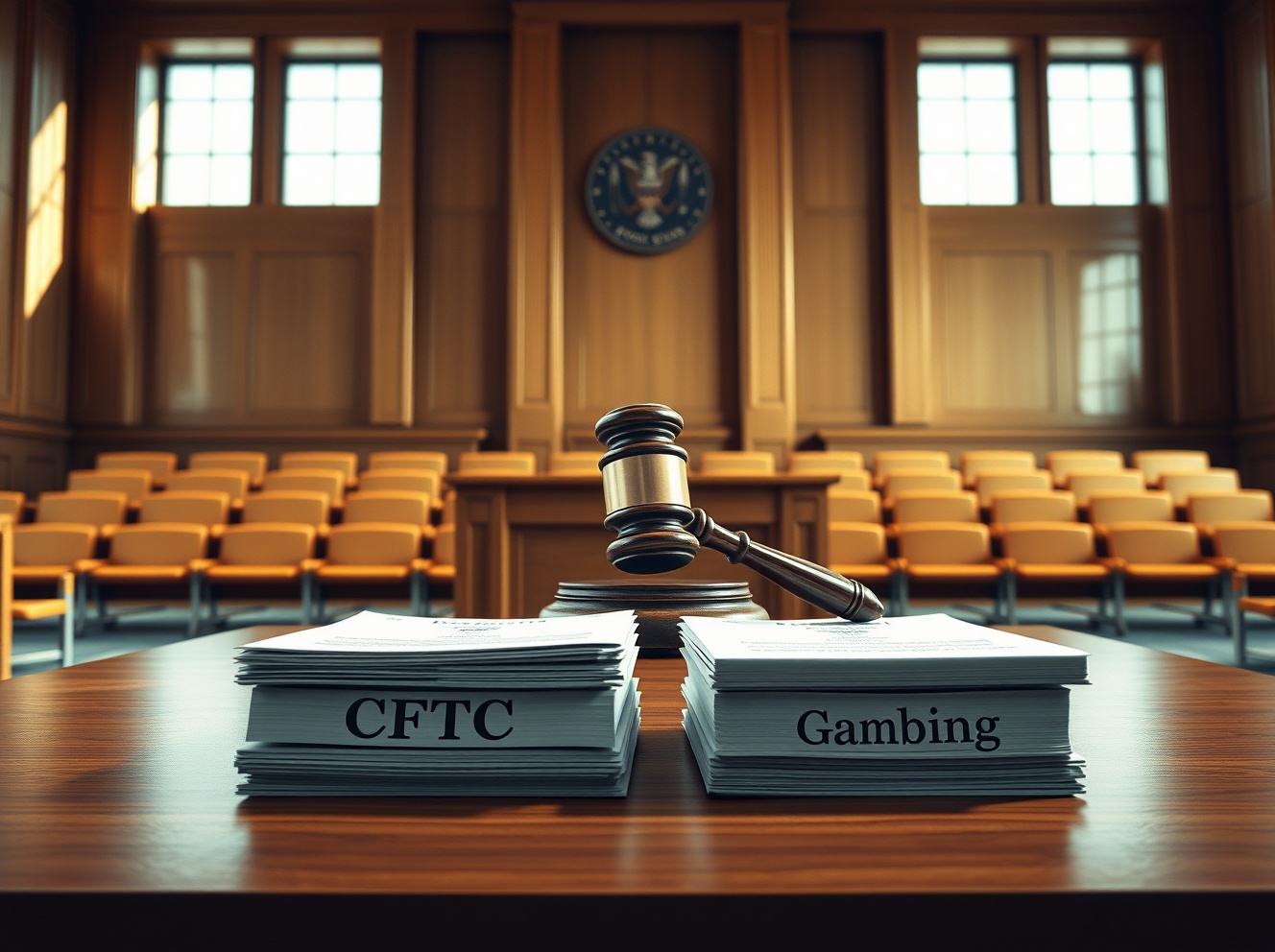
Kalshi vs Nevada: The Critical Legal Battle Over Prediction Markets That Could Reshape US Finance
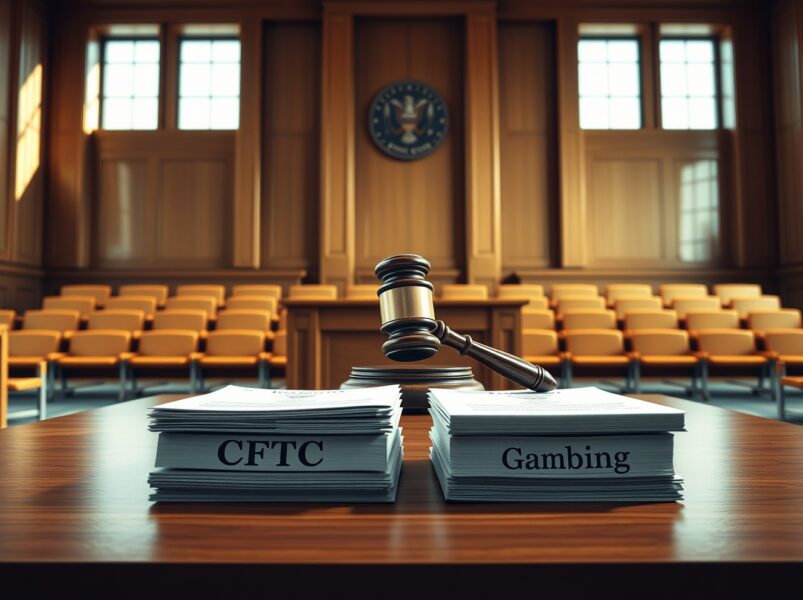
A pivotal legal clash between financial innovation and state authority is unfolding, and the Kalshi vs Nevada legal battle over prediction markets may reach the Supreme Court, setting a landmark precedent for the entire fintech sector. This jurisdictional conflict, currently before the Ninth Circuit Court of Appeals, questions whether modern event-based contracts constitute regulated financial swaps or illegal gambling. Consequently, the outcome will define regulatory boundaries for years to come.
The Core of the Kalshi vs Nevada Legal Dispute
The dispute centers on a fundamental classification issue. Kalshi, a prediction market platform, argues its contracts are financial derivatives known as swaps. Therefore, they fall under the exclusive jurisdiction of the federal Commodity Futures Trading Commission (CFTC). Conversely, Nevada state authorities classify these same contracts as gambling activities. As a result, they insist Kalshi must obtain a state gambling license to operate legally within Nevada.
This conflict represents a classic federalism challenge. The CFTC, a federal agency, oversees national markets for derivatives and swaps. Meanwhile, states like Nevada possess broad authority to regulate gambling within their borders. The legal question hinges on which regulatory framework properly applies to contracts allowing users to speculate on real-world events.
Understanding Prediction Market Mechanics
Prediction markets function by letting users trade contracts tied to specific event outcomes. For instance, contracts may involve election results, economic indicators, or weather events. Users buy “yes” or “no” shares on these outcomes. Subsequently, after the event concludes, one share pays out while the other becomes worthless.
- Event-Based Contracts: Financial instruments whose value derives from the outcome of a specific future event.
- Swaps: Derivative contracts where parties exchange cash flows or other financial instruments.
- Gambling: Wagering money on an event with an uncertain outcome, primarily for entertainment.
Broader Regulatory Moves Across the United States
Nevada’s action is not an isolated case. Recently, other states have initiated similar regulatory challenges. For example, Arizona recently attempted to enforce a state law targeting prediction markets. However, a federal court issued a preliminary injunction, halting the law’s enforcement pending further review. This pattern suggests a growing state-level scrutiny of fintech platforms operating in legal gray areas.
The table below outlines key recent regulatory actions:
| State | Action | Current Status |
|---|---|---|
| Nevada | Demand for gambling license from Kalshi | Under appeal at Ninth Circuit |
| Arizona | Enforcement of state prediction market law | Halted by federal court injunction |
| Illinois | Review of prediction market legality | Ongoing legislative discussion |
Expert Analysis and Potential Supreme Court Pathway
Legal experts closely monitor the Ninth Circuit’s proceedings. Paul Grewal, Chief Legal Officer of Coinbase, publicly predicted this issue would escalate. He foresees a direct conflict between federal and state regulatory authority. Ultimately, such a conflict often requires resolution by the U.S. Supreme Court to provide a uniform national standard.
The Supreme Court typically intervenes in two key scenarios. First, when federal appellate courts issue conflicting rulings on the same federal law. Second, when a case presents a substantial federal question regarding the balance of power between state and federal governments. The Kalshi case potentially fulfills both criteria, especially if other circuit courts rule differently on similar issues.
The Historical Context of Market Regulation
Financial regulation in the U.S. has continually evolved with technology. Historically, Congress created the CFTC through the Commodity Exchange Act to provide a coherent federal framework. This framework aims to prevent market fragmentation and ensure consistent rules across state lines. Allowing individual states to impose disparate gambling laws on financial contracts could disrupt this national market structure significantly.
Implications for the Prediction Market Sector
The final ruling from the Ninth Circuit, and any subsequent Supreme Court decision, will create a definitive regulatory framework. This framework will either solidify prediction markets as a legitimate financial tool under federal oversight or relegate them to a state-by-state patchwork of gambling regulations. The former path could foster innovation and market growth. The latter would likely stifle development and limit consumer access.
For platforms like Kalshi, Polymarket, and others, legal clarity is paramount. Operating under CFTC oversight provides a known regulatory path, including potential registration as a designated contract market or swap execution facility. Conversely, navigating fifty different state gambling commissions presents a prohibitive operational and compliance burden.
Conclusion
The Kalshi vs Nevada legal battle represents a watershed moment for financial technology and regulatory jurisdiction. As the Ninth Circuit deliberates, the entire prediction market sector awaits a decision that will either validate its financial nature or challenge its fundamental legality. The strong possibility that this Kalshi vs Nevada legal battle over prediction markets may reach the Supreme Court underscores its national significance. This case will ultimately determine whether innovative event-based contracts fall under the purview of federal financial regulators or state gambling authorities, shaping the future of digital finance in America.
FAQs
Q1: What is Kalshi?
Kalshi is a regulated exchange where users can trade event-based contracts, essentially allowing them to speculate on the outcome of future real-world events.
Q2: Why does Nevada consider Kalshi to be gambling?
Nevada authorities argue that because users are wagering money on uncertain future events without a tangible economic purpose beyond the bet itself, the activity meets the state’s legal definition of gambling.
Q3: What is the CFTC’s role in this case?
The Commodity Futures Trading Commission is the federal agency that regulates derivatives markets, including swaps. Kalshi contends its contracts are swaps and thus should be under exclusive CFTC jurisdiction, preempting state gambling laws.
Q4: What happens if the Supreme Court gets involved?
A Supreme Court ruling would establish a binding national precedent, finally resolving whether prediction market contracts are federally-regulated financial instruments or fall under state gambling laws, providing clarity for the entire industry.
Q5: How does this case affect other prediction markets?
The legal precedent set by this case will directly apply to all similar platforms operating in the United States, determining the regulatory landscape and compliance requirements for the entire prediction market sector.
This post Kalshi vs Nevada: The Critical Legal Battle Over Prediction Markets That Could Reshape US Finance first appeared on BitcoinWorld.


You May Also Like

The Storm Did Not Build This” Narrative Sparks Debate Over Pi Network’s Role in Human Verified AI Economy

Spartans.com Declares Global Dominance with August 1st Launch as Zcash Price and BNB Eye Massive Gains