

Bitcoin Mining Boom: Hash Rate Drives Global Crypto
Cryptsy
Cryptsy - Best Sweepstakes Casinos & Fish Table Games — Legal in All 50 States
Bitcoin’s digital frontier continues to expand as miners push the boundaries of computational power and technological innovation. The hash rate, a critical measure of network security and mining efficiency, has been climbing to unprecedented heights in recent years.
You might wonder why this matters. As more powerful mining rigs come online and established operations scale up their infrastructure the Bitcoin network becomes increasingly robust and decentralized. Advanced cooling technologies specialized semiconductor chips and strategic geographic positioning have transformed mining from a hobbyist endeavor into a sophisticated industrial ecosystem.
The global competition for mining supremacy isn’t just about generating cryptocurrency. It’s a high-stakes race that reflects the growing mainstream acceptance of blockchain technology and Bitcoin’s potential to reshape financial systems worldwide. Investors entrepreneurs and tech enthusiasts are watching closely as the hash rate tells a compelling story of technological evolution and economic opportunity.
Key Takeaways
- Global Hash Rate Expansion: Bitcoin mining is rapidly evolving, with computational power increasing dramatically, driven by advanced technologies and strategic global investments in mining infrastructure.
- Technological Innovation: Modern mining hardware like next-generation ASIC chips are delivering unprecedented computational efficiency, with hash rates reaching over 100 terahashes per second and significantly reduced energy consumption.
- Geographic Shifts: Following China’s mining ban, countries like the United States, Kazakhstan, and Canada have emerged as new cryptocurrency mining hubs, offering favorable regulatory environments and competitive electricity rates.
- Network Security Enhancement: Higher hash rates directly correlate with improved Bitcoin network security, making blockchain transactions more resistant to potential attacks and signaling growing investor confidence.
- Sustainability Focus: The mining industry is increasingly prioritizing renewable energy sources, with regions like Texas attracting miners through robust green energy infrastructure and environmentally responsible mining practices.
- Economic Transformation: Bitcoin mining has transitioned from a hobbyist activity to a sophisticated industrial ecosystem, attracting significant institutional investments and driving innovations in blockchain technology.
Understanding Hash Rate in Bitcoin Mining
Hash rate measures the computational power miners use to process Bitcoin transactions and secure the blockchain network. This metric directly reflects the mining ecosystem’s strength and technological advancement.
What Is Hash Rate?
Hash rate represents the number of mathematical calculations a mining device performs per second to solve complex cryptographic puzzles. Miners use specialized hardware like Application-Specific Integrated Circuits (ASICs) to generate these calculations measured in hash units such as:
- Kilohashes (KH/s): Thousands of calculations per second
- Megahashes (MH/s): Millions of calculations per second
- Gigahashes (GH/s): Billions of calculations per second
- Terahashes (TH/s): Trillions of calculations per second
The higher the hash rate, the more computational power miners contribute to validating Bitcoin transactions and maintaining network security.
Importance of Hash Rate for Network Security
Hash rate directly correlates with Bitcoin network protection against potential attacks. A higher hash rate makes it exponentially more difficult and expensive for malicious actors to manipulate blockchain transactions.
Key security implications include:
- Increased computational complexity reduces attack probabilities
- More miners decentralize network control
- Higher hash rates signal stronger network resilience
- Computational power deters 51% attack risks
The global Bitcoin hash rate demonstrates miners’ commitment to maintaining a secure and transparent digital financial infrastructure. As mining technology advances, hash rates continue to expand, reflecting growing confidence in blockchain technology’s potential.
Global Trends in Bitcoin Mining Expansion
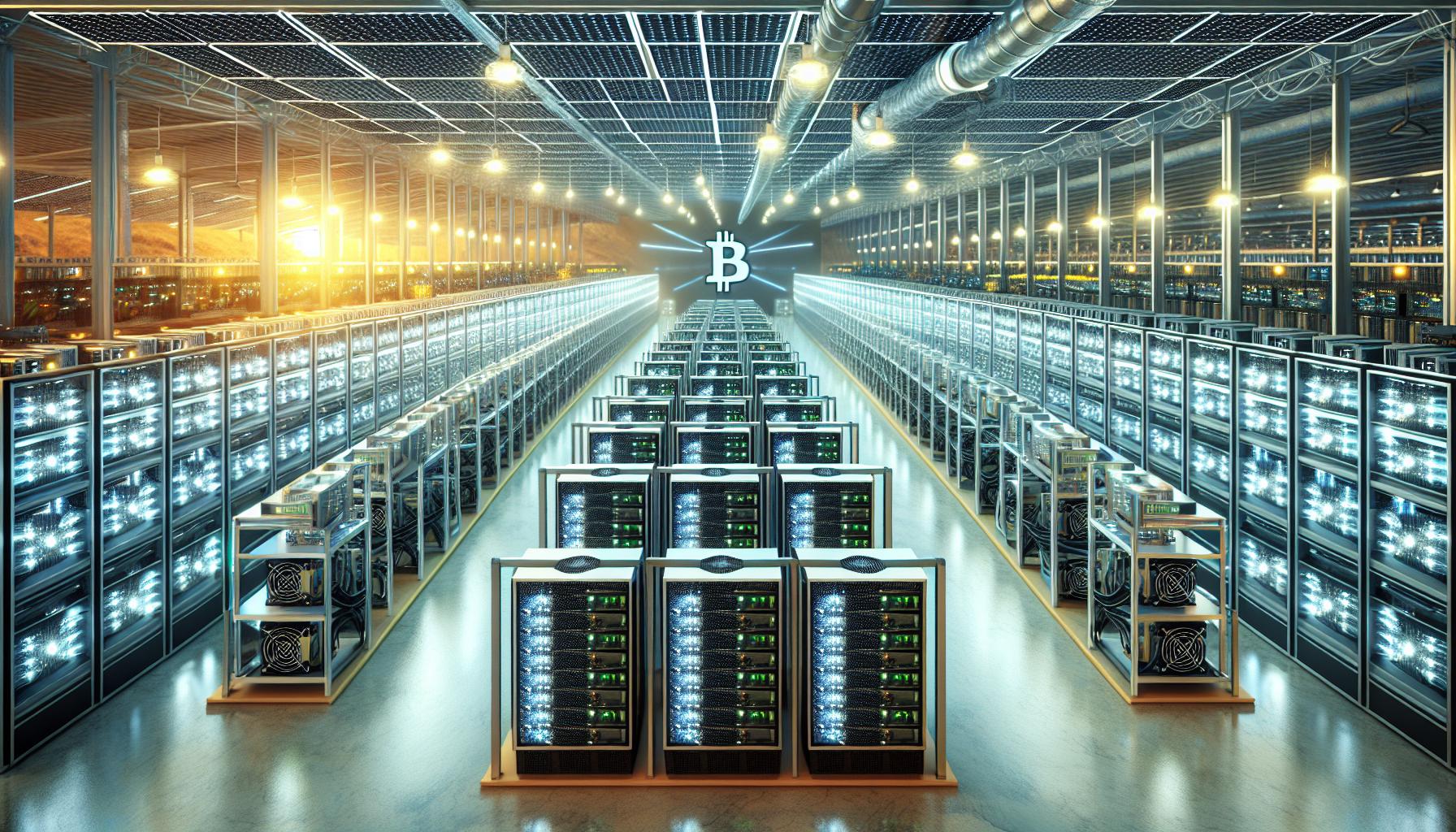
Bitcoin mining continues to evolve with significant geographical transformations and strategic regional developments. The global landscape of cryptocurrency mining reflects complex economic and technological shifts.
Geographical Shifts in Mining Operations
Mining operations are experiencing substantial geographical redistribution following China’s comprehensive cryptocurrency ban in 2021. Countries like the United States, Kazakhstan, and Canada have emerged as new cryptocurrency mining hubs. These regions offer competitive electricity rates, favorable regulatory environments, and robust technological infrastructure.
Specific geographical migrations include:
- US states like Texas and Wyoming attracting miners with renewable energy incentives
- Kazakhstan becoming a top-tier mining destination due to low electricity costs
- Canada leveraging hydroelectric power for energy-efficient mining operations
Key Regions Driving Mining Growth
Several regions demonstrate accelerated Bitcoin mining expansion:
| Region | Key Characteristics | Mining Potential |
|---|---|---|
| United States | Stable regulatory framework | High growth potential |
| Russia | Abundant energy resources | Moderate expansion |
| Kazakhstan | Low electricity costs | Rapid scaling |
| Canada | Green energy infrastructure | Sustainable growth |
Mining growth correlates with:
- Favorable electricity pricing
- Regulatory crypto-friendliness
- Advanced technological infrastructure
- Renewable energy accessibility
Emerging markets are increasingly participating in Bitcoin mining, transforming the global computational landscape and contributing to network decentralization.
Bitcoin Mining Boom (Stats as of 2026)
As of 2026, Bitcoin mining continues to expand globally, with the network hash rate reaching all-time highs above 600 EH/s (exahashes per second). This surge reflects increased competition, more advanced mining hardware, and large-scale industrial mining farms.
The Bitcoin network becomes more secure as the hash rate grows, since higher computational power makes attacks significantly more difficult. However, it also means individual miners face lower chances of earning rewards without industrial-level setups.
Mining difficulty adjusts roughly every two weeks, ensuring blocks are mined at a steady rate despite rising hash power. As a result, Bitcoin mining profitability in 2026 is largely concentrated in large mining companies rather than small individual miners.
Technological Advancements in Mining Hardware
Bitcoin mining hardware has dramatically transformed, pushing computational capabilities to unprecedented levels. The continuous evolution of mining equipment represents a critical driver of network security and mining efficiency.
Evolution of Mining Equipment
ASIC (Application-Specific Integrated Circuit) miners revolutionized Bitcoin mining technology. These specialized chips replaced general-purpose graphics processing units (GPUs) with machines engineered exclusively for cryptocurrency mining. Key developments include:
- Increased computational power: Modern ASIC miners generate 100+ terahashes per second
- Compact design: Smaller form factors enable more efficient data center deployments
- Advanced semiconductor technologies: 5nm and 3nm chip manufacturing processes
- Integrated cooling systems: Reducing thermal throttling and improving operational stability
Energy Efficiency Improvements
Mining equipment manufacturers prioritize energy consumption optimization. Technological innovations target reducing electricity requirements while maintaining high computational output. Critical improvements include:
- Power efficiency ratios dropping from 100 watts/terahash to under 30 watts/terahash
- Renewable energy integration: Solar and hydroelectric power supporting mining operations
- Advanced thermal management techniques reducing overall energy consumption
- Modular hardware designs enabling incremental performance upgrades
| Technology | Performance Improvement | Energy Reduction |
|---|---|---|
| ASIC V1 | Baseline | Baseline |
| ASIC V2 | 3x computational power | 40% reduction |
| ASIC V3 | 5x computational power | 60% reduction |
These technological advancements demonstrate the mining industry’s commitment to sustainable, high-performance cryptocurrency infrastructure.
Economic Factors Influencing Mining Expansion
Bitcoin mining expansion relies heavily on complex economic dynamics that shape investment and operational strategies. The economic landscape determines miners’ ability to scale operations and maintain profitability across global markets.
Investment Trends in Mining Infrastructure
Institutional investors increasingly allocate capital to Bitcoin mining infrastructure. Key investment trends include:
- Direct hardware procurement from manufacturers like Bitmain and MicroBT
- Data center construction in regions with low electricity costs
- Strategic investments in renewable energy infrastructure
- Publicly traded mining companies attracting significant venture capital
Investors evaluate mining operations based on:
- Electricity expense per kilowatt-hour
- Hardware efficiency ratings
- Geographic regulatory environment
- Potential return on infrastructure investments
Major investment metrics prioritize:
- Hash rate production capabilities
- Energy consumption efficiency
- Equipment depreciation timelines
- Network security contributions
Impact of Bitcoin Price on Mining Profitability
Bitcoin price directly influences mining economic calculations. Profitability metrics include:
- Break-even electricity costs
- Mining equipment depreciation rates
- Transaction fee revenues
- Block reward calculations
Price fluctuations create immediate mining economic responses:
- Lower Bitcoin prices reduce mining margins
- Higher prices incentivize increased infrastructure investments
- Marginal mining operations become economically nonviable during price downturns
Critical profitability factors:
- Hash rate competition
- Bitcoin market valuation
- Global electricity pricing
- Hardware technological advances
Miners continuously adapt strategies to maintain economic sustainability across volatile cryptocurrency market conditions.
Environmental Considerations
Bitcoin mining’s rapid expansion raises significant environmental concerns. The industry’s growing energy demands necessitate a comprehensive examination of its ecological footprint.
Energy Consumption Challenges
Bitcoin mining consumes substantial electricity globally. Current estimates indicate that global Bitcoin mining operations use approximately 121 terawatt-hours annually – comparable to the electricity consumption of entire mid-sized countries like Argentina. Key energy consumption challenges include:
- High power requirements for mining hardware
- Continuous operational demands of mining facilities
- Significant carbon emissions from traditional energy sources
- Computational intensity of blockchain transaction verification
The carbon footprint varies dramatically across different geographic regions. Regions with coal-dependent electricity grids generate substantially higher greenhouse gas emissions compared to areas utilizing renewable energy sources.
Renewable Energy in Bitcoin Mining
Cryptocurrency miners are increasingly transitioning toward sustainable energy solutions. Strategic approaches include:
- Solar power integration in mining data centers
- Hydroelectric energy utilization in regions like Canada
- Wind energy partnerships in wind-rich geographical zones
- Geothermal power implementations in volcanic regions
Texas emerges as a prominent example, attracting miners with robust renewable infrastructure and competitive electricity rates. The state’s wind and solar energy capacity provides an environmentally responsible alternative to fossil fuel-based electricity generation.
Innovative mining operations now prioritize electricity sourcing from renewable channels. Companies invest in direct renewable energy contracts, sometimes developing their own green energy generation facilities to offset carbon emissions and reduce operational costs.
Technological advancements in energy-efficient mining equipment further contribute to reducing environmental impact. Modern ASIC miners demonstrate significantly improved power efficiency compared to earlier generation hardware, consuming less electricity per computational hash generated.
Regulatory Landscape and Its Impact
Bitcoin mining faces complex global regulatory challenges that significantly influence operational strategies and market expansion. Governments worldwide are developing diverse approaches to cryptocurrency regulation.
Global Regulatory Approaches
Governments categorize Bitcoin mining regulations across multiple dimensions. Key regulatory frameworks emerge from different geographical regions:
- United States: Decentralized state-level regulations with federal oversight
- European Union: Developing comprehensive cryptocurrency compliance standards
- Russia: Implementing strict registration and reporting requirements
- Canada: Creating progressive crypto-friendly legislative environments
- China: Maintaining comprehensive cryptocurrency and mining prohibitions
Regulatory variations directly impact mining operations’ economic viability and geographical distribution. Countries with clear, supportive frameworks attract more mining investments.
Compliance and Licensing Requirements
Mining organizations must navigate intricate regulatory compliance processes:
- Registration with financial regulatory bodies
- Obtaining specialized cryptocurrency operation licenses
- Implementing comprehensive Know Your Customer (KYC) protocols
- Maintaining transparent financial transaction records
- Adhering to anti-money laundering (AML) guidelines
Licensing requirements differ across jurisdictions. Some regions demand extensive documentation and significant financial investments to qualify for cryptocurrency mining permits. Compliance costs range from $50,000 to $500,000 depending on regional regulations.
Regulatory frameworks influence:
- Operational locations
- Investment strategies
- Technological infrastructure development
- Energy sourcing requirements
Countries with crypto-friendly regulations attract more mining operations by offering:
- Clear legal frameworks
- Competitive tax structures
- Renewable energy incentives
- Streamlined licensing processes
Emerging markets increasingly develop specialized cryptocurrency regulatory environments to attract international mining investments. Proactive regulatory approaches create opportunities for technological and economic growth in the digital asset ecosystem.
Future Outlook for Bitcoin Mining
Bitcoin mining continues to evolve with technological innovations and market dynamics reshaping the cryptocurrency infrastructure. The industry anticipates significant transformations in computational power and strategic investments.
Predicted Technological Developments
Advanced ASIC miners will drive future Bitcoin mining capabilities through:
- Performance enhancements increasing computational efficiency
- Semiconductor technology reducing power consumption
- Miniaturization of mining hardware enabling compact data center deployments
- Integration of advanced cooling systems for improved thermal management
- Machine learning algorithms optimizing mining equipment operations
Emerging trends indicate potential breakthroughs in:
- Quantum computing compatibility
- Energy harvesting technologies
- Decentralized mining hardware architectures
- Artificial intelligence-driven mining optimization
- Custom chip design for enhanced cryptographic processing
Potential Market Transformations
Market evolution in Bitcoin mining will likely focus on:
- Geographical diversification beyond traditional mining regions
- Increased institutional investment in mining infrastructure
- Strategic partnerships between technology providers and energy companies
- Sustainable energy integration in mining operations
- Risk management through advanced financial instruments
Key market transformation indicators include:
| Transformation Area | Potential Impact |
|---|---|
| Renewable Energy | 40-60% reduction in carbon emissions |
| Institutional Investment | $2-3 billion annual infrastructure spending |
| Technological Efficiency | 25-35% improvement in hash rate per watt |
| Global Distribution | 15-20% expansion in mining geographic spread |
The Bitcoin mining ecosystem continues adapting to technological challenges and market opportunities with accelerated innovation and strategic investments.
Conclusion
The future of Bitcoin mining is brimming with potential. You’ll witness continuous technological innovations that promise to reshape the digital mining landscape. From advanced ASIC hardware to sustainable energy solutions the industry is evolving at an unprecedented pace.
As global computational power grows miners will play a critical role in securing and expanding blockchain networks. Your understanding of these dynamics positions you to appreciate the complex interplay between technology economics and environmental sustainability that drives Bitcoin mining forward.
The ongoing transformation suggests that Bitcoin mining will remain a dynamic and increasingly sophisticated sector. You can expect further advancements that will make mining more efficient environmentally responsible and globally integrated in the years ahead.
Frequently Asked Questions
How long will it take to mine 1 Bitcoin?
The time varies widely depending on mining power, but with current difficulty in 2026, it can take months or years for an individual unless using large-scale industrial Bitcoin mining operations.
How does Bitcoin mining work?
Bitcoin mining works by powerful computers solving complex cryptographic puzzles to validate transactions and secure the network, earning new coins as rewards.
Is Bitcoin mining legal?
Yes, Bitcoin mining is legal in many countries, but some regions restrict or regulate it due to energy use, taxation, or financial laws.
Can I mine Bitcoin for free?
No, Bitcoin mining is not truly free because it requires expensive hardware, electricity, and maintenance, even though some platforms claim “free mining” services.
What is Bitcoin mining’s hash rate?
Hash rate measures the computational power used by miners to process Bitcoin transactions and secure the blockchain network. It represents the number of calculations performed per second by mining devices. A higher hash rate indicates greater network security, making it more challenging for malicious actors to manipulate transactions and enhancing the overall stability of the Bitcoin ecosystem.
How does Bitcoin mining impact the environment?
Bitcoin mining consumes approximately 121 terawatt-hours annually, comparable to a mid-sized country’s electricity usage. However, the industry is increasingly adopting renewable energy sources like solar, hydroelectric, and wind power to mitigate environmental concerns. Modern mining operations are focusing on sustainable energy solutions, investing in green infrastructure, and developing more energy-efficient mining equipment to reduce their carbon footprint.
Which regions are leading Bitcoin mining operations?
The United States, Kazakhstan, Canada, and Russia are currently prominent Bitcoin mining hubs. Regions like Texas and Wyoming attract miners with renewable energy incentives, competitive electricity rates, and favorable regulatory environments. Kazakhstan benefits from low electricity costs, while Canada leverages hydroelectric power for energy-efficient mining operations.
What technological advancements are improving Bitcoin mining?
ASIC (Application-Specific Integrated Circuit) miners have revolutionized Bitcoin mining with specialized hardware designed exclusively for cryptocurrency mining. Modern ASIC miners can generate over 100 terahashes per second, featuring improved power efficiency, compact designs, and enhanced computational capabilities. Ongoing technological innovations focus on reducing energy consumption and increasing mining efficiency.
How do Bitcoin prices affect mining profitability?
Bitcoin prices directly impact mining economics by influencing break-even costs, equipment depreciation, and transaction fee revenues. Price fluctuations cause immediate responses in mining operations, with lower prices reducing profit margins and higher prices incentivizing infrastructure investments. Miners continuously adapt strategies to maintain economic sustainability in the volatile cryptocurrency market.
What are the regulatory challenges for Bitcoin mining?
Bitcoin mining faces complex global regulatory environments varying by region. The United States has decentralized state-level regulations, the European Union is developing compliance standards, Russia imposes strict requirements, Canada maintains progressive legislation, and China has implemented comprehensive prohibitions. Regulatory frameworks significantly influence mining operations’ economic viability and geographical distribution.
What is the future of Bitcoin mining?
The future of Bitcoin mining involves technological innovations, increased sustainability, and market diversification. Anticipated developments include more efficient ASIC miners, quantum computing compatibility, AI-driven optimization, and greater integration of renewable energy. The industry is expected to see continued geographical expansion, increased institutional investment, and a focus on reducing environmental impact.
How do miners ensure network security?
Miners ensure Bitcoin network security through high hash rates, decentralized computational power, and complex mathematical calculations. By competing to solve cryptographic puzzles and validate transactions, miners make it economically unfeasible for any single entity to control the network. The distributed nature of mining prevents potential manipulation and maintains the blockchain’s integrity.
The post Bitcoin Mining Boom: Hash Rate Drives Global Crypto first appeared on Cryptsy and is written by Ethan Blackburn


You May Also Like

PRC names topnotcher in doctors’ board exam after delay

Dow Jones futures plunge as risk aversion increases after Trump’s comments




