

Iran Pakistan Talks: Critical Diplomatic Snub Finalized for April 22 Meeting
BitcoinWorld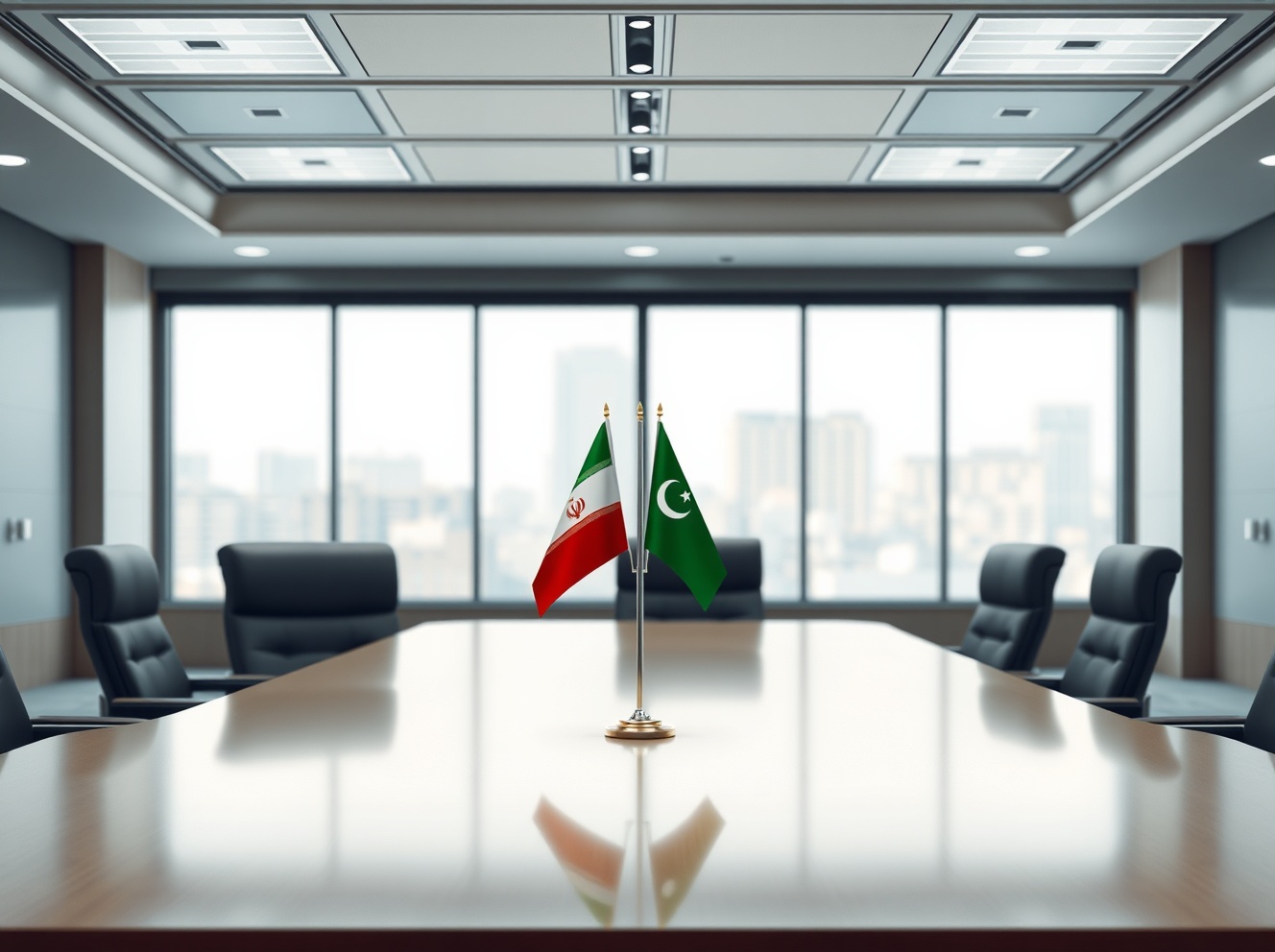
Iran Pakistan Talks: Critical Diplomatic Snub Finalized for April 22 Meeting
ISLAMABAD, PAKISTAN — April 22, 2025: Iran has finalized a consequential decision to skip high-level talks scheduled in Pakistan today, marking a significant diplomatic development. The Tasnim News Agency, a semi-official Iranian outlet, confirmed this move, which immediately alters the regional diplomatic landscape. Consequently, analysts are scrutinizing the potential impacts on bilateral relations and broader security frameworks.
Iran Pakistan Talks: The Core Decision
Iran’s decision to abstain from the April 22 dialogue represents a clear diplomatic signal. The Tasnim News Agency report provides the primary confirmation. This agency maintains close ties to Iran’s Islamic Revolutionary Guard Corps. Therefore, its reporting carries substantial weight in geopolitical analysis. The scheduled talks reportedly aimed to address several ongoing bilateral issues. These issues include border security, economic cooperation, and regional stability concerns.
Historically, Iran and Pakistan have maintained a complex relationship characterized by both cooperation and tension. For instance, their shared 959-kilometer border presents persistent security challenges. Additionally, both nations navigate intricate relationships with global powers. The decision to skip this forum suggests a reassessment of diplomatic priorities. Below is a brief timeline of recent key events:
- January 2024: Joint military exercises conducted along the shared border.
- September 2024: High-level economic delegation from Pakistan visited Tehran.
- March 2025: Cross-border incidents reported by both Iranian and Pakistani media.
- April 21, 2025: Final communication confirming Iran’s non-attendance.
Analyzing the Diplomatic Context
Several geopolitical factors provide essential context for this development. Firstly, Iran’s foreign policy currently focuses on multiple international fronts. These include nuclear negotiations and regional alliances. Secondly, Pakistan’s internal political situation may influence diplomatic engagements. Thirdly, the role of external actors like China and Saudi Arabia remains relevant. These nations hold significant influence in the region.
Furthermore, the timing of this snub is particularly noteworthy. The meeting was set just weeks after regional security forums. Experts point to a pattern of calculated diplomatic messaging. For example, Iran often uses attendance as a strategic tool. This action aligns with that established behavioral pattern. The table below contrasts recent diplomatic engagements between the two nations:
| Event Type | 2023 Status | 2024 Status | 2025 Status (To Date) |
|---|---|---|---|
| Head-of-State Meetings | 2 | 1 | 0 |
| Foreign Minister Talks | 4 | 3 | Scheduled (Now Skipped) |
| Joint Security Commissions | 3 | 2 | 1 |
Expert Perspectives on Regional Impact
Regional security analysts emphasize the practical consequences of this move. Dr. Aliya Raza, a senior fellow at the Institute for Strategic Studies Islamabad, notes the immediate effect. “Diplomatic absences communicate priorities,” Raza states. “Iran’s choice redirects attention to its other strategic partnerships.” Moreover, this decision may affect collaborative border management programs. These programs are crucial for combating smuggling and militant activity.
Conversely, some observers suggest this may be a temporary tactical pause. They cite Iran’s ongoing negotiations with Western powers as a potential distraction. However, the cancellation undoubtedly creates a short-term vacuum in bilateral dialogue. Pakistan’s foreign ministry has yet to issue a detailed public response. This silence itself is being interpreted as a diplomatic choice.
Economic and Security Implications
The skipped talks carry direct implications for several key areas. Firstly, a major pipeline project, often called the “Peace Pipeline,” faces potential delays. This project aims to transport Iranian natural gas to Pakistan. Secondly, bilateral trade targets, set at $5 billion for 2025, may require revision. Thirdly, security coordination along the Balochistan border region becomes more challenging.
Pakistan currently faces economic pressures, including IMF program requirements. Stable regional relations typically support economic confidence. Therefore, any diplomatic friction can influence market perceptions. Additionally, both nations participate in the Shanghai Cooperation Organization (SCO). Their bilateral dynamics can affect consensus within that multilateral forum.
Conclusion
Iran’s finalized decision to skip the April 22 Pakistan talks marks a pivotal moment in their bilateral relations. The move reflects deeper strategic calculations within Iran’s foreign policy apparatus. Consequently, observers must monitor subsequent diplomatic communications closely. The long-term impact on regional security and economic cooperation remains uncertain. However, this event undoubtedly reshapes the immediate diplomatic agenda between Tehran and Islamabad.
FAQs
Q1: What was the main reason Iran gave for skipping the talks?
The official reason has not been publicly detailed beyond the confirmation of non-attendance. Tasnim News Agency reported the decision as finalized without specifying causes, which is common in diplomatic communications where reasons may be communicated through private channels.
Q2: How has Pakistan officially responded to Iran’s decision?
As of the initial reporting period, Pakistan’s Foreign Ministry has not issued a formal, detailed statement. Diplomatic protocol often involves private consultations before public commentary following such developments.
Q3: Will this affect the Iran-Pakistan gas pipeline project?
While not directly canceled, the project’s timeline and political support could face new hurdles. Major infrastructure deals often require sustained high-level diplomatic engagement, which is now interrupted.
Q4: Are there scheduled future meetings between Iran and Pakistan?
No immediately rescheduled talks have been announced. The diplomatic calendar will likely be reassessed following consultations between mid-level officials in the coming weeks.
Q5: How does this decision fit into Iran’s broader foreign policy?
Analysts view it as consistent with Iran’s selective engagement strategy. Iran often prioritizes diplomatic forums that align directly with its immediate strategic or economic objectives, sometimes using absence as a form of leverage.
This post Iran Pakistan Talks: Critical Diplomatic Snub Finalized for April 22 Meeting first appeared on BitcoinWorld.


You May Also Like

Bitcoin, Gold, and U.S. Stocks Dive as Trump Pledges to Hit Iran ‘Extremely Hard’

Dow Jones futures plunge as risk aversion increases after Trump’s comments




