A Planet Shaped by our Decisions
We often hear the phrase “natural disaster,” as if the calamities we see every year is simply the way things are meant to unfold. But the more you look closely, the harder it is to believe that. There’s nothing natural about entire communities flooding repeatedly because infrastructure was never designed to withstand stronger storms. There’s nothing natural about classrooms turning into evacuation centers, or students trying to keep up with deadlines while their families rebuild from yet another loss.
Across many local communities, the effects of the climate crisis are no longer abstract. They show up in everyday disruptions, in livelihoods that become more fragile, in homes that are rebuilt only to be damaged again, in the quiet but constant uncertainty of what the next typhoon season will bring. In universities, the conversation is often more visible. Students talk about sustainability, climate justice, and solutions inside the classroom, but step outside into campuses that still struggle with waste, heat, and limited institutional change.
There’s a growing awareness, but also a growing frustration with how slowly things move.
Part of that frustration comes from knowing that much of this damage is preventable. Disasters are shaped by decisions: by where and how we build, by whether we protect ecosystems or allow them to be degraded, by who benefits from development and who bears the cost. While communities are left to adapt, recover and stay resilient, corporations continue to reclaim land, extract resources, and expand into areas that were never meant to be exploited in the first place. These choices make already vulnerable places even more exposed, turning hazards into crises.
And yet, despite all of this, people continue to act. In communities, you can see it among neighbors organizing, rebuilding together, and finding ways to protect what they can. In universities, it shows up in student-led initiatives, advocacy efforts, and the push to turn knowledge into something more concrete. The work is often slow and under-resourced, and it rarely gets the attention it deserves, but it persists.
That persistence matters, but it also needs to be matched with accountability. Awareness alone isn’t enough if the systems that allow these conditions to continue remain unchanged. Holding leaders accountable, demanding better planning, stronger protections, and long-term solutions is part of the work, along with questioning the role of corporations and developments that prioritize profit over people and the environment.
It also means recognizing that action is not distant or complicated—it is already in our everyday choices. Choosing to walk or carpool instead of relying on single-occupancy rides whenever possible. Using public transportation and pushing for it to be safer, more accessible, and more reliable. Bringing reusable tumblers, bottles, utensils, and containers instead of relying on single-use plastics. Refusing plastic bags and bringing eco bags when buying from stores or markets. Choosing products with minimal or plastic-free packaging, and supporting refill stations and local zero-waste initiatives when available. Segregating waste properly, composting biodegradable waste when possible, and participating in campus or community recycling drives. Reducing energy use by turning off lights, unplugging devices, and choosing efficient appliances. Supporting local and sustainable food sources instead of heavily packaged or imported alternatives when possible. Speaking up in schools, workplaces, and communities when environmentally harmful practices are normalized or ignored.
Because this is not just about surviving what comes next. It’s about refusing to normalize what should never have been acceptable in the first place, and that kind of change has always started with people who refuse to look away.


You May Also Like
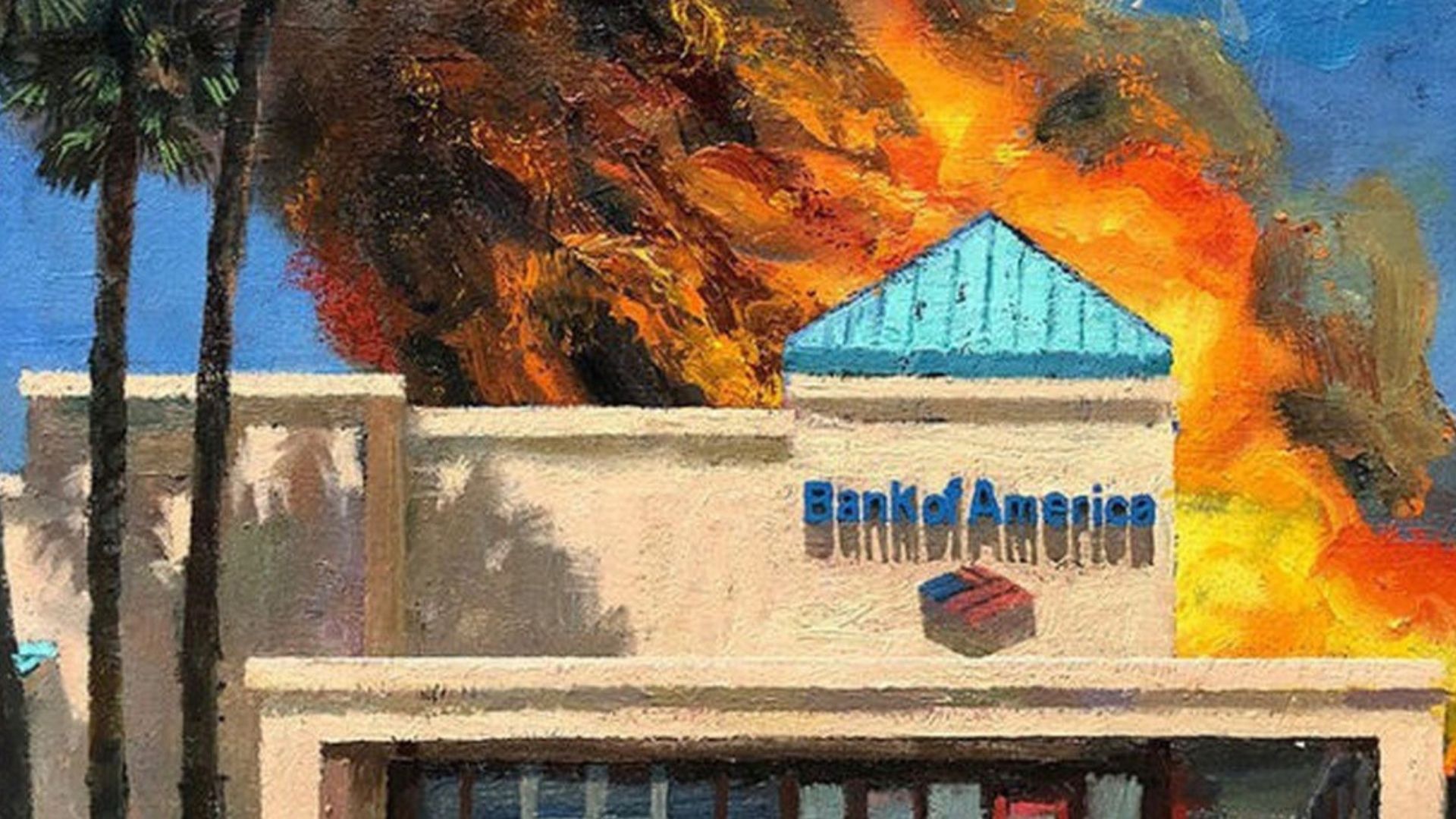
Relics of a Revolution, Part IV: The Bank Was Already Burning

Relics Of A Revolution, Part IV: The Bank Was Already Burning