

USD/CAD Forecast: Choppy Range Signals a Softer Bias, Warns TD Securities
BitcoinWorld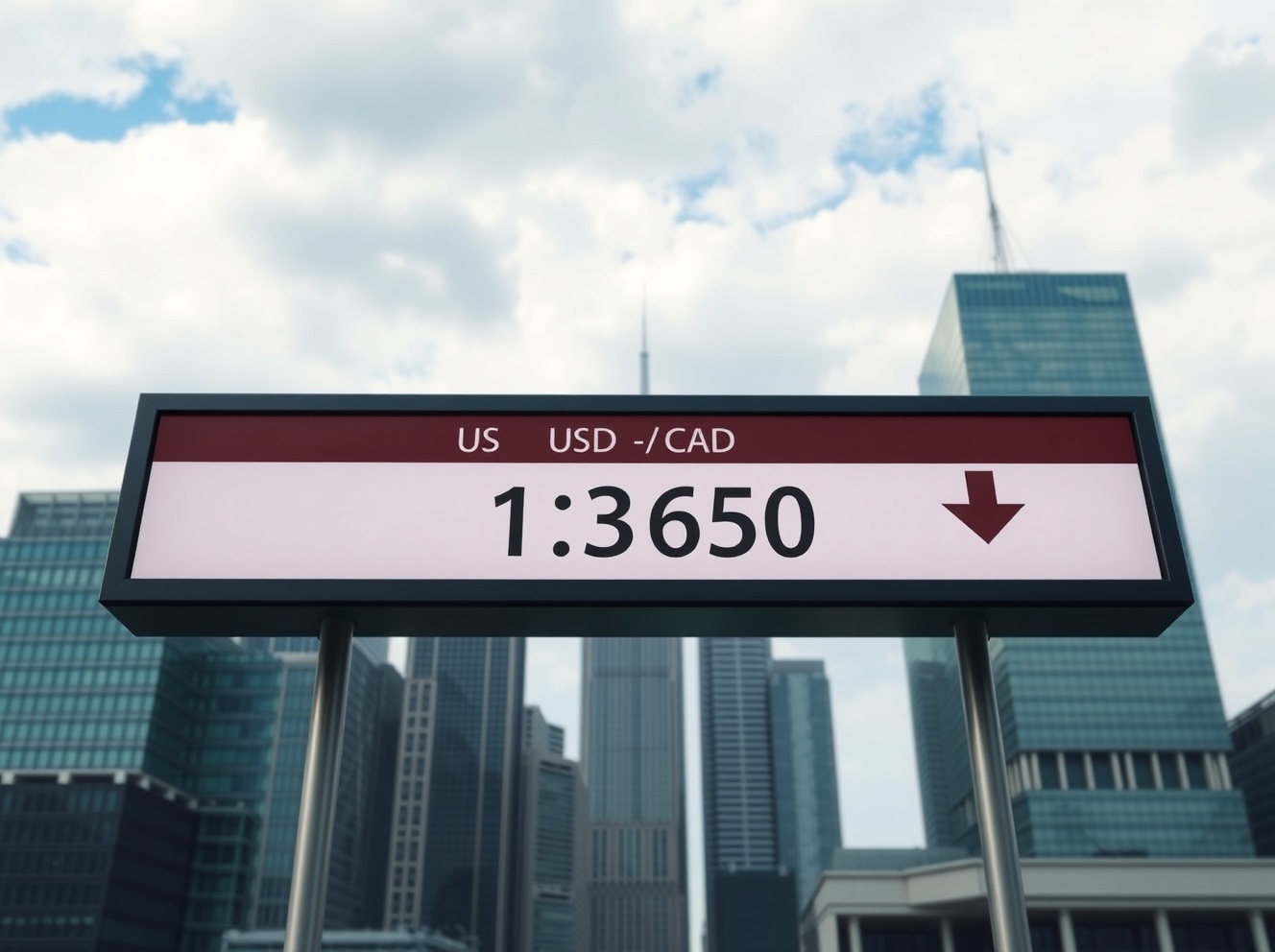
USD/CAD Forecast: Choppy Range Signals a Softer Bias, Warns TD Securities
The USD/CAD pair enters a period of consolidation, but a softer bias may emerge. TD Securities analysts highlight a choppy range before a potential downturn. This forecast carries significant weight for traders and businesses.
Understanding the dynamics of the USD/CAD pair is crucial. The Canadian dollar’s performance ties directly to oil prices and economic data. The US dollar’s strength also plays a major role. This analysis provides a clear outlook.
USD/CAD Forecast: TD Securities Sees Choppy Range
TD Securities expects the USD/CAD pair to trade within a defined range. This choppy range reflects conflicting market forces. These forces include interest rate expectations and commodity price fluctuations.
Key levels to watch include support near 1.3600. Resistance sits around 1.3750. A break above or below these levels could signal the next move. However, TD Securities leans toward a softer bias.
The forecast relies on several factors. These factors include the Bank of Canada’s policy stance. They also include the Federal Reserve’s actions. Economic data releases from both countries will also influence the pair.
What Drives the Choppy Range in USD/CAD?
Several elements contribute to the choppy range. First, interest rate differentials between the US and Canada remain a key driver. Second, oil prices directly impact the Canadian dollar. Third, global risk sentiment affects both currencies.
Recent data shows mixed signals. US employment figures remain strong. Canadian GDP growth, however, shows signs of slowing. This divergence creates uncertainty. It keeps the USD/CAD pair within a tight band.
TD Securities uses technical and fundamental analysis. They examine moving averages and momentum indicators. They also review economic models. This comprehensive approach supports their forecast.
Softer Bias: Why TD Securities Expects a Decline
The softer bias stems from several key observations. The Canadian dollar may strengthen as oil prices stabilize. The US dollar might weaken if the Fed pauses rate hikes. These conditions favor a move lower in USD/CAD.
TD Securities points to potential catalysts. A dovish Fed statement could trigger a sell-off. Strong Canadian retail sales could boost the loonie. These events could push USD/CAD below the range.
Traders should monitor these developments closely. A break below 1.3600 could open the door to 1.3500. A move above 1.3750 would invalidate the softer bias. This would suggest continued strength in the US dollar.
Impact on Traders and Businesses
This forecast has practical implications. Importers and exporters need to hedge currency risk. A softer USD/CAD means a stronger Canadian dollar. This benefits Canadian consumers but hurts exporters.
Forex traders can use this information. They can position for a potential decline. They should also prepare for continued range-bound trading. Stop-loss orders are essential in this environment.
Long-term investors should consider the broader trend. The Canadian dollar may appreciate over time. This reflects Canada’s commodity-based economy. It also reflects potential shifts in global trade.
Key Levels and Technical Analysis for USD/CAD
Technical analysis supports the choppy range view. The 50-day moving average provides support near 1.3620. The 200-day moving average acts as resistance near 1.3700. These levels reinforce the range.
Momentum indicators show a neutral reading. The RSI sits near 50. The MACD shows no clear signal. This confirms the lack of a strong trend. It supports the idea of a choppy range.
Traders should watch for a breakout. A close below 1.3600 would be bearish. A close above 1.3750 would be bullish. Volume and volatility will confirm the move.
Here are key technical levels to watch:
- Support: 1.3600, 1.3550, 1.3500
- Resistance: 1.3700, 1.3750, 1.3800
- 50-day MA: 1.3620
- 200-day MA: 1.3700
Fundamental Factors Influencing the USD/CAD Pair
Fundamental factors play a crucial role. Interest rate decisions from the Fed and Bank of Canada are paramount. The Fed’s hawkish stance supports the US dollar. The Bank of Canada’s cautious approach weighs on the loonie.
Oil prices are another major factor. Canada is a major oil exporter. Higher oil prices boost the Canadian dollar. Lower oil prices hurt it. Recent oil price stability helps the loonie.
Economic data releases also matter. US non-farm payrolls and CPI data drive USD moves. Canadian GDP and employment data impact CAD. Strong data from Canada supports the softer bias.
Global risk sentiment affects both currencies. Risk-on sentiment favors the Canadian dollar. Risk-off sentiment favors the US dollar. Current sentiment is mixed, contributing to the range.
Expert Analysis and Market Context
TD Securities is a respected financial institution. Their analysis carries weight in the market. They have a strong track record in forex forecasting. This adds credibility to their view.
Other analysts also see a potential decline. Some expect a move to 1.3500. Others see a more gradual decline. The consensus leans toward a softer bias. This aligns with TD Securities’ forecast.
The market context is important. The US dollar has strengthened recently. This reflects the Fed’s aggressive rate hikes. However, this trend may be ending. A peak in rates could weaken the dollar.
Canada’s economy faces headwinds. High household debt and a cooling housing market pose risks. However, strong employment and high oil prices provide support. These opposing forces create the choppy range.
Timeline and Potential Scenarios for USD/CAD
TD Securities does not provide a specific timeline. However, the softer bias may play out over weeks. The choppy range could persist in the near term. A catalyst is needed for a breakout.
Potential scenarios include:
- Scenario 1: Range-bound trading continues. USD/CAD stays between 1.3600 and 1.3750. This requires no major surprises.
- Scenario 2: A break below 1.3600. This triggers a decline to 1.3500. This requires a dovish Fed or strong Canadian data.
- Scenario 3: A break above 1.3750. This invalidates the softer bias. This requires a hawkish Fed or weak Canadian data.
Traders should prepare for each scenario. They should adjust their strategies accordingly. Risk management is key in this uncertain environment.
Conclusion
The USD/CAD forecast from TD Securities highlights a choppy range with a softer bias. This analysis provides valuable insights for traders and businesses. Key levels and fundamental factors support this view. Monitoring economic data and central bank actions is essential. The outlook remains uncertain, but the bias leans toward a weaker USD/CAD.
FAQs
Q1: What does a choppy range mean for USD/CAD?
A choppy range means the pair trades within a defined band without a clear trend. It reflects conflicting market forces and uncertainty.
Q2: Why does TD Securities expect a softer bias?
TD Securities expects a softer bias due to potential Canadian dollar strength from stable oil prices and a possible pause in Fed rate hikes.
Q3: What are the key levels to watch for USD/CAD?
Key support is at 1.3600, and resistance is at 1.3750. A break below or above these levels signals the next major move.
Q4: How do oil prices affect the USD/CAD forecast?
Higher oil prices strengthen the Canadian dollar, pushing USD/CAD lower. Lower oil prices weaken the loonie, supporting the pair.
Q5: What should traders do based on this forecast?
Traders should monitor key levels and prepare for range-bound trading. They can position for a potential decline but use stop-loss orders to manage risk.
This post USD/CAD Forecast: Choppy Range Signals a Softer Bias, Warns TD Securities first appeared on BitcoinWorld.


You May Also Like

Ukraine drone strikes cut Russian oil exports amid price spike

USD/RUB Forecast: Gradual Rise Toward 100.0 Eyed by Commerzbank – Key Insights for Traders




