HKMA Warns of Fraudulent Tokens Claiming Stablecoin Links
Jessie A Ellis Apr 28, 2026 11:09
The HKMA has warned against tokens falsely linked to licensed stablecoin issuers HSBC and Standard Chartered.
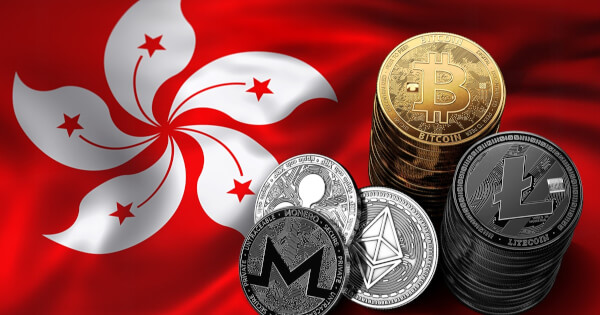
The Hong Kong Monetary Authority (HKMA) issued a warning on April 28, 2026, cautioning the public about tokens falsely claiming association with licensed stablecoin issuers, HSBC and Standard Chartered. The tokens in question, bearing the tickers “HKDAP” and “HSBC,” are not authorized or issued by either institution, according to official statements from both entities.
This alert comes just weeks after the HKMA granted the first two stablecoin licenses under Hong Kong’s new regulatory framework to HSBC and Standard Chartered on April 10, 2026. Despite this milestone in regulating the local stablecoin market, fraudulent actors appear to be exploiting the news to mislead investors.
Under Hong Kong’s Stablecoins Ordinance, effective since August 2025, only licensed entities are permitted to issue stablecoins. These issuers must meet stringent requirements, including maintaining HK$25 million in paid-up share capital and fully backing all issued stablecoins with high-quality, liquid assets. This framework was designed to ensure stability and investor protection in the stablecoin market, but it also underscores the risks of unregulated tokens masquerading as legitimate offerings.
Neither HSBC nor Standard Chartered has issued any regulated stablecoins to date, the HKMA clarified. The authority urged the public to verify claims through official channels and conduct transactions only via regulated platforms to avoid falling victim to scams. The HKMA also reminded investors of their right to redeem licensed stablecoins at par value under the current regulatory regime, which does not extend to fraudulent or unregulated tokens.
Hong Kong’s stablecoin market has been under increasing scrutiny as the city positions itself as a hub for digital assets. The Stablecoins Ordinance is part of a broader effort to provide legal clarity while encouraging innovation. In parallel, the Securities and Futures Commission (SFC) is piloting the trading of tokenized funds on licensed crypto exchanges, signaling a push toward integrating traditional finance with blockchain-based solutions.
For investors, this latest warning serves as a reminder to exercise caution, particularly in a market where regulatory regimes are still taking root. Fraudulent tokens like “HKDAP” and “HSBC” may lure unsuspecting individuals with false claims of legitimacy, but the HKMA’s robust licensing framework provides a clear line between authorized issuers and bad actors. Staying informed and adhering to regulated channels is key to navigating Hong Kong’s evolving stablecoin environment.
As the market matures, the HKMA’s proactive stance highlights its commitment to investor protection and market integrity. With no official launch date for licensed stablecoins yet, traders should remain vigilant for further announcements from HSBC, Standard Chartered, and the HKMA.
Image source: Shutterstock- hkma
- stablecoins
- fraud