

Iran-US Distrust Deepens: Tehran Demands Port Blockade Lift for Strait of Hormuz Talks
BitcoinWorld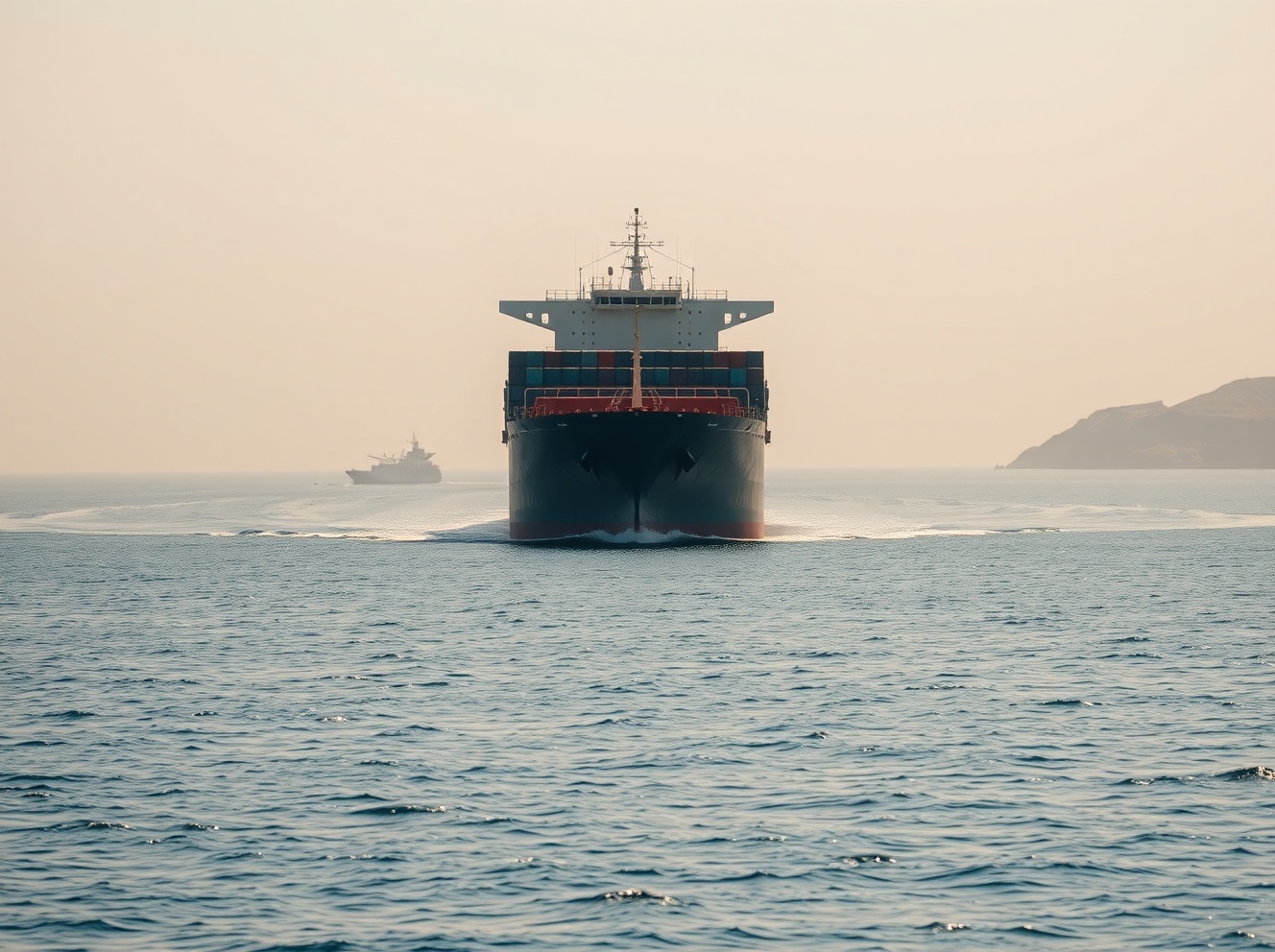
Iran-US Distrust Deepens: Tehran Demands Port Blockade Lift for Strait of Hormuz Talks
Iran-US distrust remains a central obstacle to renewed negotiations, according to an Iranian source who spoke with CNN. Tehran expresses deep suspicion over Washington’s decision to break off talks during the last round of discussions in Pakistan. This distrust now threatens any potential progress on reopening the Strait of Hormuz.
Iran-US Distrust: A Barrier to Strait of Hormuz Negotiations
The Iranian source revealed that Tehran does not understand why the United States unilaterally ended the previous talks. This lack of clarity fuels a persistent Iran-US distrust that complicates any new diplomatic efforts. The source indicated that Iran might consider resuming negotiations only if the U.S. lifts its blockade on Iranian ports. In return, Tehran would fully reopen the Strait of Hormuz.
The Strait of Hormuz is a critical chokepoint for global oil shipments. Approximately 20% of the world’s petroleum passes through this narrow waterway. Any disruption here directly impacts energy markets worldwide. The U.S. maintains that Iran must unconditionally allow all vessels to pass through the strait. However, it remains unconfirmed whether Iran’s latest proposal includes this concession.
Historical Context of US-Iran Negotiations
Relations between the two nations have been fraught for decades. The 2015 Joint Comprehensive Plan of Action (JCPOA) briefly eased tensions. However, the U.S. withdrawal from the deal in 2018 under the Trump administration reignited hostilities. Subsequent talks in Vienna and elsewhere failed to produce a lasting agreement. The recent breakdown in Pakistan adds another layer to this complex history.
Experts point to a pattern of mutual suspicion. Each side accuses the other of bad faith. The U.S. demands unconditional compliance with international maritime law. Iran insists on relief from economic sanctions before making any concessions. This stalemate perpetuates the Iran-US distrust.
Key Events in US-Iran Tensions
- 2015: JCPOA signed, limiting Iran’s nuclear program in exchange for sanctions relief.
- 2018: U.S. withdraws from JCPOA, reimposes sanctions.
- 2019-2020: Series of incidents in the Persian Gulf, including tanker seizures.
- 2021-2022: Indirect talks in Vienna fail to revive the deal.
- 2024: Talks in Pakistan break down, deepening Iran-US distrust.
Impact on Global Energy Markets
The ongoing Iran-US distrust directly threatens global energy security. The Strait of Hormuz sees the transit of about 17 million barrels of oil daily. Any closure or disruption sends shockwaves through oil prices. In 2023, a brief Iranian threat to close the strait caused a 5% spike in crude prices.
Energy analysts warn that prolonged uncertainty could destabilize markets further. Countries like Japan, India, and South Korea rely heavily on this route. They urge both sides to find a diplomatic solution. However, the deep-seated Iran-US distrust makes progress difficult.
Expert Analysis on Negotiation Prospects
Middle East policy experts emphasize the need for confidence-building measures. Dr. Sarah Johnson, a geopolitical analyst, notes that “the U.S. must address Iran’s legitimate security concerns.” She adds that “Iran’s proposal to link port blockade relief to strait reopening is a pragmatic step.” However, she cautions that “the deep Iran-US distrust will require sustained engagement to overcome.”
Other experts highlight the role of regional mediators. Pakistan, Oman, and Qatar have previously facilitated talks. Their continued involvement may help bridge the gap. Yet, without a fundamental shift in trust, negotiations remain fragile.
Comparison of Positions
| Issue | U.S. Position | Iran Position |
|---|---|---|
| Port Blockade | Lift only after Iran meets conditions | Must be lifted before talks resume |
| Strait of Hormuz | Unconditional free passage | Reopen if port blockade is lifted |
| Nuclear Program | Full compliance with JCPOA | Negotiate within JCPOA framework |
Conclusion
The Iran-US distrust remains a formidable barrier to resolving the Strait of Hormuz dispute. Tehran’s demand for a port blockade lift represents a conditional step toward reopening the waterway. However, Washington insists on unconditional compliance. Without a breakthrough in trust, the risk of escalation and market disruption persists. Both sides must engage in sincere dialogue to prevent further instability in the region.
FAQs
Q1: Why does Iran distrust the United States?
Iran’s distrust stems from the U.S. withdrawal from the JCPOA in 2018 and the breakdown of talks in Pakistan. Tehran views these actions as evidence of U.S. unreliability.
Q2: What is the Strait of Hormuz’s strategic importance?
It is a vital maritime chokepoint through which about 20% of global oil passes. Any disruption affects energy prices worldwide.
Q3: What is Iran’s latest proposal?
Iran suggests it may resume negotiations if the U.S. lifts its blockade on Iranian ports. In return, Iran would fully reopen the Strait of Hormuz.
Q4: What is the U.S. condition for negotiations?
The U.S. demands that Iran unconditionally allow all vessels to pass through the Strait of Hormuz before any talks can proceed.
Q5: Could a resolution be reached soon?
It is unlikely in the short term due to deep-seated Iran-US distrust. Regional mediators may help, but significant trust-building is required.
This post Iran-US Distrust Deepens: Tehran Demands Port Blockade Lift for Strait of Hormuz Talks first appeared on BitcoinWorld.


You May Also Like
ICE moves to deport 12-year-old and his mother over missing DNA test

Incrypted Conference 2026: Ukraine's Premier Crypto Event Returns to Kyiv this June
