

Why Vitalik Sold $23M ETH—Bullish or Bearish?
Vitalik Buterin reportedly sold $23 million in Ethereum. However, viral posts created confusion quickly. A post by Crypto Rover used dramatic language. It included bearish visuals and “BREAKING” headlines. Therefore, it suggested major insider selling activity. However, on-chain data tells a different story. The $23 million matches February 2026 transfers. At that time, Buterin moved about 11,400 ETH. He used multiple transactions across wallets. Analysts quickly flagged the activity as old. They confirmed it does not signal panic selling.
Where the ETH Actually Went
Historical wallet data shows a different narrative. These transfers align with funding activity patterns. For example, they connect to known ecosystem allocations:
• Ethereum ecosystem grants
• Research initiatives
• Public goods funding
• Philanthropic contributions
• Foundation treasury operations
Additionally, Vitalik Buterin has a public funding history. He regularly supports ecosystem growth initiatives. Therefore, these transactions differ from exit behavior. They reflect ongoing ecosystem support and allocation.
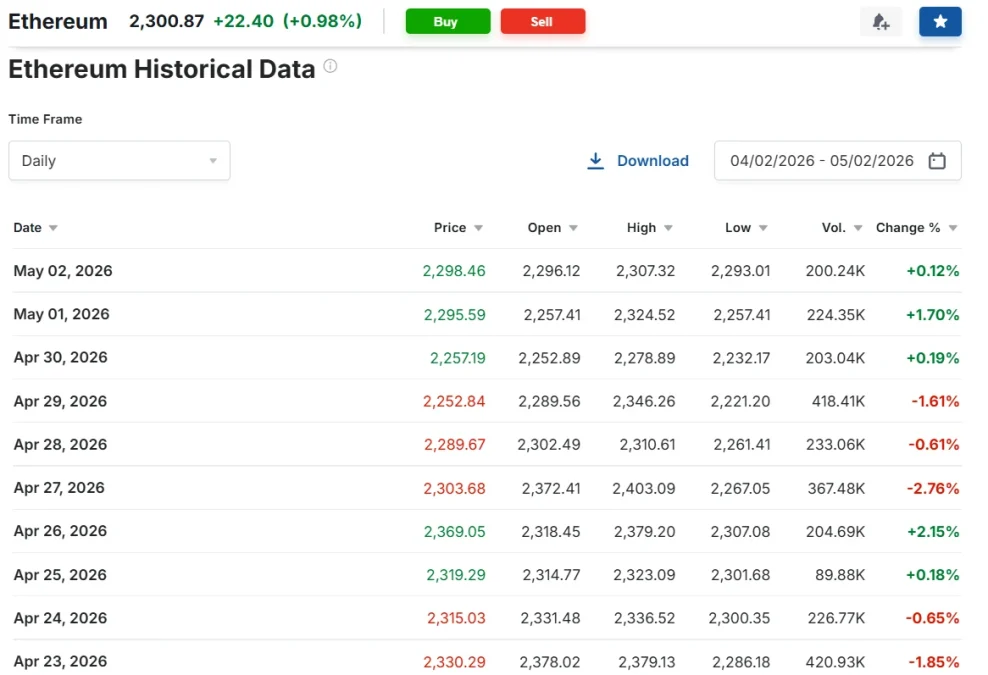
Ethereum daily prices (Apr 23 – May 2, 2026): Foundation sells 10k ETH OTC → market shrugs it off. Still consolidating around $2,300.
Vitalik’s History of Ecosystem Funding
Over the years, Buterin has funded multiple initiatives. He consistently uses crypto for development support. For example, his contributions include:
• Open-source development funding
• AI safety research programs
• Biomedical research initiatives
• Pandemic relief funding
• Global public goods projects
Therefore, these transfers follow a known pattern. They support innovation rather than personal profit-taking. This behavior contrasts with founder sell-offs.
Ethereum Foundation Treasury Strategy
The Ethereum Foundation manages treasury actively. It uses structured ETH sales and OTC deals. Additionally, it earns yield through staking strategies. It also diversifies into fiat holdings. The foundation reportedly spends over $100 million yearly. These funds support multiple ecosystem areas:
• Core protocol research
• Layer-2 ecosystem grants
• Developer tooling
• Security audits
• Community funding
• Educational initiatives
Furthermore, treasury policies show long-term planning. The foundation maintains multi-year financial buffers. Therefore, actions reflect strategy, not market panic.
Why Social Media Frames It Differently
Large wallet movements attract instant attention online. Social media posts often amplify fear narratives quickly. Terms like “founder dumping” drive engagement strongly. Therefore, such posts spread rapidly among traders. In this case, users flagged recycled FUD. They noted the transactions occurred months earlier. However, traders should not ignore wallet movements. Instead, they should analyze context carefully. Not every transfer signals selling pressure.
What This Means for Investors, Traders, and Builders
Investors should analyze intent behind fund movements. Founder activity can impact sentiment significantly. However, purpose matters more than headlines. If funds support ecosystem growth, impact stays positive. Long-term holders track reinvestment into the network.
Traders should verify on-chain data before reacting. Viral posts often trigger volatility and liquidations. Therefore, timing and context become critical. Smart traders check timestamps and wallet flows. This helps avoid costly emotional decisions.
Developers benefit from continued ecosystem funding support. When foundations invest, opportunities expand rapidly. Key areas continue receiving strong funding:
• Layer-2 development
• DeFi infrastructure
• Security tooling
• Zero-knowledge systems
• Enterprise blockchain applications
Therefore, builder confidence increases with sustained funding.
Final Thoughts on the ETH Sale Narrative
The $23 million ETH transfer may appear bearish. However, data shows a different conclusion clearly. Vitalik Buterin continues funding ecosystem growth actively. He supports research, builders, and public goods. Therefore, this reflects long-term commitment to Ethereum. In crypto, wallet movements create headlines. However, context ultimately shapes conviction and decisions.
The post Why Vitalik Sold $23M ETH—Bullish or Bearish? appeared first on Coinfomania.


You May Also Like

Trump Crypto Manipulation: Explosive Claims of Daily Bitcoin Market Influence Through Geopolitical Statements

How to Spot a South African Cyber-Scam Before You Click “Pay”




