

Polygon Introduces Confidential Stablecoin Transfers Using Zero-Knowledge Technology
Key Highlights
- Polygon debuts confidential stablecoin transfer capability powered by zero-knowledge cryptography through Hinkal protocol partnership
- Payment details remain concealed from public view while maintaining regulatory transparency via KYT protocols and auditable records
- The network’s stablecoin holdings reached a record $3.6 billion valuation on April 10
- Aptos network introduced Confidential APT, its privacy-focused token, on April 24
- Western Union deployed USDPT, a dollar-backed stablecoin, on Solana coinciding with Polygon’s privacy feature launch
Polygon has introduced a wallet capability enabling users to execute stablecoin transfers with enhanced privacy protections across its blockchain infrastructure. This development aims to accelerate adoption among corporate entities and financial service providers.
The system channels transfers through a protected liquidity pool. Verification occurs via zero-knowledge cryptographic proofs, effectively masking sender identities, recipient addresses, and transaction values from public blockchain records.
This capability emerged from a collaboration with Hinkal, a specialized privacy infrastructure provider. Smokey, who leads community engagement for Polygon, characterized the system on X as providing “operational privacy” rather than enabling regulatory evasion.
Each confidential transfer undergoes KYT (Know Your Transaction) verification protocols prior to execution. Additionally, users maintain the ability to produce comprehensive audit documentation for tax compliance authorities or financial regulators when necessary.
Polygon identified the absence of transaction confidentiality as the primary obstacle preventing blockchain payment infrastructure from meeting institutional financial requirements. The network emphasized that banking institutions and payment processors routinely operate within confidential frameworks in conventional finance and show reluctance toward migrating substantial transaction volumes to transparent distributed ledgers.
Growing Demand for Blockchain Privacy Solutions
Privacy-focused development emerged as a dominant trend throughout the cryptocurrency sector in 2025. Numerous digital assets associated with privacy-oriented protocols experienced valuation increases even during periods of market-wide decline.
Polygon isn’t alone in pursuing privacy enhancements. Aptos, a layer-1 blockchain platform, unveiled Confidential APT on April 24. This asset maintains value parity with the native Aptos token while employing zero-knowledge proof technology to obscure transaction information.
Stablecoin adoption on Polygon has demonstrated consistent expansion. The aggregate stablecoin market capitalization on the network climbed to an unprecedented $3.6 billion on April 10, based on DefiLlama analytics. This positioned Polygon as the eighth-largest blockchain by stablecoin holdings during that period.
Accelerating Stablecoin Momentum
Stablecoin engagement has experienced significant growth following the United States’ passage of the GENIUS Act in July of the previous year. Market participants interpreted the legislation as supportive of stablecoin development, contributing to elevated trading activity throughout the asset category.
Western Union entered the space on Sunday as well, unveiling USDPT, a dollar-pegged stablecoin deployed on Solana. This marked another example of a traditional financial services provider entering the stablecoin ecosystem.
Polygon’s confidential payment functionality is currently operational and accessible to all network participants.
The post Polygon Introduces Confidential Stablecoin Transfers Using Zero-Knowledge Technology appeared first on Blockonomi.


You May Also Like
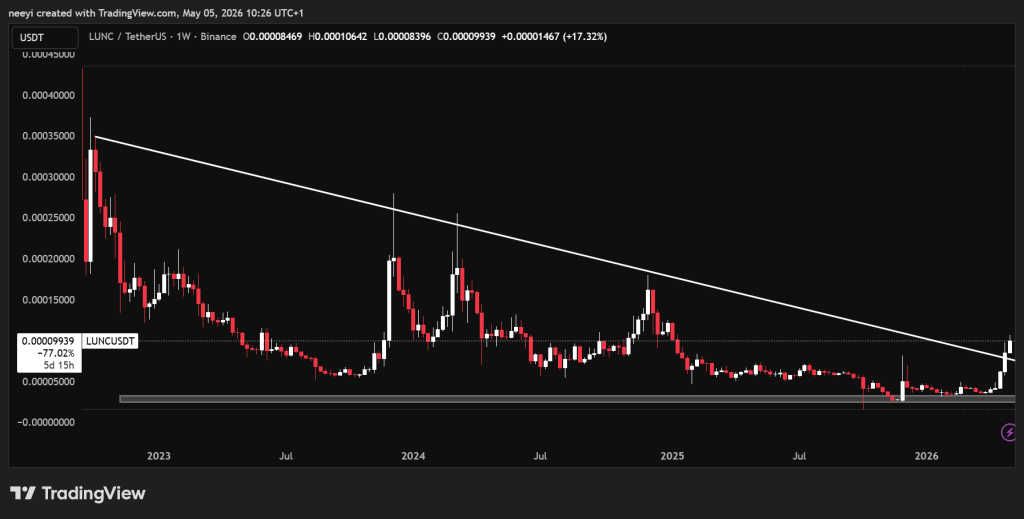
Everyone Called Terra Classic (LUNC) Dead: It Just Proved Them Wrong, What’s Next?

Ripple Shares North Korean Threat Intelligence With Crypto Industry Through New API




