Risk Flows Shift as Axios Reports US and Iran Close to Agreement
BitcoinWorld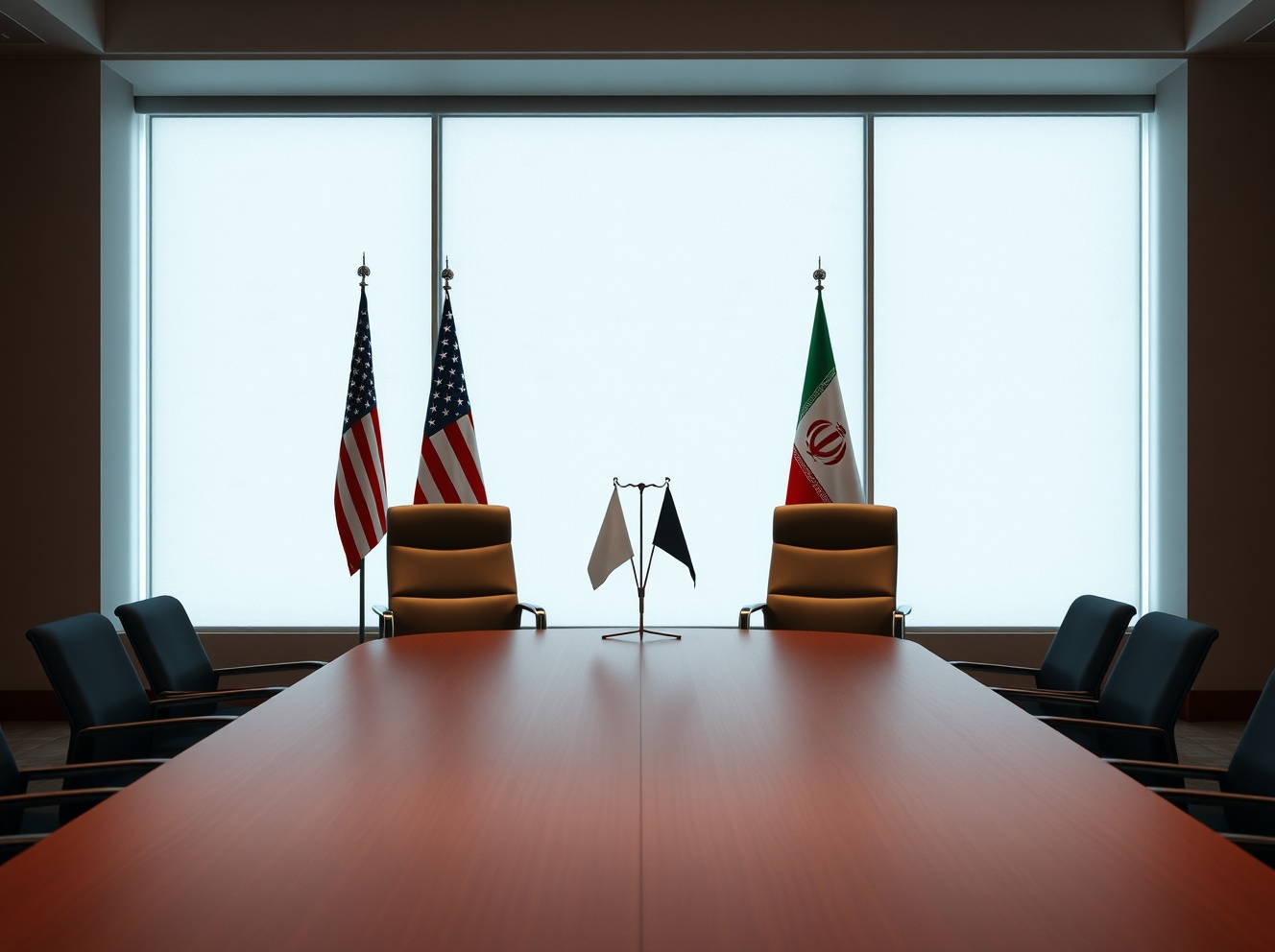
Risk Flows Shift as Axios Reports US and Iran Close to Agreement
A report from Axios on Thursday indicated that the United States and Iran are nearing a comprehensive agreement to de-escalate ongoing hostilities, triggering notable shifts in global risk sentiment. According to sources familiar with the negotiations, the potential deal would address key sticking points, including Iran’s nuclear enrichment activities and the removal of certain economic sanctions. While details remain unconfirmed by official channels, the development marks the most significant diplomatic progress between the two nations in years.
Market and Geopolitical Context
The news comes amid a prolonged period of elevated geopolitical tension, particularly following Iran’s increased military posturing and the US maintaining a significant naval presence in the Persian Gulf. Traders have been closely monitoring diplomatic signals, as any de-escalation would have immediate implications for energy markets and broader risk appetite. Historically, a thaw in US-Iran relations has led to a decline in the geopolitical risk premium priced into oil futures, as well as a rotation away from safe-haven assets like gold and the US dollar. The Axios report suggests that negotiators have made substantial headway in recent weeks, with a framework agreement potentially being finalized within days. However, both sides have publicly maintained cautious rhetoric, and no formal announcement has been made.
Implications for Investors and Global Stability
If confirmed, a US-Iran deal would represent a major geopolitical shift with far-reaching consequences. For energy markets, it could lead to increased Iranian oil exports, adding supply to a market already grappling with demand uncertainty. This would likely pressure crude prices lower, benefiting import-dependent economies but challenging producers. For broader financial markets, reduced geopolitical risk often supports a ‘risk-on’ environment, boosting equities and emerging market currencies while weighing on defensive sectors. Beyond markets, the deal could reshape alliances in the Middle East, potentially easing tensions between Iran and Gulf states. The agreement would also be a significant foreign policy achievement for the current US administration, which has prioritized diplomatic solutions over military confrontation. Nonetheless, skepticism remains high, given the history of failed negotiations and deep-seated mistrust between the two capitals.
What This Means for Readers
For readers, the key takeaway is that the information is still developing. While the Axios report is credible, it relies on anonymous sources, and official confirmation is pending. Investors should prepare for potential volatility in oil, gold, and currency markets as more details emerge. The broader significance lies in the possibility of a genuine reduction in one of the world’s most persistent geopolitical flashpoints, which would have positive ripple effects for global trade, security, and economic stability.
Conclusion
The Axios report that the US and Iran are close to a deal represents a pivotal moment in a long-running geopolitical saga. While caution is warranted until official confirmation, the potential for a breakthrough is real. Markets are already pricing in a shift toward risk appetite, and the coming days will be critical in determining whether this diplomatic momentum translates into a formal agreement. For now, the world watches and waits.
FAQs
Q1: What did Axios report about the US and Iran?
A1: Axios reported, citing unnamed sources, that the United States and Iran are nearing a deal to end their ongoing conflict, with a potential framework agreement possibly finalized within days.
Q2: How could a US-Iran deal affect oil prices?
A2: A deal could lead to increased Iranian oil exports, adding supply to global markets and potentially pushing crude oil prices lower, though the exact impact depends on the terms and timing of sanctions relief.
Q3: Is the deal confirmed by official sources?
A3: No. The report is based on anonymous sources, and neither the US government nor Iranian officials have officially confirmed the details. The situation remains fluid and unconfirmed.
This post Risk Flows Shift as Axios Reports US and Iran Close to Agreement first appeared on BitcoinWorld.


You May Also Like

Cashing In On University Patents Means Giving Up On Our Innovation Future

Unpacking The ‘Extreme Fear’ Gripping Digital Asset Markets