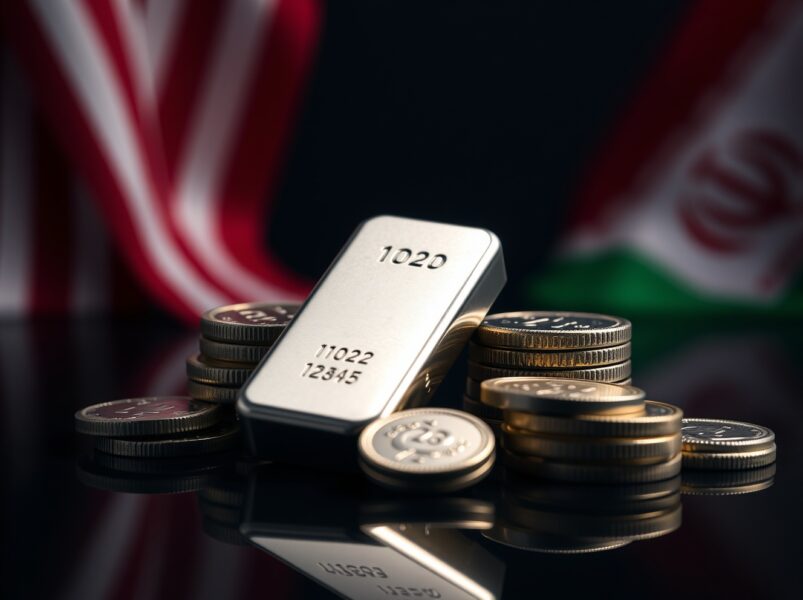
Buy Bitcoin: A Step-by-Step Guide for New Investors
Cryptsy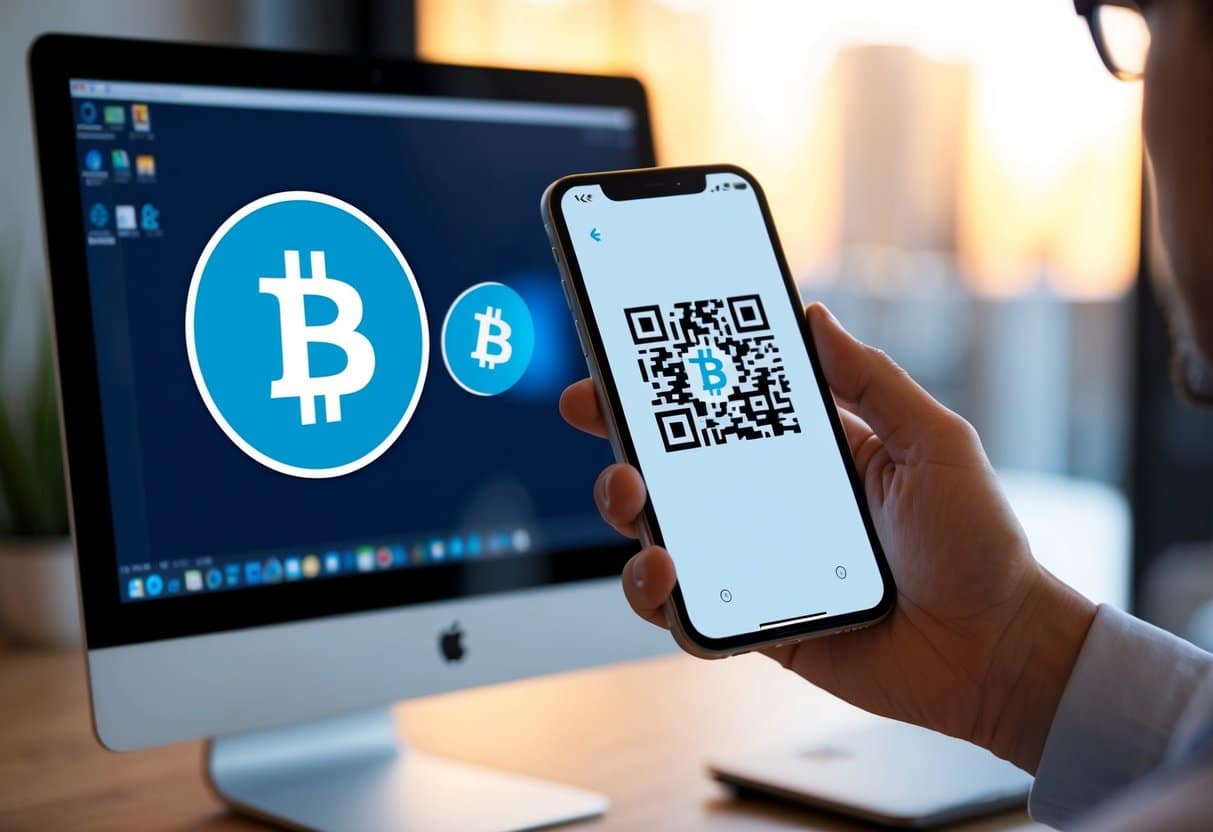
Cryptsy - Best Sweepstakes Casinos & Fish Table Games — Legal in All 50 States
What is Bitcoin?
Bitcoin (₿) was the first and most popular cryptocurrency. It is a decentralized digital currency that lets people send money to each other without banks or governments getting in the way. It was created in 2009 by an unknown person or group using the fake name Satoshi Nakamoto.
How Bitcoin Works
Bitcoin operates on a blockchain, a public, decentralized ledger that records all transactions. This ledger is maintained by a network of nodes (computers) that validate and record transactions. To ensure security and consensus, Bitcoin uses a process called Proof of Work (PoW), where miners solve complex mathematical puzzles to add new blocks of transactions to the blockchain
Ready to buy Bitcoin? Here’s a simple process to follow:
- Choose a Wallet: Secure your Bitcoin with a wallet that suits your needs.
- Select an Exchange: Find a trusted platform to buy your Bitcoin, such as Binance or Coinbase.
- Enter Payment Info: Link your bank account or card to complete your purchase.
Follow these steps, and you’ll be on your way to owning Bitcoin.
What can you do with Bitcoin?
You can use Bitcoin to buy goods and services, send money globally, trade or invest for profit, or hold as a long-term store of value (like digital gold). Bitcoin is also used in decentralized finance (DeFi) ecosystems indirectly, where it can be wrapped or converted to participate in lending, borrowing, and yield-generating platforms.
Finally, some users treat it as a hedge asset, meaning they hold it alongside stocks or bonds to diversify their portfolio.
5 Ways How to Buy Bitcoin for New Investors
Buying Bitcoin involves a few straightforward steps. Follow this guide to help you make your first purchase successfully.
- 1: Set up a Bitcoin wallet to store your cryptocurrency securely. This is essential for managing your Bitcoin.
- 2: Find and note your Bitcoin address. This unique identifier is necessary for receiving the cryptocurrency you buy.
- 3: Choose a cryptocurrency exchange. Platforms like Binance are popular for purchasing Bitcoin.
- 4: Binance allows you to buy Bitcoin using various payment methods, such as credit or debit cards. Research your options to find what works best for you.
- 5: Enter your Bitcoin address along with your payment details. Complete the purchase and wait for the Bitcoin to transfer to your wallet. This usually happens within minutes.
If Binance isn’t suitable for you, consider other reliable platforms for buying Bitcoin. Always remember that investing in Bitcoin comes with risks, including the possibility of losing your investment. Make sure to invest only what you can afford to lose.
By following these steps, you can navigate the process of buying Bitcoin with confidence.
Prefer to watch? Check out the video version of this guide:
Explore various ways to purchase Bitcoin through a helpful video resource.
1. When Should I Buy Bitcoin?
Dollar Cost Averaging
Dollar Cost Averaging, often called DCA, is a strategy where you consistently invest a fixed sum of money into Bitcoin at regular intervals, regardless of the current price. This method can help you manage the ups and downs in Bitcoin’s value.
By buying small amounts over time, you average the cost of your total investment, which can reduce the impact of market volatility.
For example, if you decide to invest $100 every month, you may purchase Bitcoin at varying prices throughout the year. When prices are low, your $100 buys more Bitcoin, while when prices are high, you get less.
Buy Regardless of the Price
Some investors believe that timing the market is less important than committing to Bitcoin for the long haul. They argue that market fluctuations will eventually even out over time.
Whether the price is high or low, the idea is that Bitcoin’s value will increase significantly in the future. This perspective encourages a focus on Bitcoin’s long-term potential instead of short-term price movements.
If you are new to investing, starting with a Dollar Cost Averaging approach might be helpful. It allows you to gradually get used to the market and decide if you want to adopt a different purchasing strategy later.
Buying the Dips
The concept of “buying the dip” refers to making a purchase when the price of Bitcoin drops, ideally by 10% or more. This strategy aligns with the common investing principle of “buy low, sell high.”
When you spot a price drop, it may be a good time to acquire Bitcoin at a lower cost, similar to finding an item on sale.
Setting price alerts on cryptocurrency tracking platforms like CoinGecko or CoinStats can notify you when Bitcoin experiences significant decreases.
2. Where Can I Buy Bitcoin?
Different Types of Exchanges
When selecting a platform to buy Bitcoin, understanding the various types of exchanges available is crucial. Each type offers distinct features, advantages, and drawbacks.
Brokers
Brokers are platforms that allow you to purchase Bitcoin at a predetermined price set by them. While this option is generally more expensive than others, brokers provide a user-friendly experience. An example of a well-known broker is Coinbase.
Trading Platforms
Trading platforms function by connecting buyers and sellers indirectly. When you place an order, it interacts with the orders placed by others on the platform.
These exchanges usually charge a small fee for their services. Well-regarded trading platforms like Binance and OKX offer competitive rates, making them some of the most cost-effective options for purchasing Bitcoin.
However, they may not be as user-friendly, requiring a learning curve for first-time crypto traders.
Here is a concise comparison of a few trading platforms:
| Platform | Fees | User Experience | Additional Features |
|---|---|---|---|
| Binance | Low | Moderate | Advanced trading tools, support for multiple cryptocurrencies |
| OKX | Low | Moderate | Offers both spot and futures trading |
| MEXC | Low | Complex | Advanced options like stop limits and margin trading |
Understanding how to navigate these platforms is essential for maximizing your trading efficiency.
Peer-to-Peer (P2P) Platforms
P2P platforms differentiate themselves by allowing direct communication between buyers and sellers. This feature enables users to negotiate prices, which can lead to better deals.
Some popular P2P platforms include Paxful and LocalCoinSwap. These platforms allow you to find sellers and make transactions directly, but they require careful consideration to ensure a safe experience.
In contrast, newer P2P options, like Best Wallet, do not involve third parties, significantly reducing risk. Transactions are processed entirely on-chain, making it a safer choice for buyers. Another secure P2P platform is MEXC, which also provides a seamless experience.
Buying Bitcoin with Cash
If you prefer cash transactions, you may consider using services like LibertyX, which partners with stores such as CVS and Walgreens.
Through these partnerships, you can purchase Bitcoin using cash, facing a daily limit of $500. Each transaction incurs a retailer service fee of around $4.95. Some LibertyX machines also support debit card purchases, though fees may be higher.
Where is the Best Place to Buy Bitcoin?
Popular exchanges like MEXC, OKX, and Binance are often recommended because they offer competitive fees and a range of services.
Consider using a cryptocurrency wallet that allows you to buy crypto directly within the wallet application. This option can simplify the process and keep your funds under your control.
Platforms like Exodus Wallet and Best Wallet are strong contenders in this space, offering a straightforward interface for purchasing Bitcoin without needing to transfer your assets to an exchange.
Regardless of the platform you choose, ensure that it aligns with your trading needs for a smooth and satisfactory experience.
3. Selecting a Payment Method
Choosing how to pay for Bitcoin can significantly impact your purchase experience. Some methods are quicker, while others may involve more verification or fees.
Understanding Chargebacks
When you pay for Bitcoin with methods that aren’t cash, sellers face the issue of chargebacks.
A chargeback occurs when you convince your payment provider, like PayPal or a credit card company, that you didn’t receive your Bitcoin or that something went wrong with the transaction. If you initiate a chargeback, the company may not investigate deeply. Often, they favor the buyer’s complaint, resulting in a refund to you without verifying the actual transaction.
This risky scenario leads many exchanges to avoid payment methods that enable chargebacks.
Common Payment Options for Purchasing Bitcoin
- Credit and Debit Cards: These are among the most widely accepted ways to purchase Bitcoin. Many exchanges, like eToro and MEXC, permit Bitcoin purchases via credit cards.
- PayPal and Skrill: While you cannot buy Bitcoin directly through PayPal or use PayPal credit for it, limited options exist to fund your purchase with your PayPal balance. Some platforms offer methods to buy Bitcoin using these services if you look for them.
- Wire Transfers: Paying for Bitcoin via wire transfer is favorable for many sellers because once the payment clears, it can’t be reversed. This makes wire transfers a secure option for sellers.
- Cash Transactions: Some platforms, like Paxful, allow for in-person trading where you can buy Bitcoin with cash. This method can be quick and cost-effective, but meeting someone face-to-face carries risks, as you may not know the individual’s intentions.
Know Your Customer (KYC) Requirements
Regardless of which payment method you choose, expect to share some personal information.
Most exchanges will ask for details like your address and identification. In specific instances, they may even require information about your income.
Governments impose KYC regulations on exchanges, and while it can be a hassle, these measures are steps toward making cryptocurrency transactions secure and compliant.
If you prefer not to go through KYC, there are alternatives available, which you can explore for crypto trading without these requirements.
4. Choosing a Bitcoin Wallet
Understanding Bitcoin Address and Private Key
When you create or use a Bitcoin wallet, it holds two crucial pieces of information: your private key and your Bitcoin address.
- Your Private Key: This acts like the password to your wallet. It’s essential to keep it secure and private because anyone with access to your private key can control your Bitcoin. You should avoid storing it digitally on your computer or in the cloud to reduce the risk of theft.
- Your Bitcoin Address: Think of this as the equivalent of an email address. This is where others can send you Bitcoin. Your address consists of a series of letters and numbers that typically begins with a “1”, “3”, or “bc1”. For example:
1BvBMSEYstWetqTFn5Au4m4GFg7xJaNVN2. This address can be shared publicly, so there’s no need to keep it a secret.
Different Categories of Bitcoin Wallets
There are various categories of Bitcoin wallets, each with distinct features and security levels. Here’s a brief overview to help you understand your options:
Non-Custodial Wallets
With a non-custodial wallet, you control your Bitcoin entirely. You are not entrusting your Bitcoin to any third party, which means you bear full responsibility for its security.
- Example: The Bitcoin Core wallet is a notable non-custodial wallet.
- Pros: Greater security, as only you manage your coins.
- Cons: More complicated to set up, and if you lose your private key, your Bitcoin is gone forever.
Custodial Wallets
In custodial wallets, a third party manages your Bitcoin. This is often easier for beginners since you can access your funds from anywhere with an internet connection.
- Example: Most exchanges offer custodial wallet services.
- Pros: User-friendly and accessible.
- Cons: Less secure because you are trusting another entity with your Bitcoin.
To enhance security, many custodial wallets implement measures like Two-Factor Authentication (2FA).
Multi-Signature Wallets
A multi-signature wallet requires multiple participants’ authorization to access funds. This option is often used for businesses where it’s necessary for more than one person to approve transactions.
- Example: A company might have a multisig wallet with three managers, requiring at least two approvals for transactions.
- Pros: Increased security since a single compromised key doesn’t endanger the funds.
- Cons: More complex management, requiring coordination among multiple keyholders.
Paper and Hardware Wallets
Paper wallets involve writing down your private key on paper, making it a physical form of storage.
- Example: A simple piece of paper with your private key and address can serve as a paper wallet.
- Hardware wallets refer to physical devices designed to safely hold your private keys offline, such as TREZOR or Ledger.
| Type of Wallet | Description | Security Level |
|---|---|---|
| Non-Custodial | You control your keys; higher responsibility | High |
| Custodial | Third party holds your keys; easier for beginners | Moderate |
| Multi-Signature | Requires multiple approvals; good for groups | Very High |
| Paper Wallet | Private key written down; offline storage | High, if kept secure |
| Hardware Wallet | Physical device for keys; highly secure | Very High |
Selecting the Ideal Wallet
Choosing a Bitcoin wallet that suits your needs involves considering several factors. Here are some key points to help you make your decision:
Frequency of Use
How often do you plan to use your Bitcoin?
- If you anticipate frequent transactions, consider a mobile wallet that you can access on the go.
- Options like Ledger Nano X or Exodus work well for this purpose.
- On the other hand, if you view Bitcoin as a long-term investment, a hardware wallet may be better, as it offers greater security for holdings not accessed frequently.
Amount of Bitcoin
Consider how much Bitcoin you plan to hold.
- If you only plan to invest a small amount, a simple wallet may suffice.
- However, if you’re dealing with significant amounts, it’s wise to consider using a multi-signature wallet or a hardware wallet for enhanced security.
Ease of Use
Think about how user-friendly the wallet is.
- Assess how easily you can send and receive Bitcoin.
- Some wallets provide fast interfaces and straightforward setups. Others might be a bit more complex, requiring a learning curve.
Security Features
Examine the wallet’s security features.
- Look for wallets with strong security protocols, including 2FA, encryption, and backup options.
- Ensure that you understand how to manage your private key and backup your wallet.
Backup Options
You should always have a backup plan.
- Many wallets provide recovery phrases that can help restore access if you lose your wallet.
- Make sure to keep backups secure and accessible to you only.
5. How Much Bitcoin Should I Buy?
How Much Does it Cost to Buy 1 Bitcoin?
Currently, the price of Bitcoin (BTC) stands at $58,038.00, with a market cap of approximately $1.15 trillion. This price can fluctuate based on demand; as more people seek to buy Bitcoin, the price tends to rise.
If there are fewer buyers, the price may drop until it reaches a level that attracts interest. Keep in mind that prices can differ slightly between various exchanges.
Can I Buy Less Than 1 Bitcoin?
You can purchase fractions of a Bitcoin. Bitcoin is divisible down to eight decimal places. This means you can buy half, a quarter, or even a tiny amount, like one-hundredth of a Bitcoin.
The smallest unit is referred to as a “Satoshi,” which is equivalent to 0.00000001 Bitcoin. This flexibility allows you to invest an amount that fits your budget without needing to buy a whole Bitcoin.
Buying large amounts of Bitcoin
If your goal is to invest over $10,000 in Bitcoin, consider using specialized exchanges or brokers that accommodate significant transactions.
These are often referred to as OTC (Over-the-Counter) services.
OTC trading can provide more privacy and may even allow for better pricing on large orders compared to standard exchanges.
6. Steps on How to Buy Bitcoin Under 18?
Buying Bitcoin as a minor (under 18) can be tricky because most regulated crypto exchanges require users to be at least 18 years old to comply with legal and security rules. However, there are a few options minors can consider:
- Use a Parent or Guardian’s Account
Ask a trusted adult to help buy Bitcoin on their account and transfer it to a wallet you control. This is the safest and most legal way. - Peer-to-Peer (P2P) Platforms
Some P2P marketplaces allow users to trade Bitcoin directly without strict age verification. But be very careful, only trade with trusted, verified sellers to avoid scams. - Crypto Gift Cards or Vouchers
You can sometimes buy crypto gift cards or vouchers online or in stores and redeem them for Bitcoin, bypassing age limits on exchanges. - Decentralized Exchanges (DEX)
Some decentralized platforms let you trade crypto without traditional account sign-ups or age checks, but you’ll need some basic crypto knowledge and a compatible wallet.
Important: Always check the laws in your country regarding minors and cryptocurrency trading. Cryptocurrency involves risks, so minors should proceed with caution and preferably with adult supervision.
7. Extra Choices for Buying Bitcoin
Bitcoin Kiosks
Bitcoin kiosks are devices that let you buy Bitcoin using cash or sometimes debit cards. Some of these kiosks also provide options to sell Bitcoin for cash.
Many users appreciate the convenience and quick transactions these machines offer.
When using a Bitcoin kiosk, you enjoy a level of privacy since the process often doesn’t require extensive identity checks. You simply insert your cash and receive your Bitcoin almost immediately.
You can find nearby Bitcoin kiosks by visiting sites like CoinATMRadar.
Purchasing from Individuals
Buying Bitcoin directly from other people is another option you might consider. This method has both potential rewards and risks, so it’s wise to proceed with caution. Always aim to verify the seller’s identity.
While some sellers prefer to keep their information private, confirming their identity can significantly lower your chances of being scammed. If possible, use an escrow service to protect your funds.
An escrow acts as a third party that holds your money until the seller delivers the Bitcoin. If an escrow isn’t feasible, it’s best to handle cash transactions in person. Avoid using irreversible payment methods, such as wire transfers, until you have received your coins.
Helpful Links
Now that you are prepared to purchase your first Bitcoin, you may find the following resources useful for different payment methods. Each guide offers step-by-step instructions to make the process easier:
- Buying Bitcoin with PayPal
- Purchasing Bitcoin with a Credit Card
- Acquiring Bitcoin via Wire Transfer
- Getting Bitcoin with Cash
- List of Trusted Bitcoin Exchanges
- Suggested Hardware Wallets
- Top Wallets for iPhone
- Best Wallets for Android
- Recommended Desktop Wallets
- Guide for Buying Large Amounts of Bitcoin
- Directory of Bitcoin ATMs
Keep in mind the importance of security.
When your Bitcoin is stored on an exchange, you do not have full ownership. The exchange holds your funds, and if anything happens to it, like insolvency or a hack, you risk losing your money. Notable past incidents with exchanges like MT.Gox and FTX highlight this risk.
After purchasing, remember to withdraw your Bitcoin to a wallet that you control.
Ensure you have copied your wallet address correctly, and once the transfer is confirmed, you’ll have successfully bought your first Bitcoin.
Risks and Rewards of Investing in Bitcoin
Bitcoin (BTC) is the first and most well-known cryptocurrency, offering investors both significant potential rewards and notable risks.
Rewards
- High Growth Potential
Bitcoin has a history of massive price appreciation, making it attractive for long-term wealth accumulation. - Store of Value
Often referred to as “digital gold,” BTC can act as a hedge against inflation and currency devaluation. - Liquidity
As the most widely traded cryptocurrency, Bitcoin can be bought or sold on nearly any exchange with relative ease. - Institutional Adoption
Growing adoption by institutions, ETFs, and payment processors boosts credibility and mainstream acceptance. - Global Accessibility
Bitcoin can be accessed from anywhere, making it a borderless investment option.
Risks
- Price Volatility
Bitcoin’s value can swing dramatically within hours, which can lead to substantial gains or losses. - Regulatory Uncertainty
Governments may impose restrictions, taxation, or bans that affect BTC trading and adoption. - Security Risks
Loss of private keys, hacking of exchanges, or phishing attacks can lead to irreversible losses. - Market Speculation
A large portion of Bitcoin demand is speculative, which can amplify price swings and create bubbles. - Technological Risks
Although rare, potential bugs, protocol changes, or competition from other cryptocurrencies could impact BTC’s value.
Bitcoin offers high-reward potential for investors willing to tolerate significant volatility and regulatory uncertainty. A balanced approach, with proper risk management and secure storage, is essential for both new and experienced investors.
Best Practices for First-Time Bitcoin Investors
Investing in Bitcoin for the first time can be exciting but also risky. Following these best practices can help you navigate the crypto market safely and confidently:
Start Small and Diversify
Don’t invest more than you can afford to lose. Consider Bitcoin as part of a diversified portfolio alongside other assets.
Use Reputable Exchanges
Choose regulated and well-known exchanges like Coinbase, Binance, or Kraken. Check reviews, security features, and fees before depositing funds.
Secure Your Bitcoin Properly
- Use hardware wallets (e.g., Ledger, Trezor) for long-term storage.
- Enable two-factor authentication (2FA) on all accounts.
- Keep backup recovery phrases offline and secure.
Understand the Market
Learn about Bitcoin price volatility, market cycles, and trends. Avoid panic selling during dips.
Set Clear Goals and Strategies
Decide whether you’re buying for the long-term (HODL) or trading short-term. Stick to your plan and avoid impulsive decisions.
Beware of Scams
Be cautious of phishing links, fake wallets, or “get rich quick” schemes. Never share your private keys or seed phrases.
Monitor News and Regulatory Changes
Bitcoin can be affected by regulations, macroeconomic events, or major exchange updates. Stay informed to make timely decisions.
Consider Dollar-Cost Averaging (DCA)
Investing a fixed amount regularly can reduce the impact of volatility and remove the stress of timing the market.
Future Outlook: Is Bitcoin Still a Good Investment in 2026?
As of 2026, Bitcoin remains the largest and most widely adopted cryptocurrency, but its market continues to experience cycles of strong volatility driven by macroeconomic conditions, regulation, and institutional participation.
Current Market Overview (2026)
- Price: Highly volatile, fluctuating significantly within broad ranges
- Market Trend: Ongoing long-term adoption with periodic corrections
- Institutional Participation: Continued involvement from funds, corporations, and ETFs
- Global Role: Increasing recognition as “digital gold” in diversified portfolios
Future Outlook for Bitcoin in 2026
Bullish Scenarios
Institutional adoption continues to be a major driver. Large financial firms, asset managers, and publicly listed companies are still integrating Bitcoin into long-term portfolios, strengthening demand over time.
Regulatory frameworks in major economies are becoming clearer compared to earlier years, which has helped reduce uncertainty and encouraged broader participation through regulated investment products like spot ETFs.
Bitcoin is also increasingly viewed as a store of value hedge against inflation and currency debasement, especially in uncertain global economic conditions.
Bearish Scenarios
Despite long-term adoption trends, Bitcoin remains highly sensitive to interest rate changes, liquidity cycles, and global risk sentiment. Sharp corrections can still occur even in bullish long-term markets.
Regulatory pressure in certain regions and stricter tax or compliance rules may also slow retail participation.
In addition, competition from other blockchain ecosystems and central bank digital currencies (CBDCs) could limit some use cases, even if Bitcoin maintains its dominance as a store of value.
Bottom Line
In 2026, Bitcoin is generally seen less as a short-term speculative asset and more as a long-term macro investment class. However, it still carries high volatility, so risk management remains essential for investors.
Frequently Asked Questions
What is the safest way to buy Bitcoin online?
When looking for a secure platform to buy Bitcoin, consider established exchanges like Coinbase, Kraken, or Gemini. They have strong security measures, insurance policies, and a good reputation in the industry.
How do beginners buy bitcoins?
Here’s a simple guide to buying Bitcoin:
- Choose a crypto exchange – Sign up on a trusted platform like Coinbase, Binance, or Kraken.
- Verify your identity – Most exchanges ask for an ID to follow security rules.
- Add money – Deposit funds using a bank transfer, credit card, or other payment method.
- Buy Bitcoin – Search for Bitcoin (BTC) and enter how much you want to buy.
- Store it safely – Keep your Bitcoin in a secure wallet (exchange wallet or your own crypto wallet).
You should start small, learn how it works, and never share your private keys.
How to buy Bitcoin in the Philippines?
Here’s a short, simple guide to buying Bitcoin in the Philippines:
- Choose an exchange: Coins.ph, PDAX, or Binance.
- Create an account & verify ID.
- Add funds: Bank transfer, GCash, PayMaya, or over-the-counter.
- Buy Bitcoin: Enter amount, review fees, confirm.
- Secure it: Keep in exchange for small amounts or move to a private wallet for more safety.
- Cash out: Sell BTC on the exchange and withdraw to PHP.
How can I purchase Bitcoin immediately using a debit card?
To buy Bitcoin quickly with a debit card, choose a platform that supports instant transactions, such as Binance or Coinmama. After registering and verifying your account, simply link your debit card and place your order for Bitcoin.
What steps do I follow to buy Bitcoin with PayPal?
To acquire Bitcoin using PayPal, follow these steps:
- Open an account on a supported platform like eToro.
- Link your PayPal account to the exchange.
- Fund your account using PayPal.
- Navigate to the Bitcoin trading section and place your order.
Is it possible to get Bitcoin without ID verification?
Certain platforms allow you to purchase Bitcoin without ID verification, but they may have limitations. You can use peer-to-peer exchanges such as LocalBitcoins or Paxful. Be cautious, as these transactions may involve higher risks and lower purchase limits.
What are the advantages and potential risks of using crypto exchange without age limit, and how do they handle security and legal regulations?
Crypto exchanges without age limit allow users to trade cryptocurrencies regardless of their age, removing traditional age verification barriers to make crypto trading more accessible.These platforms often rely on alternative security measures while navigating varying regulations worldwide.
What is the smallest amount of Bitcoin I can buy?
Many platforms allow you to buy small fractions of Bitcoin, often as little as $10 or equivalent in your local currency. This means you don’t have to buy a whole coin to start investing in Bitcoin.
How do I securely purchase Bitcoin using a credit card?
To buy Bitcoin with a credit card safely, select a reputable exchange. After setting up your account and linking your card, make sure to check for secure connections (look for HTTPS in the URL). Always monitor your transactions and enable any available security features offered by the platform.
How do beginners buy bitcoins?
Beginners can buy Bitcoin through a crypto exchange. The usual steps are: create an account on a trusted exchange, complete identity verification (KYC), deposit money using bank transfer or e-wallet, then place a buy order for Bitcoin. After purchase, it’s safer to transfer your Bitcoin to a personal crypto wallet instead of leaving it on the exchange.
How much is $1 Bitcoin in PHP?
This question is a bit unclear. If you mean 1 USD worth of Bitcoin, it depends on the current Bitcoin price. If you mean 1 BTC in PHP, the value changes constantly because Bitcoin is highly volatile. As a general reference, Bitcoin often trades in the millions of Philippine pesos per 1 BTC, so even $1 only buys a very small fraction of a Bitcoin.
Can I invest $100 in Bitcoin?
Yes. You can invest as little as $100 in Bitcoin. Bitcoin is divisible into very small units (called satoshis), so you don’t need to buy a full coin. Many beginners start with small amounts to reduce risk while learning.
How much is $1000 dollars in Bitcoin right now?
The exact amount changes every minute. To calculate it, you divide your dollar amount by the current Bitcoin price:
$1000 ÷ current price of 1 BTC = amount of BTC you receive.
Virtuals protocol uncovering
The post Buy Bitcoin: A Step-by-Step Guide for New Investors first appeared on Cryptsy and is written by Ethan Blackburn


You May Also Like
Unveiling Coinstar: Revolutionizing Coin Exchange

Retail Capitulation Hits AAVE, But Smart Money Starts Positioning: Here The Post-Crisis Market Structure