Arbitrum Approves $71 Million ETH Release Despite U.S. Seizure Fight
Arbitrum DAO Approves $71 Million ETH Release Despite Legal Uncertainty
The Arbitrum DAO voted overwhelmingly to release 30,766 ETH—roughly $71 million—that had been frozen since the KelpDAO exploit, according to a CoinDesk report. The decision directs the funds to an Aave-led recovery initiative called DeFi United, which aims to compensate affected users. But the vote is only the first step: Arbitrum’s governance rules mandate an eight-day delay before any transfer can execute, leaving a window for legal challenges or further DAO objections.
The freeze itself, executed in November 2025, was an emergency action that saved the assets but also raised uncomfortable questions about who really controls a supposedly decentralized chain, as detailed in our earlier analysis. Now the DAO is once again testing the boundaries of collective decision-making under external legal pressure.
Aave’s Recovery Plan Gets Conditional Approval
The release approval comes after months of behind-the-scenes coordination. Aave and its collaborators had formally requested Arbitrum’s DAO to release the frozen ETH, arguing that returning the funds to the DeFi protocol’s recovery vehicle was the most equitable path forward. DeFi United, the patchwork group of protocols and community members formed in response to the exploit, intends to use the ETH to make victims whole, though precise distribution mechanics remain under negotiation.
What makes this unusual is that the DAO’s vote didn’t just endorse a technical solution—it effectively placed the frozen assets beyond the reach of other claimants, including U.S. law enforcement, which has been pursuing seizure. That sets up a direct confrontation between on-chain governance and off-chain legal authority.
The Eight-Day Governance Clock Is Now Ticking
Under Arbitrum’s governance process, any proposal that passes must still wait at least eight days before execution. This lock-up is designed to allow for community review and potential veto actions. In this case, it also gives U.S. authorities, or any other interested party, a clear window to intervene legally or to pressure delegates.
No formal injunction has been filed yet, but the mere threat of asset seizure complicates the DAO’s timeline. If a court order arrives before the transfer finalizes, Arbitrum’s core teams and signers could face a legal dilemma: obey the DAO or comply with a domestic court. The tension between code-enforced governance and state authority has never been more acute.
U.S. Authorities Are Already Moving on the Funds
The U.S. seizure effort, though not detailed in public filings, is understood to be part of a broader crackdown on illicit flows moving through DeFi. Law enforcement has increasingly targeted assets even after they’ve entered smart contracts, testing the enforceability of decentralized systems. The Arbitrum freeze itself was triggered by a security incident, but the specter of government action now hangs over any subsequent movement of those funds.
This isn’t happening in isolation. Across ecosystems, protocols are scrambling to coordinate defenses and resources, as seen when Solana stepped in to lend USDT to Aave during a previous crisis, blurring competitive lines. The Arbitrum case could set a precedent for how DAOs handle asset freezes when multiple jurisdictions claim authority.
BTCUSA Insight
The Arbitrum DAO vote isn’t just about recovering $71 million. It’s a live stress test of decentralized governance when facing a sovereign adversary. The DAO has effectively chosen to follow its own internal logic, disregarding an ongoing legal process that may have standing in the U.S. If the eight-day window closes without a court order, the ETH will move, and DeFi will have demonstrated a new level of jurisdictional resilience. But if a seizure succeeds, it will embolden regulators and force every major DAO to reconsider how they handle frozen or contested assets. Either outcome rescripts the unwritten rules of crypto governance.
<p>The post Arbitrum Approves $71 Million ETH Release Despite U.S. Seizure Fight first appeared on Crypto News And Market Updates | BTCUSA.</p>


You May Also Like
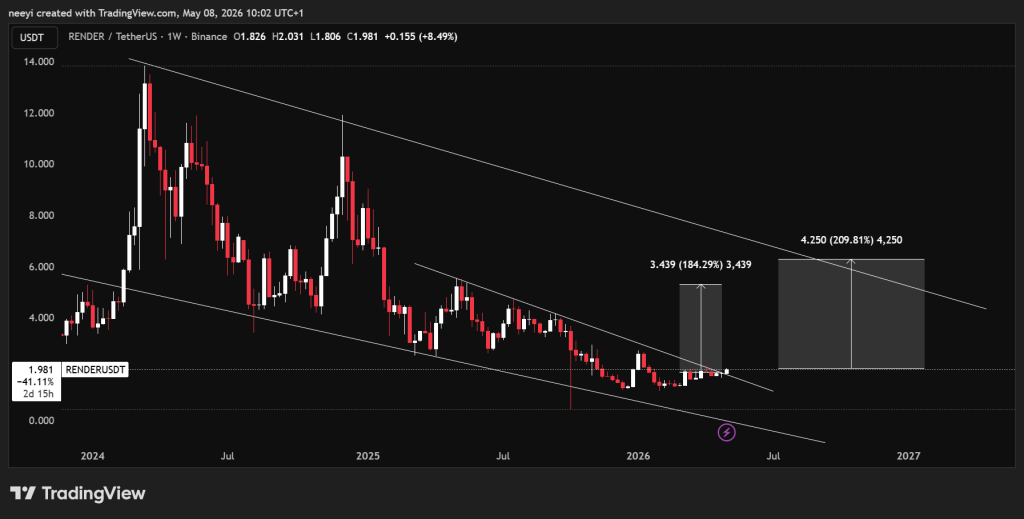
RENDER Price Prediction: How High Can It Go in 2026 After 80% Decline?

TAP, Inc. Launches TAP Pay, a Verified Payments Layer for Peer and SMB Payments