BitcoinWorld Google AI Unveils Mixboard: Revolutionizing Digital Creativity with an AI Mood Board App In the rapidly evolving landscape of technology, where artificial intelligence continues to reshape industries from finance to art, Google has once again pushed the boundaries with its latest innovation: the Mixboard app. For those interested in cryptocurrencies and the broader tech sphere, understanding the advancements in Google AI is crucial, as these technologies often underpin future decentralized applications and user experiences. Mixboard, an AI-powered mood board application, is set to redefine how we visualize and create, offering a compelling glimpse into the future of digital creativity. What is Mixboard: Redefining the AI Mood Board Experience? Google’s venture into the realm of visual inspiration with Mixboard directly challenges established platforms like Pinterest. Unlike traditional mood boards that rely on existing image collections, Mixboard empowers users to start from scratch using simple text prompts. Imagine needing ideas for a new home office design or a themed event; with Mixboard, you simply type your vision, and the Google AI generates a curated selection of images and concepts. This innovative approach to the AI mood board eliminates the initial hurdle of finding suitable images, streamlining the creative process significantly. Pre-populated boards are also available, offering a helpful starting point for those seeking a creative spark. This shift marks a significant leap in how we approach brainstorming and visual ideation, making digital creativity more accessible than ever before. Unveiling the Power Behind Mixboard: What is Nano Banana? At the heart of Mixboard’s advanced image generation and editing capabilities lies Google’s cutting-edge image editing model, Nano Banana. This powerful AI model has garnered significant attention for its ability to handle complex edits and produce remarkably realistic images. The integration of Nano Banana into the Mixboard app demonstrates Google’s commitment to bringing its most sophisticated AI research directly into user-facing products. After generating initial images, users can leverage Nano Banana to make precise edits, combine elements, or even reimagine entire sections of their mood board. This level of granular control, powered by advanced Google AI, elevates Mixboard beyond a simple image aggregator, positioning it as a robust tool for detailed visual development and enhancing overall digital creativity. Why is Digital Creativity Booming? Insights from Gen Z and Beyond The demand for intuitive tools that foster digital creativity is undeniable, particularly among younger demographics. Pinterest witnessed viral success with its standalone collage-making app, Shuffles, which captivated Gen Z users for creating engaging TikTok content. This trend underscores a broader interest in visual expression and digital ideation. The Mixboard app is strategically positioned to cater to this growing demand, offering applications far beyond casual social media use. From brainstorming home decor and design concepts to planning event themes, executing DIY projects, or even visualizing fashion collections (as seen with Depop’s recent tool), Mixboard’s versatility is vast. The ability of the AI mood board to generate both images and text based on user prompts makes it an invaluable asset for anyone looking to bring their ideas to life visually, all powered by sophisticated Google AI. Exploring Mixboard’s Revolutionary Features: Beyond Traditional Boards The Mixboard app isn’t just about generating images; it’s about fostering an iterative and dynamic creative process. Google highlights several key features that set Mixboard apart: Text-to-Image Generation: Users can initiate projects with simple text prompts, allowing the Google AI to populate boards with relevant visuals. AI-Powered Editing: Leveraging Nano Banana, users can request edits, combinations, and modifications to generated images with natural language commands. Regenerate Options: Explore variations of existing images or entire boards with ‘regenerate’ or ‘more like this’ functions, continuously sparking new ideas for your AI mood board. Text Generation: The AI can also generate descriptive text based on the images on a user’s board, adding a narrative layer to visual concepts. Pre-Populated Boards: For those needing a creative kickstart, editable pre-designed boards are readily available. These features collectively enhance digital creativity by removing creative blocks and providing powerful tools for refinement and exploration. Navigating the Competitive Landscape: What’s Next for Google AI? While Google is a tech giant, the space for AI mood board tools isn’t entirely new. Startups like Landing (now defunct) and Verse (which seems to have influenced Mixboard’s design) have explored similar territories. Pinterest’s own integrated collage features, born from its Shuffles app, also present a direct competitor. However, Google’s distinct advantage lies in its immense Google AI research capabilities, exemplified by Nano Banana, and its broad user base. The initial public beta availability in the U.S. via Google Labs, coupled with a dedicated Discord community, indicates a strategic approach to gather feedback and rapidly iterate. This move is a clear signal of Google’s intent to dominate various facets of digital creativity, leveraging its core AI strengths to deliver innovative user experiences. How to Get Started with the Mixboard App Today? Ready to dive into the world of AI-powered visualization? U.S. users can easily access the Mixboard app beta by visiting labs.google/mixboard. This public beta offers an exciting opportunity to experiment with advanced Google AI tools and contribute to the evolution of digital creativity. Whether you’re a professional designer, a hobbyist, or simply someone looking for a new way to brainstorm, Mixboard provides an intuitive and powerful platform to bring your ideas to life with the help of Nano Banana. Google’s launch of Mixboard, powered by sophisticated Google AI and the remarkable Nano Banana model, represents a significant leap forward in digital creativity. By transforming the concept of an AI mood board from a static collection to a dynamic, AI-driven ideation platform, Mixboard is poised to empower users across various domains. It democratizes the creative process, making professional-grade visualization tools accessible to everyone. As AI continues to integrate deeper into our daily lives, tools like the Mixboard app will undoubtedly redefine how we think, design, and innovate. To learn more about the latest AI creative tools trends, explore our article on key developments shaping AI models features. This post Google AI Unveils Mixboard: Revolutionizing Digital Creativity with an AI Mood Board App first appeared on BitcoinWorld.BitcoinWorld Google AI Unveils Mixboard: Revolutionizing Digital Creativity with an AI Mood Board App In the rapidly evolving landscape of technology, where artificial intelligence continues to reshape industries from finance to art, Google has once again pushed the boundaries with its latest innovation: the Mixboard app. For those interested in cryptocurrencies and the broader tech sphere, understanding the advancements in Google AI is crucial, as these technologies often underpin future decentralized applications and user experiences. Mixboard, an AI-powered mood board application, is set to redefine how we visualize and create, offering a compelling glimpse into the future of digital creativity. What is Mixboard: Redefining the AI Mood Board Experience? Google’s venture into the realm of visual inspiration with Mixboard directly challenges established platforms like Pinterest. Unlike traditional mood boards that rely on existing image collections, Mixboard empowers users to start from scratch using simple text prompts. Imagine needing ideas for a new home office design or a themed event; with Mixboard, you simply type your vision, and the Google AI generates a curated selection of images and concepts. This innovative approach to the AI mood board eliminates the initial hurdle of finding suitable images, streamlining the creative process significantly. Pre-populated boards are also available, offering a helpful starting point for those seeking a creative spark. This shift marks a significant leap in how we approach brainstorming and visual ideation, making digital creativity more accessible than ever before. Unveiling the Power Behind Mixboard: What is Nano Banana? At the heart of Mixboard’s advanced image generation and editing capabilities lies Google’s cutting-edge image editing model, Nano Banana. This powerful AI model has garnered significant attention for its ability to handle complex edits and produce remarkably realistic images. The integration of Nano Banana into the Mixboard app demonstrates Google’s commitment to bringing its most sophisticated AI research directly into user-facing products. After generating initial images, users can leverage Nano Banana to make precise edits, combine elements, or even reimagine entire sections of their mood board. This level of granular control, powered by advanced Google AI, elevates Mixboard beyond a simple image aggregator, positioning it as a robust tool for detailed visual development and enhancing overall digital creativity. Why is Digital Creativity Booming? Insights from Gen Z and Beyond The demand for intuitive tools that foster digital creativity is undeniable, particularly among younger demographics. Pinterest witnessed viral success with its standalone collage-making app, Shuffles, which captivated Gen Z users for creating engaging TikTok content. This trend underscores a broader interest in visual expression and digital ideation. The Mixboard app is strategically positioned to cater to this growing demand, offering applications far beyond casual social media use. From brainstorming home decor and design concepts to planning event themes, executing DIY projects, or even visualizing fashion collections (as seen with Depop’s recent tool), Mixboard’s versatility is vast. The ability of the AI mood board to generate both images and text based on user prompts makes it an invaluable asset for anyone looking to bring their ideas to life visually, all powered by sophisticated Google AI. Exploring Mixboard’s Revolutionary Features: Beyond Traditional Boards The Mixboard app isn’t just about generating images; it’s about fostering an iterative and dynamic creative process. Google highlights several key features that set Mixboard apart: Text-to-Image Generation: Users can initiate projects with simple text prompts, allowing the Google AI to populate boards with relevant visuals. AI-Powered Editing: Leveraging Nano Banana, users can request edits, combinations, and modifications to generated images with natural language commands. Regenerate Options: Explore variations of existing images or entire boards with ‘regenerate’ or ‘more like this’ functions, continuously sparking new ideas for your AI mood board. Text Generation: The AI can also generate descriptive text based on the images on a user’s board, adding a narrative layer to visual concepts. Pre-Populated Boards: For those needing a creative kickstart, editable pre-designed boards are readily available. These features collectively enhance digital creativity by removing creative blocks and providing powerful tools for refinement and exploration. Navigating the Competitive Landscape: What’s Next for Google AI? While Google is a tech giant, the space for AI mood board tools isn’t entirely new. Startups like Landing (now defunct) and Verse (which seems to have influenced Mixboard’s design) have explored similar territories. Pinterest’s own integrated collage features, born from its Shuffles app, also present a direct competitor. However, Google’s distinct advantage lies in its immense Google AI research capabilities, exemplified by Nano Banana, and its broad user base. The initial public beta availability in the U.S. via Google Labs, coupled with a dedicated Discord community, indicates a strategic approach to gather feedback and rapidly iterate. This move is a clear signal of Google’s intent to dominate various facets of digital creativity, leveraging its core AI strengths to deliver innovative user experiences. How to Get Started with the Mixboard App Today? Ready to dive into the world of AI-powered visualization? U.S. users can easily access the Mixboard app beta by visiting labs.google/mixboard. This public beta offers an exciting opportunity to experiment with advanced Google AI tools and contribute to the evolution of digital creativity. Whether you’re a professional designer, a hobbyist, or simply someone looking for a new way to brainstorm, Mixboard provides an intuitive and powerful platform to bring your ideas to life with the help of Nano Banana. Google’s launch of Mixboard, powered by sophisticated Google AI and the remarkable Nano Banana model, represents a significant leap forward in digital creativity. By transforming the concept of an AI mood board from a static collection to a dynamic, AI-driven ideation platform, Mixboard is poised to empower users across various domains. It democratizes the creative process, making professional-grade visualization tools accessible to everyone. As AI continues to integrate deeper into our daily lives, tools like the Mixboard app will undoubtedly redefine how we think, design, and innovate. To learn more about the latest AI creative tools trends, explore our article on key developments shaping AI models features. This post Google AI Unveils Mixboard: Revolutionizing Digital Creativity with an AI Mood Board App first appeared on BitcoinWorld.

Google AI Unveils Mixboard: Revolutionizing Digital Creativity with an AI Mood Board App

BitcoinWorld
Google AI Unveils Mixboard: Revolutionizing Digital Creativity with an AI Mood Board App

In the rapidly evolving landscape of technology, where artificial intelligence continues to reshape industries from finance to art, Google has once again pushed the boundaries with its latest innovation: the Mixboard app. For those interested in cryptocurrencies and the broader tech sphere, understanding the advancements in Google AI is crucial, as these technologies often underpin future decentralized applications and user experiences. Mixboard, an AI-powered mood board application, is set to redefine how we visualize and create, offering a compelling glimpse into the future of digital creativity.

What is Mixboard: Redefining the AI Mood Board Experience?

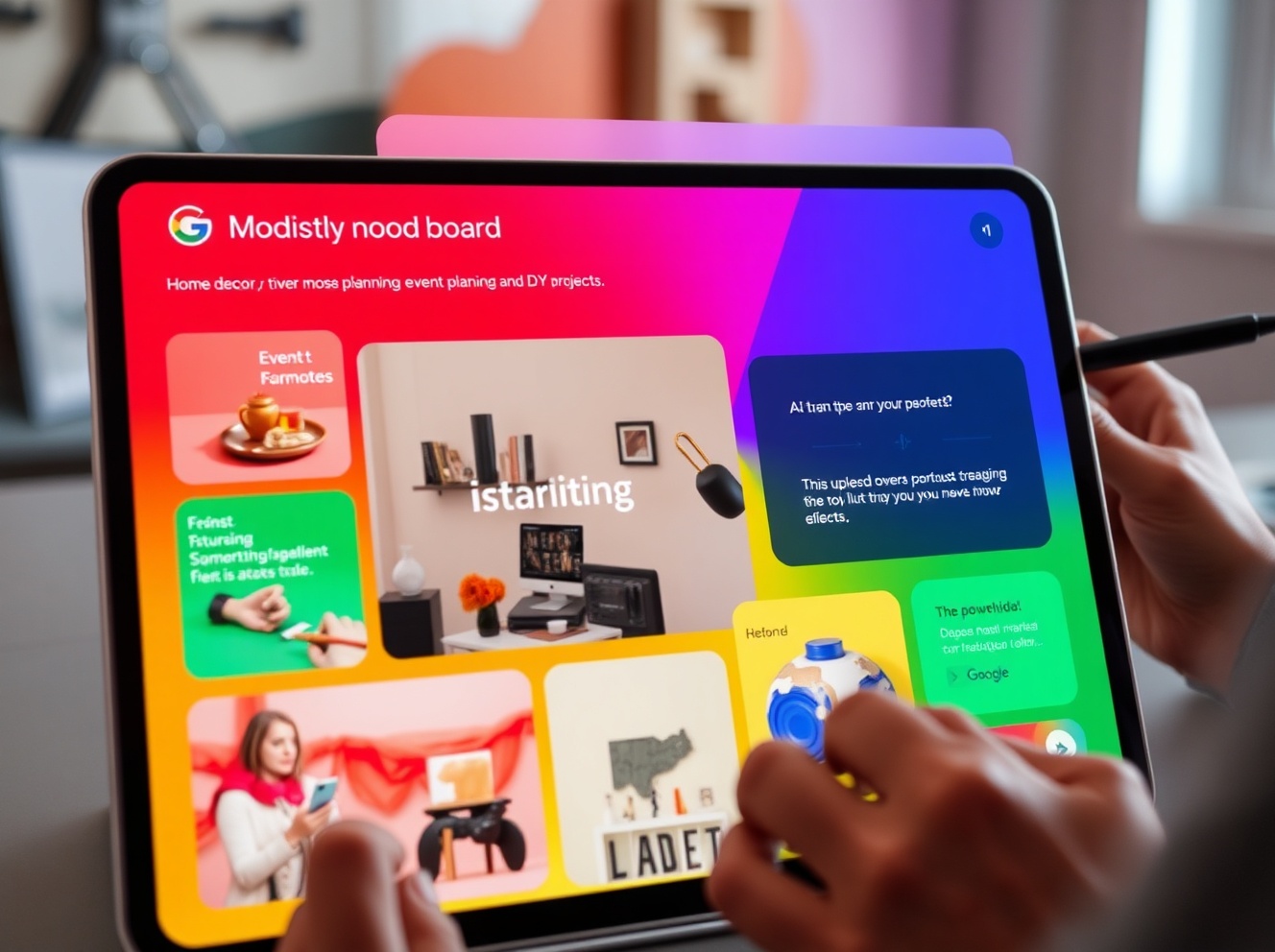
Google’s venture into the realm of visual inspiration with Mixboard directly challenges established platforms like Pinterest. Unlike traditional mood boards that rely on existing image collections, Mixboard empowers users to start from scratch using simple text prompts. Imagine needing ideas for a new home office design or a themed event; with Mixboard, you simply type your vision, and the Google AI generates a curated selection of images and concepts. This innovative approach to the AI mood board eliminates the initial hurdle of finding suitable images, streamlining the creative process significantly. Pre-populated boards are also available, offering a helpful starting point for those seeking a creative spark. This shift marks a significant leap in how we approach brainstorming and visual ideation, making digital creativity more accessible than ever before.

Unveiling the Power Behind Mixboard: What is Nano Banana?

At the heart of Mixboard’s advanced image generation and editing capabilities lies Google’s cutting-edge image editing model, Nano Banana. This powerful AI model has garnered significant attention for its ability to handle complex edits and produce remarkably realistic images. The integration of Nano Banana into the Mixboard app demonstrates Google’s commitment to bringing its most sophisticated AI research directly into user-facing products. After generating initial images, users can leverage Nano Banana to make precise edits, combine elements, or even reimagine entire sections of their mood board. This level of granular control, powered by advanced Google AI, elevates Mixboard beyond a simple image aggregator, positioning it as a robust tool for detailed visual development and enhancing overall digital creativity.

Why is Digital Creativity Booming? Insights from Gen Z and Beyond

The demand for intuitive tools that foster digital creativity is undeniable, particularly among younger demographics. Pinterest witnessed viral success with its standalone collage-making app, Shuffles, which captivated Gen Z users for creating engaging TikTok content. This trend underscores a broader interest in visual expression and digital ideation. The Mixboard app is strategically positioned to cater to this growing demand, offering applications far beyond casual social media use. From brainstorming home decor and design concepts to planning event themes, executing DIY projects, or even visualizing fashion collections (as seen with Depop’s recent tool), Mixboard’s versatility is vast. The ability of the AI mood board to generate both images and text based on user prompts makes it an invaluable asset for anyone looking to bring their ideas to life visually, all powered by sophisticated Google AI.

Exploring Mixboard’s Revolutionary Features: Beyond Traditional Boards

The Mixboard app isn’t just about generating images; it’s about fostering an iterative and dynamic creative process. Google highlights several key features that set Mixboard apart:

  • Text-to-Image Generation: Users can initiate projects with simple text prompts, allowing the Google AI to populate boards with relevant visuals.
  • AI-Powered Editing: Leveraging Nano Banana, users can request edits, combinations, and modifications to generated images with natural language commands.
  • Regenerate Options: Explore variations of existing images or entire boards with ‘regenerate’ or ‘more like this’ functions, continuously sparking new ideas for your AI mood board.
  • Text Generation: The AI can also generate descriptive text based on the images on a user’s board, adding a narrative layer to visual concepts.
  • Pre-Populated Boards: For those needing a creative kickstart, editable pre-designed boards are readily available.

These features collectively enhance digital creativity by removing creative blocks and providing powerful tools for refinement and exploration.

While Google is a tech giant, the space for AI mood board tools isn’t entirely new. Startups like Landing (now defunct) and Verse (which seems to have influenced Mixboard’s design) have explored similar territories. Pinterest’s own integrated collage features, born from its Shuffles app, also present a direct competitor. However, Google’s distinct advantage lies in its immense Google AI research capabilities, exemplified by Nano Banana, and its broad user base. The initial public beta availability in the U.S. via Google Labs, coupled with a dedicated Discord community, indicates a strategic approach to gather feedback and rapidly iterate. This move is a clear signal of Google’s intent to dominate various facets of digital creativity, leveraging its core AI strengths to deliver innovative user experiences.

How to Get Started with the Mixboard App Today?

Ready to dive into the world of AI-powered visualization? U.S. users can easily access the Mixboard app beta by visiting labs.google/mixboard. This public beta offers an exciting opportunity to experiment with advanced Google AI tools and contribute to the evolution of digital creativity. Whether you’re a professional designer, a hobbyist, or simply someone looking for a new way to brainstorm, Mixboard provides an intuitive and powerful platform to bring your ideas to life with the help of Nano Banana.

Google’s launch of Mixboard, powered by sophisticated Google AI and the remarkable Nano Banana model, represents a significant leap forward in digital creativity. By transforming the concept of an AI mood board from a static collection to a dynamic, AI-driven ideation platform, Mixboard is poised to empower users across various domains. It democratizes the creative process, making professional-grade visualization tools accessible to everyone. As AI continues to integrate deeper into our daily lives, tools like the Mixboard app will undoubtedly redefine how we think, design, and innovate.

To learn more about the latest AI creative tools trends, explore our article on key developments shaping AI models features.

This post Google AI Unveils Mixboard: Revolutionizing Digital Creativity with an AI Mood Board App first appeared on BitcoinWorld.


Market Opportunity
Threshold Logo
Threshold Price(T)
$0.009197
$0.009197$0.009197
+0.07%
USD
Threshold (T) Live Price Chart
Disclaimer: The articles reposted on this site are sourced from public platforms and are provided for informational purposes only. They do not necessarily reflect the views of MEXC. All rights remain with the original authors. If you believe any content infringes on third-party rights, please contact service@support.mexc.com for removal. MEXC makes no guarantees regarding the accuracy, completeness, or timeliness of the content and is not responsible for any actions taken based on the information provided. The content does not constitute financial, legal, or other professional advice, nor should it be considered a recommendation or endorsement by MEXC.

You May Also Like

X3 Acquisition Corp. Ltd. Announces Closing of $200,000,000 Initial Public Offering

X3 Acquisition Corp. Ltd. Announces Closing of $200,000,000 Initial Public Offering

MINNEAPOLIS–(BUSINESS WIRE)–X3 Acquisition Corp. Ltd. (Nasdaq: XCBEU) (the “Company”), a newly organized special purpose acquisition company formed as a Cayman
Share
AI Journal2026/01/23 05:46
North America’s Largest RV Dealers Still Failing Google Core Web Vitals–Overfuel Reports Nearly 79% Failure Rate for Second Year

North America’s Largest RV Dealers Still Failing Google Core Web Vitals–Overfuel Reports Nearly 79% Failure Rate for Second Year

INDIANAPOLIS, Jan. 22, 2026 /PRNewswire/ — Overfuel, a website solutions provider for automotive, powersports and RV dealers, today announced the findings of its
Share
AI Journal2026/01/23 05:15
Headwind Helps Best Wallet Token

Headwind Helps Best Wallet Token

The post Headwind Helps Best Wallet Token appeared on BitcoinEthereumNews.com. Google has announced the launch of a new open-source protocol called Agent Payments Protocol (AP2) in partnership with Coinbase, the Ethereum Foundation, and 60 other organizations. This allows AI agents to make payments on behalf of users using various methods such as real-time bank transfers, credit and debit cards, and, most importantly, stablecoins. Let’s explore in detail what this could mean for the broader cryptocurrency markets, and also highlight a presale crypto (Best Wallet Token) that could explode as a result of this development. Google’s Push for Stablecoins Agent Payments Protocol (AP2) uses digital contracts known as ‘Intent Mandates’ and ‘Verifiable Credentials’ to ensure that AI agents undertake only those payments authorized by the user. Mandates, by the way, are cryptographically signed, tamper-proof digital contracts that act as verifiable proof of a user’s instruction. For example, let’s say you instruct an AI agent to never spend more than $200 in a single transaction. This instruction is written into an Intent Mandate, which serves as a digital contract. Now, whenever the AI agent tries to make a payment, it must present this mandate as proof of authorization, which will then be verified via the AP2 protocol. Alongside this, Google has also launched the A2A x402 extension to accelerate support for the Web3 ecosystem. This production-ready solution enables agent-based crypto payments and will help reshape the growth of cryptocurrency integration within the AP2 protocol. Google’s inclusion of stablecoins in AP2 is a massive vote of confidence in dollar-pegged cryptocurrencies and a huge step toward making them a mainstream payment option. This widens stablecoin usage beyond trading and speculation, positioning them at the center of the consumption economy. The recent enactment of the GENIUS Act in the U.S. gives stablecoins more structure and legal support. Imagine paying for things like data crawls, per-task…
Share
BitcoinEthereumNews2025/09/18 01:27