BlackRock puts a $7 billion Treasury fund on Ethereum
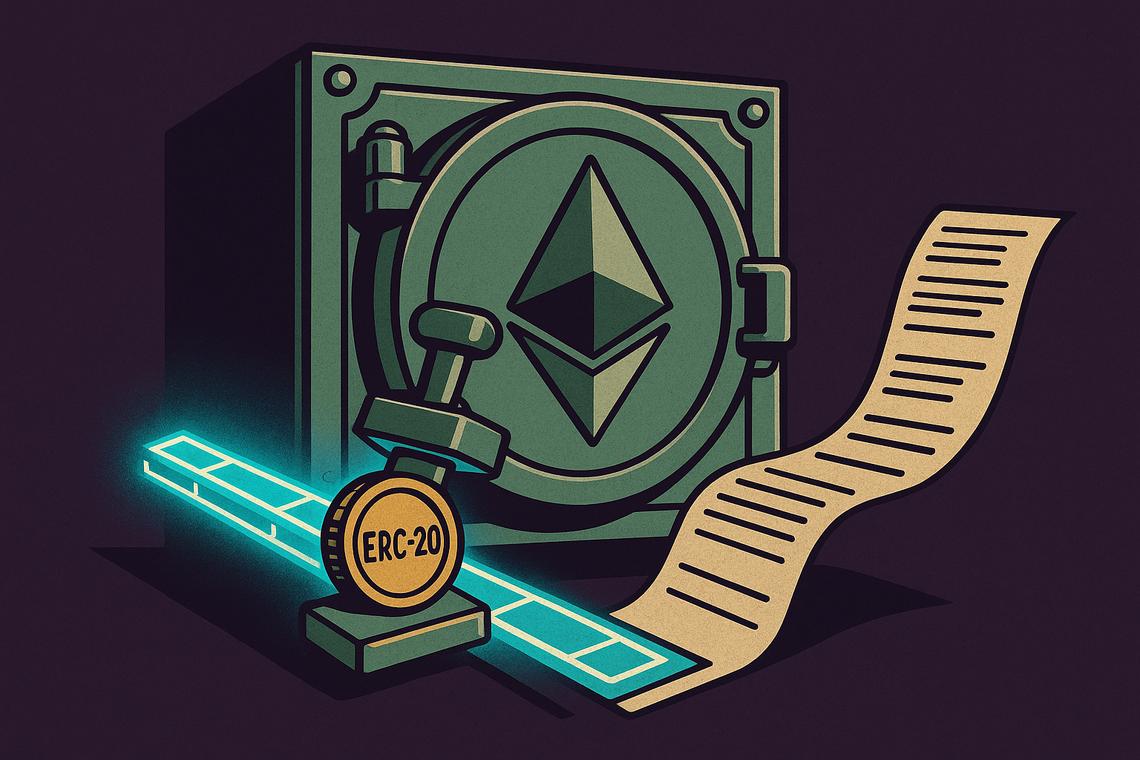
BlackRock Ethereum tokenization is moving beyond pilot-stage crypto experiments and into the core recordkeeping of a major Treasury fund. In a new SEC filing, BlackRock said it plans to place records for its Select Treasury Based Liquidity Fund on Ethereum, add tokenized share classes tied to ERC-20 tokens, and give BNY Mellon a central role in maintaining the official register on-chain.
That matters because this is not a niche digital asset product. The Select Treasury Based Liquidity Fund invests in short-term U.S. Treasury instruments and holds about $7 billion in assets. It is aimed at institutional clients and investors globally. As a result, BlackRock is pushing blockchain infrastructure deeper into a traditional money market vehicle rather than building a separate crypto wrapper around it.
The filing also shows how quickly tokenization is being folded into familiar financial structures. BlackRock has already worked in this area through BUIDL. However, this proposal extends that effort into a larger Treasury money market product, linking public blockchain rails with one of the most conservative corners of finance.
BlackRock Ethereum tokenization enters a Treasury fund structure
At the heart of the plan is a simple but significant change: BlackRock wants to move fund records for the Select Treasury Based Liquidity Fund onto Ethereum.
The proposed structure would add ERC-20 share classes, using the widely adopted Ethereum token standard to represent ownership records for the new classes. In practice, that brings a traditional fund format into an on-chain environment without changing the fund’s core investment focus.
The SEC filing is central to the story. It places the proposal inside an existing regulatory framework rather than outside it. Because of that, the move is likely to draw attention far beyond crypto markets.
This is also why BlackRock Ethereum tokenization stands out. Rather than treating blockchain as a separate market, the filing suggests Ethereum can serve as infrastructure for established fund operations.
How the BNY Mellon on-chain register would work
The proposed model keeps one foot in traditional finance and the other on public blockchain rails.
BNY Mellon on-chain register duties would put the bank at the center of the structure. According to the filing, BNY Mellon would maintain the official register on-chain, creating an operational bridge between blockchain-based ownership records and standard fund administration.
At the same time, the filing points to a setup in which Ethereum is used to represent and track ownership tied to the tokenized share classes, while the fund itself remains under existing market and compliance rules. That detail matters because many institutions only view tokenization as useful when it connects to trusted custody and recordkeeping systems.
- Ownership records for the planned share classes would be placed on Ethereum.
- ERC-20 tokens would serve as the technical standard tied to those records.
- BNY Mellon would keep the official register on-chain within a traditional finance framework.
That combination helps explain why the filing could resonate across both asset management and crypto markets. It offers a version of tokenization built around familiar controls, not just new technology.
Why the move matters for Treasury investing
The Select Treasury Based Liquidity Fund is not an experimental product. It is a money market fund focused on short-term U.S. Treasury instruments, assets widely used for cash management, collateral, and low-risk yield exposure.
By extending tokenization into this kind of fund, BlackRock is widening the blockchain use case in a market where reliability and operational clarity matter more than hype. Notably, tokenization has often been discussed as a future possibility. Here, it is being mapped onto a large Treasury-based product already used by institutions.
There is also a broader market signal in the filing. Treasury-backed products have been gaining traction across digital asset markets, especially among firms using stablecoins, blockchain settlement systems, and crypto-native liquidity tools. In turn, a structure like this could make regulated Treasury exposure easier to connect with that growing on-chain financial stack.
That is one reason BlackRock Ethereum tokenization carries weight beyond the fund itself. It suggests public blockchains are increasingly being considered for official ownership records, not just secondary trading or experimental settlement layers.
A bigger step after BUIDL
BlackRock’s earlier work with BUIDL already pointed to its interest in tokenized Treasury exposure and cash management tools. This latest filing pushes that strategy further by applying tokenization to a larger Treasury money market product.
The distinction is important. BUIDL helped establish BlackRock’s presence in tokenized finance. This new filing, by contrast, reaches more directly into existing fund infrastructure. It is less about launching a standalone blockchain-linked product and more about adapting a conventional fund for on-chain recordkeeping.
That makes the move strategically important for two audiences at once. For traditional finance, it shows that tokenization can be inserted into a regulated fund structure without discarding familiar oversight and administration. For crypto markets, it reinforces Ethereum’s role as a preferred network for real-world asset tokenization, especially where ERC-20 compatibility and institutional familiarity matter.
What institutions will watch next in BlackRock Ethereum tokenization
The filing gives Ethereum a larger role in institutional fund recordkeeping and puts BNY Mellon at the center of the on-chain register model. For that reason, asset managers, custodians, and firms already exploring blockchain settlement and liquidity management are likely to pay close attention.
Just as important, the structure keeps the fund inside standard compliance and market rules while moving its record system onto blockchain rails. More importantly, that may be one of the clearest signs yet that tokenization is being treated less like a side project and more like a practical upgrade to financial infrastructure.
For BlackRock, this is another step in turning tokenization from a digital asset theme into a working part of mainstream fund operations. For Ethereum, it is another vote of confidence from one of the world’s biggest asset managers. And in Treasury markets, that kind of signal rarely goes unnoticed.


You May Also Like

SHIB and Pi Move Sideways, BlockDAG Takes the Market Lead With a Live Casino and Utility Stack! Is It the Best Crypto to Buy Now?

Sui (SUI) Jumps 50% on Staking Surge and Stablecoin Plans