BitcoinWorld Crucial: Australia’s Digital Asset Licensing Mandate Set to Transform Crypto Landscape Australia is taking a significant step towards a more regulated cryptocurrency environment. Recent proposals suggest that digital asset platforms operating in the country will soon face mandatory Australia’s Digital Asset Licensing requirements. This move signals a growing global trend towards establishing clear rules for the rapidly evolving digital finance sector. Why is Australia Embracing Mandatory Digital Asset Licensing? The Australian government’s draft regulation, as reported by Yahoo Finance, aims to bring much-needed clarity and protection to the digital asset space. The primary goal is to safeguard consumers and foster market integrity. Without proper oversight, the risks of fraud, scams, and market manipulation can be higher, eroding public trust in digital assets. This initiative seeks to level the playing field, ensuring that all platforms adhere to a baseline of operational excellence and accountability. It’s about creating a secure environment where innovation can still thrive, but not at the expense of user safety. Key Requirements for Digital Asset Platforms The proposed framework outlines several crucial obligations for platforms dealing with digital assets. These are designed to ensure transparency, security, and consumer recourse: Financial Services License: Platforms will need to obtain a specific financial services license, aligning them with traditional financial institutions. This ensures they meet stringent regulatory standards. Dispute Resolution System: A robust system for resolving customer complaints and disputes will be mandatory. This gives users a clear path to address issues, enhancing consumer protection. Minimum Standards for Custody: Platforms holding customer digital assets must meet specific standards for secure custody. This protects users’ funds from hacks, theft, and mismanagement. Payment Standards: Requirements for payment processes will be introduced, aiming to ensure efficient and secure transactions. This builds confidence in the operational reliability of these platforms. What are the Benefits of Robust Australia’s Digital Asset Licensing? While some in the crypto community might view regulation with skepticism, there are significant advantages to a well-structured regulatory framework. Firstly, it can dramatically boost investor confidence. Knowing that platforms are licensed and subject to oversight can encourage more mainstream adoption and institutional investment. Moreover, it helps in combating illicit activities. By requiring platforms to identify their clients and monitor transactions, the new rules can make it harder for bad actors to use digital assets for money laundering or terrorist financing. This ultimately strengthens the reputation of the entire digital asset industry. Navigating the Challenges of Digital Asset Licensing Of course, implementing such comprehensive regulations is not without its challenges. Smaller platforms and startups might face increased compliance costs, potentially hindering their ability to compete. There’s also the delicate balance of fostering innovation versus imposing overly restrictive rules. Regulators must work closely with the industry to ensure the framework is practical and forward-looking. Another challenge is the dynamic nature of digital assets themselves. The technology evolves rapidly, and regulations must be flexible enough to adapt without becoming outdated too quickly. The success of Australia’s Digital Asset Licensing will depend on its ability to strike this balance. What Does This Mean for You, the Crypto User? For individuals trading or holding digital assets in Australia, these proposed changes are generally positive. They promise a safer and more transparent environment. You can expect platforms to be more accountable, with clearer avenues for support and dispute resolution. This shift could lead to a more stable and trustworthy market, encouraging broader participation. It’s an exciting time as Australia moves to solidify its position in the global digital economy, demonstrating a commitment to responsible growth in the crypto space. The framework for Australia’s Digital Asset Licensing is a pivotal step. Conclusion: Australia’s proposal for mandatory digital asset licensing marks a pivotal moment for its crypto industry. By introducing clear regulatory standards, the nation aims to enhance consumer protection, foster market integrity, and build greater trust in digital assets. While challenges in implementation will exist, this proactive approach positions Australia as a leader in creating a secure and responsible environment for the future of finance. It’s a move that promises a more mature and reliable ecosystem for all participants. Frequently Asked Questions (FAQs) Q1: What is the main goal of Australia’s proposed digital asset licensing? A1: The primary goal is to enhance consumer protection, ensure market integrity, and prevent illicit activities within the digital asset sector by requiring platforms to meet specific regulatory standards. Q2: Which platforms will be affected by these new regulations? A2: The regulations will primarily affect digital asset platforms operating in Australia that facilitate the exchange, custody, or payment services involving cryptocurrencies and other digital assets. Q3: What are some key requirements for platforms under the new licensing? A3: Key requirements include obtaining a financial services license, establishing a robust dispute resolution system, and meeting minimum standards for the custody and payment processing of digital assets. Q4: How will these changes benefit crypto users in Australia? A4: Crypto users can expect a safer, more transparent, and trustworthy environment. Platforms will be more accountable, with clearer processes for dispute resolution and enhanced security for their digital assets. Q5: When are these new regulations expected to come into effect? A5: The proposal is currently in a draft stage. After public consultation and parliamentary processes, a final timeline for implementation will be announced. Users should stay informed via official government and financial news channels. Found this article insightful? Share it with your friends, colleagues, and anyone interested in the evolving world of cryptocurrency regulation! Your shares help us spread crucial information and foster a more informed digital asset community. To learn more about the latest crypto market trends, explore our article on key developments shaping Bitcoin institutional adoption. This post Crucial: Australia’s Digital Asset Licensing Mandate Set to Transform Crypto Landscape first appeared on BitcoinWorld.BitcoinWorld Crucial: Australia’s Digital Asset Licensing Mandate Set to Transform Crypto Landscape Australia is taking a significant step towards a more regulated cryptocurrency environment. Recent proposals suggest that digital asset platforms operating in the country will soon face mandatory Australia’s Digital Asset Licensing requirements. This move signals a growing global trend towards establishing clear rules for the rapidly evolving digital finance sector. Why is Australia Embracing Mandatory Digital Asset Licensing? The Australian government’s draft regulation, as reported by Yahoo Finance, aims to bring much-needed clarity and protection to the digital asset space. The primary goal is to safeguard consumers and foster market integrity. Without proper oversight, the risks of fraud, scams, and market manipulation can be higher, eroding public trust in digital assets. This initiative seeks to level the playing field, ensuring that all platforms adhere to a baseline of operational excellence and accountability. It’s about creating a secure environment where innovation can still thrive, but not at the expense of user safety. Key Requirements for Digital Asset Platforms The proposed framework outlines several crucial obligations for platforms dealing with digital assets. These are designed to ensure transparency, security, and consumer recourse: Financial Services License: Platforms will need to obtain a specific financial services license, aligning them with traditional financial institutions. This ensures they meet stringent regulatory standards. Dispute Resolution System: A robust system for resolving customer complaints and disputes will be mandatory. This gives users a clear path to address issues, enhancing consumer protection. Minimum Standards for Custody: Platforms holding customer digital assets must meet specific standards for secure custody. This protects users’ funds from hacks, theft, and mismanagement. Payment Standards: Requirements for payment processes will be introduced, aiming to ensure efficient and secure transactions. This builds confidence in the operational reliability of these platforms. What are the Benefits of Robust Australia’s Digital Asset Licensing? While some in the crypto community might view regulation with skepticism, there are significant advantages to a well-structured regulatory framework. Firstly, it can dramatically boost investor confidence. Knowing that platforms are licensed and subject to oversight can encourage more mainstream adoption and institutional investment. Moreover, it helps in combating illicit activities. By requiring platforms to identify their clients and monitor transactions, the new rules can make it harder for bad actors to use digital assets for money laundering or terrorist financing. This ultimately strengthens the reputation of the entire digital asset industry. Navigating the Challenges of Digital Asset Licensing Of course, implementing such comprehensive regulations is not without its challenges. Smaller platforms and startups might face increased compliance costs, potentially hindering their ability to compete. There’s also the delicate balance of fostering innovation versus imposing overly restrictive rules. Regulators must work closely with the industry to ensure the framework is practical and forward-looking. Another challenge is the dynamic nature of digital assets themselves. The technology evolves rapidly, and regulations must be flexible enough to adapt without becoming outdated too quickly. The success of Australia’s Digital Asset Licensing will depend on its ability to strike this balance. What Does This Mean for You, the Crypto User? For individuals trading or holding digital assets in Australia, these proposed changes are generally positive. They promise a safer and more transparent environment. You can expect platforms to be more accountable, with clearer avenues for support and dispute resolution. This shift could lead to a more stable and trustworthy market, encouraging broader participation. It’s an exciting time as Australia moves to solidify its position in the global digital economy, demonstrating a commitment to responsible growth in the crypto space. The framework for Australia’s Digital Asset Licensing is a pivotal step. Conclusion: Australia’s proposal for mandatory digital asset licensing marks a pivotal moment for its crypto industry. By introducing clear regulatory standards, the nation aims to enhance consumer protection, foster market integrity, and build greater trust in digital assets. While challenges in implementation will exist, this proactive approach positions Australia as a leader in creating a secure and responsible environment for the future of finance. It’s a move that promises a more mature and reliable ecosystem for all participants. Frequently Asked Questions (FAQs) Q1: What is the main goal of Australia’s proposed digital asset licensing? A1: The primary goal is to enhance consumer protection, ensure market integrity, and prevent illicit activities within the digital asset sector by requiring platforms to meet specific regulatory standards. Q2: Which platforms will be affected by these new regulations? A2: The regulations will primarily affect digital asset platforms operating in Australia that facilitate the exchange, custody, or payment services involving cryptocurrencies and other digital assets. Q3: What are some key requirements for platforms under the new licensing? A3: Key requirements include obtaining a financial services license, establishing a robust dispute resolution system, and meeting minimum standards for the custody and payment processing of digital assets. Q4: How will these changes benefit crypto users in Australia? A4: Crypto users can expect a safer, more transparent, and trustworthy environment. Platforms will be more accountable, with clearer processes for dispute resolution and enhanced security for their digital assets. Q5: When are these new regulations expected to come into effect? A5: The proposal is currently in a draft stage. After public consultation and parliamentary processes, a final timeline for implementation will be announced. Users should stay informed via official government and financial news channels. Found this article insightful? Share it with your friends, colleagues, and anyone interested in the evolving world of cryptocurrency regulation! Your shares help us spread crucial information and foster a more informed digital asset community. To learn more about the latest crypto market trends, explore our article on key developments shaping Bitcoin institutional adoption. This post Crucial: Australia’s Digital Asset Licensing Mandate Set to Transform Crypto Landscape first appeared on BitcoinWorld.

Crucial: Australia’s Digital Asset Licensing Mandate Set to Transform Crypto Landscape

2025/09/25 08:10
5 min read
For feedback or concerns regarding this content, please contact us at crypto.news@mexc.com

BitcoinWorld

Crucial: Australia’s Digital Asset Licensing Mandate Set to Transform Crypto Landscape

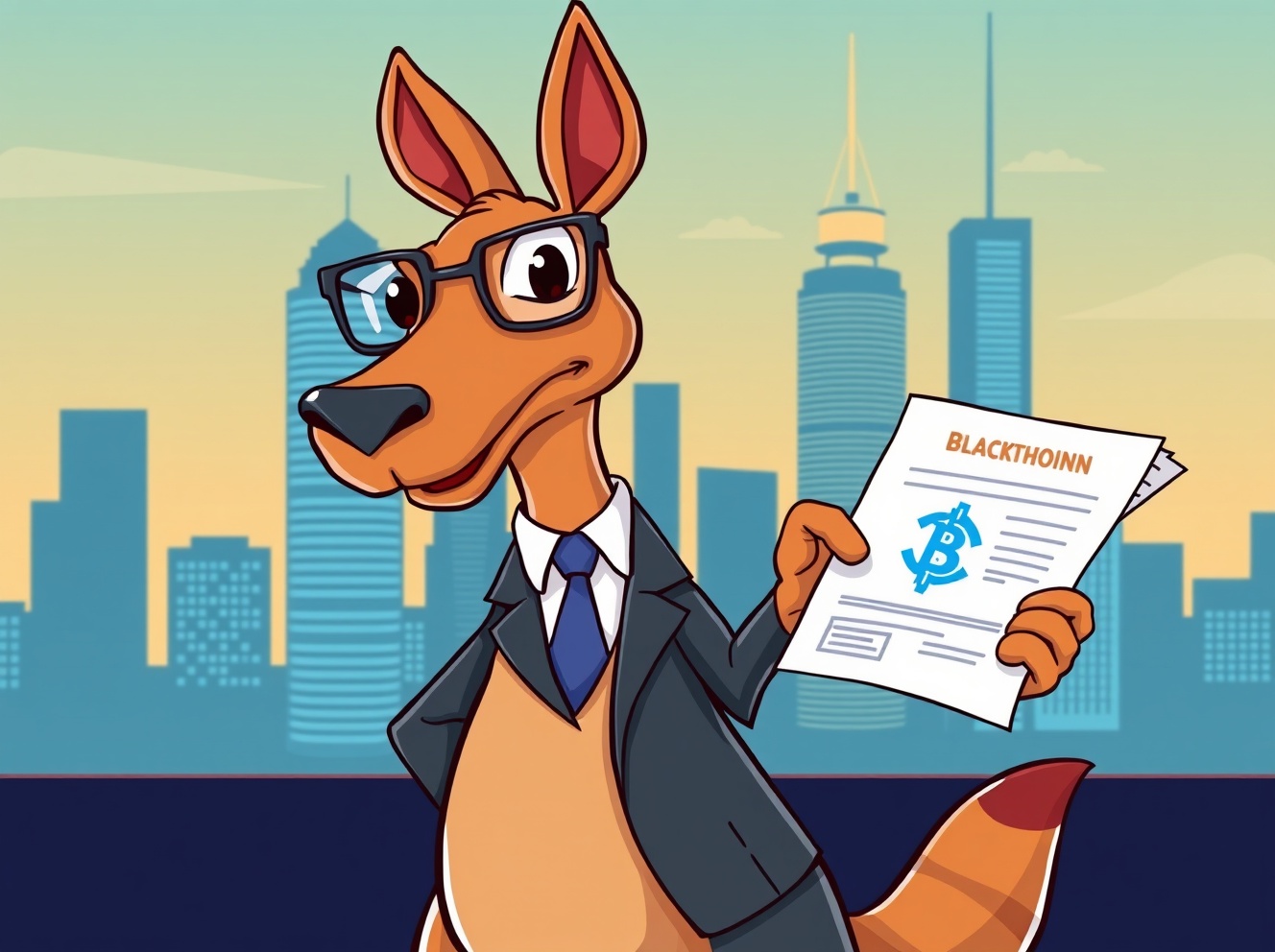
Australia is taking a significant step towards a more regulated cryptocurrency environment. Recent proposals suggest that digital asset platforms operating in the country will soon face mandatory Australia’s Digital Asset Licensing requirements. This move signals a growing global trend towards establishing clear rules for the rapidly evolving digital finance sector.

Why is Australia Embracing Mandatory Digital Asset Licensing?

The Australian government’s draft regulation, as reported by Yahoo Finance, aims to bring much-needed clarity and protection to the digital asset space. The primary goal is to safeguard consumers and foster market integrity. Without proper oversight, the risks of fraud, scams, and market manipulation can be higher, eroding public trust in digital assets.

This initiative seeks to level the playing field, ensuring that all platforms adhere to a baseline of operational excellence and accountability. It’s about creating a secure environment where innovation can still thrive, but not at the expense of user safety.

Key Requirements for Digital Asset Platforms

The proposed framework outlines several crucial obligations for platforms dealing with digital assets. These are designed to ensure transparency, security, and consumer recourse:

  • Financial Services License: Platforms will need to obtain a specific financial services license, aligning them with traditional financial institutions. This ensures they meet stringent regulatory standards.
  • Dispute Resolution System: A robust system for resolving customer complaints and disputes will be mandatory. This gives users a clear path to address issues, enhancing consumer protection.
  • Minimum Standards for Custody: Platforms holding customer digital assets must meet specific standards for secure custody. This protects users’ funds from hacks, theft, and mismanagement.
  • Payment Standards: Requirements for payment processes will be introduced, aiming to ensure efficient and secure transactions. This builds confidence in the operational reliability of these platforms.

What are the Benefits of Robust Australia’s Digital Asset Licensing?

While some in the crypto community might view regulation with skepticism, there are significant advantages to a well-structured regulatory framework. Firstly, it can dramatically boost investor confidence. Knowing that platforms are licensed and subject to oversight can encourage more mainstream adoption and institutional investment.

Moreover, it helps in combating illicit activities. By requiring platforms to identify their clients and monitor transactions, the new rules can make it harder for bad actors to use digital assets for money laundering or terrorist financing. This ultimately strengthens the reputation of the entire digital asset industry.

Navigating the Challenges of Digital Asset Licensing

Of course, implementing such comprehensive regulations is not without its challenges. Smaller platforms and startups might face increased compliance costs, potentially hindering their ability to compete. There’s also the delicate balance of fostering innovation versus imposing overly restrictive rules. Regulators must work closely with the industry to ensure the framework is practical and forward-looking.

Another challenge is the dynamic nature of digital assets themselves. The technology evolves rapidly, and regulations must be flexible enough to adapt without becoming outdated too quickly. The success of Australia’s Digital Asset Licensing will depend on its ability to strike this balance.

What Does This Mean for You, the Crypto User?

For individuals trading or holding digital assets in Australia, these proposed changes are generally positive. They promise a safer and more transparent environment. You can expect platforms to be more accountable, with clearer avenues for support and dispute resolution. This shift could lead to a more stable and trustworthy market, encouraging broader participation.

It’s an exciting time as Australia moves to solidify its position in the global digital economy, demonstrating a commitment to responsible growth in the crypto space. The framework for Australia’s Digital Asset Licensing is a pivotal step.

Conclusion:

Australia’s proposal for mandatory digital asset licensing marks a pivotal moment for its crypto industry. By introducing clear regulatory standards, the nation aims to enhance consumer protection, foster market integrity, and build greater trust in digital assets. While challenges in implementation will exist, this proactive approach positions Australia as a leader in creating a secure and responsible environment for the future of finance. It’s a move that promises a more mature and reliable ecosystem for all participants.

Frequently Asked Questions (FAQs)

Q1: What is the main goal of Australia’s proposed digital asset licensing?
A1: The primary goal is to enhance consumer protection, ensure market integrity, and prevent illicit activities within the digital asset sector by requiring platforms to meet specific regulatory standards.

Q2: Which platforms will be affected by these new regulations?
A2: The regulations will primarily affect digital asset platforms operating in Australia that facilitate the exchange, custody, or payment services involving cryptocurrencies and other digital assets.

Q3: What are some key requirements for platforms under the new licensing?
A3: Key requirements include obtaining a financial services license, establishing a robust dispute resolution system, and meeting minimum standards for the custody and payment processing of digital assets.

Q4: How will these changes benefit crypto users in Australia?
A4: Crypto users can expect a safer, more transparent, and trustworthy environment. Platforms will be more accountable, with clearer processes for dispute resolution and enhanced security for their digital assets.

Q5: When are these new regulations expected to come into effect?
A5: The proposal is currently in a draft stage. After public consultation and parliamentary processes, a final timeline for implementation will be announced. Users should stay informed via official government and financial news channels.

Found this article insightful? Share it with your friends, colleagues, and anyone interested in the evolving world of cryptocurrency regulation! Your shares help us spread crucial information and foster a more informed digital asset community.

To learn more about the latest crypto market trends, explore our article on key developments shaping Bitcoin institutional adoption.

This post Crucial: Australia’s Digital Asset Licensing Mandate Set to Transform Crypto Landscape first appeared on BitcoinWorld.

Market Opportunity
Brainedge Logo
Brainedge Price(LEARN)
$0.00736
$0.00736$0.00736
-0.01%
USD
Brainedge (LEARN) Live Price Chart
Disclaimer: The articles reposted on this site are sourced from public platforms and are provided for informational purposes only. They do not necessarily reflect the views of MEXC. All rights remain with the original authors. If you believe any content infringes on third-party rights, please contact crypto.news@mexc.com for removal. MEXC makes no guarantees regarding the accuracy, completeness, or timeliness of the content and is not responsible for any actions taken based on the information provided. The content does not constitute financial, legal, or other professional advice, nor should it be considered a recommendation or endorsement by MEXC.

You May Also Like

Aave DAO to Shut Down 50% of L2s While Doubling Down on GHO

Aave DAO to Shut Down 50% of L2s While Doubling Down on GHO

The post Aave DAO to Shut Down 50% of L2s While Doubling Down on GHO appeared on BitcoinEthereumNews.com. Aave DAO is gearing up for a significant overhaul by shutting down over 50% of underperforming L2 instances. It is also restructuring its governance framework and deploying over $100 million to boost GHO. This could be a pivotal moment that propels Aave back to the forefront of on-chain lending or sparks unprecedented controversy within the DeFi community. Sponsored Sponsored ACI Proposes Shutting Down 50% of L2s The “State of the Union” report by the Aave Chan Initiative (ACI) paints a candid picture. After a turbulent period in the DeFi market and internal challenges, Aave (AAVE) now leads in key metrics: TVL, revenue, market share, and borrowing volume. Aave’s annual revenue of $130 million surpasses the combined cash reserves of its competitors. Tokenomics improvements and the AAVE token buyback program have also contributed to the ecosystem’s growth. Aave global metrics. Source: Aave However, the ACI’s report also highlights several pain points. First, regarding the Layer-2 (L2) strategy. While Aave’s L2 strategy was once a key driver of success, it is no longer fit for purpose. Over half of Aave’s instances on L2s and alt-L1s are not economically viable. Based on year-to-date data, over 86.6% of Aave’s revenue comes from the mainnet, indicating that everything else is a side quest. On this basis, ACI proposes closing underperforming networks. The DAO should invest in key networks with significant differentiators. Second, ACI is pushing for a complete overhaul of the “friendly fork” framework, as most have been unimpressive regarding TVL and revenue. In some cases, attackers have exploited them to Aave’s detriment, as seen with Spark. Sponsored Sponsored “The friendly fork model had a good intention but bad execution where the DAO was too friendly towards these forks, allowing the DAO only little upside,” the report states. Third, the instance model, once a smart…
Share
BitcoinEthereumNews2025/09/18 02:28
Pi Network Community Leadership Program Opens Doors for New GCV Ambassadors

Pi Network Community Leadership Program Opens Doors for New GCV Ambassadors

    The Pi Network community is entering another stage of organizational development as new opportunities emerge for p

Share
Hokanews2026/03/15 22:16
U.S. Congressman Tells Senate to Pass House Crypto Bill or Step Aside – Inside the Clarity Act Standoff

U.S. Congressman Tells Senate to Pass House Crypto Bill or Step Aside – Inside the Clarity Act Standoff

Key Takeaways: Rep. French Hill is pushing the Senate to adopt the House-passed Clarity Act to break the stablecoin deadlock […] The post U.S. Congressman Tells
Share
Coindoo2026/03/15 22:15