

South Korean Banks Rely on AI to Fight Voice Phishing
TLDRs:
- South Korean banks adopt AI systems to detect and prevent rising voice phishing scams.
- New no-fault liability rules make banks responsible for victim losses, boosting AI investments.
- Major banks deploy AI deep learning and real-time monitoring to stop sophisticated scams.
- Korea follows Singapore’s shared fraud liability model to protect consumers from phishing attacks.
South Korean banks are increasingly turning to artificial intelligence to combat the growing threat of voice phishing, a form of scam where fraudsters impersonate trusted institutions to trick victims into transferring money.
The move comes as the government prepares a new regulatory framework requiring banks to compensate victims, even if the scam occurs without any bank error.
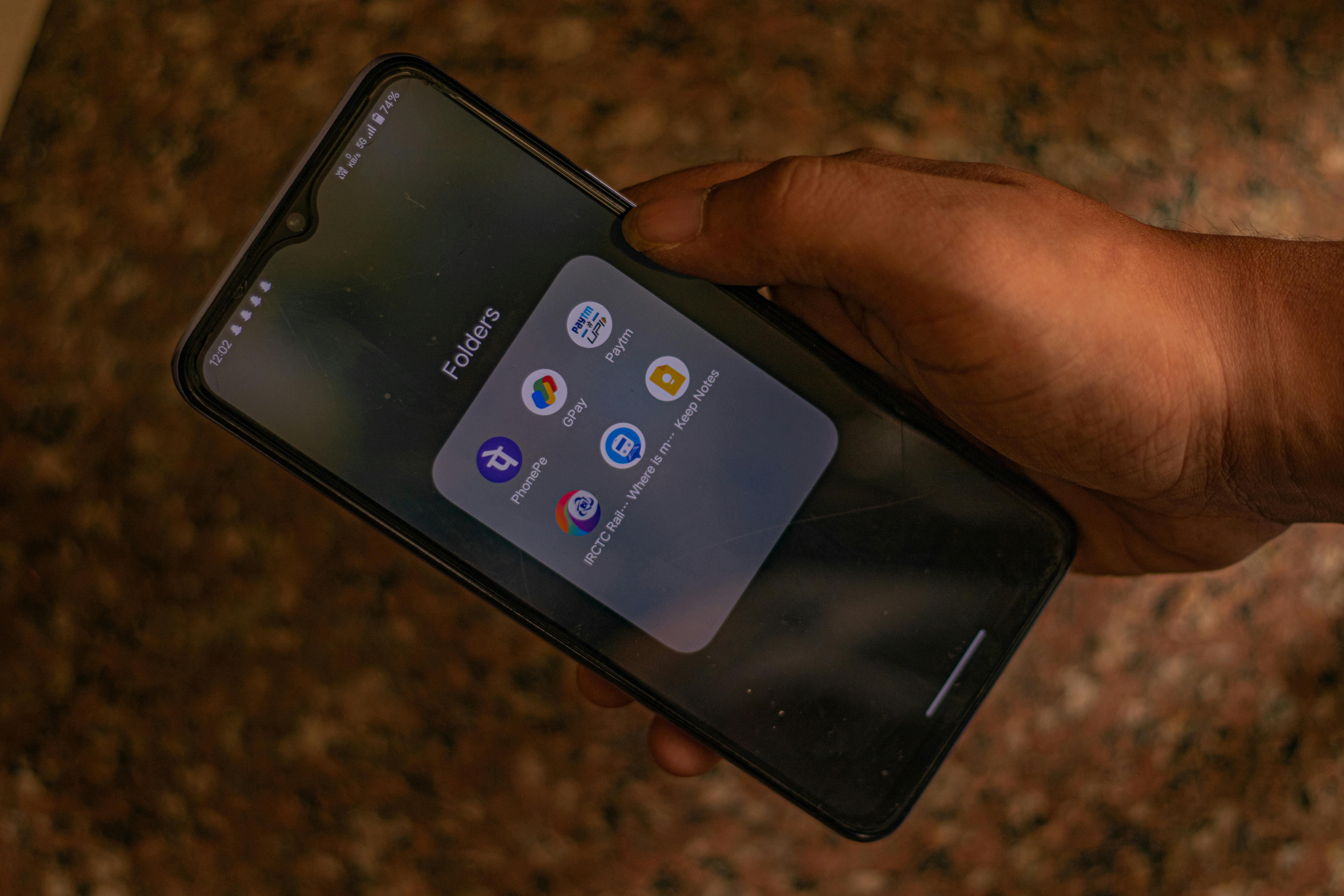
This regulatory push, known as the no-fault liability rule, is part of a larger anti-voice phishing initiative led by the Office for Government Policy Coordination, the Ministry of Science and ICT, and the Financial Services Commission. Officials say the rule aims to hold banks accountable for losses and incentivize more proactive fraud prevention measures.
Banks Deploy Cutting-Edge AI Solutions
Several major banks have already strengthened their defenses with advanced AI systems. KB Kookmin Bank has introduced adaptive monitoring platforms capable of detecting new phishing tactics as they emerge.
Hana Bank has developed a deep learning detection system that alerts users to potentially malicious apps and suspicious transactions.
Shinhan Bank has established telecom scam response desks across all branches and partnered with crypto-exchange Korbit to track and prevent laundering of fraudulent transfers through digital assets. Woori Bank and NH NongHyup Bank are enhancing their monitoring capabilities and collaborating with law enforcement and telecom providers to share real-time information about scam patterns.
These AI systems are designed to analyze call patterns, detect anomalies, and continuously retrain themselves, allowing banks to stay ahead of scammers who increasingly employ social engineering techniques and caller ID spoofing.
Regulatory Shift Mirrors Singapore Model
South Korea’s proposed no-fault liability rule mirrors Singapore’s Shared Responsibility Framework, implemented in December 2024. Singapore’s approach requires banks and telecommunications companies to share accountability for scam losses while encouraging consumer vigilance.
By adopting a similar framework, Korea recognizes that individual consumers cannot reasonably defend against sophisticated voice phishing operations.
Experts note that scammers now employ AI and deepfake technology to mimic trusted individuals, making real-time detection critical. This marks a departure from traditional models, where victims often bore the financial burden even when banks had technical tools to prevent fraud.
Rising Threat Justifies AI Investments
The scale of global voice phishing has underscored the need for advanced defenses. In 2021, more than 59 million Americans fell victim to voice phishing, with approximately 70% of calls using number spoofing to appear legitimate. Fraud networks are highly organized, employing specialized roles to target unsuspecting victims efficiently.
South Korean banks’ focus on AI-powered solutions reflects an understanding that traditional rule-based detection cannot keep pace with the evolving threat landscape.
South Korea’s proactive approach demonstrates a growing trend of leveraging artificial intelligence to combat financial crime, blending regulatory oversight with cutting-edge technology. As banks continue to refine their AI defenses, consumers can expect increased safeguards against increasingly sophisticated voice phishing scams.
The post South Korean Banks Rely on AI to Fight Voice Phishing appeared first on CoinCentral.


You May Also Like

Diamondback Energy (FANG) Stock Surges on Mizuho’s Top Pick Endorsement Before Pullback

Citigroup boosts Bitcoin exposure with $41.2M in Strategy shares




