EUR/USD Hits Fresh Lows at 1.1620 as Risk Aversion Deepens and Oil Prices Climb
BitcoinWorld
EUR/USD Hits Fresh Lows at 1.1620 as Risk Aversion Deepens and Oil Prices Climb
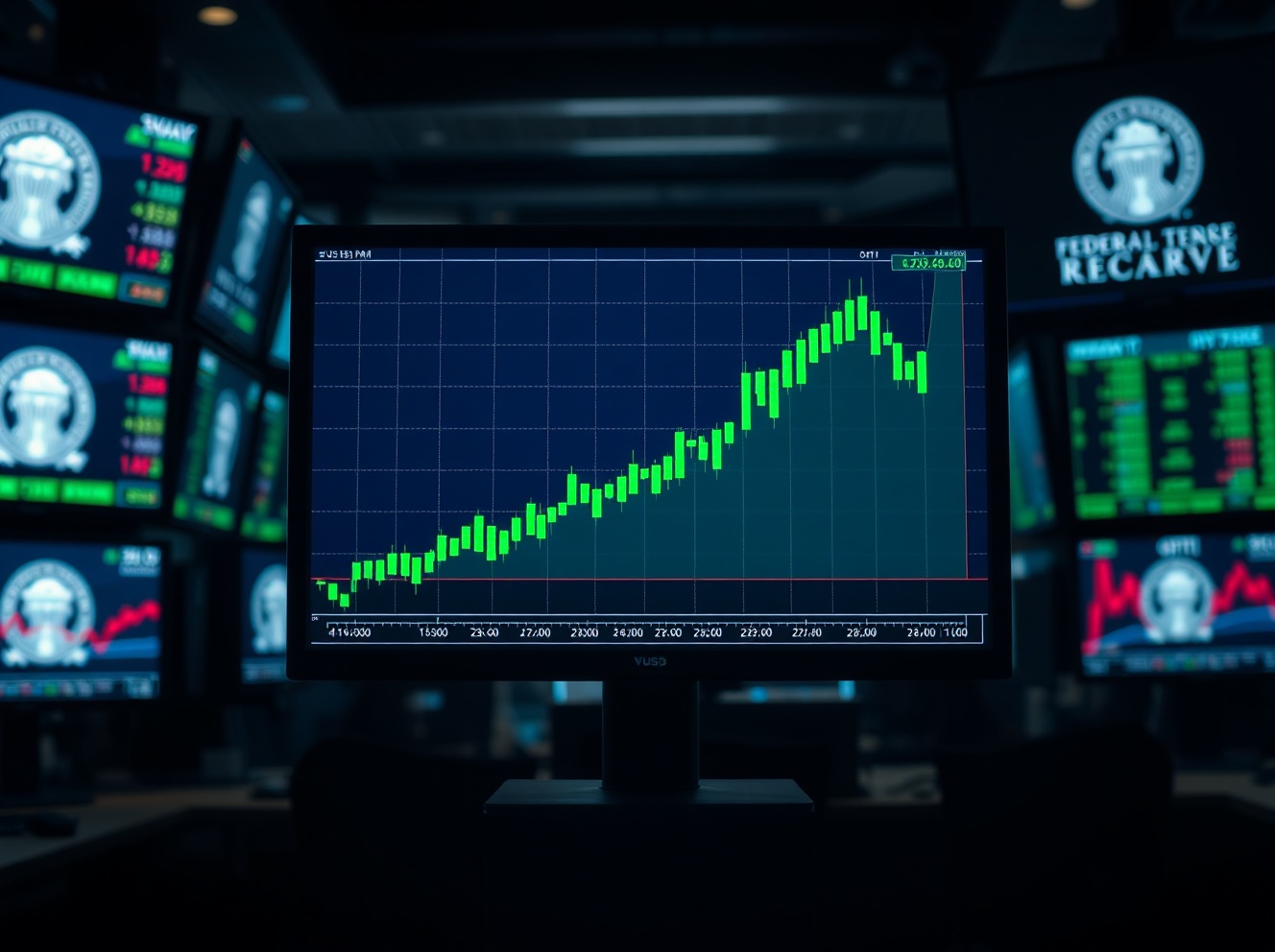
The EUR/USD currency pair extended its recent decline on Tuesday, touching a fresh low near 1.1620 during European trading hours. The move lower comes as global risk appetite deteriorates sharply, with investors flocking to safe-haven assets amid renewed geopolitical tensions and a sustained surge in crude oil prices.
Risk Aversion Dominates Market Sentiment
The euro has come under broad selling pressure as traders price in a flight to safety. Concerns over slowing global growth, exacerbated by elevated energy costs, have prompted a shift away from risk-sensitive currencies. The US dollar, benefiting from its status as a traditional safe haven, has strengthened across the board, pushing EUR/USD to its lowest level in several weeks.
Rising oil prices, which have climbed to multi-month highs, are adding to the headwinds for the eurozone economy. Higher energy costs threaten to stoke inflation further while dampening consumer spending and industrial output—a combination that typically weighs on the common currency.
Technical Breakdown and Key Support Levels
From a technical perspective, the break below the 1.1700 handle signaled a bearish shift in momentum. The 1.1620 level now represents a critical near-term support zone. A sustained move below this area could open the door toward the 1.1550 region, a level last seen in late 2022.
On the upside, the 1.1700 mark now acts as immediate resistance, followed by the 1.1750 level. Traders will be watching for any catalyst—such as a surprise dovish shift from the Federal Reserve or a de-escalation in geopolitical risks—that could trigger a corrective bounce.
Why This Matters for Forex Traders
The current environment underscores the sensitivity of EUR/USD to external shocks beyond monetary policy. With central bank rate decisions already largely priced in, macro factors such as energy prices, geopolitical developments, and global risk appetite are increasingly dictating short-term direction. For traders, the key question is whether the euro can stabilize near current levels or if further downside is likely as oil prices remain elevated.
Conclusion
The EUR/USD pair’s slide to 1.1620 reflects a broader market mood of caution and risk aversion, fueled by high oil prices and geopolitical uncertainty. While technical support exists at current levels, the outlook remains tilted to the downside unless a clear shift in risk sentiment emerges. Traders should monitor energy markets and geopolitical headlines closely for signs of a potential reversal.
FAQs
Q1: What caused EUR/USD to fall to 1.1620?
The decline was driven by heightened risk aversion, with investors moving into safe-haven assets like the US dollar, alongside a surge in oil prices that raises concerns about the eurozone economy.
Q2: What are the key support levels for EUR/USD?
Immediate support is at 1.1620. A break below could see the pair test 1.1550, while resistance is now at 1.1700 and then 1.1750.
Q3: How do rising oil prices affect the euro?
Higher oil prices increase import costs for the eurozone, potentially fueling inflation and slowing economic growth. This negative economic outlook tends to weaken the euro against currencies of net energy exporters or safe havens.
This post EUR/USD Hits Fresh Lows at 1.1620 as Risk Aversion Deepens and Oil Prices Climb first appeared on BitcoinWorld.


You May Also Like

AI predicts XRP price for April 30, 2026

Zero Outflows. $123M Locked. The Chainlink ETF Story Nobody Is Talking About