Dubai-based Yango commits $150 million to expand into 10 new African markets
Dubai-based tech and mobility firm Yango Group is charting an aggressive Yango African expansion strategy this year, committing a fresh $150 million to enter 10 new markets across the continent. The expansion underscores a deliberate shift from a standard ride-hailing operator to a comprehensive, multi-service ecosystem, pitting the company directly against entrenched global and local incumbents.
Most importantly, while dominant rivals continue to saturate the “big four” tech hubs, the company is actively betting on secondary urban centres to fuel its projected 60% regional growth in 2026. With a global footprint of one million drivers across 35 countries, Yango already operates in over a dozen African markets. The latest strategic push deliberately bypasses the highly contested markets of Nigeria, Egypt, South Africa, and Kenya.
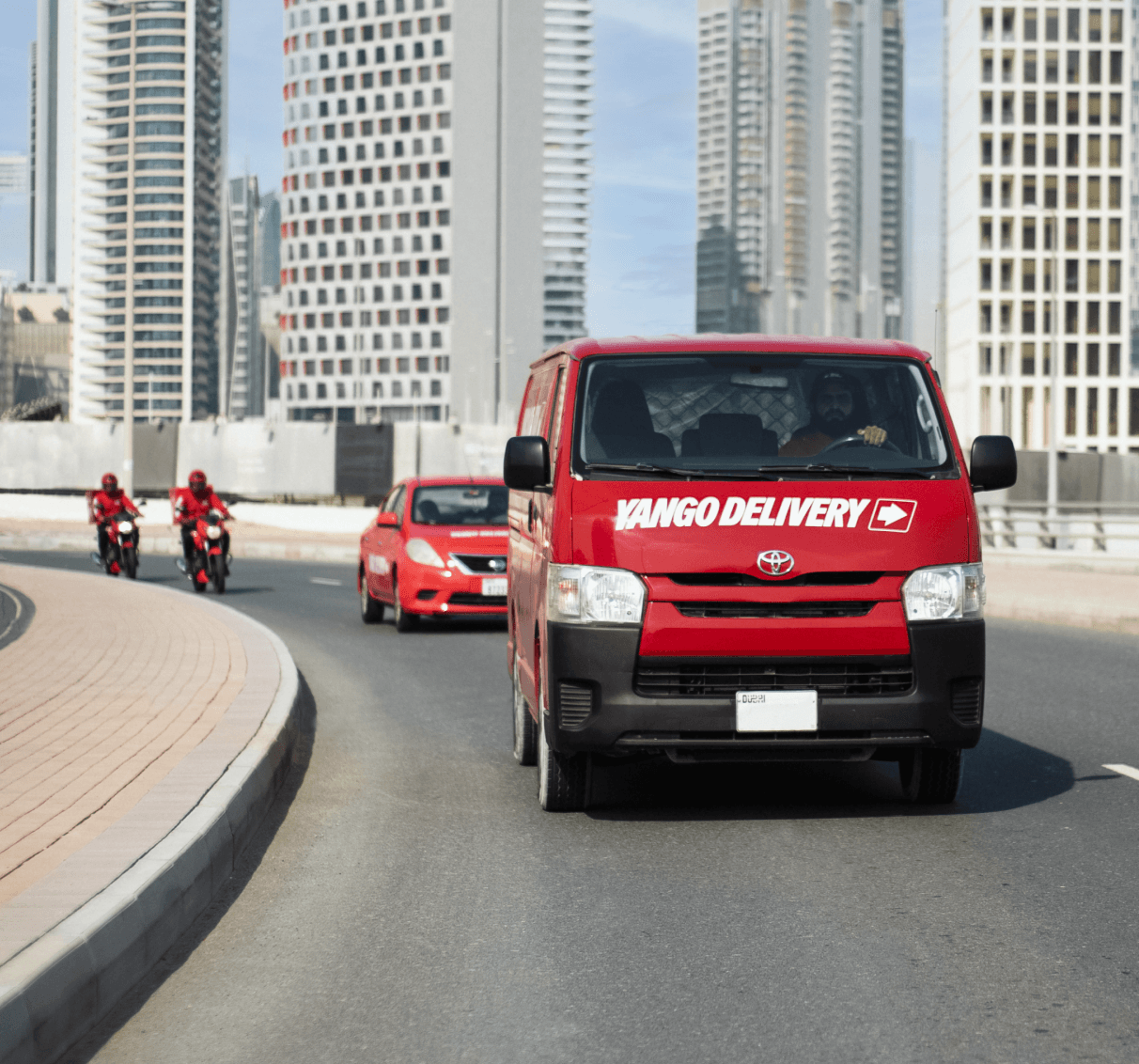
The capital injection signals a substantial escalation in the battle for Africa’s digital economy. Rather than merely subsidising passenger fares, Yango intends to deploy this war chest to build tangible operational infrastructure. The company is actively layering logistics, on-demand delivery, and essential financial tools over its core transport network to lock in user engagement and drive retention.
 Yango Africa Chief Executive Officer Adeniyi Adebayo
Yango Africa Chief Executive Officer Adeniyi Adebayo noted that conventional venture capital typically crowds these top four economies. “What that creates is a lot of capital chasing the same goal in all of these markets, and you’ve got a race to the bottom,” Adebayo said.
Instead, Yango is directing its capital heavily towards West and Central Africa, while simultaneously eyeing smaller southern markets, including Namibia, Botswana, and Mozambique.
The economics behind the Yango African expansion
Yango’s game plan relies heavily on vertical integration and strategic localisation. Recent developments in existing markets, such as Cameroon, demonstrate this tactical pivot. The firm is not simply dropping a ride-hailing application into a new city and hoping for rapid adoption. Instead, it embeds itself by securing local operating licences, establishing partnerships with existing transport syndicates, and launching driver-focused financial products, including in-app lending and asset financing.
 Yango
Yango
This wholesale approach slashes the exorbitant upfront consumer subsidies that have historically bled capital from early ride-hailing pioneers on the continent. By working with established local fleets, the firm can scale operations more efficiently without bearing direct liability for every driver on the platform.
However, the strategy is not without distinct hurdles. A recent KPMG Advisory report highlighted severe macroeconomic and regulatory constraints across these secondary markets. Currency volatility, strict local ownership requirements, licensing costs, and aggressive vehicle caps present significant operational headwinds.
The most acute challenge remains overhead costs. Fuel currently accounts for up to 25% of total fares across African markets. Transport operators are facing razor-thin margins due to the ongoing war in Iran, which is intensifying global energy pressures.
To counter this volatility, Yango is accelerating a longer-term shift towards electric vehicles (EVs). Adebayo confirmed that the firm is delivering 1,000 EVs to Abidjan alone this year, a tangible capital expenditure meant to insulate its fleet partners from unpredictable pump prices.
 Yango delivery
If successful, this $150 million injection could validate a different playbook for mobility startups operating in emerging markets. By pivoting away from the cash-burn model required to win major hubs, Yango aims to build sustainable operations in secondary cities where digitised transport is still in its infancy.
“If you look at the top 50 cities across West Africa and look at how many of those cities we’ve covered, we’ve barely started,” Adebayo noted.
Also read: Bolt partners with China’s Dongfeng to accelerate EV growth in South Africa after $180m investment
Whether this operational model can withstand the realities of currency depreciation and regulatory friction across West and Central Africa remains to be seen. Yet, for now, the deployment of capital into uncrowded markets signals a maturing, pragmatic era for African ride-hailing.


You May Also Like

Crypto mining stocks suffer brutal quarterly slump

Southwestern National Bank Introduces New Brand and Trade Name