US Dollar Index Rises to One-Month High as Iran Tensions and Hawkish Fed Bets Boost Safe-Haven Demand
BitcoinWorld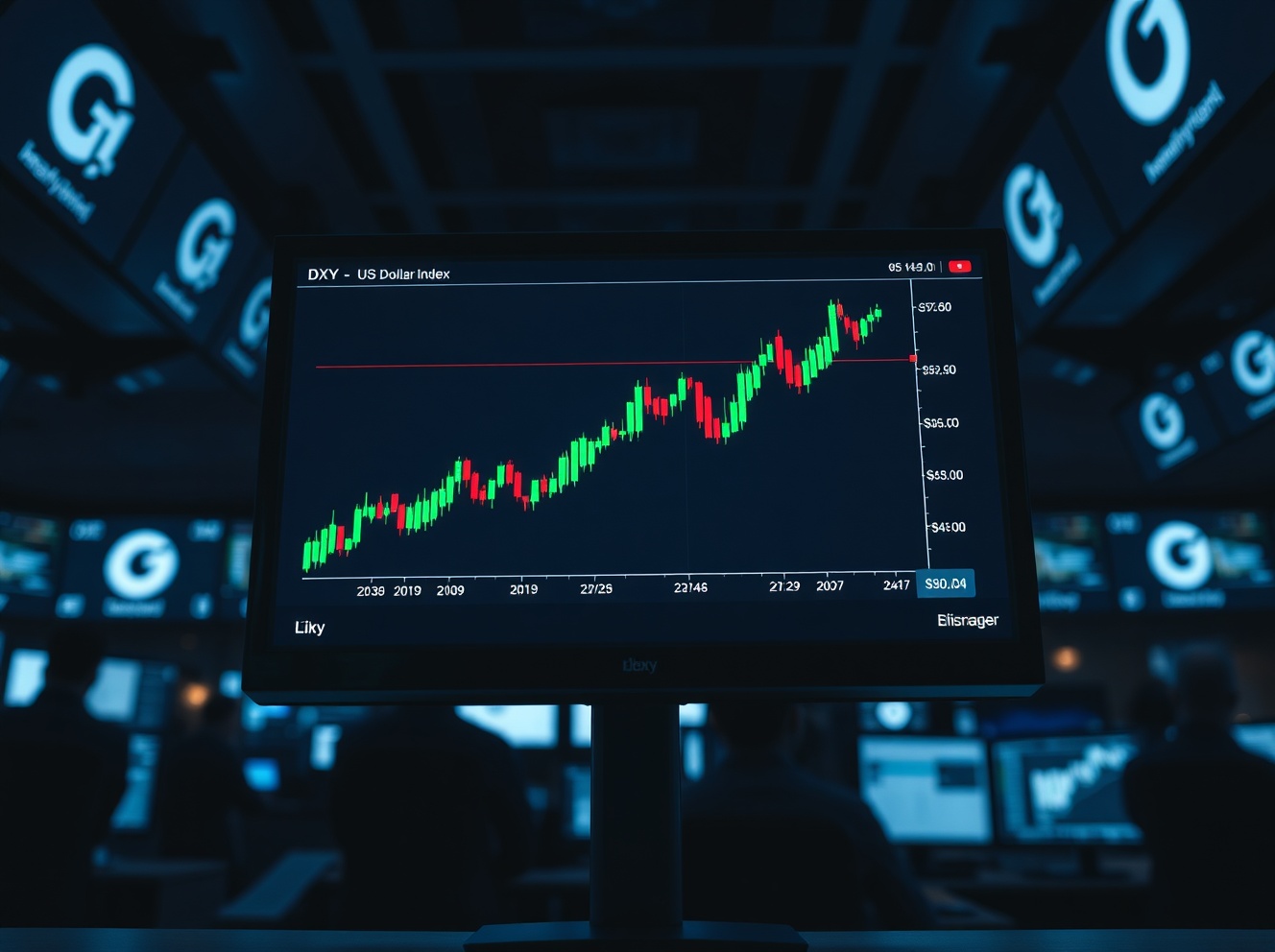
US Dollar Index Rises to One-Month High as Iran Tensions and Hawkish Fed Bets Boost Safe-Haven Demand
The US Dollar Index (DXY) climbed to its highest level in over a month during Wednesday’s trading session, driven by escalating geopolitical tensions in the Middle East and growing expectations that the Federal Reserve will maintain a hawkish monetary policy stance. The move reflects a broad shift in investor sentiment toward safe-haven assets.
Geopolitical Friction and Safe-Haven Flows
Renewed friction between the United States and Iran has injected fresh uncertainty into global markets. Reports of heightened military posturing and diplomatic stalemates have prompted investors to rotate out of risk-sensitive currencies and into the dollar, which traditionally benefits from geopolitical instability. The dollar index, which measures the greenback against a basket of six major currencies, rose above the 104.50 mark, a level not seen since early last month.
Analysts note that the dollar’s gains are not solely a function of geopolitical headlines. The currency is also drawing support from a broader reassessment of the Federal Reserve’s policy trajectory. Recent comments from Fed officials have reinforced the view that interest rate cuts may be delayed further into 2025, as inflation remains stubbornly above the central bank’s 2% target.
Hawkish Fed Bets Strengthen the Dollar
Market pricing for the Fed’s next move has shifted notably in recent weeks. According to the CME FedWatch Tool, the probability of a rate cut at the June meeting has fallen below 50%, down from nearly 70% a month ago. This repricing has lifted US Treasury yields, making dollar-denominated assets more attractive to foreign investors and further underpinning the currency.
“The combination of geopolitical risk and a more cautious Fed is a powerful tailwind for the dollar,” said a senior currency strategist at a European bank. “We are seeing a clear flight to safety, and the dollar remains the primary beneficiary in this environment.”
Impact on Global Markets and Emerging Economies
A stronger dollar carries significant implications for global trade and emerging market economies. Countries with dollar-denominated debt face higher repayment costs, while commodities priced in dollars—such as oil and gold—become more expensive for holders of other currencies. The dollar’s rise has already contributed to a pullback in gold prices, which had rallied earlier in the year on rate-cut expectations.
Emerging market currencies, particularly those in Asia and Latin America, have come under pressure. The Chinese yuan, Indian rupee, and Brazilian real have all weakened against the greenback in recent sessions, raising concerns about imported inflation in those economies.
Outlook and Key Levels to Watch
Traders are now watching the 105.00 level on the DXY as a key resistance point. A decisive break above that threshold could open the door to further gains, with the next major target around 105.50. On the downside, support is seen near the 104.00 mark, which previously acted as resistance.
The direction of the dollar in the coming weeks will likely hinge on two variables: the trajectory of US inflation data and the evolution of the Iran situation. Any de-escalation in the Middle East could trigger a reversal of safe-haven flows, while softer US inflation prints could revive rate-cut expectations and weaken the dollar.
Conclusion
The US Dollar Index’s rise to one-month highs underscores the interplay between geopolitical risk and monetary policy expectations. While the immediate catalyst is the Iran situation, the broader trend reflects a market that is recalibrating its view on the Federal Reserve’s next moves. For investors, the key takeaway is that the dollar’s strength is likely to persist as long as uncertainty remains elevated and the Fed stays on hold.
FAQs
Q1: What is the US Dollar Index (DXY)?
The US Dollar Index (DXY) measures the value of the US dollar relative to a basket of six major foreign currencies: the euro, Japanese yen, British pound, Canadian dollar, Swedish krona, and Swiss franc. It is a widely used benchmark for the dollar’s overall strength in global markets.
Q2: Why does geopolitical tension strengthen the US dollar?
During periods of geopolitical uncertainty, investors tend to move capital into assets perceived as safe havens. The US dollar, along with gold and US Treasuries, is traditionally considered a safe haven because of the size and liquidity of US financial markets and the relative stability of the US economy.
Q3: How does a stronger dollar affect emerging markets?
A stronger dollar makes it more expensive for emerging market countries to service debt denominated in dollars. It also weakens their local currencies, which can fuel inflation by making imports costlier. This can lead to tighter financial conditions and slower economic growth in those countries.
This post US Dollar Index Rises to One-Month High as Iran Tensions and Hawkish Fed Bets Boost Safe-Haven Demand first appeared on BitcoinWorld.


You May Also Like

Robotics Automation Prototyping: Engineering Kinetic Agility into End-Effectors
Silver Price Prediction: Cup and Handle Points to $196 – Why the Correction Was Always Part of the Plan