Google unveils AI-powered audio glasses with Warby Parker and Samsung at I/O 2026
BitcoinWorld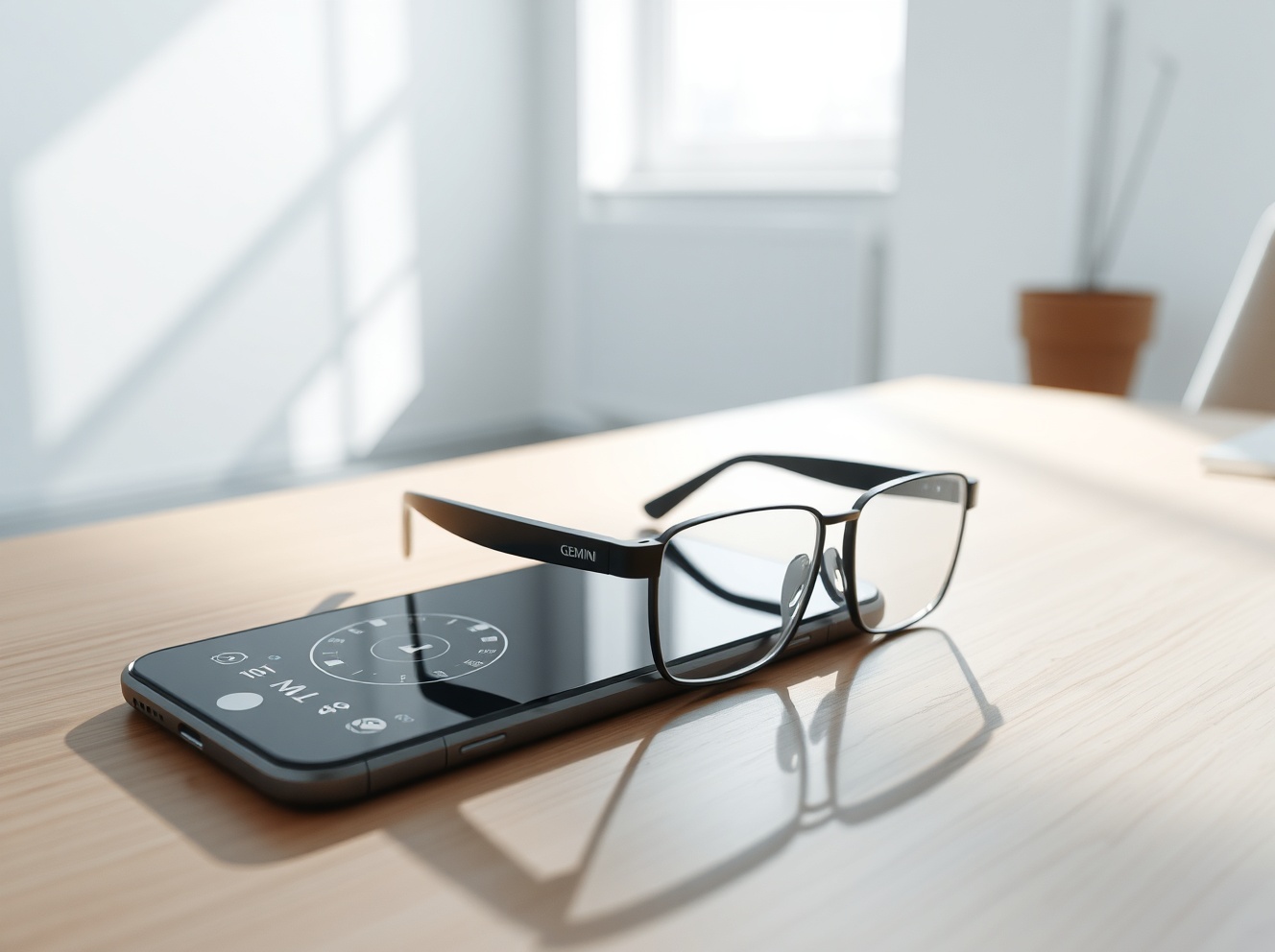
Google unveils AI-powered audio glasses with Warby Parker and Samsung at I/O 2026
Google is re-entering the smart glasses market with a new line of AI-powered audio glasses, announced Tuesday at its annual Google I/O developer conference. The company has partnered with eyewear brands Warby Parker and Gentle Monster, along with Samsung, to produce the devices, which are designed to pair with both Android and iOS smartphones. Google says the glasses will be available later this year.
What are Google’s audio glasses?
Dubbed “audio glasses,” the devices rely primarily on voice commands rather than a visual display. Users can interact with Google’s ecosystem of apps and services, including the Gemini AI assistant, by speaking directly to the glasses. In a demonstration at the event, a Google employee used the glasses to order a coffee simply by talking to them, with the device syncing to a paired smartphone to execute the command.
The glasses represent a shift in Google’s approach to wearable technology. The company’s earlier foray into smart glasses, Google Glass, launched in 2013, faced significant privacy concerns and public backlash, coining the derogatory term “glassholes.” That product featured a small heads-up display and camera, which many found intrusive. The new audio-only design avoids the camera entirely, focusing on audio input and output, which may address some of the earlier privacy criticisms.
A changing smart glasses landscape
The smart glasses market has evolved considerably since Google Glass. Meta has emerged as a major player with its Ray-Ban Stories and later Meta Ray-Ban smart glasses, which also emphasize audio and camera features. A growing number of startups and smaller firms have also entered the space, offering specialized wearables for productivity, navigation, and accessibility. Google’s renewed effort signals a belief that the technology and consumer acceptance have matured enough for a mainstream product.
By partnering with Warby Parker and Gentle Monster, Google gains access to established retail and distribution networks, as well as design expertise that could make the glasses more fashionable and less conspicuous than earlier prototypes. Samsung’s involvement suggests deep hardware integration, likely leveraging the company’s experience with wearables and mobile chipsets.
Why this matters for consumers
For users, the glasses promise hands-free access to Google’s services, including navigation, messaging, calendar management, and AI-powered tasks through Gemini. The ability to issue voice commands without pulling out a phone could be particularly useful for multitasking, driving, or outdoor activities. The glasses are also designed to work with both Android and iOS, broadening their potential audience.
However, questions remain about battery life, audio quality in noisy environments, and overall comfort for extended wear. Google has not yet disclosed pricing, but the involvement of premium eyewear brands suggests a cost higher than standard glasses. The company has also not detailed privacy safeguards, such as how voice data is processed and stored, which will be critical for consumer trust.
Conclusion
Google’s return to smart glasses with an audio-first, AI-powered design represents a pragmatic evolution of a concept that once generated significant controversy. By partnering with established eyewear brands and Samsung, and focusing on voice interaction rather than cameras, the company is attempting to address past criticisms while capitalizing on advances in AI and wearable technology. The success of these glasses will depend on execution, pricing, and how well they integrate into users’ daily lives. They are expected to launch later this year.
FAQs
Q1: When will Google’s new audio glasses be available?
A: Google says the glasses will be available later this year, though a specific release date has not been announced.
Q2: Will the glasses work with iPhones?
A: Yes, Google has confirmed the glasses are designed to pair with both Android and iOS devices.
Q3: How do these glasses differ from Google Glass?
A: Unlike Google Glass, which had a heads-up display and camera, the new audio glasses rely entirely on voice commands and have no visual display or camera, addressing past privacy concerns.
This post Google unveils AI-powered audio glasses with Warby Parker and Samsung at I/O 2026 first appeared on BitcoinWorld.


You May Also Like

EUR/GBP Exchange Rate Surges as Bank of England Rate Hike Expectations Intensify – Market Analysis

Smart money sells 5 million tokens worth $481,000 when USELESS market cap exceeds $100 million