South Carolina crypto law bars state agencies from CBDCs and pilots
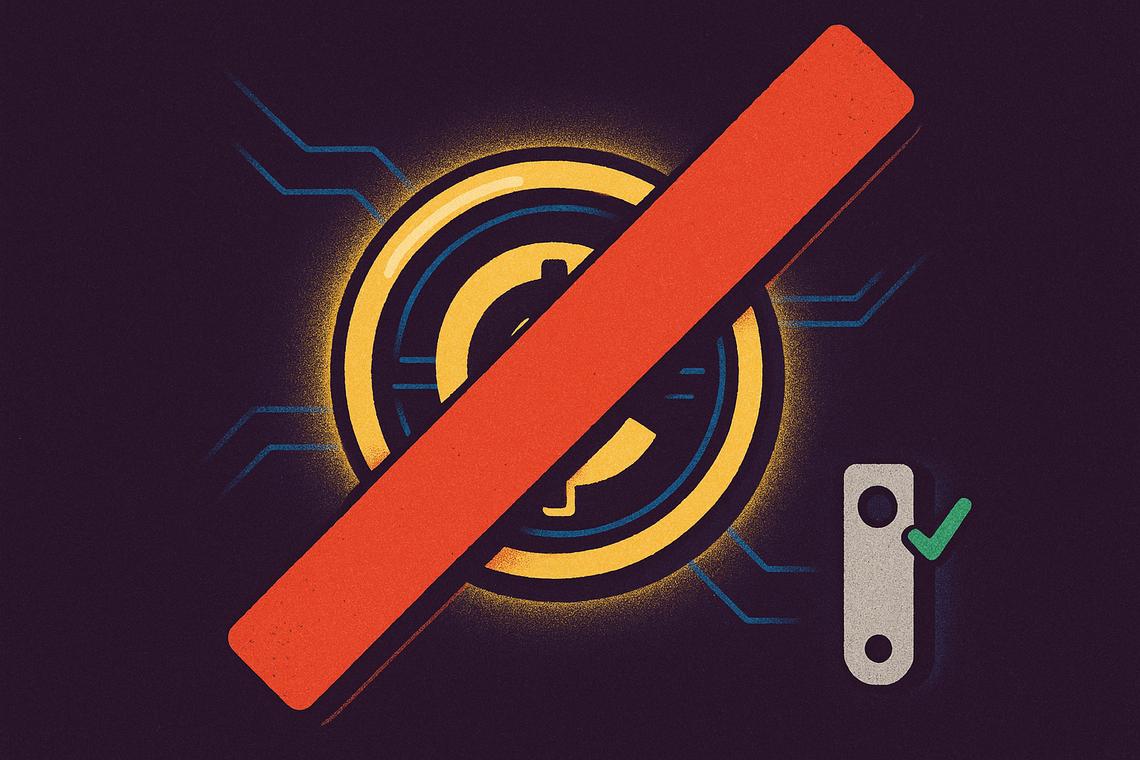
South Carolina has enacted a new South Carolina crypto law, giving the state one of its clearest pro-digital-asset frameworks yet and drawing a sharp line against central bank digital currencies. The measure protects self-custody, shields crypto payments and blockchain activity from state interference, and blocks state agencies from using or accepting CBDCs.
That makes the new law more than a niche policy update. It is a state-level statement about who should control digital money: individuals and private markets, not government-run digital currency systems.
The measure, Senate Bill 163, was sponsored by Senators Danny Verdin and Matt Leber. It arrives as more states move to define what crypto rights look like in practice, especially around wallets, mining, and licensing.
South Carolina enacts a broad crypto rights law
At the center of the South Carolina crypto law is a broad set of protections for digital assets and self-custody rights. South Carolina now protects the ability of individuals and businesses to use cryptocurrency for lawful goods and services, while limiting state interference with crypto payments, mining, and blockchain operations.
The law also protects self-hosted and hardware wallets, reinforcing the principle that users can hold their own digital assets without being pushed into custodial systems. For crypto users, that is one of the most meaningful parts of the package. Self-custody has long been a core issue in Bitcoin and digital asset policy because it determines whether users truly control their holdings.
Just as important, the law defines digital assets broadly. That includes stablecoins, fungible tokens, non-fungible tokens, and other electronic-only assets. In practical terms, that gives businesses and users a wider legal frame to work within instead of leaving key categories in a gray area.
Why this matters is straightforward: legal clarity tends to matter as much as tax policy or licensing costs for companies deciding where to build. As a result, a state that clearly recognizes digital assets and wallet rights can become more attractive to blockchain developers, service providers, and investors looking for fewer compliance surprises.
CBDC use is blocked for state agencies
The South Carolina crypto law is also notable for what it rejects.
State agencies are barred from using CBDCs or joining federal CBDC pilots. The law also prohibits state agencies and political subdivisions from accepting CBDC payments. That places South Carolina firmly in the camp of states resisting a government-backed digital currency model at the state level.
The distinction built into the law is important. While it blocks CBDC use by the state, it still allows room for privately issued digital assets, including stablecoins such as USDC. In other words, the framework does not reject digital dollars entirely. It rejects a state role in adopting or participating in central-bank digital currency systems.
That anti-CBDC approach gives the measure a broader political and strategic meaning. It is not just about technology. It is about who sets the rules for digital payments and whether future digital money should be tied more closely to government institutions or to private, regulated market options.
Wallets, licensing, and mining rules in the South Carolina crypto law
Beyond the headline politics, Senate Bill 163 gets into the operational details that matter to the crypto industry.
Crypto-to-crypto trading, staking infrastructure, and blockchain application development are exempt from money transmitter licenses under the law. Blockchain node operations, digital asset mining, and staking services are also no longer automatically treated as activities requiring money transmitter or securities licensing.
That kind of exemption can have outsized impact. For builders and operators, licensing rules often determine whether a business model is workable at all. By carving out these categories, South Carolina is signaling that not every blockchain-related activity should be regulated like a traditional payments intermediary.
The law also limits how local governments can regulate industrial mining. It says local authorities cannot impose excessive noise limits or restrictive zoning on mining operations. At the same time, the framework does not remove oversight entirely.
- Limits on local mining-related zoning and noise restrictions
- Continued fraud enforcement by the Attorney General for mining and staking providers
- Energy management requirements for large mining firms, including demonstrating grid impact mitigation, often through power purchase agreements
That balance is one of the more interesting features of the legislation. South Carolina is not simply opening the door to any mining activity under any conditions. Instead, it is protecting the industry while still keeping consumer protection and grid management in view.
A Bitcoin Rights law with broader state implications
The bill has been framed as a Bitcoin Rights law, and the label fits much of what it does. It protects self-custody, supports crypto payments, and creates breathing room for blockchain infrastructure. However, the broader significance is that it turns abstract crypto policy debates into enforceable state rules.
For users, this means stronger self-custody protections and less uncertainty around using crypto for lawful transactions. For companies, it means a clearer compliance environment around staking infrastructure, blockchain development, and crypto-to-crypto activity. For policymakers in other states, it offers a model that combines digital asset protections with explicit anti-CBDC rules.
South Carolina now joins a growing group of U.S. states moving to formalize digital asset rights. And because the law reaches across payments, wallets, licensing, mining, and CBDC policy all at once, it stands out as a more complete framework than many narrower state-level crypto measures.
The next test will not be whether crypto policy remains a debate in statehouses. South Carolina has already answered that. The real question is whether more states adopt the same formula: protect self-custody, make room for private digital assets, and keep government-run digital currency at arm’s length.


You May Also Like

What Are Instagram Engagement Pools and How Do They Really Work?

Ripple CEO Tells Bloomberg: What Are Working Daily to Take Over SWIFT