By Grayscale Compiled by Luffy, Foresight News Grayscale, a crypto research firm, released its Q3 2025 crypto market insights, noting that all six major cryptocurrency sectors experienced positive price returns during the quarter, but fundamentals were mixed. Bitcoin lagged behind other sectors, exhibiting characteristics of a localized altcoin season. Grayscale also highlighted three key themes: stablecoin legislation and adoption, growing trading volume on centralized exchanges, and the rise of digital asset vaults. The report also provided an outlook on potential drivers and risks for the fourth quarter. The original content is translated below: TL;DR In the third quarter of 2025, all six major cryptocurrency sectors (Crypto Sectors) had positive price returns, but fundamentals were mixed. Bitcoin has lagged behind other crypto market sectors this quarter, a pattern that could be considered an altcoin season, but with significant differences from previous cycles. The top 20 tokens in Q3 (based on volatility-adjusted price returns) highlight the importance of stablecoin legislation and adoption, rising trading volumes on centralized exchanges, and digital asset treasuries (DATs). All crypto assets are related to blockchain technology and share the same underlying market structure, but that's where the commonality ends. This asset class encompasses a wide range of software technologies, with applications spanning consumer finance, artificial intelligence (AI), media and entertainment, and other sectors. To help streamline the market, the Grayscale research team, in collaboration with FTSE Russell, developed a proprietary classification system called "Crypto Sector." This framework covers six distinct market sectors (see Figure 1), encompassing 261 tokens with a combined market capitalization of $3.5 trillion. Figure 1: Cryptocurrency sector framework Blockchain fundamentals metrics While blockchains aren't traditional businesses, we can still use analogies to measure their economic activity and financial health. The three core metrics for on-chain activity are user base, transaction volume, and transaction fees. Due to the anonymity of blockchains, analysts often use active addresses (blockchain addresses with at least one transaction) as a proxy for user numbers. In the third quarter, fundamentals across various cryptocurrency sectors were mixed (see Figure 2). On the negative side, both the "Currency Sector" and the "Smart Contract Platform Sector" saw month-over-month declines in user numbers, transaction volume, and fees. Overall, speculative activity related to meme coins has continued to cool since the first quarter, directly leading to a decline in both trading volume and activity. One positive signal worth noting is that blockchain application layer fees increased by 28% month-over-month. This growth was primarily driven by a handful of leading high-fee applications, including: (1) Jupiter, a decentralized exchange within the Solana ecosystem; (2) Aave, a leading lending protocol in the crypto space; and (3) Hyperliquid, a leading perpetual swap exchange. On an annualized basis, application layer fee revenue has now exceeded $10 billion. Blockchain is both a digital transaction network and an application development platform; therefore, the growth in application layer fees can be seen as an important signal of increasing blockchain technology adoption. Figure 2: Mixed fundamentals across cryptocurrency sectors in Q3 2025 Price Performance Tracking In the second quarter, all six major cryptocurrency sectors experienced positive price returns (see Chart 3). Bitcoin underperformed other market sectors this quarter, a pattern that could be considered an "alt season," but one that differs significantly from previous periods of declining Bitcoin dominance. The financial sector led gains, primarily benefiting from increased trading volume on centralized exchanges (CEXs). The rise in the smart contract platform sector may be related to the advancement of stablecoin legislation and its implementation. While all sectors achieved positive returns, the AI sector lagged behind other sectors, a trend consistent with the sluggish returns of AI stocks during the same period. The currency sector also underperformed, reflecting the relatively modest gains in Bitcoin prices. Chart 3: Bitcoin underperforms other crypto market sectors The diverse nature of the cryptoasset class means that dominant themes and leading sectors often shift. Figure 4 shows the top 20 tokens by volatility-adjusted price returns within the Crypto Sector Index for Q3. This list includes large-cap tokens with market capitalizations exceeding $10 billion (such as ETH, BNB, SOL, LINK, and AVAX), as well as some small- and mid-cap tokens with market capitalizations below $500 million. In terms of sector distribution, the "Financials" sector (seven assets) and the "Smart Contract Platforms" sector (five assets) dominated the top 20 list this quarter. Chart 4: Top risk-adjusted performers in the cryptocurrency sector We believe there are three key themes that stand out in the futures market: The rise of digital asset treasuries (DATs): Last quarter saw a significant increase in the number of digital asset treasuries (DATs), which are publicly listed companies that add crypto assets to their balance sheets, providing crypto exposure to equity investors. Several tokens in this quarter's top 20 (including ETH, SOL, BNB, ENA, and CRO) may have benefited from the launch of new DATs. Accelerating Stablecoin Adoption: Stablecoin legislation and implementation were another key theme last quarter. On July 18, President Trump signed the GENIUS Act, establishing a comprehensive regulatory framework for the US stablecoin market. Following its passage, stablecoin adoption accelerated significantly, with circulating supply increasing by 16% to over $290 billion (see Chart 5). The direct beneficiaries were smart contract platforms that facilitate stablecoin trading, including ETH, TRX, and AVAX, with AVAX experiencing significant growth in stablecoin trading volume. Stablecoin issuer Ethena also achieved strong price returns, despite its USDe stablecoin not being compliant with the GENIUS Act. Chart 5: Stablecoin supply increased this quarter, with the Ethereum ecosystem making a significant contribution Exchange trading volume rebounded: The third major theme was the active exchange sector. In August, centralized exchange trading volume reached a new monthly high since January (see Chart 6). This trend benefited several assets associated with centralized exchanges, including BNB, CRO, OKB, and KCS, all of which entered the top 20 list this quarter (some of which are also associated with smart contract platforms). Meanwhile, the decentralized perpetual swaps sector continues to heat up. Hyperliquid, a leading perpetual swaps exchange, saw significant expansion this quarter, ranking among the top three cryptoasset exchanges in terms of fee revenue. Smaller competitor DRIFT, surging in trading volume, successfully entered the top 20 cryptocurrency sector. Another decentralized perpetual swaps protocol, ASTER, launched in mid-September and saw its market capitalization soar from $145 million to $3.4 billion in just one week. Chart 6: Perpetual swap trading volume on centralized exchanges hit a new high in August Fourth Quarter Outlook In Q4, the drivers of cryptocurrency sector returns are likely to differ from those in Q3. Key potential catalysts include: First, the relevant U.S. Senate committee has begun advancing legislation on cryptocurrency market structure, following the bipartisan passage of the relevant bill in the House of Representatives in July. This bill will provide a comprehensive financial services regulatory framework for the crypto industry, potentially promoting the deep integration of the crypto market with traditional financial services. Secondly, the U.S. Securities and Exchange Commission (SEC) has approved universal listing standards for commodity exchange-traded products (ETPs). This move could make more crypto assets available to U.S. investors through ETP structures, further expanding market access. Finally, the macroeconomic environment is likely to continue evolving. Last week, the Federal Reserve announced a 25 basis point interest rate cut and hinted at two more rate cuts this year. Crypto assets are expected to benefit from this rate cut, as it reduces the opportunity cost of holding non-interest-bearing assets and may increase investor risk appetite. Meanwhile, a weak US labor market, high stock market valuations, and geopolitical uncertainty will be key downside risks for the crypto market in the fourth quarter.By Grayscale Compiled by Luffy, Foresight News Grayscale, a crypto research firm, released its Q3 2025 crypto market insights, noting that all six major cryptocurrency sectors experienced positive price returns during the quarter, but fundamentals were mixed. Bitcoin lagged behind other sectors, exhibiting characteristics of a localized altcoin season. Grayscale also highlighted three key themes: stablecoin legislation and adoption, growing trading volume on centralized exchanges, and the rise of digital asset vaults. The report also provided an outlook on potential drivers and risks for the fourth quarter. The original content is translated below: TL;DR In the third quarter of 2025, all six major cryptocurrency sectors (Crypto Sectors) had positive price returns, but fundamentals were mixed. Bitcoin has lagged behind other crypto market sectors this quarter, a pattern that could be considered an altcoin season, but with significant differences from previous cycles. The top 20 tokens in Q3 (based on volatility-adjusted price returns) highlight the importance of stablecoin legislation and adoption, rising trading volumes on centralized exchanges, and digital asset treasuries (DATs). All crypto assets are related to blockchain technology and share the same underlying market structure, but that's where the commonality ends. This asset class encompasses a wide range of software technologies, with applications spanning consumer finance, artificial intelligence (AI), media and entertainment, and other sectors. To help streamline the market, the Grayscale research team, in collaboration with FTSE Russell, developed a proprietary classification system called "Crypto Sector." This framework covers six distinct market sectors (see Figure 1), encompassing 261 tokens with a combined market capitalization of $3.5 trillion. Figure 1: Cryptocurrency sector framework Blockchain fundamentals metrics While blockchains aren't traditional businesses, we can still use analogies to measure their economic activity and financial health. The three core metrics for on-chain activity are user base, transaction volume, and transaction fees. Due to the anonymity of blockchains, analysts often use active addresses (blockchain addresses with at least one transaction) as a proxy for user numbers. In the third quarter, fundamentals across various cryptocurrency sectors were mixed (see Figure 2). On the negative side, both the "Currency Sector" and the "Smart Contract Platform Sector" saw month-over-month declines in user numbers, transaction volume, and fees. Overall, speculative activity related to meme coins has continued to cool since the first quarter, directly leading to a decline in both trading volume and activity. One positive signal worth noting is that blockchain application layer fees increased by 28% month-over-month. This growth was primarily driven by a handful of leading high-fee applications, including: (1) Jupiter, a decentralized exchange within the Solana ecosystem; (2) Aave, a leading lending protocol in the crypto space; and (3) Hyperliquid, a leading perpetual swap exchange. On an annualized basis, application layer fee revenue has now exceeded $10 billion. Blockchain is both a digital transaction network and an application development platform; therefore, the growth in application layer fees can be seen as an important signal of increasing blockchain technology adoption. Figure 2: Mixed fundamentals across cryptocurrency sectors in Q3 2025 Price Performance Tracking In the second quarter, all six major cryptocurrency sectors experienced positive price returns (see Chart 3). Bitcoin underperformed other market sectors this quarter, a pattern that could be considered an "alt season," but one that differs significantly from previous periods of declining Bitcoin dominance. The financial sector led gains, primarily benefiting from increased trading volume on centralized exchanges (CEXs). The rise in the smart contract platform sector may be related to the advancement of stablecoin legislation and its implementation. While all sectors achieved positive returns, the AI sector lagged behind other sectors, a trend consistent with the sluggish returns of AI stocks during the same period. The currency sector also underperformed, reflecting the relatively modest gains in Bitcoin prices. Chart 3: Bitcoin underperforms other crypto market sectors The diverse nature of the cryptoasset class means that dominant themes and leading sectors often shift. Figure 4 shows the top 20 tokens by volatility-adjusted price returns within the Crypto Sector Index for Q3. This list includes large-cap tokens with market capitalizations exceeding $10 billion (such as ETH, BNB, SOL, LINK, and AVAX), as well as some small- and mid-cap tokens with market capitalizations below $500 million. In terms of sector distribution, the "Financials" sector (seven assets) and the "Smart Contract Platforms" sector (five assets) dominated the top 20 list this quarter. Chart 4: Top risk-adjusted performers in the cryptocurrency sector We believe there are three key themes that stand out in the futures market: The rise of digital asset treasuries (DATs): Last quarter saw a significant increase in the number of digital asset treasuries (DATs), which are publicly listed companies that add crypto assets to their balance sheets, providing crypto exposure to equity investors. Several tokens in this quarter's top 20 (including ETH, SOL, BNB, ENA, and CRO) may have benefited from the launch of new DATs. Accelerating Stablecoin Adoption: Stablecoin legislation and implementation were another key theme last quarter. On July 18, President Trump signed the GENIUS Act, establishing a comprehensive regulatory framework for the US stablecoin market. Following its passage, stablecoin adoption accelerated significantly, with circulating supply increasing by 16% to over $290 billion (see Chart 5). The direct beneficiaries were smart contract platforms that facilitate stablecoin trading, including ETH, TRX, and AVAX, with AVAX experiencing significant growth in stablecoin trading volume. Stablecoin issuer Ethena also achieved strong price returns, despite its USDe stablecoin not being compliant with the GENIUS Act. Chart 5: Stablecoin supply increased this quarter, with the Ethereum ecosystem making a significant contribution Exchange trading volume rebounded: The third major theme was the active exchange sector. In August, centralized exchange trading volume reached a new monthly high since January (see Chart 6). This trend benefited several assets associated with centralized exchanges, including BNB, CRO, OKB, and KCS, all of which entered the top 20 list this quarter (some of which are also associated with smart contract platforms). Meanwhile, the decentralized perpetual swaps sector continues to heat up. Hyperliquid, a leading perpetual swaps exchange, saw significant expansion this quarter, ranking among the top three cryptoasset exchanges in terms of fee revenue. Smaller competitor DRIFT, surging in trading volume, successfully entered the top 20 cryptocurrency sector. Another decentralized perpetual swaps protocol, ASTER, launched in mid-September and saw its market capitalization soar from $145 million to $3.4 billion in just one week. Chart 6: Perpetual swap trading volume on centralized exchanges hit a new high in August Fourth Quarter Outlook In Q4, the drivers of cryptocurrency sector returns are likely to differ from those in Q3. Key potential catalysts include: First, the relevant U.S. Senate committee has begun advancing legislation on cryptocurrency market structure, following the bipartisan passage of the relevant bill in the House of Representatives in July. This bill will provide a comprehensive financial services regulatory framework for the crypto industry, potentially promoting the deep integration of the crypto market with traditional financial services. Secondly, the U.S. Securities and Exchange Commission (SEC) has approved universal listing standards for commodity exchange-traded products (ETPs). This move could make more crypto assets available to U.S. investors through ETP structures, further expanding market access. Finally, the macroeconomic environment is likely to continue evolving. Last week, the Federal Reserve announced a 25 basis point interest rate cut and hinted at two more rate cuts this year. Crypto assets are expected to benefit from this rate cut, as it reduces the opportunity cost of holding non-interest-bearing assets and may increase investor risk appetite. Meanwhile, a weak US labor market, high stock market valuations, and geopolitical uncertainty will be key downside risks for the crypto market in the fourth quarter.

Grayscale: Q3 saw another localized copycat season, how will Q4 develop?

2025/09/27 10:30
7 min read

By Grayscale

Compiled by Luffy, Foresight News

Grayscale, a crypto research firm, released its Q3 2025 crypto market insights, noting that all six major cryptocurrency sectors experienced positive price returns during the quarter, but fundamentals were mixed. Bitcoin lagged behind other sectors, exhibiting characteristics of a localized altcoin season. Grayscale also highlighted three key themes: stablecoin legislation and adoption, growing trading volume on centralized exchanges, and the rise of digital asset vaults. The report also provided an outlook on potential drivers and risks for the fourth quarter. The original content is translated below:

TL;DR

  • In the third quarter of 2025, all six major cryptocurrency sectors (Crypto Sectors) had positive price returns, but fundamentals were mixed.
  • Bitcoin has lagged behind other crypto market sectors this quarter, a pattern that could be considered an altcoin season, but with significant differences from previous cycles.
  • The top 20 tokens in Q3 (based on volatility-adjusted price returns) highlight the importance of stablecoin legislation and adoption, rising trading volumes on centralized exchanges, and digital asset treasuries (DATs).

All crypto assets are related to blockchain technology and share the same underlying market structure, but that's where the commonality ends. This asset class encompasses a wide range of software technologies, with applications spanning consumer finance, artificial intelligence (AI), media and entertainment, and other sectors. To help streamline the market, the Grayscale research team, in collaboration with FTSE Russell, developed a proprietary classification system called "Crypto Sector." This framework covers six distinct market sectors (see Figure 1), encompassing 261 tokens with a combined market capitalization of $3.5 trillion.
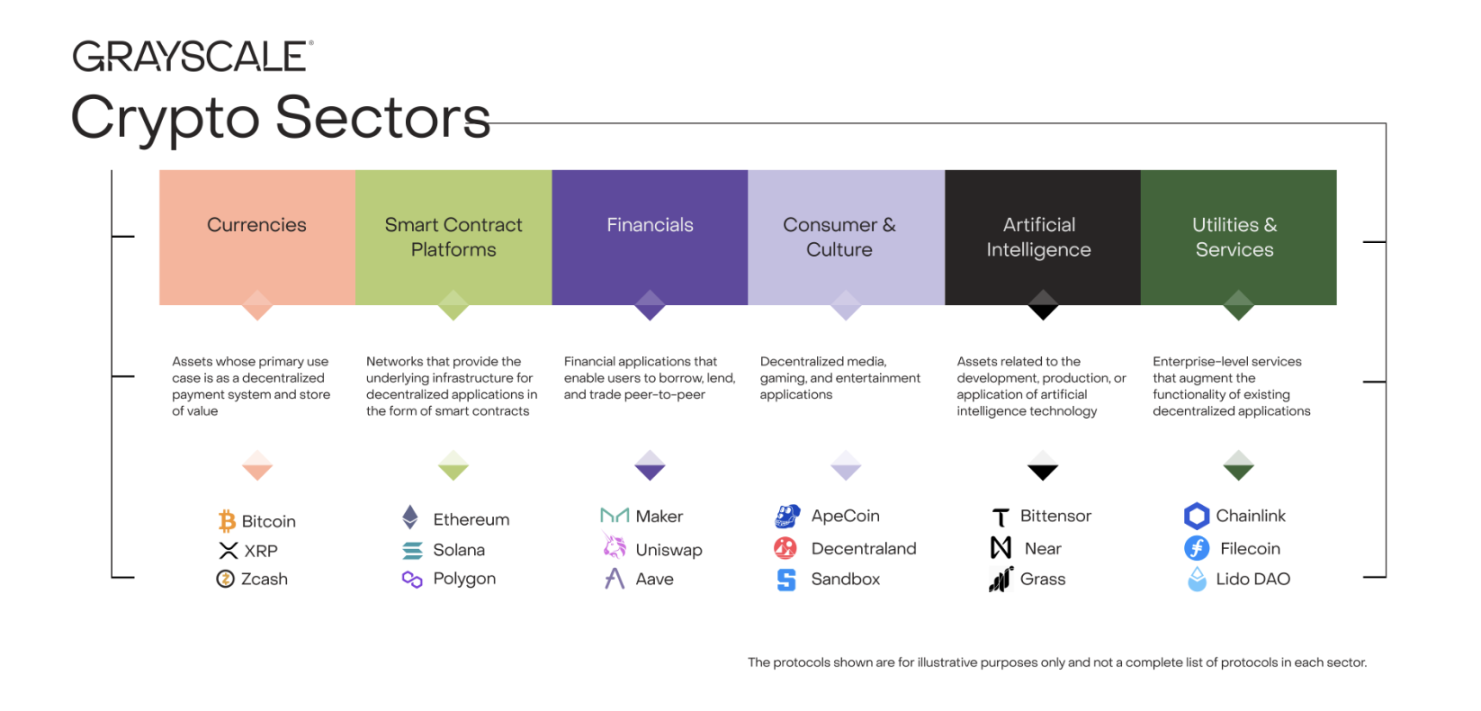
 Figure 1: Cryptocurrency sector framework

Blockchain fundamentals metrics

While blockchains aren't traditional businesses, we can still use analogies to measure their economic activity and financial health. The three core metrics for on-chain activity are user base, transaction volume, and transaction fees. Due to the anonymity of blockchains, analysts often use active addresses (blockchain addresses with at least one transaction) as a proxy for user numbers.

In the third quarter, fundamentals across various cryptocurrency sectors were mixed (see Figure 2). On the negative side, both the "Currency Sector" and the "Smart Contract Platform Sector" saw month-over-month declines in user numbers, transaction volume, and fees. Overall, speculative activity related to meme coins has continued to cool since the first quarter, directly leading to a decline in both trading volume and activity.

One positive signal worth noting is that blockchain application layer fees increased by 28% month-over-month. This growth was primarily driven by a handful of leading high-fee applications, including: (1) Jupiter, a decentralized exchange within the Solana ecosystem; (2) Aave, a leading lending protocol in the crypto space; and (3) Hyperliquid, a leading perpetual swap exchange. On an annualized basis, application layer fee revenue has now exceeded $10 billion. Blockchain is both a digital transaction network and an application development platform; therefore, the growth in application layer fees can be seen as an important signal of increasing blockchain technology adoption.
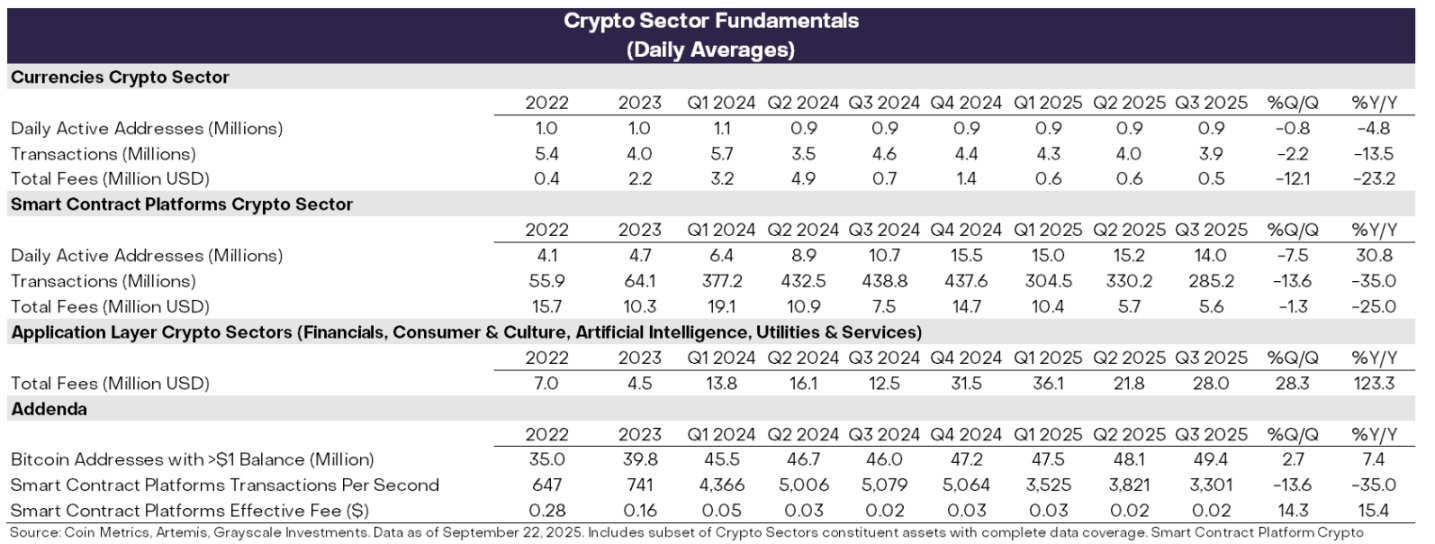
 Figure 2: Mixed fundamentals across cryptocurrency sectors in Q3 2025

Price Performance Tracking

In the second quarter, all six major cryptocurrency sectors experienced positive price returns (see Chart 3). Bitcoin underperformed other market sectors this quarter, a pattern that could be considered an "alt season," but one that differs significantly from previous periods of declining Bitcoin dominance.

The financial sector led gains, primarily benefiting from increased trading volume on centralized exchanges (CEXs). The rise in the smart contract platform sector may be related to the advancement of stablecoin legislation and its implementation. While all sectors achieved positive returns, the AI sector lagged behind other sectors, a trend consistent with the sluggish returns of AI stocks during the same period. The currency sector also underperformed, reflecting the relatively modest gains in Bitcoin prices.
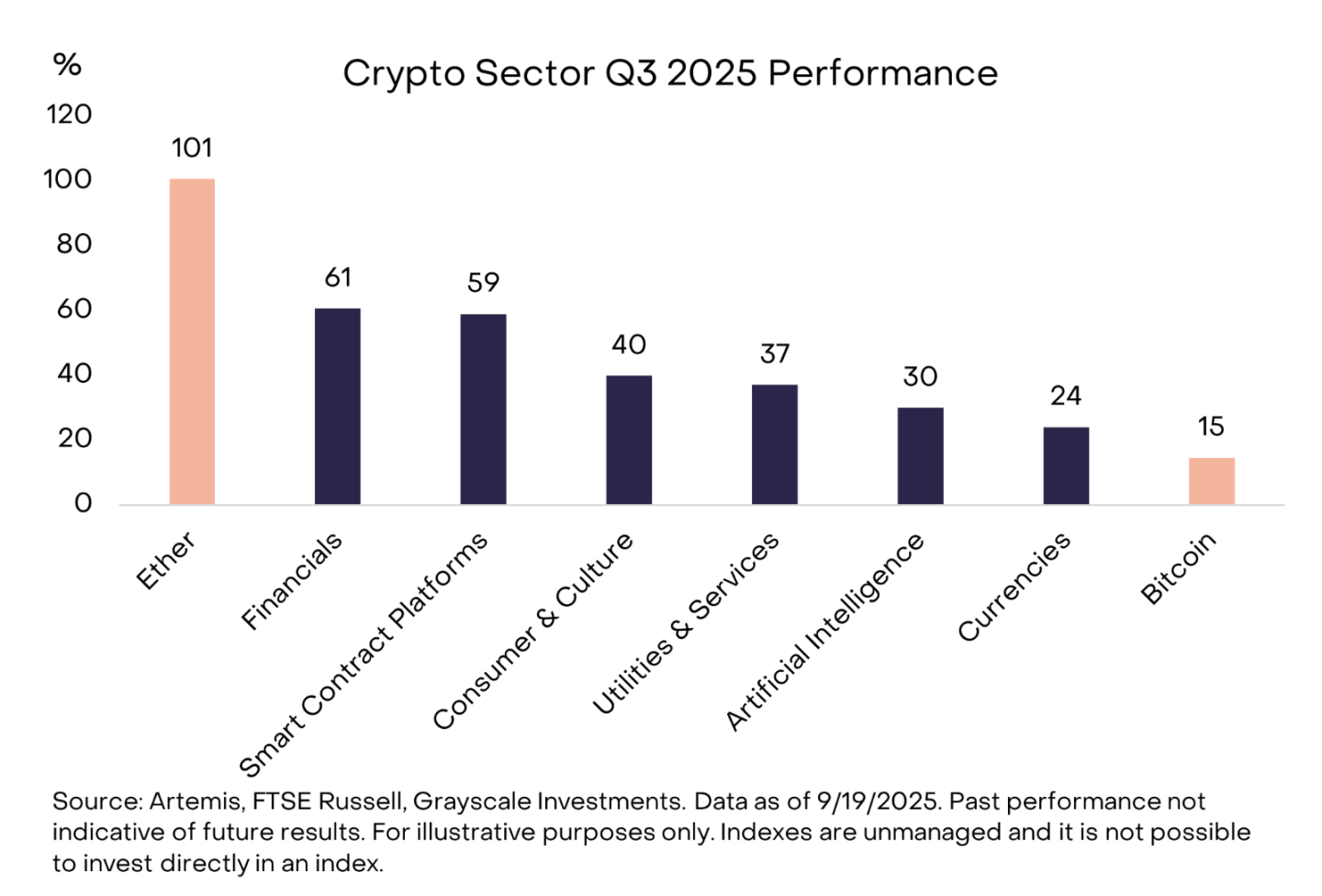
 Chart 3: Bitcoin underperforms other crypto market sectors

The diverse nature of the cryptoasset class means that dominant themes and leading sectors often shift. Figure 4 shows the top 20 tokens by volatility-adjusted price returns within the Crypto Sector Index for Q3. This list includes large-cap tokens with market capitalizations exceeding $10 billion (such as ETH, BNB, SOL, LINK, and AVAX), as well as some small- and mid-cap tokens with market capitalizations below $500 million. In terms of sector distribution, the "Financials" sector (seven assets) and the "Smart Contract Platforms" sector (five assets) dominated the top 20 list this quarter.
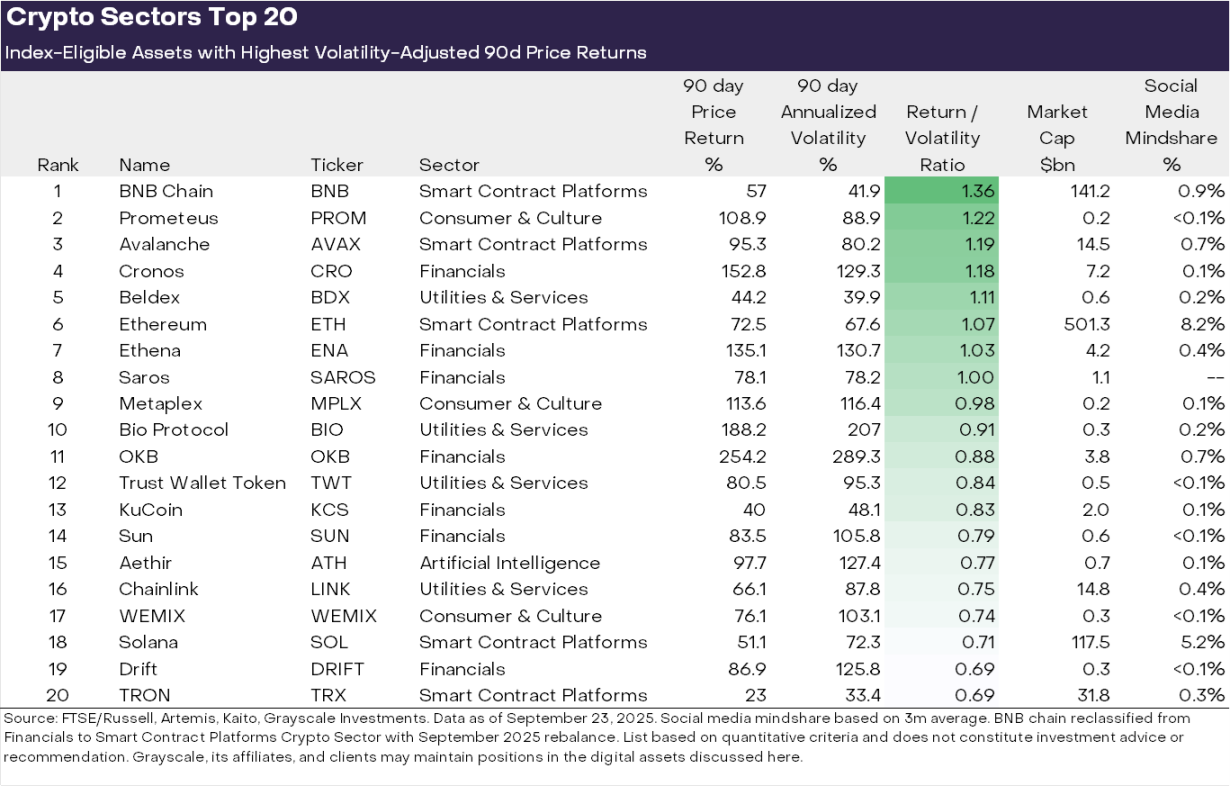
 Chart 4: Top risk-adjusted performers in the cryptocurrency sector

We believe there are three key themes that stand out in the futures market:

The rise of digital asset treasuries (DATs): Last quarter saw a significant increase in the number of digital asset treasuries (DATs), which are publicly listed companies that add crypto assets to their balance sheets, providing crypto exposure to equity investors. Several tokens in this quarter's top 20 (including ETH, SOL, BNB, ENA, and CRO) may have benefited from the launch of new DATs.

Accelerating Stablecoin Adoption: Stablecoin legislation and implementation were another key theme last quarter. On July 18, President Trump signed the GENIUS Act, establishing a comprehensive regulatory framework for the US stablecoin market. Following its passage, stablecoin adoption accelerated significantly, with circulating supply increasing by 16% to over $290 billion (see Chart 5). The direct beneficiaries were smart contract platforms that facilitate stablecoin trading, including ETH, TRX, and AVAX, with AVAX experiencing significant growth in stablecoin trading volume. Stablecoin issuer Ethena also achieved strong price returns, despite its USDe stablecoin not being compliant with the GENIUS Act.
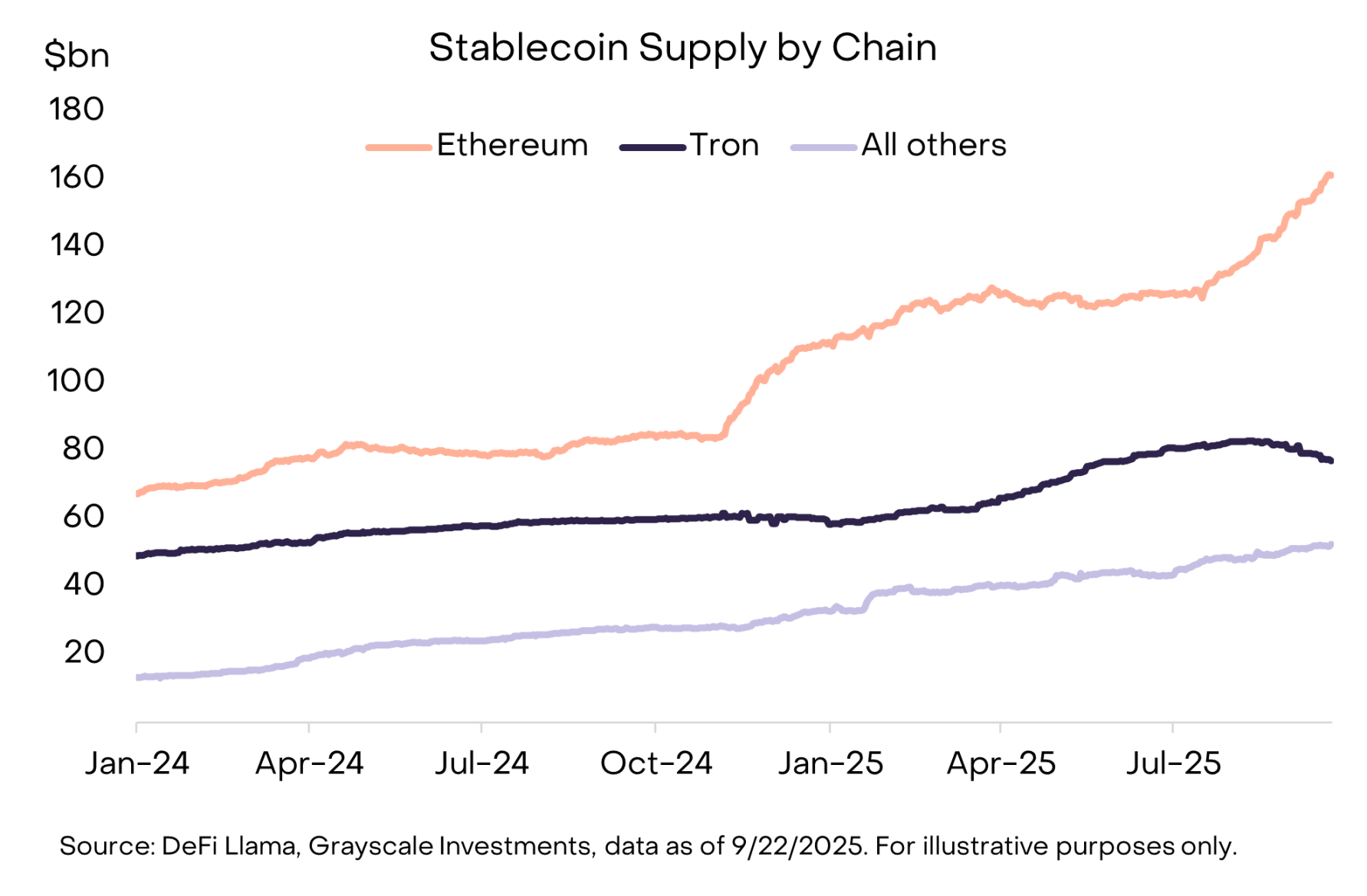
 Chart 5: Stablecoin supply increased this quarter, with the Ethereum ecosystem making a significant contribution

Exchange trading volume rebounded: The third major theme was the active exchange sector. In August, centralized exchange trading volume reached a new monthly high since January (see Chart 6). This trend benefited several assets associated with centralized exchanges, including BNB, CRO, OKB, and KCS, all of which entered the top 20 list this quarter (some of which are also associated with smart contract platforms).

Meanwhile, the decentralized perpetual swaps sector continues to heat up. Hyperliquid, a leading perpetual swaps exchange, saw significant expansion this quarter, ranking among the top three cryptoasset exchanges in terms of fee revenue. Smaller competitor DRIFT, surging in trading volume, successfully entered the top 20 cryptocurrency sector. Another decentralized perpetual swaps protocol, ASTER, launched in mid-September and saw its market capitalization soar from $145 million to $3.4 billion in just one week.
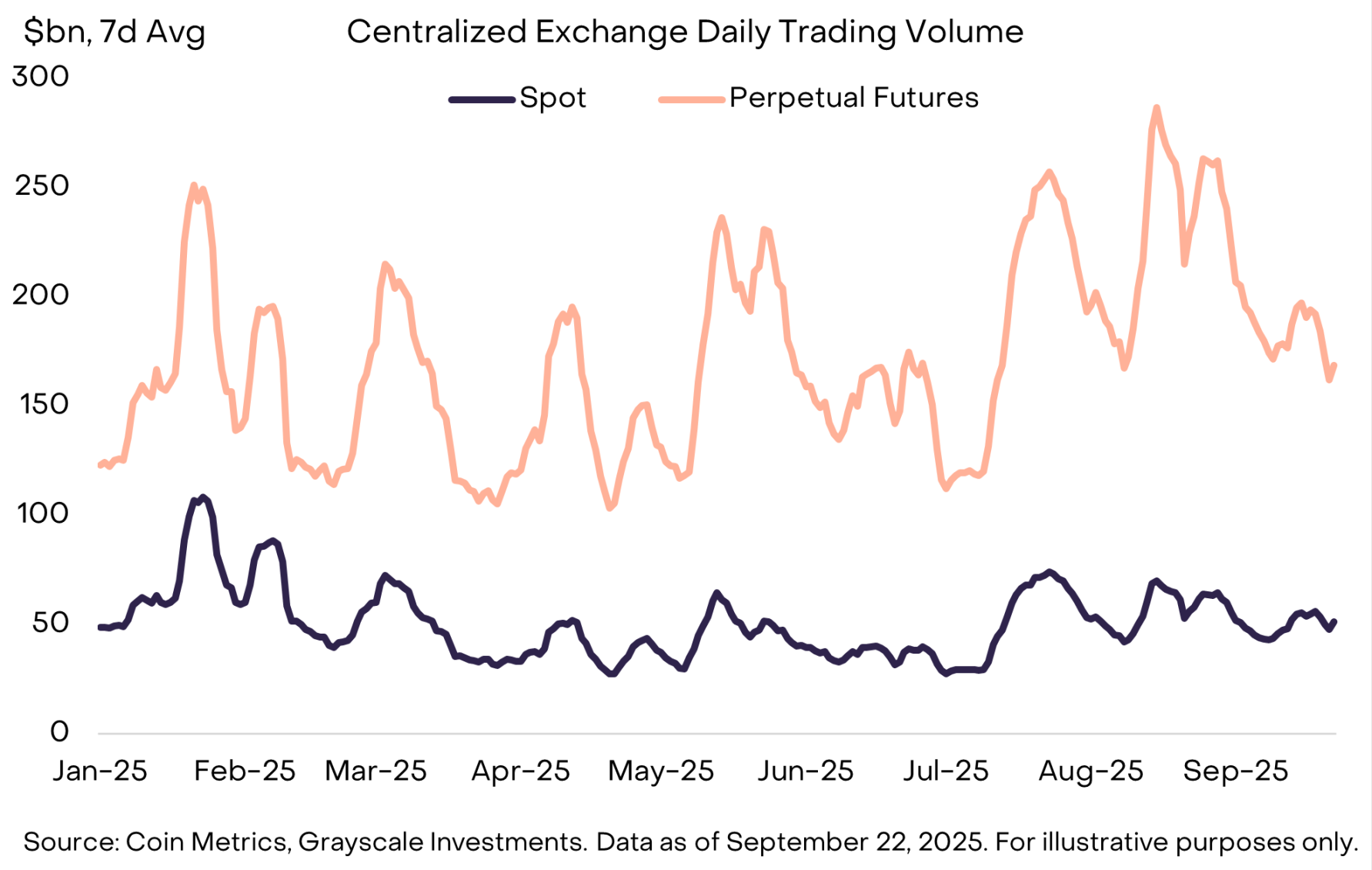
 Chart 6: Perpetual swap trading volume on centralized exchanges hit a new high in August

Fourth Quarter Outlook

In Q4, the drivers of cryptocurrency sector returns are likely to differ from those in Q3. Key potential catalysts include:

First, the relevant U.S. Senate committee has begun advancing legislation on cryptocurrency market structure, following the bipartisan passage of the relevant bill in the House of Representatives in July. This bill will provide a comprehensive financial services regulatory framework for the crypto industry, potentially promoting the deep integration of the crypto market with traditional financial services.

Secondly, the U.S. Securities and Exchange Commission (SEC) has approved universal listing standards for commodity exchange-traded products (ETPs). This move could make more crypto assets available to U.S. investors through ETP structures, further expanding market access.

Finally, the macroeconomic environment is likely to continue evolving. Last week, the Federal Reserve announced a 25 basis point interest rate cut and hinted at two more rate cuts this year. Crypto assets are expected to benefit from this rate cut, as it reduces the opportunity cost of holding non-interest-bearing assets and may increase investor risk appetite. Meanwhile, a weak US labor market, high stock market valuations, and geopolitical uncertainty will be key downside risks for the crypto market in the fourth quarter.


Market Opportunity
SIX Logo
SIX Price(SIX)
$0,00922
$0,00922$0,00922
-10,22%
USD
SIX (SIX) Live Price Chart
Disclaimer: The articles reposted on this site are sourced from public platforms and are provided for informational purposes only. They do not necessarily reflect the views of MEXC. All rights remain with the original authors. If you believe any content infringes on third-party rights, please contact service@support.mexc.com for removal. MEXC makes no guarantees regarding the accuracy, completeness, or timeliness of the content and is not responsible for any actions taken based on the information provided. The content does not constitute financial, legal, or other professional advice, nor should it be considered a recommendation or endorsement by MEXC.

You May Also Like

Tom Lee’s BitMine Hits 7-Month Stock Low as Ethereum Paper Losses Reach $8 Billion

Tom Lee’s BitMine Hits 7-Month Stock Low as Ethereum Paper Losses Reach $8 Billion

The post Tom Lee’s BitMine Hits 7-Month Stock Low as Ethereum Paper Losses Reach $8 Billion appeared on BitcoinEthereumNews.com. In brief Shares of BitMine Immersion
Share
BitcoinEthereumNews2026/02/06 04:47
MYX Finance price surges again as funding rate points to a crash

MYX Finance price surges again as funding rate points to a crash

MYX Finance price went parabolic again as the recent short-squeeze resumed. However, the formation of a double-top pattern and the funding rate point to an eventual crash in the coming days. MYX Finance (MYX) came in the spotlight earlier this…
Share
Crypto.news2025/09/18 02:57
How The ByteDance App Survived Trump And A US Ban

How The ByteDance App Survived Trump And A US Ban

The post How The ByteDance App Survived Trump And A US Ban appeared on BitcoinEthereumNews.com. WASHINGTON, DC – MARCH 13: Participants hold signs in support of TikTok outside the U.S. Capitol Building on March 13, 2024 in Washington, DC. (Photo by Anna Moneymaker/Getty Images) Getty Images From President Trump’s first ban attempt to a near-blackout earlier this year, TikTok’s five-year roller coaster ride looks like it’s finally slowing down now that Trump has unveiled a deal framework to keep the ByteDance app alive in the U.S. A look back at the saga around TikTok starting in 2020, however, shows just how close the app came to being shut out of the US – how it narrowly averted a ban and forced sale that found rare bipartisan backing in Washington. Recapping TikTok’s dramatic five-year battle When I interviewed Brendan Carr back in 2022, for example, the future FCC chairman was already certain at that point that TikTok’s days were numbered. For a litany of perceived sins — everything from the too-cozy relationship of the app’s parent company with China’s ruling regime to the app’s repeated floating of user privacy — Carr was already convinced, at least during his conversation with me, that: “The tide is going out on TikTok.” It was, in fact, one of the few issues that Washington lawmakers seemed to agree on. Even then-President Biden was on board, having resurrected Trump’s aborted TikTok ban from his first term and signed it into law. “It feels different now than it did two years ago at the end of the Trump administration, when concerns were first raised,” Carr told me then, in August of 2022. “I think, like a lot of things in the Trump era, people sort of picked sides on the issue based on the fact that it was Trump.” One thing led to another, though, and it looked like Carr was probably…
Share
BitcoinEthereumNews2025/09/18 07:29