Ripple XRP regulation swings back to Washington as Garlinghouse cites Trump
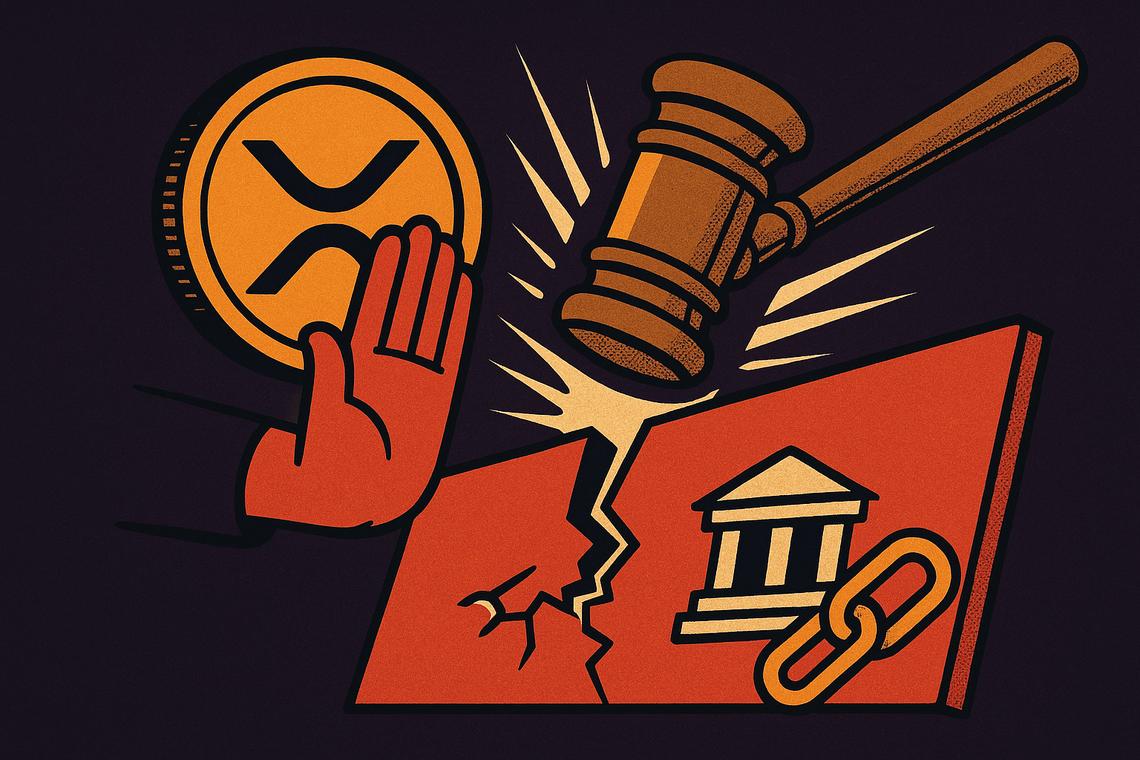
Ripple XRP regulation is back at the center of Washington’s crypto debate after Ripple CEO Brad Garlinghouse argued that the political campaign against the industry has lost momentum. His message was blunt: the anti-crypto push has been beaten back by court decisions, by voters, and by President Donald Trump’s pro-crypto posture.
That claim lands at a moment when crypto policy in the United States is no longer just a fight between regulators and token issuers. Instead, it has become a broader political contest over who gets to shape the rules for digital assets, how far federal oversight should go, and whether companies like Ripple can build in the U.S. without years of legal uncertainty.
Garlinghouse tied that shift to several forces moving at once — court rulings, election results, and Trump’s crypto-friendly stance. For Ripple, those forces are not abstract. They cut straight into the company’s long-running battle over XRP and what the token means under U.S. securities law.
Garlinghouse says the anti-crypto push has lost ground
Garlinghouse said the anti-crypto political campaign has lost ground, framing it as a turning point for the industry after years of pressure from regulators and crypto skeptics in Washington.
He connected that change to legal and political developments, including court rulings, election outcomes, and Donald Trump’s support for crypto policy measures. In his sharpest formulation, Garlinghouse said the so-called anti-crypto camp had been defeated “by the courts, by the voters, and by Trump.”
That line matters because it captures how much the crypto fight has shifted from agency enforcement to electoral politics. The argument from industry leaders is no longer just that regulators went too far. It is that the mood in Washington may be changing in a way that could shape future legislation, agency power, and the treatment of major tokens such as XRP.
In practice, that makes Ripple XRP regulation a proxy for a larger debate about how the U.S. should police digital assets. If political support for crypto keeps widening, then the next phase may depend less on one-off lawsuits and more on broader market-structure rules coming out of Congress.
Ripple’s SEC fight still shapes XRP
Ripple’s legal clash with the U.S. Securities and Exchange Commission remains one of the defining cases in crypto regulation.
The SEC sued Ripple in 2020, alleging that sales of XRP involved an unregistered securities offering. That case quickly became bigger than one company. It turned into a test of how U.S. securities law applies to crypto assets and whether regulators could use enforcement actions to define the market.
In 2023, Judge Analisa Torres ruled that XRP sales on secondary markets were not securities transactions. That was a major moment for Ripple and for the wider industry, even though the ruling did not give the company a total win. The court also found that certain institutional XRP sales violated securities laws.
This split outcome still shapes how investors, lawmakers, and crypto companies talk about Ripple XRP regulation. XRP got a meaningful legal distinction in secondary-market trading, but the case also showed that token sales can be treated differently depending on how and to whom they are sold.
Why the ruling still carries weight for Ripple XRP regulation
The Torres decision gave Ripple a partial legal victory, but it also exposed the limits of case-by-case regulation. A token can move through retail markets one way and institutional channels another, leaving companies to navigate a patchwork of interpretations rather than a clean national framework.
That is why the Ripple case still carries so much influence. It was not just about XRP. It became a window into how uncertain U.S. crypto law remains, especially for firms involved in payments, token distribution, and institutional blockchain products.
Trump, Warren, and the next rules for crypto
The political split over crypto is now clearer.
Trump has taken credit for changing the U.S. government’s approach to digital assets and has backed several crypto-related policy measures mentioned in the debate around Ripple and the wider market. Those include support for the CLARITY Act, the GENIUS Act, and plans tied to a Strategic Bitcoin Reserve.
Among them, the CLARITY Act stands out because it is aimed at building a federal market structure for digital assets. Supporters say it would help define when crypto assets fall under the U.S. Securities and Exchange Commission and when they fall under the Commodity Futures Trading Commission.
For crypto companies, that kind of jurisdictional clarity is not just a legal technicality. It could decide where products are launched, how tokens are listed, and whether firms keep building in the U.S. or shift activity elsewhere.
On the other side of the debate, Senator Elizabeth Warren has continued pressing for tougher oversight. She has argued that stricter rules are needed to address anti-money laundering concerns, illicit finance, and ransomware risks linked to digital assets.
Warren also recently sought information from the Office of the Comptroller of the Currency about crypto-related national trust charters, including one tied to Ripple. She has additionally supported the Digital Asset Anti-Money Laundering Act, which would impose stronger compliance obligations on parts of the crypto ecosystem, including some wallet providers, miners, and validators.
Why the policy fight matters for Ripple and XRP
For Ripple, this is not a side story to its business. It is the business environment.
XRP remains closely tied to the regulatory debate because Ripple’s role in cross-border payments helped put the token in front of regulators in the first place. The SEC lawsuit shaped market views of XRP, and the 2023 court ruling gave the token a legal foothold in one important part of the market.
At the same time, Ripple has continued positioning itself around regulated crypto payments, stablecoin activity, and institutional blockchain services. The company’s argument is straightforward: clearer rules would make it easier for U.S. firms to build payment and blockchain products domestically instead of operating under enforcement-driven uncertainty.
That is the second big reason this matters. The outcome of Ripple XRP regulation could influence much more than one token’s status. It could affect how payment-focused crypto firms, institutional blockchain providers, and digital asset platforms decide where to invest and launch products.
What clearer rules could change
If Congress eventually creates a more defined framework for digital assets, several things could shift at once:
- Token markets could get firmer lines around SEC and CFTC oversight.
- Companies like Ripple could face less uncertainty when expanding regulated payments and blockchain services.
- XRP’s treatment under federal law could become easier to interpret within a broader market structure.
Still, that does not mean the debate is settled. It means the battleground is changing.
A more favorable mood, but not a finished fight
Garlinghouse’s remarks came as some crypto executives have described the current policy climate as more favorable than the previous administration’s approach. Ripple was also a major donor to Fairshake, the crypto-focused super PAC that has backed candidates seen as more open to digital asset legislation.
Even so, political support and market optimism do not automatically erase unresolved legal questions. Even with friendlier rhetoric and more active legislative efforts, the U.S. is still working through a basic issue: how crypto assets should be classified, supervised, and integrated into the financial system.
That leaves Ripple in an unusually visible position. Its court fight helped define one phase of the crypto regulatory era. The next phase may depend less on judges and more on lawmakers — and on whether Washington can turn a noisy political shift into durable rules for XRP, digital assets, and the companies trying to build around them.


You May Also Like

Coinbase: US Crypto Bill Advances Amid Stablecoin Debate

Dogecoin’s Potential Breakout Sparks Market Buzz

The Next Major Crypto Under $1? Cardano (ADA) vs This Emerging Altcoin