SWIFT’s decision to test a blockchain prototype with Consensys (Ethereum) has stirred debate in the crypto space, raising concerns about whether XRP’s role in global finance may be under threat. While Ethereum may offer experimentation, a crypto analyst argues that the XRP Ledger (XRPL) already delivers enterprise-grade performance, compliance features, and real-world adoption that institutions […]SWIFT’s decision to test a blockchain prototype with Consensys (Ethereum) has stirred debate in the crypto space, raising concerns about whether XRP’s role in global finance may be under threat. While Ethereum may offer experimentation, a crypto analyst argues that the XRP Ledger (XRPL) already delivers enterprise-grade performance, compliance features, and real-world adoption that institutions […]

SWIFT’s Blockchain Move Is Positive For Ripple? Why XRP Is Still The Better Option

2025/10/03 06:00
3 min read
For feedback or concerns regarding this content, please contact us at crypto.news@mexc.com

SWIFT’s decision to test a blockchain prototype with Consensys (Ethereum) has stirred debate in the crypto space, raising concerns about whether XRP’s role in global finance may be under threat. While Ethereum may offer experimentation, a crypto analyst argues that the XRP Ledger (XRPL) already delivers enterprise-grade performance, compliance features, and real-world adoption that institutions rely on. 

SWIFT’s Blockchain Partnership Challenges XRP Position

On Tuesday, September 30, crypto market expert Pumpius shared a thread on X social media, unveiling the recent collaboration between SWIFT and Consensys that has triggered panic in the market. Although the partnership is presented as an innovative step, Pumpius argues that it exposes a fundamental weakness within SWIFT. 

According to the analyst, SWIFT has traditionally depended on legacy financial rails and is now attempting to modernize by leveraging Ethereum-based solutions. However, Pumpius points out that Ethereum continues to struggle with scalability, high transaction fees, and centralization concerns. He argues that while SWIFT is aware its legacy rails are deteriorating, adopting a “band-aid fix” is no replacement for core infrastructure. 

Ripple, on the other hand, has already moved beyond the experimental stage. Pumpius notes that the XRPL is designed to process transactions within three to five seconds, at minimal cost, making it far superior in terms of speed and accessibility. Unlike Ethereum prototypes, the analyst stated that Ripple’s solutions are actively in use across international payment corridors, supported by partnerships with over 100 banks, regulators, and major payment providers.

Another major challenge that debates SWIFT’s Ethereum venture is compliance. Pumpius explained that global financial systems demand robust Know Your Customer (KYC) and Anti-Money Laundering (AML) frameworks—areas where blockchain options often face limitations. He highlighted that Ripple addresses these challenges head-on with the integration of the DNA Protocol, a system enabling verifiable digital identities, zero-knowledge proof verification, and on-chain compliance mechanisms that satisfy regulators while preserving user privacy. 

Why XRP Holds The Long-Term Advantage

Upon further review of Pumpius’ analysis, he highlights that XRP’s position is strengthened by fundamentals that remain significantly relevant to institutions. He mentioned that Ripple has gained legal clarity in the US following the resolution of the SEC lawsuit and is also aligned with ISO 20022, the global standard for financial messaging. 

The analyst further pointed to Ripple’s growing momentum, highlighted by the launch of the RLUSD stablecoin with SBI and its ongoing applications for banking licenses. Against this backdrop, he emphasized that institutions do not chase hype but rather adopt infrastructures that reduce costs, boost efficiency, and ensure compliance with regulations. In his view, RippleNet and the XRP Ledger already meet all three requirements, which explains their growing global integration.  

Concluding his report, Pumpius calls SWIFT’s blockchain move a “desperation play,” framing it less as a threat and more as a sign that change is inevitable. He also described the effort as experimental, contrasting it with Ripple’s rollout of solutions while Consensys pushes Ethereum through lobbying efforts. To XRP investors, he stressed that they are holding an asset with the potential to reprice immediately once new financial rails are fully activated.

XRP
Market Opportunity
Movement Logo
Movement Price(MOVE)
$0.02105
$0.02105$0.02105
+0.38%
USD
Movement (MOVE) Live Price Chart
Disclaimer: The articles reposted on this site are sourced from public platforms and are provided for informational purposes only. They do not necessarily reflect the views of MEXC. All rights remain with the original authors. If you believe any content infringes on third-party rights, please contact crypto.news@mexc.com for removal. MEXC makes no guarantees regarding the accuracy, completeness, or timeliness of the content and is not responsible for any actions taken based on the information provided. The content does not constitute financial, legal, or other professional advice, nor should it be considered a recommendation or endorsement by MEXC.

You May Also Like

White House Publishes Trump’s New Strategy Against Cybercrimes
White House Publishes Trump’s New Strategy Against Cybercrimes

Key Takeaways: An executive order that was signed by Donald Trump instructed U.S. agencies to step up efforts to counter network-based frauds and crypto scams in
Share
Crypto Ninjas2026/03/08 00:43
Trump's new DHS pick can't stop embarrassing himself — and he hasn't even started

Trump's new DHS pick can't stop embarrassing himself — and he hasn't even started

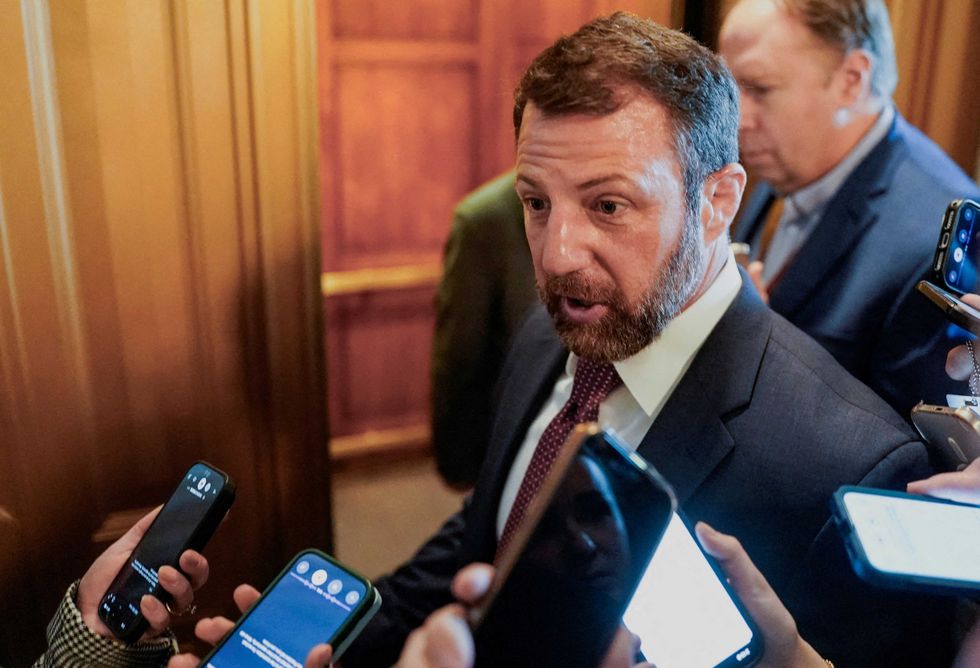
There just might be a second reason — besides the constant fawning praise for Dear Leader — why Donald Trump chose Sen. Markwayne Mullin (R-OK) as his new Secretary
Share
Rawstory2026/03/08 00:16
We’re not being as forward-looking as normal

We’re not being as forward-looking as normal

The post We’re not being as forward-looking as normal appeared on BitcoinEthereumNews.com. Bank of Canada (BoC) Governor Tiff Macklem addressed reporters’ questions, offering insights into the central bank’s monetary policy outlook. His remarks came after the BoC lowered its interest rate by 25 basis points to 2.50%, a move that markets had broadly anticipated. BoC press conference key highlights Wage growth continued to ease. The preferred core inflation measures have been around 3.0%. Underlying inflation is running around 2.5%. Consensus to cut rates was clear. Attention now shifts to how exports perform. There are still some mixed signals on inflation. The Inflation picture hasn’t changed much since January. We’re not being as forward-looking as normal. The Bank of Canada considered holding the overnight rate steady. I have more comfort looking at the upward pressure on CPI. We will be assessing the impact of government announcements on targeted support and support for big projects. Inflationary pressures look somewhat more contained. If risks tilt further we are prepared to take more action. Will take it one meeting at a time. This section below was published at 13:45 GMT to cover the Bank of Canada’s policy announcements and the initial market reaction. In line with market analysts’ expectations, the Bank of Canada (BoC) trimmed its policy rate by 25 basis points, taking it to 2.50% on Wednesday. Investors’ attention will now shift to the usual press conference by Governor Tiff Macklem at 14:30 GMT. BoC policy statement key highlights Rate cut was appropriate given the weaker economy and less upside risk to inflation. On a monthly basis, upward momentum in core inflation seen earlier this year has dissipated. Disruption linked to trade shifts will continue to add costs even as they weigh on economic uncertainties. BoC says it will continue to support economic growth while ensuring inflation remains well controlled. Ottawa’s decision to scrap tariffs…
Share
BitcoinEthereumNews2025/09/18 05:17