TLDR The Massachusetts legislature held its first hearing on a bill to create a Bitcoin reserve. Senator Peter Durant proposed using up to 10 percent of the Commonwealth Stabilization Fund to invest in Bitcoin. The bill would also allow the inclusion of digital assets seized by state authorities into the Bitcoin reserve. No lawmakers on [...] The post Massachusetts Bitcoin Reserve Bill Faces Tepid Response in Hearing appeared first on CoinCentral.TLDR The Massachusetts legislature held its first hearing on a bill to create a Bitcoin reserve. Senator Peter Durant proposed using up to 10 percent of the Commonwealth Stabilization Fund to invest in Bitcoin. The bill would also allow the inclusion of digital assets seized by state authorities into the Bitcoin reserve. No lawmakers on [...] The post Massachusetts Bitcoin Reserve Bill Faces Tepid Response in Hearing appeared first on CoinCentral.

Massachusetts Bitcoin Reserve Bill Faces Tepid Response in Hearing

2025/10/10 04:02
3 min read
For feedback or concerns regarding this content, please contact us at crypto.news@mexc.com

TLDR

  • The Massachusetts legislature held its first hearing on a bill to create a Bitcoin reserve.
  • Senator Peter Durant proposed using up to 10 percent of the Commonwealth Stabilization Fund to invest in Bitcoin.
  • The bill would also allow the inclusion of digital assets seized by state authorities into the Bitcoin reserve.
  • No lawmakers on the Joint Committee on Revenue asked questions or offered feedback during the hearing.
  • Senator Durant stated that the proposal ensures transparency and risk management without mandating any immediate action.

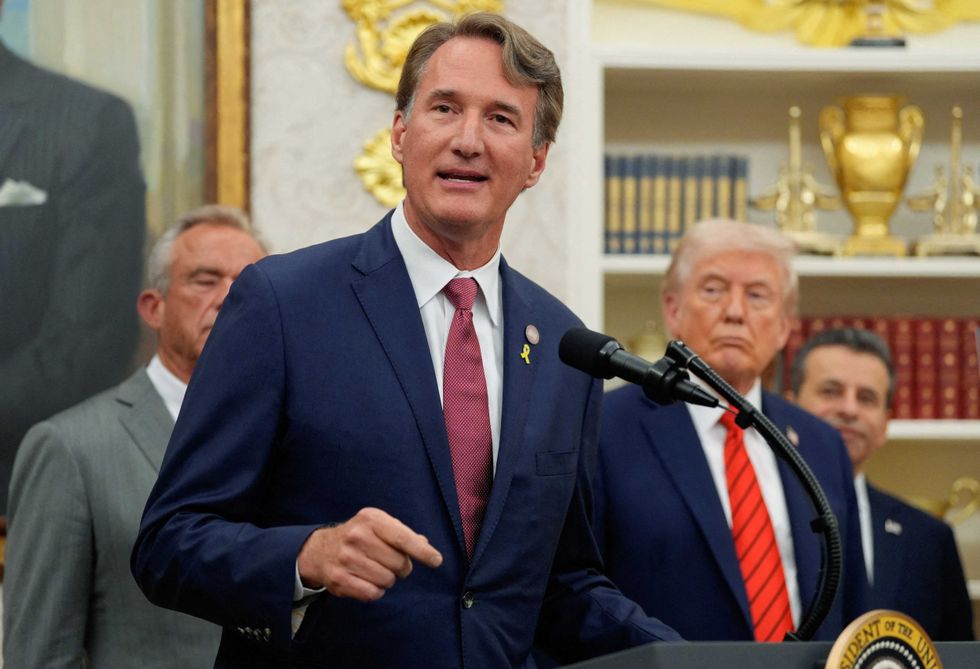
State lawmakers in Massachusetts showed little enthusiasm during the first hearing of a bill proposing a Bitcoin reserve. State Senator Peter Durant presented the legislation to the Joint Committee on Revenue after months of inactivity. Despite outlining the bill’s goals and mechanisms, committee members refrained from asking any follow-up questions.

Bitcoin Reserve Plan Outlined by Senator Durant

Senator Durant introduced a proposal to use up to 10% of the Commonwealth Stabilization Fund to create a Bitcoin reserve. The bill also permits the state to include any Bitcoin or digital assets seized by law enforcement in this reserve. Durant emphasized that the measure provides oversight and flexibility without imposing mandatory action on the treasury.

“This creates a prudent diversification tool,” Durant said while addressing the committee on Tuesday. He added that the plan ensures transparency and responsible risk management across the reserve framework. However, the committee gave no verbal feedback or visible reaction during the session.

Durant clarified that the intent is to open Massachusetts to digital financial innovation while ensuring fiscal security. He pointed to Bitcoin’s long-term value potential and highlighted its use as a hedge against economic uncertainty. Nonetheless, the proposal’s future remains uncertain under a Democratic-controlled legislature.

Legislative Path and Political Climate Pose Challenges

The bill received its first action in eight months, but the reception showed a lack of urgency or firm support. Massachusetts’ Democratic supermajority in both chambers and control of the governorship may limit the bill’s advancement. Durant, a Republican, acknowledged this but remained optimistic about the potential for bipartisan collaboration.

According to Durant, “Lawmakers have been engaged and open during the process,” though Tuesday’s silence suggested a cooler response. The committee now holds a 60-day window to move the Bitcoin reserve bill forward or recommend further review. This window places the next potential milestone around early December.

Dennis Porter, CEO of the Satoshi Action Fund, also testified in favor of Durant’s Bitcoin reserve proposal. He framed the bill as part of a broader national effort and stressed Massachusetts’ financial leadership. He added, “There is no state better suited to lead than the Commonwealth of Massachusetts.”

Broader Push for Bitcoin Reserve Legislation Across U.S.

Massachusetts joins other U.S. states exploring Bitcoin reserve strategies through legislation. Bills have passed in Texas, Arizona, and New Hampshire establishing similar digital asset reserves. Meanwhile, proposals in states such as Wyoming, Montana, and Pennsylvania have stalled or been rejected.

Porter cited Durant’s Bitcoin reserve initiative alongside legislation from other Massachusetts lawmakers, including Representative Christopher Worrell and Senator Barry Finegold. These bills aim to promote fiscal resilience using digital financial tools. He described the trend as bipartisan and aligned with national efforts to encourage innovation.

The federal government has also addressed digital assets under recent executive orders, further signaling regulatory interest. Durant’s bill is one of several attempts to align state policies with broader trends in digital assets.

The post Massachusetts Bitcoin Reserve Bill Faces Tepid Response in Hearing appeared first on CoinCentral.

Disclaimer: The articles reposted on this site are sourced from public platforms and are provided for informational purposes only. They do not necessarily reflect the views of MEXC. All rights remain with the original authors. If you believe any content infringes on third-party rights, please contact crypto.news@mexc.com for removal. MEXC makes no guarantees regarding the accuracy, completeness, or timeliness of the content and is not responsible for any actions taken based on the information provided. The content does not constitute financial, legal, or other professional advice, nor should it be considered a recommendation or endorsement by MEXC.

You May Also Like

XRP’s Billions in Dormant Liquidity Highlight Untapped Payment Potential Across XRPL

XRP’s Billions in Dormant Liquidity Highlight Untapped Payment Potential Across XRPL

The post XRP’s Billions in Dormant Liquidity Highlight Untapped Payment Potential Across XRPL appeared on BitcoinEthereumNews.com. XRP is gaining renewed bullish
Share
BitcoinEthereumNews2026/03/09 08:31
Rising with Purpose: The Professional Excellence of Ayesha Islam Asha

Rising with Purpose: The Professional Excellence of Ayesha Islam Asha

Some individuals quietly rise to prominence by consistently delivering excellence, showing compassion in leadership, and building bridges between knowledge and
Share
Techbullion2026/03/09 08:29
Headwind Helps Best Wallet Token

Headwind Helps Best Wallet Token

The post Headwind Helps Best Wallet Token appeared on BitcoinEthereumNews.com. Google has announced the launch of a new open-source protocol called Agent Payments Protocol (AP2) in partnership with Coinbase, the Ethereum Foundation, and 60 other organizations. This allows AI agents to make payments on behalf of users using various methods such as real-time bank transfers, credit and debit cards, and, most importantly, stablecoins. Let’s explore in detail what this could mean for the broader cryptocurrency markets, and also highlight a presale crypto (Best Wallet Token) that could explode as a result of this development. Google’s Push for Stablecoins Agent Payments Protocol (AP2) uses digital contracts known as ‘Intent Mandates’ and ‘Verifiable Credentials’ to ensure that AI agents undertake only those payments authorized by the user. Mandates, by the way, are cryptographically signed, tamper-proof digital contracts that act as verifiable proof of a user’s instruction. For example, let’s say you instruct an AI agent to never spend more than $200 in a single transaction. This instruction is written into an Intent Mandate, which serves as a digital contract. Now, whenever the AI agent tries to make a payment, it must present this mandate as proof of authorization, which will then be verified via the AP2 protocol. Alongside this, Google has also launched the A2A x402 extension to accelerate support for the Web3 ecosystem. This production-ready solution enables agent-based crypto payments and will help reshape the growth of cryptocurrency integration within the AP2 protocol. Google’s inclusion of stablecoins in AP2 is a massive vote of confidence in dollar-pegged cryptocurrencies and a huge step toward making them a mainstream payment option. This widens stablecoin usage beyond trading and speculation, positioning them at the center of the consumption economy. The recent enactment of the GENIUS Act in the U.S. gives stablecoins more structure and legal support. Imagine paying for things like data crawls, per-task…
Share
BitcoinEthereumNews2025/09/18 01:27