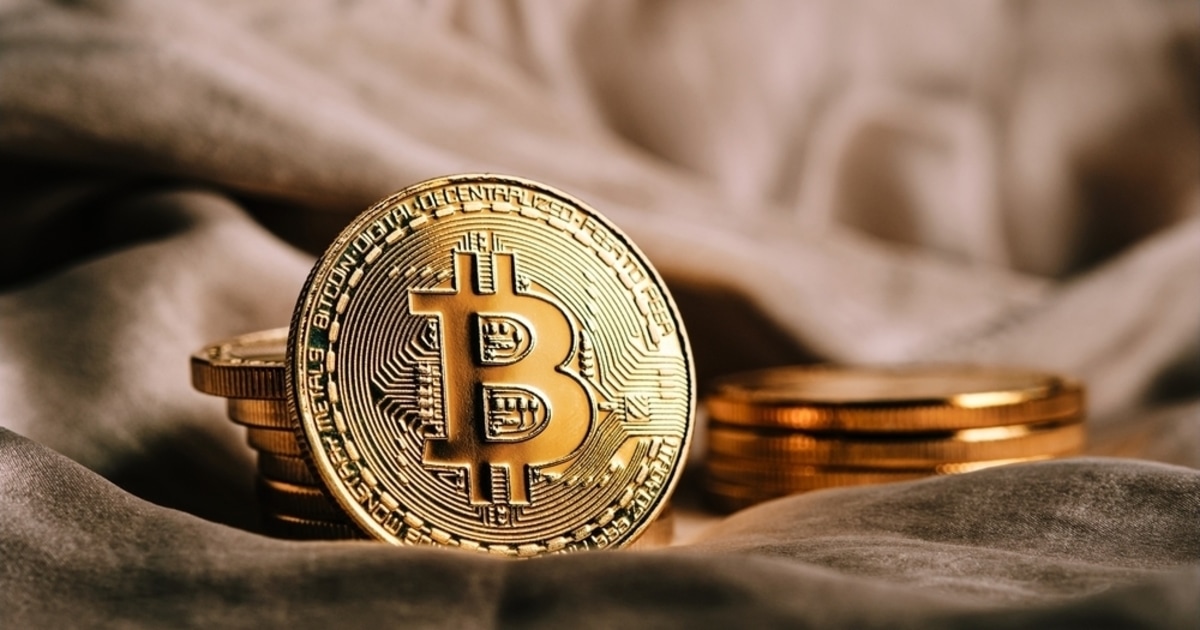
Hyperliquid Dominates 2025 Token Buybacks, Accounting for 46% of $1.4B Spent
Ten projects are shouldering almost the entire token buyback story in 2025, and one of them, Hyperliquid, is doing the heavy lifting. CoinGecko’s recent research shows projects have poured roughly $1.40 billion into buybacks so far this year, but Hyperliquid alone has spent about $644.64 million from its Assistance Fund, nearly 46% of the total. That haul has taken at least 21.36 million HYPE off the market, roughly 2.1% of its supply, and made buybacks one of the hottest talking points in crypto tokenomics this year.
LayerZero’s headline-grabbing repurchase sits in second place. In September, the team announced a $150 million buyback that reclaimed about 50 million ZRO, roughly 5% of its supply, from early investors. The project framed the move as a one-off discretionary purchase rather than the start of a recurring program, so its big number may not signal a new long-term habit.
Buyback Boom in 2025
Pump.fun, meanwhile, has quietly done the third-largest buyback, spending $138.17 million since July and averaging around $40.5 million a month. Pump.fun’s buys have removed a bigger slice of supply than HYPE’s program, though the repurchased PUMP tokens, bought at an average price of $0.0046, were underwater after the market dip on October 10.
Not all programs aim to hoard tokens. On Solana, Raydium has led buyback-and-burn spending, putting about $100.35 million toward RAY repurchases and burns through a program that’s been running since 2022. That steady, programmatic approach looks very different from some of 2025’s splashy, discretionary purchases.
Other buyback-and-burn efforts include Rollbit, Bonk (funded through launchpad earnings), Tron’s Sun ecosystem, and exchange WOO, each taking a portion of repurchased tokens out of circulation rather than holding them in treasuries. Seen another way, smaller programs have actually reclaimed a larger share of their token supplies.
Decentralized exchange GMX has technically bought back the biggest percentage of its supply, about 12.9%, spending $20.86 million to repurchase roughly 1.33 million GMX. Solana launchpad Metaplex has used half its protocol revenue to repurchase about 6.5% of MPLX supply, and Sky Protocol’s programmatic buybacks since February have pulled in roughly 5.35% of supply after spending $78.82 million.
By contrast, big names like Chainlink and Jito have only clawed back a sliver of their supplies so far. Across the board, CoinGecko identified 28 projects with meaningful buyback activity this year. The monthly pace has climbed: projects are averaging about $146 million a month in buyback spending.
The cadence picked up sharply in the second half of the year after an 85% month-on-month rise in July. September’s spike owes a lot to LayerZero’s one-off move; excluding ZRO, September still registered about $168.45 million in buybacks. The first half of October had already seen $88.81 million booked, keeping monthly totals above the first-half average.
Why are Teams Buying Back Tokens?

For some, it’s a straightforward tool to shrink float and show confidence in the project, particularly for tokens criticized for large fully diluted valuations or concentrated early distributions. For others, it’s simply where protocol revenue has been routed, a programmatic choice to return value to holders.
Skeptics warn that buybacks can mask deeper issues or merely shuffle tokens without creating genuine scarcity, while advocates say transparent, recurring programs can align incentives between teams and holders when done right. Whether buybacks will become a standard part of responsible tokenomics or remain a controversial, high-profile tactic is still up for debate.
What’s clear is where the money’s gone: Hyperliquid has defined the narrative so far, a handful of other projects are running steady programs, and a larger group have dipped their toes into repurchases. Expect more scrutiny, more programmatic frameworks, and a lively debate about whether buybacks actually translate into long-term value for token holders.


You May Also Like
Yum! Brands (YUM) Stock Climbs After Taco Bell Crushes Q1 Estimates

PHL inflation could peak at 6.5% in July, average 6% for 2026, economist says