Crypto retail checkouts now have two levers that can move quickly, merchant rails that reduce processing cost, and consumer apps that toggle on crypto buying and spending.
Walmart’s OnePay sits at the intersection of both, as a recent Zero Hash partnership allows the app to support Bitcoin and Ethereum trading, hosted wallets, peer-to-peer transfers, and on-chain deposits and withdrawals if the operator enables those features.
According to the Zero Hash documentation, custody would be with Zero Hash entities, and execution would be supported by an affiliated liquidity services unit. Pricing can include a spread in addition to any platform fee.
The hinge is the decision to enable external transfers since a walled garden model concentrates balances in omnibus wallets. In contrast, an open model moves a portion of daily purchases onto public networks where activity is visible.
OnePay’s distribution channel matters for scale.
Synchrony is rolling out Walmart cards that live inside the OnePay app, which provides a native wallet to later add crypto funding and transfers if that switch is turned on.
According to company materials, Walmart reports broad proximity to U.S. households, which reduces acquisition cost for a payments app tied to retail checkout. The conversion math is straightforward: user eligibility multiplied by enablement, purchase incidence, and average ticket.
If 10 million actives are eligible, half of them have crypto enabled, 1.0 percent buy monthly, and the average ticket is $150, the flow implies about $1.7 to $2.5 million per day of Bitcoin purchases, depending on asset share.
U.S. spot Bitcoin exchange-traded funds regularly record daily net flows in the hundreds of millions, so app-driven buying of that size would be small against an intense ETF session yet persistent and sourced from retail behavior rather than model-based allocators.
The checkout side of the story is already live elsewhere.
According to Shopify and Coinbase, merchants can accept USDC on Base inside Shopify Payments with a protocol for delayed capture, refunds, and receipts that mirrors card operations, which reduces the operational gap between crypto and existing systems.
Users can purchase up to $100,000 per week and send crypto to external wallets. In September, the company added peer-to-peer crypto features, a shift covered by the broader product push alongside fee incentives for PYUSD.
Cash App supports Lightning sends and on-chain transfers within consumer limits. These product choices turn crypto off ramps into two-way rails that can touch the mempool and, in the case of stablecoins, deliver predictable denominations for merchants.
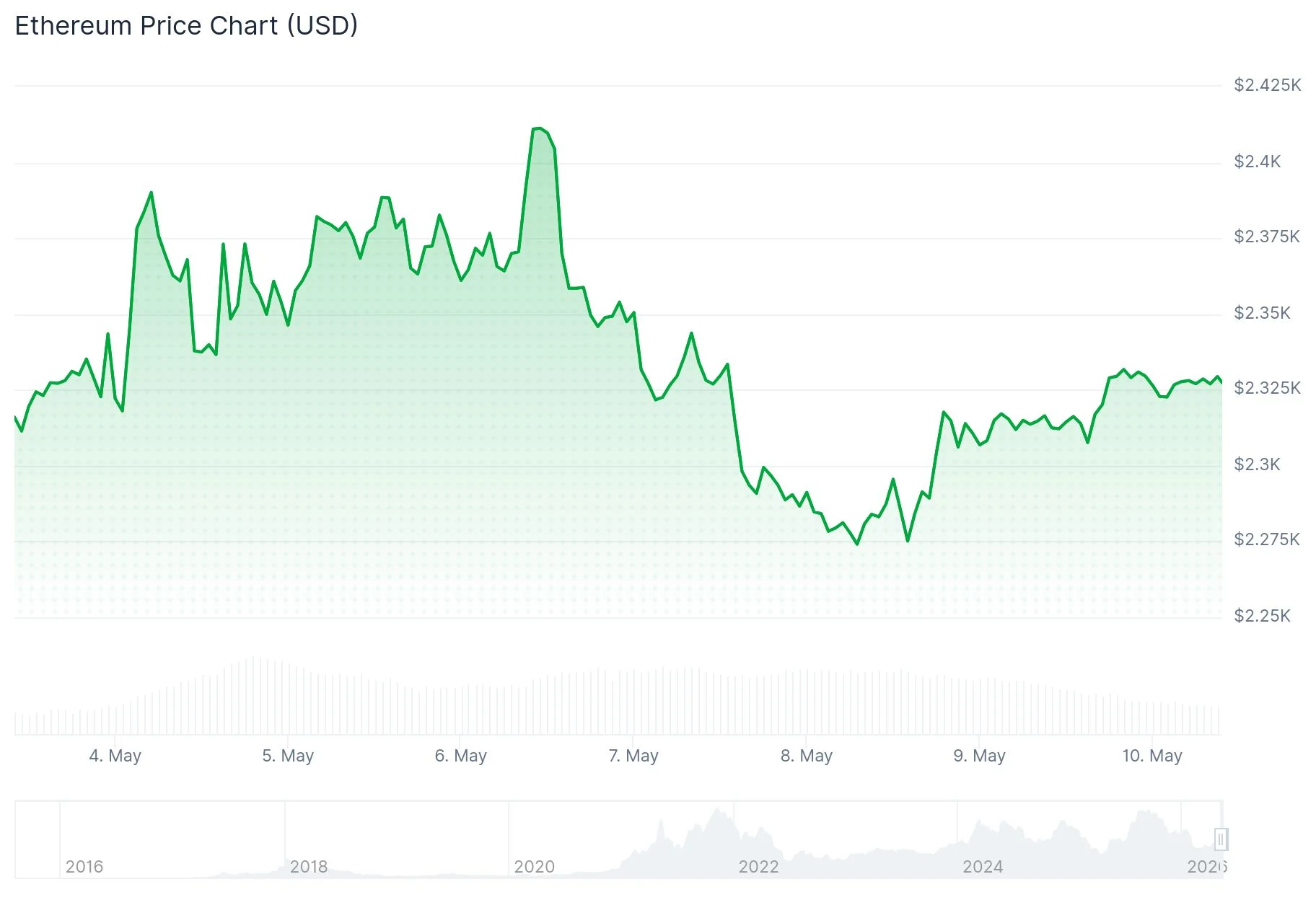
Fee and latency forces are stable enough to frame scenarios. Ethereum’s average transaction fee is about 40 cents, while layer-2 fee ranges for simple sends and swaps sit roughly between 4 and 20 cents, per L2fees dashboards.
Bitcoin’s Lightning network processes payments in subseconds for minimal fees in typical conditions, while on-chain confirmations remain probabilistic around ten minutes with congestion-dependent fees.
This split sets the practical menu for merchants: Lightning for Bitcoin, layer 2 or stablecoin rails for Ethereum ecosystems, and stablecoins for fiat-like denominations.
Steak ’n Shake functions as a live case study for culture and operations. According to company statements around the May 16 Lightning rollout, the chain recorded a quarter-over-quarter same-store sales increase of about 10.7 percent in Q2 and credited Bitcoiners.
Management described a reduction of roughly 50 percent in processing costs versus cards, with a launch-day share of global Bitcoin transactions, as reported by company commentary.
The chain’s communications around Ethereum acceptance are not formalized, which puts the optics of asset choice and the reaction it draws ahead of any technical difference at the register.
The technical question for retailers is not whether Bitcoin or Ethereum can process a checkout payment; it is which configuration reduces refund friction, reconciles in back office systems, and preserves unit economics.
A simple flow model frames how a OnePay launch could interact with ETF-driven price formation and on-chain activity. The table translates user funnel inputs into a daily Bitcoin purchase flow, not as a forecast, but to benchmark against ETF numbers that traders watch daily.
| Eligible actives (U) | Crypto enabled | Monthly buyers | Average ticket | Estimated daily BTC buy (USD m) |
|---|---|---|---|---|
| 5,000,000 | 30% | 0.5% | $75 | 0.19 |
| 5,000,000 | 30% | 1.0% | $150 | 0.75 |
| 10,000,000 | 50% | 1.0% | $150 | 2.50 |
| 10,000,000 | 50% | 2.0% | $150 | 5.00 |
| 20,000,000 | 50% | 1.0% | $150 | 5.00 |
| 20,000,000 | 50% | 2.0% | $150 | 10.00 |
Whether those purchases register on-chain depends on the product scope. Zero Hash materials show partner platforms can enable on-chain deposits and withdrawals. If OnePay launches without that feature, market makers still need to acquire crypto to fill customer orders, but balances remain off-chain within omnibus custody.
If on-chain transfers are enabled, withdrawals to self-custody and exchanges would add address activity and mempool load for Bitcoin and route to layer 2 or bridge paths for Ethereum, which links retail buying to visible network metrics.
Pricing disclosure will influence repeat behavior.
According to Zero Hash, affiliated liquidity services can quote prices with a spread over reference rates, and platforms can charge their own fee.
Retail cohorts respond to round-trip cost, so a lower all-in spread, combined with checkout rewards, tends to raise purchase incidence, while a higher spread depresses repeat tickets.
KYC tiers and rolling limits will be set per trade ceilings, yet in practice, the meaningful constraints on network liquidity are the presence of external transfers, supported networks such as Lightning, and specific layer 2s, and any waiting periods tied to card or ACH funding.
The merchant readiness story is now less about raw throughput and more about operations. According to Shopify, the framework covers refund flows, partial captures, and receipt state, which are the controls that card systems have built over decades.
For Bitcoin, Lightning solves the confirmation time for the payment event, and merchants can sweep to cold storage or settlement accounts later. For Ethereum, layer 2 and stablecoins reduce the fee and latency profile to a consumer-acceptable range, and stablecoins avoid price conversion steps for fiat-denominated businesses.
The retail optics will continue to influence which asset sits at the counter.
Bitcoin brings community energy that converts into earned media and early adoption, reflected in the Steak ’n Shake quarter. Ethereum brings a builder base and optionality through layer-2 networks that can be cheaper or faster than its base layer.
Stablecoins present a third path that frames the decision as internet dollars rather than asset tribal choice. The practical outcome for most large retailers is a mix, Lightning where Bitcoin spenders are active, stablecoins for ecommerce and kiosks, and selective support for Ethereum routed over layer 2 to meet fee and latency goals.
The question in the headline concerns product toggles and back office design rather than technology availability. Today, checkout can use Lightning, USDC on Base inside Shopify Payments, or comparable rails.
OnePay has a pathway to offer trading, custody, and transfers through Zero Hash if it turns those settings on, supported by its trust company approval. ETFs remain the benchmark to compare retail app flow against when judging price impact.
The setting that decides whether retail demand reaches public networks is external transfers at launch.
Source: https://cryptoslate.com/bitcoin-payments-are-getting-real-retail-rails-could-push-2m-a-day-on-chain/