Gold Drops 5% as Silver Shortage Exposes Physical Metal Crisis
These wild swings expose fundamental problems in physical precious metals—problems that tokenized alternatives are designed to solve.
Record Highs Meet Sharp Corrections
Gold reached 45 new all-time highs in 2025, crossing $4,000 on October 8 and peaking at $4,379 on October 17. Then came Monday’s crash—gold fell to $4,115, down 5.57% in a single day.
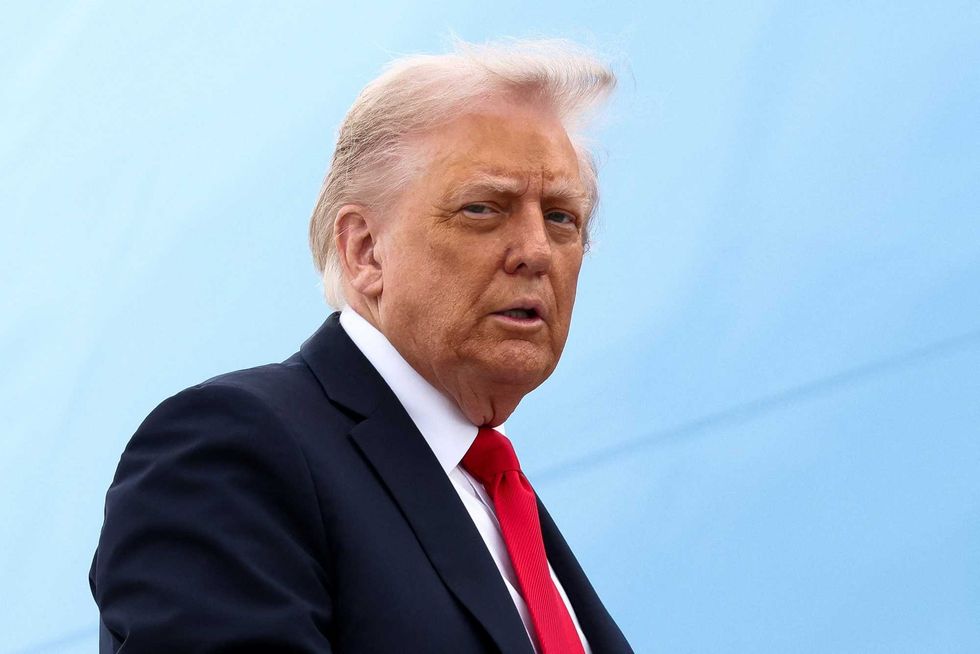
President Trump’s comments about China tariffs triggered the drop. When he suggested a “full-scale” tariff would be unsustainable, safe-haven demand evaporated. The announcement of U.S.-China talks further eased tensions, sending investors away from gold.
But the metal remains up over 50% year-to-date. The correction doesn’t erase structural issues that drove prices higher—it highlights the volatility investors face with physical metals. When sentiment shifts, traditional markets react violently.
Silver demonstrated even more dramatic moves. Prices surged over 80% in London’s wholesale markets through October, hitting $54 before pulling back. On October 21, silver dropped 4% as precious metals sold off together.
Physical Silver Crisis Intensifies
While gold corrected on trade news, silver faces genuine supply emergencies. The Royal Mint issued warnings about delivery delays in mid-October as retail orders overwhelmed production capacity.
London’s institutional silver market experienced what traders call historic squeeze conditions. Inventories in London vaults hit critically low levels, forcing emergency air shipments from New York. Fresh stock is being flown across the Atlantic just to keep markets functioning.
Silver lease rates—the cost to borrow silver for short trades—rocketed above 33%. Under normal conditions, these rates hover near zero. The spike signals a market starved of physical metal, with short sellers scrambling to buy back ounces they can’t deliver.
The shortage spread beyond London. Indian mutual funds temporarily suspended new subscriptions to silver ETFs because they couldn’t acquire enough physical metal. Shanghai inventories declined as Chinese buyers competed for limited supply.
Royal Mint spokesperson Carly O’Donnell described demand as “exceptional” both in the UK and internationally. Physical silver deliveries now face 4-8 week delays for standard orders—similar to the gold problems from earlier this year, but worse.
Why Physical Markets Struggle
The correction in gold and shortage in silver expose the same underlying problem: physical precious metals markets weren’t built for 2025’s realities.
Paper gold still trades at a 15,000:1 ratio versus physical reserves in London. When prices swing 5% in a day based on Trump’s comments, this leverage creates chaos. Investors holding paper contracts face counterparty risk, while those wanting physical metal face weeks of delays.
Silver’s industrial demand makes shortages more acute. Solar panel production alone is expected to consume 20% of silver supply by 2030. Electronics manufacturing needs steady supplies. When retail investors rush in during a price surge, there simply isn’t enough refined silver to meet all demands simultaneously.
The 2025 market experienced seven consecutive years where annual silver production failed to meet combined industrial and investment demand. Physical inventories in London plunged 33% since 2021. Mine supply decreased 7% since 2016. These aren’t temporary disruptions—they’re structural deficits.
Tokenized Metals Solve Volatility Problems
Gold’s 5% single-day drop and silver’s physical shortages make blockchain-based alternatives more appealing. Tokenized metals eliminate delivery risk while maintaining price exposure.
Tether Gold (XAUT) provides instant settlement regardless of market volatility. When gold dropped from $4,379 to $4,115, XAUT holders could exit positions in seconds rather than waiting weeks for physical delivery. The token maintains its market capitalization around $1 billion while operating across six blockchains.
PAX Gold (PAXG) offers regulated exposure with monthly audits. Over 74,000 holders trade roughly $67 million daily without touching physical metal. When prices swing dramatically, liquidity remains available 24/7.
Platforms like Stabull facilitate efficient trading between tokenized precious metals and stablecoins, using price oracles to maintain accurate valuations even during volatile sessions like October 21’s sell-off.
The advantages become clear during crisis moments. Physical silver buyers face 4-8 week delays and sky-high premiums. Tokenized silver trades instantly at spot prices with minimal spreads. No vault logistics, no shipping costs, no wondering if your metal will arrive.
Institutional Adoption Accelerates
The RWA market reached $34 billion in October 2025, with projections hitting $50 billion by year-end. Major institutions aren’t deterred by precious metals volatility—they’re building infrastructure to handle it better.
BlackRock’s BUIDL fund holds nearly $3 billion in tokenized treasuries, proving blockchain-based assets can handle institutional scale. Goldman Sachs announced production-ready tokenization products for U.S. and European markets. Traditional finance sees the writing on the wall.
Tether’s $200 million raise for a gold treasury company shows major players betting on tokenized commodities. The partnership with Antalpha aims to build global vault networks where investors can exchange tokens for physical bars—combining blockchain speed with traditional security.
During October’s volatility, tokenized asset infrastructure proved its value. While physical markets experienced delivery chaos, digital tokens settled instantly. When gold dropped 5% in a day, holders could rebalance portfolios immediately rather than waiting weeks for refinery processing.
Market Evolution Continues
Gold’s correction to $4,115 doesn’t change the factors that drove it above $4,000. Central banks bought over 1,000 tonnes in 2023. Geopolitical tensions persist. Economic uncertainty remains. The metal is still up over 50% year-to-date despite Monday’s drop.
Silver’s 70% surge through October demonstrates supply-demand fundamentals that won’t resolve quickly. Industrial demand continues growing. Mine production can’t increase fast enough. The Royal Mint warning about delays shows these aren’t temporary issues.
The gap between paper trading and physical delivery keeps widening. Traditional markets price metals based on sentiment and futures contracts. But when someone actually wants the metal, delivery takes weeks or months. This disconnect creates opportunities for blockchain solutions.
Tokenized precious metals backed by audited reserves offer price exposure without delivery risk. When gold crashes 5% on trade news, digital holders can react instantly. When silver shortages cause 8-week delays, token holders trade immediately at transparent prices.
Digital Infrastructure for Volatile Markets
October 2025 proved that precious metals markets face two distinct problems: price volatility and physical delivery failure. Traditional systems handle neither well.
Gold’s swing from $4,379 to $4,115 in days shows how sentiment-driven these markets remain. Silver’s critical shortages expose infrastructure that can’t meet demand surges. Both problems point toward the same solution.
Tokenized metals provide instant settlement, transparent pricing, and 24/7 liquidity. With RWA markets approaching $50 billion and major institutions investing heavily, digital alternatives aren’t replacing physical markets—they’re becoming the essential infrastructure that lets modern investors navigate volatility and shortages that traditional systems can’t handle.
The correction reminds us precious metals remain volatile. The shortages prove physical delivery is broken. Together, they explain why tokenization is rapidly becoming the standard for how serious investors access gold and silver exposure in 2025.


You May Also Like
Expert says Trump is desperate to steal the midterms — but can't

US-Iran conflict disrupts Strait of Hormuz, crude oil prices soar 30%