Russian lawmaker Igor Antropenko has submitted legislation to recognize crypto as marital property, subject to division during divorce proceedings, thereby addressing the risks to property rights created by the unclear legal status of digital assets. According to a local report, the draft federal law proposes amendments to Articles 34 and 36 of Russia’s Family Code, stipulating that digital currency acquired during marriage would be considered joint property while crypto obtained before marriage or through gratuitous transactions would remain individual property. The proposal has been sent to Prime Minister Mikhail Mishustin and Central Bank Chairwoman Elvira Nabiullina for review.Central Bank Chairwoman Elvira Nabiullina. | Source: Bloomberg Antropenko, a member of the State Duma Committee on Industry and Trade from United Russia, noted that an increasing number of Russian citizens are using digital currency for investment and savings amid economic digitalization. The explanatory note argues that the lack of regulation creates “the risk of infringement of the property rights of one of the spouses, which is inconsistent with the provisions of Article 19 of the Constitution of the Russian Federation.” The proposal comes as Russia recorded $376.3 billion in cryptocurrency transactions between July 2024 and June 2025, overtaking all European markets according to Chainalysis. South Korea Already Recognizes Crypto in Divorce Proceedings South Korea established a precedent in October 2024 by enabling married couples to divide cryptocurrency holdings during divorce proceedings. Legal firm IPG Legal confirmed the nation’s law now recognizes both tangible and intangible assets, including cryptocurrencies, as marital property under Article 839-2 of the Korean Civil Act. The provision allows either spouse to request division of assets acquired during marriage upon divorce, reinforcing a 2018 Supreme Court ruling that classified virtual assets as property. Spouses can request fact-finding investigations through courts if they suspect their partners hold undisclosed crypto assets. Blockchain technology makes cryptocurrency tracking more straightforward than traditional cash assets, as blockchain records provide transparent transaction ledgers that individuals cannot hide or delete. Couples can choose to liquidate crypto holdings before dividing them or split tokens directly. At that time, a New York case exemplified these challenges when a woman discovered her husband’s hidden Bitcoin holdings during divorce proceedings. She employed a forensic accountant who uncovered 12 BTC, worth approximately $500,000, stored in an undisclosed wallet. Russia’s Crypto Adoption Surge Amid Regulatory Push Russia’s surge in crypto adoption has been driven by institutional use, the expansion of DeFi, and an increased reliance on stablecoins for cross-border transactions. Large-scale transfers exceeding $10 million increased by 86% during the measured period, nearly double the 44% growth observed in the rest of Europe.Source: Chainalysis The ruble-pegged stablecoin A7A5, despite Western sanctions, became the world’s largest non-U.S. dollar stablecoin by market capitalization, reaching $500 million in early October. DeFi activity in Russia increased eightfold in early 2025 before stabilizing at three and a half times the mid-2023 baseline. In September, lawmaker Yevgeny Masharov proposed creating a national crypto bank to bring informal crypto transactions into the regulated sector and increase federal revenues. The country plans to launch its central bank digital currency nationwide on September 1, 2026, following parliamentary approval in July. However, illegal and quasi-legal crypto mining is costing Russia millions of dollars annually in electricity costs and lost tax revenue. Experts believe almost 140,000 Bitcoin and altcoin mining farms operate in Russia, with the lion’s share remaining underground to avoid commercial electricity rates that consume up to 80% of profits. Recent arrests have included an Omsk employee who accepted a $6,270 bribe to allow miners to steal power, and a St. Petersburg operator who has bypassed electricity meters since 2018, resulting in a loss of $6.3 million to the gridRussian lawmaker Igor Antropenko has submitted legislation to recognize crypto as marital property, subject to division during divorce proceedings, thereby addressing the risks to property rights created by the unclear legal status of digital assets. According to a local report, the draft federal law proposes amendments to Articles 34 and 36 of Russia’s Family Code, stipulating that digital currency acquired during marriage would be considered joint property while crypto obtained before marriage or through gratuitous transactions would remain individual property. The proposal has been sent to Prime Minister Mikhail Mishustin and Central Bank Chairwoman Elvira Nabiullina for review.Central Bank Chairwoman Elvira Nabiullina. | Source: Bloomberg Antropenko, a member of the State Duma Committee on Industry and Trade from United Russia, noted that an increasing number of Russian citizens are using digital currency for investment and savings amid economic digitalization. The explanatory note argues that the lack of regulation creates “the risk of infringement of the property rights of one of the spouses, which is inconsistent with the provisions of Article 19 of the Constitution of the Russian Federation.” The proposal comes as Russia recorded $376.3 billion in cryptocurrency transactions between July 2024 and June 2025, overtaking all European markets according to Chainalysis. South Korea Already Recognizes Crypto in Divorce Proceedings South Korea established a precedent in October 2024 by enabling married couples to divide cryptocurrency holdings during divorce proceedings. Legal firm IPG Legal confirmed the nation’s law now recognizes both tangible and intangible assets, including cryptocurrencies, as marital property under Article 839-2 of the Korean Civil Act. The provision allows either spouse to request division of assets acquired during marriage upon divorce, reinforcing a 2018 Supreme Court ruling that classified virtual assets as property. Spouses can request fact-finding investigations through courts if they suspect their partners hold undisclosed crypto assets. Blockchain technology makes cryptocurrency tracking more straightforward than traditional cash assets, as blockchain records provide transparent transaction ledgers that individuals cannot hide or delete. Couples can choose to liquidate crypto holdings before dividing them or split tokens directly. At that time, a New York case exemplified these challenges when a woman discovered her husband’s hidden Bitcoin holdings during divorce proceedings. She employed a forensic accountant who uncovered 12 BTC, worth approximately $500,000, stored in an undisclosed wallet. Russia’s Crypto Adoption Surge Amid Regulatory Push Russia’s surge in crypto adoption has been driven by institutional use, the expansion of DeFi, and an increased reliance on stablecoins for cross-border transactions. Large-scale transfers exceeding $10 million increased by 86% during the measured period, nearly double the 44% growth observed in the rest of Europe.Source: Chainalysis The ruble-pegged stablecoin A7A5, despite Western sanctions, became the world’s largest non-U.S. dollar stablecoin by market capitalization, reaching $500 million in early October. DeFi activity in Russia increased eightfold in early 2025 before stabilizing at three and a half times the mid-2023 baseline. In September, lawmaker Yevgeny Masharov proposed creating a national crypto bank to bring informal crypto transactions into the regulated sector and increase federal revenues. The country plans to launch its central bank digital currency nationwide on September 1, 2026, following parliamentary approval in July. However, illegal and quasi-legal crypto mining is costing Russia millions of dollars annually in electricity costs and lost tax revenue. Experts believe almost 140,000 Bitcoin and altcoin mining farms operate in Russia, with the lion’s share remaining underground to avoid commercial electricity rates that consume up to 80% of profits. Recent arrests have included an Omsk employee who accepted a $6,270 bribe to allow miners to steal power, and a St. Petersburg operator who has bypassed electricity meters since 2018, resulting in a loss of $6.3 million to the grid

Russia Proposes Making Crypto Part of Divorce Settlements in New Law

2025/10/22 18:58
4 min read
For feedback or concerns regarding this content, please contact us at crypto.news@mexc.com

Russian lawmaker Igor Antropenko has submitted legislation to recognize crypto as marital property, subject to division during divorce proceedings, thereby addressing the risks to property rights created by the unclear legal status of digital assets.

According to a local report, the draft federal law proposes amendments to Articles 34 and 36 of Russia’s Family Code, stipulating that digital currency acquired during marriage would be considered joint property while crypto obtained before marriage or through gratuitous transactions would remain individual property.

The proposal has been sent to Prime Minister Mikhail Mishustin and Central Bank Chairwoman Elvira Nabiullina for review.
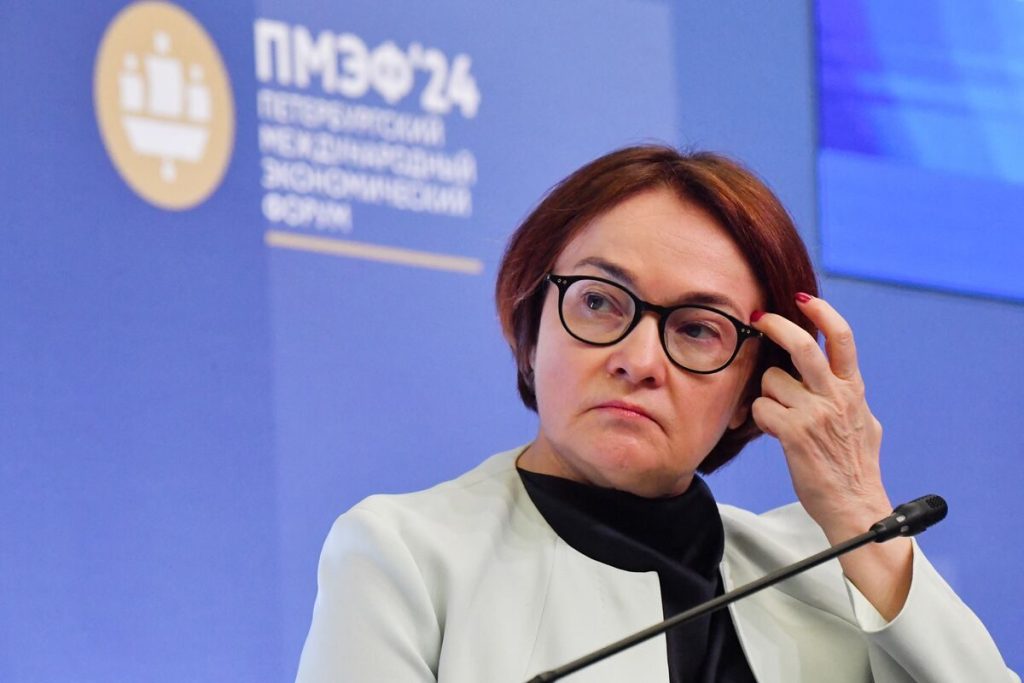
Russia Proposes Making Crypto Part of Divorce Settlements in New LawCentral Bank Chairwoman Elvira Nabiullina. | Source: Bloomberg

Antropenko, a member of the State Duma Committee on Industry and Trade from United Russia, noted that an increasing number of Russian citizens are using digital currency for investment and savings amid economic digitalization.

The explanatory note argues that the lack of regulation creates “the risk of infringement of the property rights of one of the spouses, which is inconsistent with the provisions of Article 19 of the Constitution of the Russian Federation.”

The proposal comes as Russia recorded $376.3 billion in cryptocurrency transactions between July 2024 and June 2025, overtaking all European markets according to Chainalysis.

South Korea Already Recognizes Crypto in Divorce Proceedings

South Korea established a precedent in October 2024 by enabling married couples to divide cryptocurrency holdings during divorce proceedings.

Legal firm IPG Legal confirmed the nation’s law now recognizes both tangible and intangible assets, including cryptocurrencies, as marital property under Article 839-2 of the Korean Civil Act.

The provision allows either spouse to request division of assets acquired during marriage upon divorce, reinforcing a 2018 Supreme Court ruling that classified virtual assets as property.

Spouses can request fact-finding investigations through courts if they suspect their partners hold undisclosed crypto assets.

Blockchain technology makes cryptocurrency tracking more straightforward than traditional cash assets, as blockchain records provide transparent transaction ledgers that individuals cannot hide or delete.

Couples can choose to liquidate crypto holdings before dividing them or split tokens directly.

At that time, a New York case exemplified these challenges when a woman discovered her husband’s hidden Bitcoin holdings during divorce proceedings.

She employed a forensic accountant who uncovered 12 BTC, worth approximately $500,000, stored in an undisclosed wallet.

Russia’s Crypto Adoption Surge Amid Regulatory Push

Russia’s surge in crypto adoption has been driven by institutional use, the expansion of DeFi, and an increased reliance on stablecoins for cross-border transactions.

Large-scale transfers exceeding $10 million increased by 86% during the measured period, nearly double the 44% growth observed in the rest of Europe.

Russia Proposes Making Crypto Part of Divorce Settlements in New LawSource: Chainalysis

The ruble-pegged stablecoin A7A5, despite Western sanctions, became the world’s largest non-U.S. dollar stablecoin by market capitalization, reaching $500 million in early October.

DeFi activity in Russia increased eightfold in early 2025 before stabilizing at three and a half times the mid-2023 baseline.

In September, lawmaker Yevgeny Masharov proposed creating a national crypto bank to bring informal crypto transactions into the regulated sector and increase federal revenues.

The country plans to launch its central bank digital currency nationwide on September 1, 2026, following parliamentary approval in July.

However, illegal and quasi-legal crypto mining is costing Russia millions of dollars annually in electricity costs and lost tax revenue.

Experts believe almost 140,000 Bitcoin and altcoin mining farms operate in Russia, with the lion’s share remaining underground to avoid commercial electricity rates that consume up to 80% of profits.

Recent arrests have included an Omsk employee who accepted a $6,270 bribe to allow miners to steal power, and a St. Petersburg operator who has bypassed electricity meters since 2018, resulting in a loss of $6.3 million to the grid.


Disclaimer: The articles reposted on this site are sourced from public platforms and are provided for informational purposes only. They do not necessarily reflect the views of MEXC. All rights remain with the original authors. If you believe any content infringes on third-party rights, please contact crypto.news@mexc.com for removal. MEXC makes no guarantees regarding the accuracy, completeness, or timeliness of the content and is not responsible for any actions taken based on the information provided. The content does not constitute financial, legal, or other professional advice, nor should it be considered a recommendation or endorsement by MEXC.

You May Also Like

The Channel Factories We’ve Been Waiting For

The Channel Factories We’ve Been Waiting For

The post The Channel Factories We’ve Been Waiting For appeared on BitcoinEthereumNews.com. Visions of future technology are often prescient about the broad strokes while flubbing the details. The tablets in “2001: A Space Odyssey” do indeed look like iPads, but you never see the astronauts paying for subscriptions or wasting hours on Candy Crush.  Channel factories are one vision that arose early in the history of the Lightning Network to address some challenges that Lightning has faced from the beginning. Despite having grown to become Bitcoin’s most successful layer-2 scaling solution, with instant and low-fee payments, Lightning’s scale is limited by its reliance on payment channels. Although Lightning shifts most transactions off-chain, each payment channel still requires an on-chain transaction to open and (usually) another to close. As adoption grows, pressure on the blockchain grows with it. The need for a more scalable approach to managing channels is clear. Channel factories were supposed to meet this need, but where are they? In 2025, subnetworks are emerging that revive the impetus of channel factories with some new details that vastly increase their potential. They are natively interoperable with Lightning and achieve greater scale by allowing a group of participants to open a shared multisig UTXO and create multiple bilateral channels, which reduces the number of on-chain transactions and improves capital efficiency. Achieving greater scale by reducing complexity, Ark and Spark perform the same function as traditional channel factories with new designs and additional capabilities based on shared UTXOs.  Channel Factories 101 Channel factories have been around since the inception of Lightning. A factory is a multiparty contract where multiple users (not just two, as in a Dryja-Poon channel) cooperatively lock funds in a single multisig UTXO. They can open, close and update channels off-chain without updating the blockchain for each operation. Only when participants leave or the factory dissolves is an on-chain transaction…
Share
BitcoinEthereumNews2025/09/18 00:09
Stablecoins firm as Mastercard enables stablecoin settlement

Stablecoins firm as Mastercard enables stablecoin settlement

The post Stablecoins firm as Mastercard enables stablecoin settlement appeared on BitcoinEthereumNews.com. What Mastercard’s Crypto Partner Program is and how it
Share
BitcoinEthereumNews2026/03/12 10:44
South Africa launches HIV vaccine trial

South Africa launches HIV vaccine trial

South Africa HIV vaccine trial efforts are advancing after researchers launched the first locally developed HIV vaccine study on the continent.   South Africa expands
Share
Furtherafrica2026/03/12 09:30