South Korean Central Bank Urged Banks to Issue Stablecoins Instead of Private Companies
- The BOK has warned of the risks of stablecoins and called on banks to lead the introduction of digital currency.
- The regulator called depreciation and loss of trust the main factors in favor of choosing traditional banks as stablecoin issuers.
- The central bank also defined the conditions for launching the digital won.
The Bank of Korea (BOK) has published a report stating that private issuers of stablecoins do not have a sufficient level of trust to ensure the stability of the national currency in digital form.
The regulator highlighted the risks of depreciation — the loss of the link between stablecoins and the underlying asset — and suggested that traditional banks should play a key role in launching such products.
In the document, the central bank emphasized: “the currency does not function thanks to technology, but thanks to trust,” questioning the claim that blockchain alone can guarantee stability.
BOK recalled the collapse of the Terra/LUNA ecosystem, when “the algorithm that promised to maintain ‘1 coin = $1’ collapsed in a few days,” causing investors to lose money.
Analysts noted that even large stablecoins remain vulnerable: during the bankruptcy of Silicon Valley Bank in 2023, USDC fell to $0.88, and “many companies were forced to switch to crisis response mode.”
The risks are considered to be especially critical for stablecoins denominated in non-dollar currencies, even when it comes to currencies with a high reserve status, such as the euro.
The report stressed that technology must go hand in hand with regulatory soundness, as the “harmony of innovation and trust” is a key challenge in the digital currency market.
The BOK highlighted three main aspects:
- The potential and role of stablecoins: stablecoins can expand financial infrastructure, but “trust in the instruments is critical”
- Regulation and governance: “regulatory frameworks, security, reserves, and control mechanisms are important” to ensure that the 1:1 promise to the national currency is fulfilled
- Integration with payment systems: in the “digital money era,” digital assets should work “alongside traditional finance,” not outside it
In September 2025, BDACS, in partnership with Woori Bank, launched the country’s first fully regulated stablecoin, KRW1. It operates on the Avalanche blockchain, which has been recognized by the government for its “reliability in public sector applications.”
The regulator noted the need for a high level of responsibility of issuers:
Therefore, the BOK proposes a phased implementation:
- At the first stage, only banks will issue stablecoins
- Gradual expansion to the private sector
This is in line with the development of government projects, including Project Hangang, a test of deposit tokens by banks on the central bank’s blockchain.
Political forces support this course, in particular, in July, the ruling and opposition parties of South Korea prepared alternative draft laws on regulating stablecoins.
At the same time, the Bank of Korea has recognized the strategic importance of stablecoins, but believes that:
- Private issuers cannot guarantee stability
- Successful stablecoins should be based on banking trust and strict regulation
- Digital currency should be part of the national financial system, not an alternative to it
Earlier, we wrote that in South Korea, foreign tourists can withdraw cash from USDT via cryptomates.


You May Also Like

The CLARITY Act Is Closer Than Ever to a Senate Vote — Here’s What’s Standing in the Way
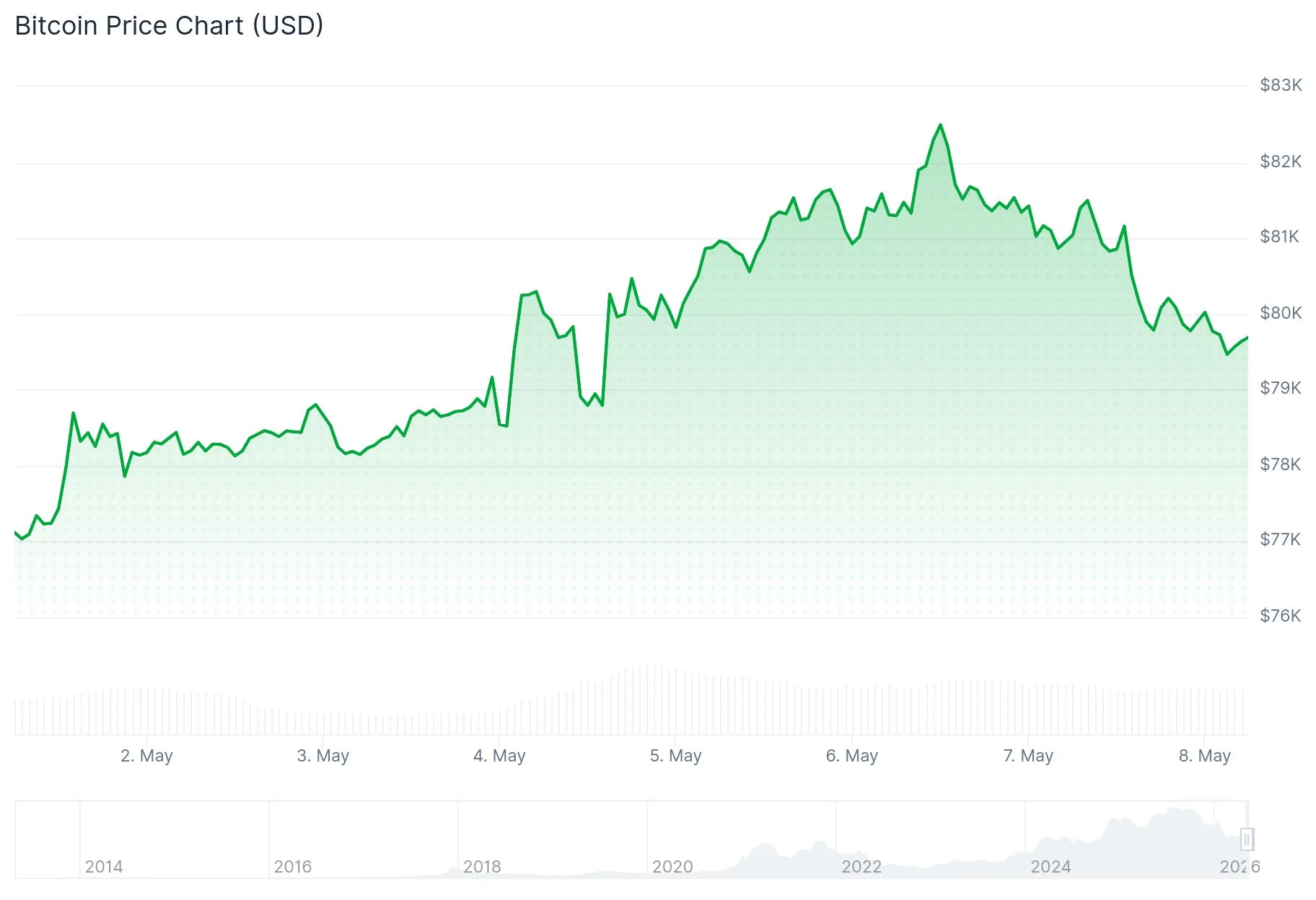
Bitcoin (BTC) Slips Under $80K: Critical Support Zones After $82.8K Rejection