The European Commission is advancing proposals to shift direct supervisory authority over crypto exchanges, stock exchanges, and clearing houses to the European Securities and Markets Authority (ESMA), according to the Financial Times. The move aims to eliminate regulatory fragmentation across the EU’s 27 member states and strengthen the bloc’s capital markets union. Under the plan, ESMA would assume oversight of “the most significant cross-border entities,” including crypto asset service providers currently regulated under individual national authorities through the Markets in Crypto-Assets (MiCA) framework. The initiative has gained backing from ECB President Christine Lagarde and her predecessor, Mario Draghi, who highlighted centralized supervision as essential for European competitiveness against the U.S.European Central Bank President Christine Lagarde, at the European Central Bank Governors’ Meeting, Frankfurt | Source: Al Majalla Fragmentation Undermines Market Efficiency The current system has created significant inefficiencies, according to ESMA chair Verena Ross. National regulators across all 27 member states had to build separate crypto supervision frameworks, a process she described as duplicative and costly. “It clearly takes a lot of effort from us and the national supervisors to achieve alignment,” Ross told the Financial Times. “Specific new resources had to be built up 27 times, once in each member state, which could have been done more efficiently at a European level.“ ESMA’s July peer review of Malta’s Financial Services Authority exposed these inconsistencies. While acknowledging adequate staffing, the review found Malta only “partially met expectations” in authorizing crypto asset service providers, with material issues left unaddressed during approval stages. The Paris-based authority emphasized that consistent application of MiCA is essential for standardizing how crypto firms are licensed and supervised throughout the bloc. Divided Support Among Member States Germany’s government under Chancellor Friedrich Merz has recently signaled openness to centralized oversight after long opposing it. France remains a strong backer, with Bank of France Governor François Villeroy de Galhau warning that the current passporting system risks regulatory loopholes and uneven oversight. “This framework would benefit from much stricter regulation of the multi-issuance of the same stablecoin within and outside the European Union, to reduce arbitrage risks in times of stress,” he said in October. Meanwhile, smaller financial centers are resisting the shift. Luxembourg Finance Minister Gilles Roth said his country prefers “supervisory convergence rather than creating a costly and ineffective centralized model.” Malta has explicitly rejected expanded ESMA powers, with its Financial Services Authority warning that centralization would introduce bureaucratic layers that would hinder competitiveness during a period when the EU is striving to enhance its global position. Ireland and Luxembourg similarly fear the move could disadvantage their national financial sectors, remaining skeptical that EU regulators would act in the best interests of smaller nations. Exchange groups and industry lobbies have raised concerns about higher compliance costs. “Expanding Esma’s supervisory responsibilities would mean higher fees paid by the industry,” said Marin Capelle, policy adviser at Efama, the fund industry lobby. Broader Capital Markets Integration The commission is expected to present its “markets integration package” in December. Beyond crypto exchanges, ESMA would also gain binding dispute resolution powers between national supervisors overseeing large asset managers, though it would not directly supervise them. The initiative forms part of a broader effort to complete the EU’s capital markets union. The current landscape, with dozens of national and regional regulators and hundreds of trading institutions, raises costs for cross-border trades, a significant obstacle for startups scaling in Europe rather than the U.S. Ross emphasized the need for capital markets to support the EU’s long-term goals. “This would provide a key impetus towards having a capital market in Europe that is more integrated and globally competitive,” she said. ESMA will begin overseeing the consolidation of equity and bond prices, alongside ESG ratings, from 2026 onward. Cryptocurrency oversight would extend the regulator’s authority as Europe pushes for tighter market integrationThe European Commission is advancing proposals to shift direct supervisory authority over crypto exchanges, stock exchanges, and clearing houses to the European Securities and Markets Authority (ESMA), according to the Financial Times. The move aims to eliminate regulatory fragmentation across the EU’s 27 member states and strengthen the bloc’s capital markets union. Under the plan, ESMA would assume oversight of “the most significant cross-border entities,” including crypto asset service providers currently regulated under individual national authorities through the Markets in Crypto-Assets (MiCA) framework. The initiative has gained backing from ECB President Christine Lagarde and her predecessor, Mario Draghi, who highlighted centralized supervision as essential for European competitiveness against the U.S.European Central Bank President Christine Lagarde, at the European Central Bank Governors’ Meeting, Frankfurt | Source: Al Majalla Fragmentation Undermines Market Efficiency The current system has created significant inefficiencies, according to ESMA chair Verena Ross. National regulators across all 27 member states had to build separate crypto supervision frameworks, a process she described as duplicative and costly. “It clearly takes a lot of effort from us and the national supervisors to achieve alignment,” Ross told the Financial Times. “Specific new resources had to be built up 27 times, once in each member state, which could have been done more efficiently at a European level.“ ESMA’s July peer review of Malta’s Financial Services Authority exposed these inconsistencies. While acknowledging adequate staffing, the review found Malta only “partially met expectations” in authorizing crypto asset service providers, with material issues left unaddressed during approval stages. The Paris-based authority emphasized that consistent application of MiCA is essential for standardizing how crypto firms are licensed and supervised throughout the bloc. Divided Support Among Member States Germany’s government under Chancellor Friedrich Merz has recently signaled openness to centralized oversight after long opposing it. France remains a strong backer, with Bank of France Governor François Villeroy de Galhau warning that the current passporting system risks regulatory loopholes and uneven oversight. “This framework would benefit from much stricter regulation of the multi-issuance of the same stablecoin within and outside the European Union, to reduce arbitrage risks in times of stress,” he said in October. Meanwhile, smaller financial centers are resisting the shift. Luxembourg Finance Minister Gilles Roth said his country prefers “supervisory convergence rather than creating a costly and ineffective centralized model.” Malta has explicitly rejected expanded ESMA powers, with its Financial Services Authority warning that centralization would introduce bureaucratic layers that would hinder competitiveness during a period when the EU is striving to enhance its global position. Ireland and Luxembourg similarly fear the move could disadvantage their national financial sectors, remaining skeptical that EU regulators would act in the best interests of smaller nations. Exchange groups and industry lobbies have raised concerns about higher compliance costs. “Expanding Esma’s supervisory responsibilities would mean higher fees paid by the industry,” said Marin Capelle, policy adviser at Efama, the fund industry lobby. Broader Capital Markets Integration The commission is expected to present its “markets integration package” in December. Beyond crypto exchanges, ESMA would also gain binding dispute resolution powers between national supervisors overseeing large asset managers, though it would not directly supervise them. The initiative forms part of a broader effort to complete the EU’s capital markets union. The current landscape, with dozens of national and regional regulators and hundreds of trading institutions, raises costs for cross-border trades, a significant obstacle for startups scaling in Europe rather than the U.S. Ross emphasized the need for capital markets to support the EU’s long-term goals. “This would provide a key impetus towards having a capital market in Europe that is more integrated and globally competitive,” she said. ESMA will begin overseeing the consolidation of equity and bond prices, alongside ESG ratings, from 2026 onward. Cryptocurrency oversight would extend the regulator’s authority as Europe pushes for tighter market integration

EU Plans to Give ESMA Direct Power Over Crypto Exchanges

2025/11/04 00:19
4 min read
For feedback or concerns regarding this content, please contact us at crypto.news@mexc.com

The European Commission is advancing proposals to shift direct supervisory authority over crypto exchanges, stock exchanges, and clearing houses to the European Securities and Markets Authority (ESMA), according to the Financial Times.

The move aims to eliminate regulatory fragmentation across the EU’s 27 member states and strengthen the bloc’s capital markets union.

Under the plan, ESMA would assume oversight of “the most significant cross-border entities,” including crypto asset service providers currently regulated under individual national authorities through the Markets in Crypto-Assets (MiCA) framework.

The initiative has gained backing from ECB President Christine Lagarde and her predecessor, Mario Draghi, who highlighted centralized supervision as essential for European competitiveness against the U.S.
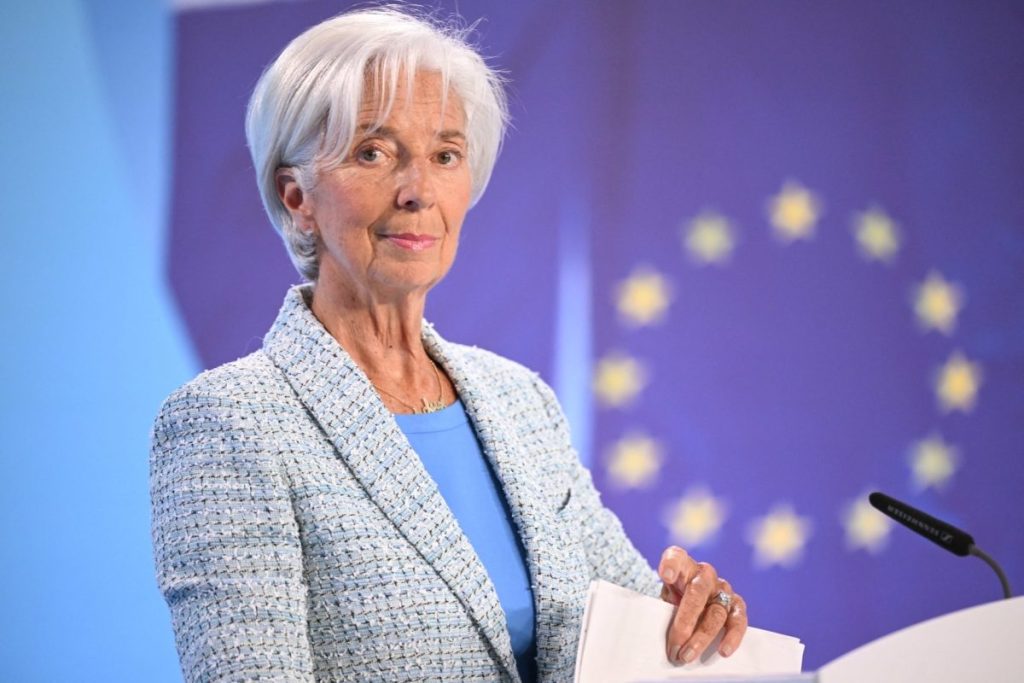
European Central Bank President Christine Lagarde, at the European Central Bank Governors’ Meeting, Frankfurt | Source: Al Majalla

Fragmentation Undermines Market Efficiency

The current system has created significant inefficiencies, according to ESMA chair Verena Ross.

National regulators across all 27 member states had to build separate crypto supervision frameworks, a process she described as duplicative and costly.

It clearly takes a lot of effort from us and the national supervisors to achieve alignment,” Ross told the Financial Times.

Specific new resources had to be built up 27 times, once in each member state, which could have been done more efficiently at a European level.

ESMA’s July peer review of Malta’s Financial Services Authority exposed these inconsistencies.

While acknowledging adequate staffing, the review found Malta only “partially met expectations” in authorizing crypto asset service providers, with material issues left unaddressed during approval stages.

The Paris-based authority emphasized that consistent application of MiCA is essential for standardizing how crypto firms are licensed and supervised throughout the bloc.

Divided Support Among Member States

Germany’s government under Chancellor Friedrich Merz has recently signaled openness to centralized oversight after long opposing it.

France remains a strong backer, with Bank of France Governor François Villeroy de Galhau warning that the current passporting system risks regulatory loopholes and uneven oversight.

This framework would benefit from much stricter regulation of the multi-issuance of the same stablecoin within and outside the European Union, to reduce arbitrage risks in times of stress,” he said in October.

Meanwhile, smaller financial centers are resisting the shift.

Luxembourg Finance Minister Gilles Roth said his country prefers “supervisory convergence rather than creating a costly and ineffective centralized model.

Malta has explicitly rejected expanded ESMA powers, with its Financial Services Authority warning that centralization would introduce bureaucratic layers that would hinder competitiveness during a period when the EU is striving to enhance its global position.

Ireland and Luxembourg similarly fear the move could disadvantage their national financial sectors, remaining skeptical that EU regulators would act in the best interests of smaller nations.

Exchange groups and industry lobbies have raised concerns about higher compliance costs.

Expanding Esma’s supervisory responsibilities would mean higher fees paid by the industry,” said Marin Capelle, policy adviser at Efama, the fund industry lobby.

Broader Capital Markets Integration

The commission is expected to present its “markets integration package” in December.

Beyond crypto exchanges, ESMA would also gain binding dispute resolution powers between national supervisors overseeing large asset managers, though it would not directly supervise them.

The initiative forms part of a broader effort to complete the EU’s capital markets union.

The current landscape, with dozens of national and regional regulators and hundreds of trading institutions, raises costs for cross-border trades, a significant obstacle for startups scaling in Europe rather than the U.S.

Ross emphasized the need for capital markets to support the EU’s long-term goals. “This would provide a key impetus towards having a capital market in Europe that is more integrated and globally competitive,” she said.

ESMA will begin overseeing the consolidation of equity and bond prices, alongside ESG ratings, from 2026 onward. Cryptocurrency oversight would extend the regulator’s authority as Europe pushes for tighter market integration.


Disclaimer: The articles reposted on this site are sourced from public platforms and are provided for informational purposes only. They do not necessarily reflect the views of MEXC. All rights remain with the original authors. If you believe any content infringes on third-party rights, please contact crypto.news@mexc.com for removal. MEXC makes no guarantees regarding the accuracy, completeness, or timeliness of the content and is not responsible for any actions taken based on the information provided. The content does not constitute financial, legal, or other professional advice, nor should it be considered a recommendation or endorsement by MEXC.

You May Also Like

CME Group to Launch Solana and XRP Futures Options

CME Group to Launch Solana and XRP Futures Options

The post CME Group to Launch Solana and XRP Futures Options appeared on BitcoinEthereumNews.com. An announcement was made by CME Group, the largest derivatives exchanger worldwide, revealed that it would introduce options for Solana and XRP futures. It is the latest addition to CME crypto derivatives as institutions and retail investors increase their demand for Solana and XRP. CME Expands Crypto Offerings With Solana and XRP Options Launch According to a press release, the launch is scheduled for October 13, 2025, pending regulatory approval. The new products will allow traders to access options on Solana, Micro Solana, XRP, and Micro XRP futures. Expiries will be offered on business days on a monthly, and quarterly basis to provide more flexibility to market players. CME Group said the contracts are designed to meet demand from institutions, hedge funds, and active retail traders. According to Giovanni Vicioso, the launch reflects high liquidity in Solana and XRP futures. Vicioso is the Global Head of Cryptocurrency Products for the CME Group. He noted that the new contracts will provide additional tools for risk management and exposure strategies. Recently, CME XRP futures registered record open interest amid ETF approval optimism, reinforcing confidence in contract demand. Cumberland, one of the leading liquidity providers, welcomed the development and said it highlights the shift beyond Bitcoin and Ethereum. FalconX, another trading firm, added that rising digital asset treasuries are increasing the need for hedging tools on alternative tokens like Solana and XRP. High Record Trading Volumes Demand Solana and XRP Futures Solana futures and XRP continue to gain popularity since their launch earlier this year. According to CME official records, many have bought and sold more than 540,000 Solana futures contracts since March. A value that amounts to over $22 billion dollars. Solana contracts hit a record 9,000 contracts in August, worth $437 million. Open interest also set a record at 12,500 contracts.…
Share
BitcoinEthereumNews2025/09/18 01:39
Uniswap Price Compression Signals Potential Breakout Toward $5.30

Uniswap Price Compression Signals Potential Breakout Toward $5.30

TLDR: The Uniswap (UNI) price is consolidating within an ascending triangle between $3.80 and $4.10. A clean breakout above $4.10 could trigger a 30% rally toward
Share
Blockonomi2026/03/16 06:37
Latam Insights: Paraguay Adds Stringent Crypto Reporting Rules, Argentina Blocks Peso Stablecoin

Latam Insights: Paraguay Adds Stringent Crypto Reporting Rules, Argentina Blocks Peso Stablecoin

The post Latam Insights: Paraguay Adds Stringent Crypto Reporting Rules, Argentina Blocks Peso Stablecoin appeared on BitcoinEthereumNews.com. Welcome to Latam
Share
BitcoinEthereumNews2026/03/16 06:14