Hyperliquid whale deposits $7M USDC to open $110M+ BTC and XRP shorts

A newly created Hyperliquid whale deposited $7 million in USDC and opened leveraged short positions on Bitcoin and XRP, drawing fresh scrutiny from derivatives trackers and on-chain monitors. This short update summarises the on-chain evidence and the disclosed position size on Nov 6, 2025.
What did the Hyperliquid short positions reveal?
On-chain feeds and market trackers registered a cluster of concentrated short trades on Hyperliquid, flagging unusually large notional exposure for a single account. Consequently, aggregate readings showed the combined positions are now worth over $110 million, a headline figure that market participants are using to reassess platform liquidity and systemic risk.
That said, headline notional does not reveal entry prices or margin buffers; derivatives viewers caution that unrealized P&L and liquidation thresholds are needed to understand true risk.
How large was the usdc stablecoin deposit from the whale wallet?
On Nov 6, 2025 the wallet at 0x7B7b908c076B9784487180dE92E7161c2982734E completed a visible $7 million USDC transfer tied to the account used for the trades. The transaction trace can be inspected on the public ledger via the wallet’s Etherscan page: Etherscan address.
Meanwhile, observers described the usdc stablecoin deposit as a deliberate collateral top-up to support multiple leveraged crypto shorts. Indeed, the timing and size are consistent with a coordinated whale wallet deposit before opening margin-intensive positions on a crypto derivatives platform.
What happened to bitcoin short leverage and xrp short positions?
Were BTC positions placed with high leverage?
Data indicate a material allocation to BTC short exposure, executed using sizable Bitcoin short leverage on the venue. Execution in tranches suggests the trader sought to manage order impact, but tranche entries can also extend funding cost exposure across periods.
How do the XRP short positions factor in?
XRP short positions were substantial alongside the BTC bets, creating cross-asset exposure that pushed the combined notional above the reported level. Observers noted that the two assets together account for most of the $110 million-plus headline figure.
In context, this episode shows how a single actor can concentrate risk via leveraged crypto shorts on Hyperliquid. For traders and risk managers, the case underscores the need to monitor whale wallet deposit flows and on-chain signals as part of derivatives surveillance.


You May Also Like
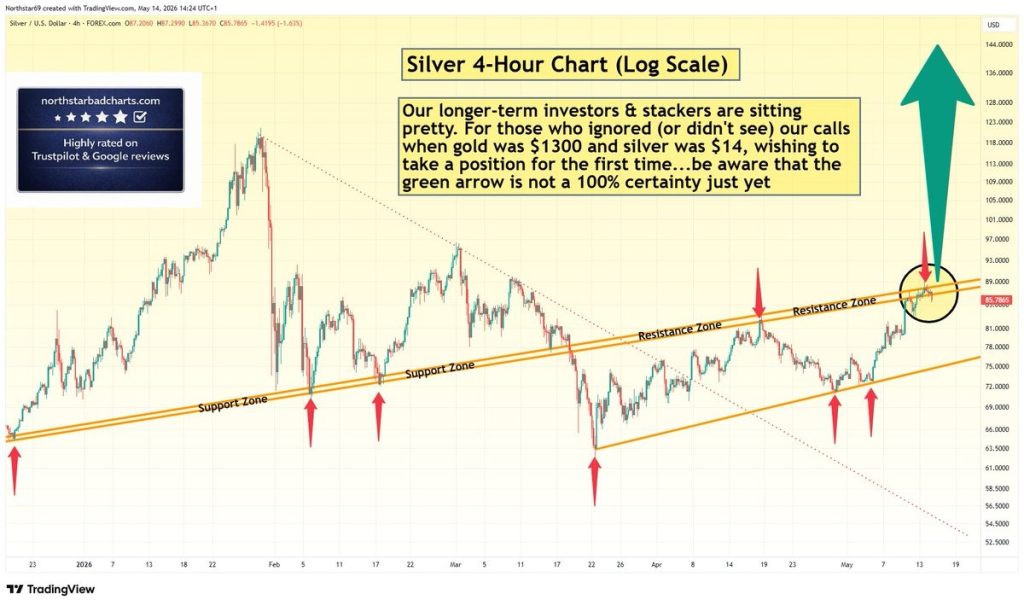
Silver Price Warning: Green Arrow Setup Is Not Confirmed – Wait for Clear Signal

Facebook spotlights African cinema in 6th ‘Made by Africa, loved by the world’ campaign