Circle Reverses Policy, Allows Lawful Firearm Purchases with USDC
Circle, the company behind USDC stablecoin, recently changed its policy to allow users to buy firearms with its cryptocurrency. The decision reverses a previous ban that prohibited using USDC for purchasing weapons, ammunition, and related accessories.
The Original Ban
In October 2025, Americans for Tax Reform published an article revealing that Circle’s terms of service banned USDC for “weapons of any kind, including but not limited to firearms, ammunition, knives, explosives, or related accessories.” This clause appeared in Circle’s acceptable use policy, though it’s unclear how long the restriction had been in place.
The discovery sparked immediate backlash from gun rights advocates and Republican lawmakers. The National Shooting Sports Foundation (NSSF), a major firearms industry group, publicly criticized the policy as blatant financial discrimination. They argued it contradicted President Trump’s Executive Order Guaranteeing Free and Fair Banking for All Americans.
Circle’s Policy Reversal
Within weeks of the controversy, Circle updated its terms of service. The new policy states that only weapons purchased “in contravention of applicable laws” would be banned. This change effectively allows US-based users and others to legally purchase firearms using USDC, as long as they follow existing gun laws.
Source: @SenLummis
Circle provided a statement clarifying its position: “Circle has clarified our terms to reflect that USDC may be used for the lawful purchase and sale of firearms, as protected under the Second Amendment. We have not, and will not, deny the use of USDC for legally permissible transactions involving firearms.”
Political Response
Several Republican senators praised Circle’s decision. Senator Cynthia Lummis of Wyoming called it “a powerful stand against the discrimination targeting lawful gun owners.” She stated that Circle’s move ensures financial systems cannot be weaponized against law-abiding citizens and legal industries.
Senator Bill Hagerty of Tennessee, who authored the GENIUS Act, also welcomed the change. He described the original ban as another example of “Choke Point-inspired mechanisms” that try to achieve partisan goals through financial restrictions rather than legislation.
The NSSF appreciated Circle’s quick response, stating that “freedom cannot survive if your financial tools are turned against you and your Second Amendment rights.”
Stablecoin Regulation Context
The policy change occurs as stablecoins become more integrated into the US financial system. Congress passed the GENIUS Act in July 2025, which established clearer rules for payment stablecoins. Circle CEO Jeremy Allaire participated in the legislation’s signing ceremony alongside other major stablecoin executives.
Since the GENIUS Act passed, the total stablecoin market has grown to over $300 billion. USDC specifically has experienced significant growth, with its market value increasing from approximately $43 billion in January to around $75 billion by November 2025. This represents a 72% increase, outpacing competitor Tether’s 32% growth during the same period.
As stablecoins become more mainstream, questions arise about whether private companies should impose restrictions beyond legal requirements. The Circle controversy highlights tensions between corporate policies and constitutional rights in the emerging digital currency landscape.
Broader Implications
Circle’s initial firearms ban raised concerns among other industries that have historically faced financial discrimination. Cannabis businesses, gambling companies, and other legally operating sectors worry that stablecoin issuers might impose similar restrictions as digital currencies become more widely adopted.
The incident demonstrates how stablecoin terms of service could potentially limit access to lawful products and services. With stablecoins playing an increasingly important role in payments, these corporate policies carry significant weight.
Industry observers note this may be the first major test of how stablecoin companies balance regulatory compliance, corporate values, and user freedoms. The quick reversal suggests that political pressure and public backlash can influence these policies.
Some critics pointed to Circle CEO Jeremy Allaire’s campaign donations to Democratic candidates as potential evidence of political bias in the original policy. However, Circle has not commented on how the policy was originally created or who made the decision to implement it.
What This Means
Circle’s reversal sets a precedent for how stablecoin companies handle controversial but legal transactions. The decision suggests that stablecoin issuers will face pressure to align their policies with existing laws rather than creating additional restrictions.
For gun owners, the change means USDC can now be used at firearms retailers that accept cryptocurrency payments. For the broader cryptocurrency community, it demonstrates that stablecoins are subject to the same political debates that affect traditional financial services.
The incident also shows how quickly these situations can evolve. From discovery to policy change took only a few weeks, suggesting companies are sensitive to regulatory and political pressure in the current environment.


You May Also Like
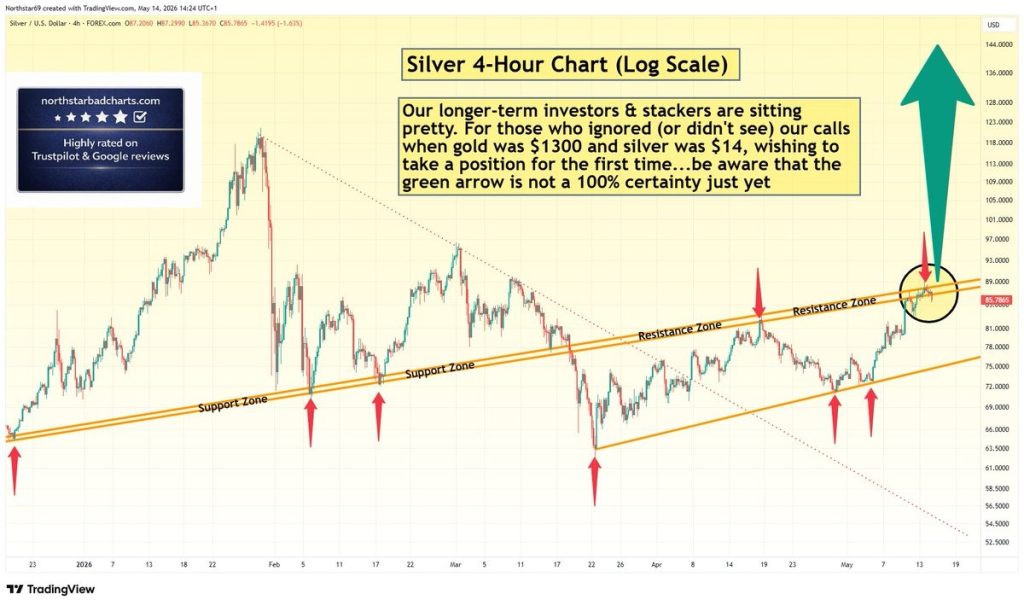
Silver Price Warning: Green Arrow Setup Is Not Confirmed – Wait for Clear Signal

Facebook spotlights African cinema in 6th ‘Made by Africa, loved by the world’ campaign