The Bank of England unveiled proposals for a regulatory regime governing sterling-denominated stablecoins, introducing temporary limits of £20,000 for individuals and £10 million for businesses holding systemic stablecoins. Deputy Governor Sarah Breeden defended the restrictions as necessary to prevent rapid deposit outflows from commercial banks that could threaten credit availability, while promising that the caps would be removed once the transition no longer posed a risk to the UK economy.Deputy Governor of the Bank of England | Source: Reuters Earlier today, a “Proposed regulatory regime for sterling-denominated systemic stablecoins” consultation paper was released. The consultation paper marks a significant step toward establishing Britain’s framework for digital assets that pose potential risks to financial stability. While Breeden insisted the UK regime would be operational “just as quickly as the US,” industry executives criticized the holding limits as overly cautious compared to America’s approach under the GENIUS Act, which established federal stablecoin regulation without ownership caps. Regulatory Framework Balances Innovation With Stability Concerns The proposed regime applies to systemic stablecoins, those widely used in payments that could impact UK financial stability, and will see joint oversight by the Bank of England for prudential matters and the Financial Conduct Authority for consumer protection. The Bank substantially revised its initial 2023 proposal, now permitting issuers to hold up to 60% of backing assets in short-term UK government debt securities while maintaining at least 40% in unremunerated Bank of England deposits. Capital requirements follow international standards, with issuers needing reserves equal to either the cost of recovery from the largest plausible loss event or six months of operating expenses. Statutory reserves placed on trust for coinholders will cover both financial risk from holding sovereign debt and insolvency costs, ensuring redemption requests are honored by the end of each business day. Industry Backlash Intensifies Over Restrictive Approach The proposed caps have triggered fierce criticism from crypto advocates, who view the measures as counterproductive. “This proposal only enforces caps on holdings in the more ‘systemic’ stablecoins most likely used for payments,” Laurence wrote on X. “It means I will be compelled to move my on-chain funds into something further out the risk curve. It is their safety they are concerned about, not yours.“ Another user, known as Stani.eth, called the approach “absurd,” arguing that “stablecoins issued onchain do not pose greater risks than traditional electronic money issued on more fragile electronic databases.” Meanwhile, Grant announced his departure from Britain, stating “i’m leaving the UK this Friday for good. I just don’t trust them to fix it as they’re all highly incompetent and believe taxing their way out of the problem is the only solution.“ Strider labeled the proposal “draconian,” warning that “proposed regulations like this is keeping a cap on the European crypto world.” Tom Duff Gordon, Vice President of International Policy at Coinbase, has also previously told the Financial Times that “imposing caps on stablecoins is bad for UK savers, bad for the City and bad for sterling,” noting no other major jurisdiction deemed such limits necessary. Mortgage Market Differences Drive Cautious Stance Breeden explained that the holding limits stem from fundamental differences between British and American credit markets, where UK consumers obtain mortgages from commercial banks rather than government-sponsored enterprises. “People in the UK get their mortgages from commercial banks, and so that issue that we talked about, about the need for limits as we transition to a world of stablecoins, is one that is less pertinent to the US regime,” she said at a London conference on Wednesday. Despite promises that caps remain temporary, the consultation paper provides no timeline for when limits would be lifted. The global stablecoin market has expanded beyond $305 billion, yet sterling-pegged tokens remain negligible at just $1.65M compared to $511 million in euro-linked stablecoins, according to DeFiLlama data.Source: DeFiLlama The Bank expects to finalize regulations by year’s endThe Bank of England unveiled proposals for a regulatory regime governing sterling-denominated stablecoins, introducing temporary limits of £20,000 for individuals and £10 million for businesses holding systemic stablecoins. Deputy Governor Sarah Breeden defended the restrictions as necessary to prevent rapid deposit outflows from commercial banks that could threaten credit availability, while promising that the caps would be removed once the transition no longer posed a risk to the UK economy.Deputy Governor of the Bank of England | Source: Reuters Earlier today, a “Proposed regulatory regime for sterling-denominated systemic stablecoins” consultation paper was released. The consultation paper marks a significant step toward establishing Britain’s framework for digital assets that pose potential risks to financial stability. While Breeden insisted the UK regime would be operational “just as quickly as the US,” industry executives criticized the holding limits as overly cautious compared to America’s approach under the GENIUS Act, which established federal stablecoin regulation without ownership caps. Regulatory Framework Balances Innovation With Stability Concerns The proposed regime applies to systemic stablecoins, those widely used in payments that could impact UK financial stability, and will see joint oversight by the Bank of England for prudential matters and the Financial Conduct Authority for consumer protection. The Bank substantially revised its initial 2023 proposal, now permitting issuers to hold up to 60% of backing assets in short-term UK government debt securities while maintaining at least 40% in unremunerated Bank of England deposits. Capital requirements follow international standards, with issuers needing reserves equal to either the cost of recovery from the largest plausible loss event or six months of operating expenses. Statutory reserves placed on trust for coinholders will cover both financial risk from holding sovereign debt and insolvency costs, ensuring redemption requests are honored by the end of each business day. Industry Backlash Intensifies Over Restrictive Approach The proposed caps have triggered fierce criticism from crypto advocates, who view the measures as counterproductive. “This proposal only enforces caps on holdings in the more ‘systemic’ stablecoins most likely used for payments,” Laurence wrote on X. “It means I will be compelled to move my on-chain funds into something further out the risk curve. It is their safety they are concerned about, not yours.“ Another user, known as Stani.eth, called the approach “absurd,” arguing that “stablecoins issued onchain do not pose greater risks than traditional electronic money issued on more fragile electronic databases.” Meanwhile, Grant announced his departure from Britain, stating “i’m leaving the UK this Friday for good. I just don’t trust them to fix it as they’re all highly incompetent and believe taxing their way out of the problem is the only solution.“ Strider labeled the proposal “draconian,” warning that “proposed regulations like this is keeping a cap on the European crypto world.” Tom Duff Gordon, Vice President of International Policy at Coinbase, has also previously told the Financial Times that “imposing caps on stablecoins is bad for UK savers, bad for the City and bad for sterling,” noting no other major jurisdiction deemed such limits necessary. Mortgage Market Differences Drive Cautious Stance Breeden explained that the holding limits stem from fundamental differences between British and American credit markets, where UK consumers obtain mortgages from commercial banks rather than government-sponsored enterprises. “People in the UK get their mortgages from commercial banks, and so that issue that we talked about, about the need for limits as we transition to a world of stablecoins, is one that is less pertinent to the US regime,” she said at a London conference on Wednesday. Despite promises that caps remain temporary, the consultation paper provides no timeline for when limits would be lifted. The global stablecoin market has expanded beyond $305 billion, yet sterling-pegged tokens remain negligible at just $1.65M compared to $511 million in euro-linked stablecoins, according to DeFiLlama data.Source: DeFiLlama The Bank expects to finalize regulations by year’s end

Bank of England Proposes £20,000 Cap on Stablecoin Holdings

2025/11/10 19:28
4 min read
For feedback or concerns regarding this content, please contact us at crypto.news@mexc.com

The Bank of England unveiled proposals for a regulatory regime governing sterling-denominated stablecoins, introducing temporary limits of £20,000 for individuals and £10 million for businesses holding systemic stablecoins.

Deputy Governor Sarah Breeden defended the restrictions as necessary to prevent rapid deposit outflows from commercial banks that could threaten credit availability, while promising that the caps would be removed once the transition no longer posed a risk to the UK economy.
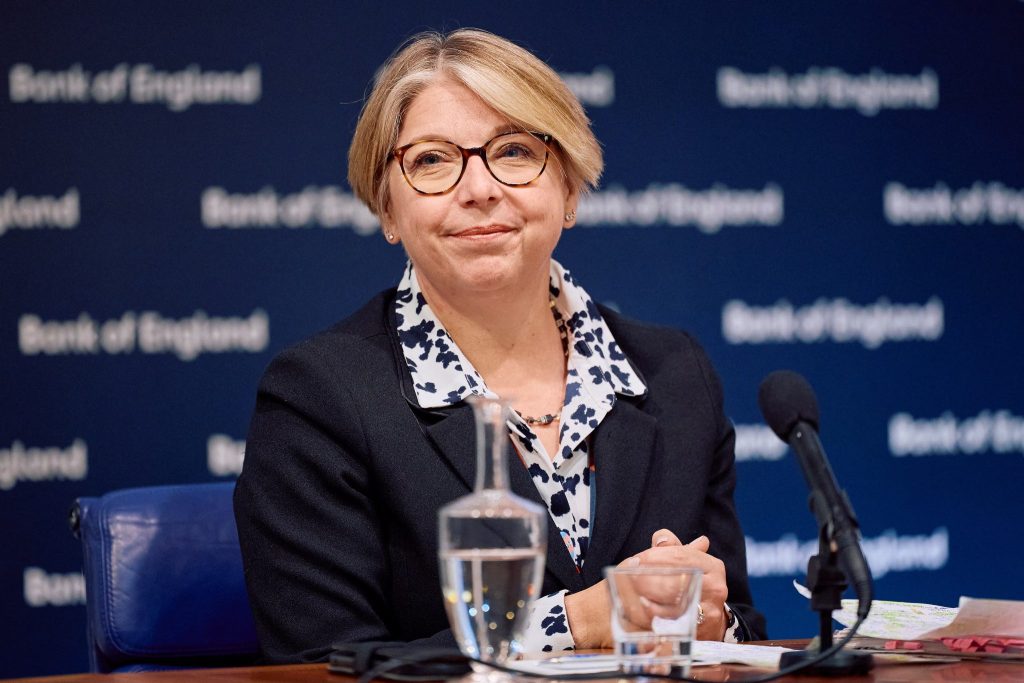
Bank of England Proposes £20,000 Cap on Stablecoin HoldingsDeputy Governor of the Bank of England | Source: Reuters

Earlier today, a “Proposed regulatory regime for sterling-denominated systemic stablecoins” consultation paper was released.

The consultation paper marks a significant step toward establishing Britain’s framework for digital assets that pose potential risks to financial stability.

While Breeden insisted the UK regime would be operational “just as quickly as the US,” industry executives criticized the holding limits as overly cautious compared to America’s approach under the GENIUS Act, which established federal stablecoin regulation without ownership caps.

Regulatory Framework Balances Innovation With Stability Concerns

The proposed regime applies to systemic stablecoins, those widely used in payments that could impact UK financial stability, and will see joint oversight by the Bank of England for prudential matters and the Financial Conduct Authority for consumer protection.

The Bank substantially revised its initial 2023 proposal, now permitting issuers to hold up to 60% of backing assets in short-term UK government debt securities while maintaining at least 40% in unremunerated Bank of England deposits.

Capital requirements follow international standards, with issuers needing reserves equal to either the cost of recovery from the largest plausible loss event or six months of operating expenses.

Statutory reserves placed on trust for coinholders will cover both financial risk from holding sovereign debt and insolvency costs, ensuring redemption requests are honored by the end of each business day.

Industry Backlash Intensifies Over Restrictive Approach

The proposed caps have triggered fierce criticism from crypto advocates, who view the measures as counterproductive.

This proposal only enforces caps on holdings in the more ‘systemic’ stablecoins most likely used for payments,” Laurence wrote on X.

It means I will be compelled to move my on-chain funds into something further out the risk curve. It is their safety they are concerned about, not yours.

Another user, known as Stani.eth, called the approach “absurd,” arguing that “stablecoins issued onchain do not pose greater risks than traditional electronic money issued on more fragile electronic databases.

Meanwhile, Grant announced his departure from Britain, stating “i’m leaving the UK this Friday for good. I just don’t trust them to fix it as they’re all highly incompetent and believe taxing their way out of the problem is the only solution.

Strider labeled the proposal “draconian,” warning that “proposed regulations like this is keeping a cap on the European crypto world.

Tom Duff Gordon, Vice President of International Policy at Coinbase, has also previously told the Financial Times that “imposing caps on stablecoins is bad for UK savers, bad for the City and bad for sterling,” noting no other major jurisdiction deemed such limits necessary.

Mortgage Market Differences Drive Cautious Stance

Breeden explained that the holding limits stem from fundamental differences between British and American credit markets, where UK consumers obtain mortgages from commercial banks rather than government-sponsored enterprises.

People in the UK get their mortgages from commercial banks, and so that issue that we talked about, about the need for limits as we transition to a world of stablecoins, is one that is less pertinent to the US regime,” she said at a London conference on Wednesday.

Despite promises that caps remain temporary, the consultation paper provides no timeline for when limits would be lifted.

The global stablecoin market has expanded beyond $305 billion, yet sterling-pegged tokens remain negligible at just $1.65M compared to $511 million in euro-linked stablecoins, according to DeFiLlama data.

Bank of England Proposes £20,000 Cap on Stablecoin HoldingsSource: DeFiLlama

The Bank expects to finalize regulations by year’s end.

Disclaimer: The articles reposted on this site are sourced from public platforms and are provided for informational purposes only. They do not necessarily reflect the views of MEXC. All rights remain with the original authors. If you believe any content infringes on third-party rights, please contact crypto.news@mexc.com for removal. MEXC makes no guarantees regarding the accuracy, completeness, or timeliness of the content and is not responsible for any actions taken based on the information provided. The content does not constitute financial, legal, or other professional advice, nor should it be considered a recommendation or endorsement by MEXC.

You May Also Like

iCapital® Acquires Hexure to Create the Industry’s First End-to-End Annuity and Insurance Technology Platform

iCapital® Acquires Hexure to Create the Industry’s First End-to-End Annuity and Insurance Technology Platform

The acquisition empowers financial advisors, distributors, and insurance carriers with a single integrated platform iCapital1, the global fintech company shaping
Share
Globalfintechseries2026/03/17 22:02
ADA Price Prediction: Here’s The Best Place To Make 50x Gains

ADA Price Prediction: Here’s The Best Place To Make 50x Gains

But while Cardano holds steady, Remittix is turning into the breakout story of 2025. Having raised over $25.9 million from […] The post ADA Price Prediction: Here’s The Best Place To Make 50x Gains appeared first on Coindoo.
Share
Coindoo2025/09/18 01:53
Fed forecasts only one rate cut in 2026, a more conservative outlook than expected

Fed forecasts only one rate cut in 2026, a more conservative outlook than expected

The post Fed forecasts only one rate cut in 2026, a more conservative outlook than expected appeared on BitcoinEthereumNews.com. Federal Reserve Chairman Jerome Powell talks to reporters following the regular Federal Open Market Committee meetings at the Fed on July 30, 2025 in Washington, DC. Chip Somodevilla | Getty Images The Federal Reserve is projecting only one rate cut in 2026, fewer than expected, according to its median projection. The central bank’s so-called dot plot, which shows 19 individual members’ expectations anonymously, indicated a median estimate of 3.4% for the federal funds rate at the end of 2026. That compares to a median estimate of 3.6% for the end of this year following two expected cuts on top of Wednesday’s reduction. A single quarter-point reduction next year is significantly more conservative than current market pricing. Traders are currently pricing in at two to three more rate cuts next year, according to the CME Group’s FedWatch tool, updated shortly after the decision. The gauge uses prices on 30-day fed funds futures contracts to determine market-implied odds for rate moves. Here are the Fed’s latest targets from 19 FOMC members, both voters and nonvoters: Zoom In IconArrows pointing outwards The forecasts, however, showed a large difference of opinion with two voting members seeing as many as four cuts. Three officials penciled in three rate reductions next year. “Next year’s dot plot is a mosaic of different perspectives and is an accurate reflection of a confusing economic outlook, muddied by labor supply shifts, data measurement concerns, and government policy upheaval and uncertainty,” said Seema Shah, chief global strategist at Principal Asset Management. The central bank has two policy meetings left for the year, one in October and one in December. Economic projections from the Fed saw slightly faster economic growth in 2026 than was projected in June, while the outlook for inflation was updated modestly higher for next year. There’s a lot of uncertainty…
Share
BitcoinEthereumNews2025/09/18 02:59