Best crypto tax tools 2025
Forecast and calculate your crypto taxes quickly with the best software for crypto taxes.
This roundup features the most user-friendly crypto tax tools, from simple calculators to advanced platforms for analyzing your transactions.
5 reasons you need a crypto tax tracker
- The US, UK, EU, and Canada are tightening reporting rules, so staying compliant is getting harder.
- Crypto tax calculators save huge amounts of time by importing your data automatically.
- Accuracy and transparency protect you from compliance issues and audits.
- If you move assets across borders, you’ll want a tracker with strong international coverage.
Crypto taxes in different countries
United States: The IRS wants you to report all your crypto transactions on your tax return. You’ll use Form 8949 to list each sale, Schedule D to total your gains and losses, and Schedule 1 for other income, like staking rewards.
On Form 1040, there’s also a question about crypto — you need to answer it to show you’re involved. Starting in 2025, centralized exchanges have to send the IRS a 1099-DA for your transactions, reporting gross proceeds.
European Union: Under MiCA and the upcoming DAC8 rules, crypto-asset service providers will soon be required to share detailed user and transaction information with tax authorities across the EU. This means from 2026 onwards investors should expect full transparency — and now is the time to ensure your records match what exchanges report.
United Kingdom: Since crypto is classified as a capital asset, most disposals are liable for CGT. The lower 2025/26 allowance of £3,000 means more people will owe tax. With CARF reporting rules coming into play for UK service providers, transparent record-keeping and compliant tools are essential.
Canada: In Canada, crypto is treated as a commodity under CRA rules. If your activity amounts to casual investing you’ll face capital gains tax (50% of gain included), but if your trading is systematic you may be treated as carrying on a business and taxed at 100% of profits. With recent guidance and emerging reporting expectations in 2025, accurate record-keeping and use of proper crypto tax service are strongly advised.
6 best crypto tax software 2025
Take a look at these trusted platforms to make your crypto tax software comparison easier.

- Multi-wallet and multi-exchange support
- Handles staking, lending, DeFi and NFT transactions
- Generates tax-compliant reports for major jurisdictions (US, UK, Canada, Australia, EU)
- High-volume traders may need premium plans
- Complex DeFi or cross-chain transactions still require manual review or tagging to ensure correct cost-basis and classification
Best for: Global investors with diverse portfolios.

- Generates your IRS forms in a snap (8949, Schedule D)
- Smoothy links to top exchanges and wallets
- Lets you track your portfolio and take advantage of tax-loss harvesting
- Fewer international tax templates compared to Koinly
- Free version limited to basic tracking
Best for: US users wanting easy tax-form export and reliable IRS compliance.

- Excellent for EU and German-speaking investors
- Covers staking, yield farming, and NFTs
- Generates audit-proof documentation
- Higher pricing for advanced portfolios
- Interface less beginner-friendly than some rivals
Best for: European traders seeking reliable MiCA and DAC8-compliant crypto tax reporting under a transparent, EU-based brand.

- Integrates with 400+ exchanges, 50+ blockchains, 100+ DeFi & NFT protocols
- Supports tax-loss harvesting and CPA reports
- Direct integration with TurboTax (and other U.S. tax software) simplifies filing for U.S. users
- Free plan is limited — you’ll need a paid tier for serious use
- Some reports of inconsistent customer support
Best for: US investors who want simple, IRS-ready tax forms

- Supports advanced features: margin trading, NFTs, derivatives, cross-exchange reconciliation
- Direct CPA support for audit preparation
- Multi-exchange and multi-wallet integrations, with international tax logic expanding beyond the US
- Can be overwhelming for beginners
- Some advanced features may require manual adjustment
Best for: Traders seeking detailed, high-volume reporting

- 3,500+ wallet, exchange, and blockchain integrations
- Global support (US, UK, EU, APAC)
- Handles DeFi, staking, and NFT transactions with ease
- Interface isn’t as polished as Koinly or CoinLedger
- Accountant support may be limited in some regions
Best for: Perfect for experienced users handling multiple wallets and advanced DeFi or NFT activity
How to use crypto tax software 2025
Getting started with crypto tax software is easy:
- Download the app or visit the official website and create an account with authentication.
- Choose your jurisdiction.
- Specify the crypto wallet or exchange you use.
- Connect your wallet or upload your transaction data.
The platforms above integrate directly with the best rated crypto exchanges and the best crypto wallets to provide full transparency from wallet to tax form — ensuring your portfolio stays compliant no matter how complex your activity becomes.
FAQ
How to calculate crypto taxes?
To calculate crypto taxes, you track the cost basis, sale price, and holding period for each asset to find gains or losses. A crypto gain calculator does this automatically for you.
How does crypto tax service work?
It imports transactions from wallets and exchanges using APIs or CSV uploads, categorizes them, and generates reports that meet tax requirements.
Are crypto tax calculators free?
Most provide free crypto tax software for a small number of trades, but full reporting needs a paid plan.
Do crypto tax tools support global tax jurisdictions?
The best crypto tax apps work in dozens of countries, including the US, UK, EU, and Canada.


You May Also Like

GOP lawmaker sues ex-wife who accused him of throwing boiling water on her
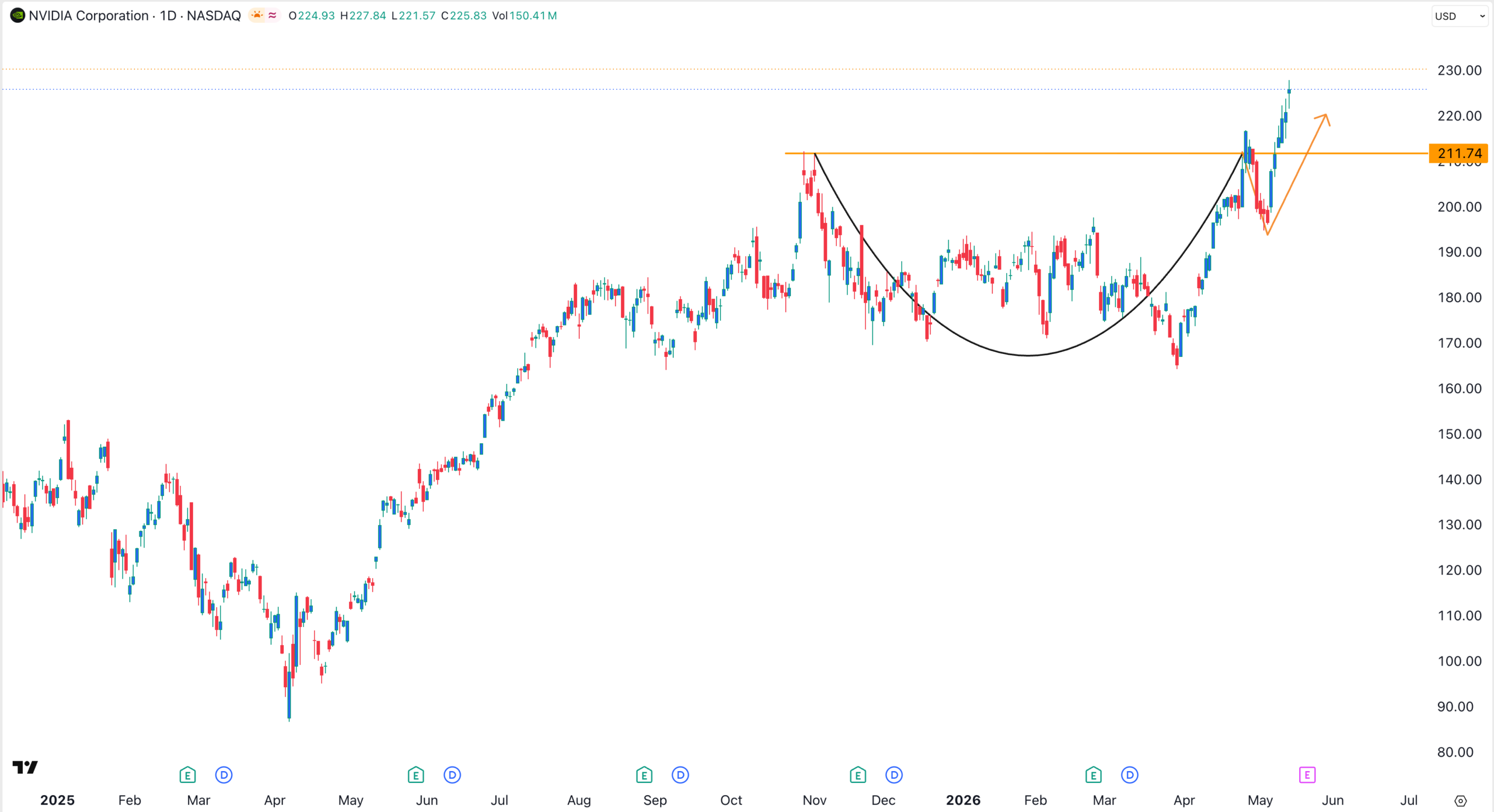
NVIDIA Stock Forecast as the US Clears H200 Chips Sales to China